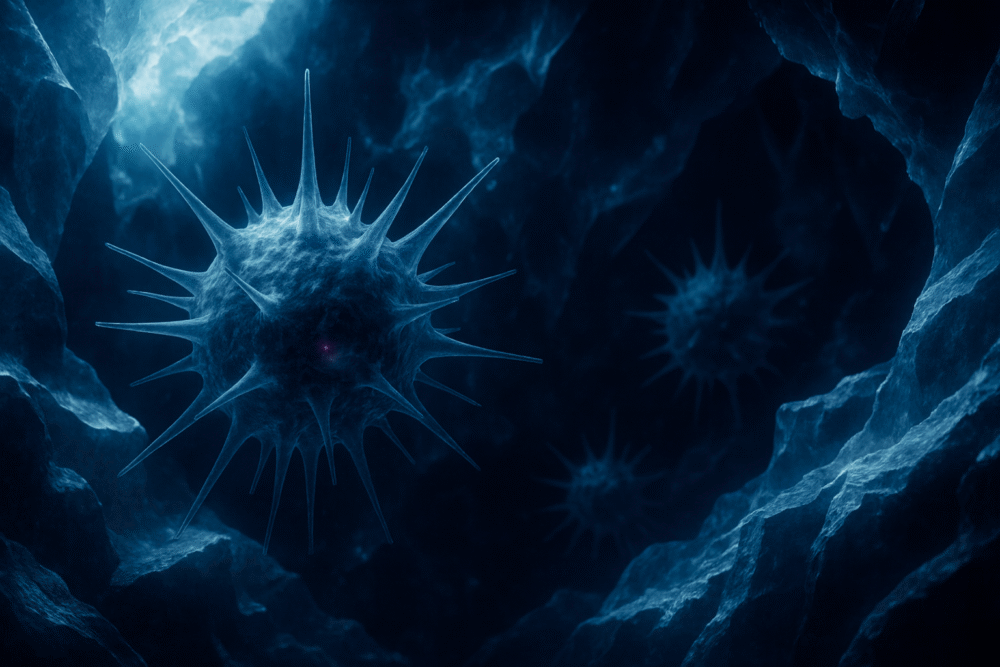
A Dormant Climate Giant Is Showing New Signs of Life — And It Has Experts Worried

After decades of dormancy, this climate force may be tipping toward chaos.
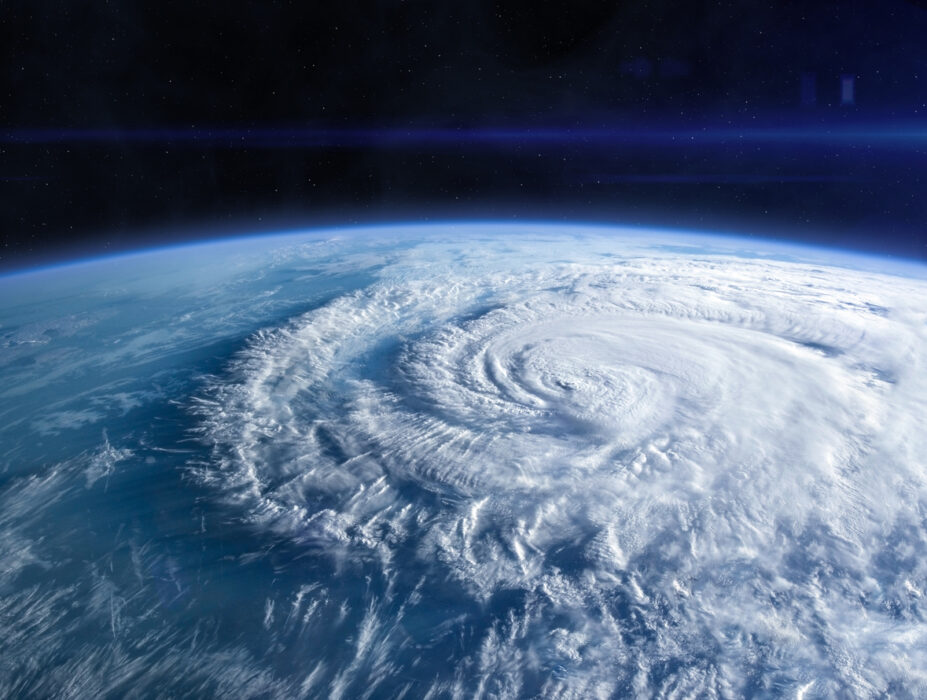
Outer space, massive hurricane eye, Earth’s blue curve below, deep black backdrop, editorial travel photo, no people.
©Image license via Canva

Scientists are increasingly focused on the Atlantic Multidecadal Oscillation (AMO)—a natural climate cycle that toggles North Atlantic sea temperatures between warm and cool phases every few decades. Recent studies show a warm phase may begin soon, and although it’s about 1 degree F of ocean temperature variation, its global repercussions could be profound.

As geophysicist Nour‑Eddine Omrani of the University of Bergen cautions, “The next multidecadal warming will start from a higher level and lead to unprecedented warming and associated extremes.” The AMO’s re‑awakening will likely magnify climate impacts already underway, and understanding its influence could make the difference between being overwhelmed—or prepared—for what’s coming.


Read more

Brace for a Wild Winter: What the 2025–26 Forecast Means for Your Region

A shifting La Niña may bring snow, storms or record warmth — here’s what to expect this season.

©Image license via Canva

With a weak La Niña expected to linger into winter before shifting toward neutral conditions in early 2026, this season could bring a mix of mild spells, sudden chill, and uneven snowfall across the United States. Many regions are leaning warmer than average, while parts of the Upper Midwest and northern Plains have higher chances of colder weather. Rain and snow patterns are also expected to vary widely. Overall, winter 2025–26 looks like one filled with surprises — and here’s what different parts of the country can expect.

Read more

Scientists Unveil Water-Powered Nanotech That Could One Day Replace Batteries

A new silicon nanotech device generates electricity using nothing but water moving through tiny pores.

©Image license via Planet Sage/Chat GPT

Scientists from Hamburg University of Technology and several European research partners have created a surprising new way to generate electricity—by simply pushing water through tiny pores in silicon. The system uses nanoscale channels to produce electric charge through friction, without chemicals, metals, or traditional battery components. Early tests show unusually high efficiency for this type of technology, and researchers say it could open the door to future devices that harvest energy anywhere water can move. While still experimental, the breakthrough hints at a cleaner power alternative.

Read more

How a Port in Peru Could Spell Disaster for the World’s Most Critical Rainforest

Illegal logging, unchecked trade routes, and new road expansion could accelerate Amazon destruction, experts warn.

©Image license via Wikimedia Commons

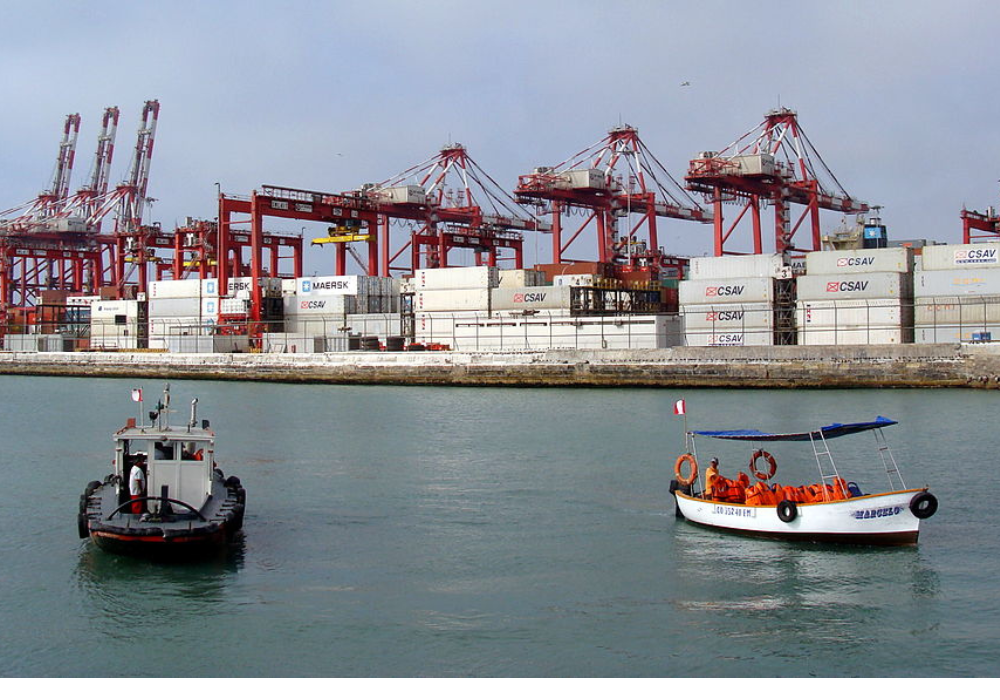
A massive new deep-water port rising on Peru’s Pacific coast is raising urgent alarms among environmental experts. The China-backed Chancay port is expected to reshape trade across South America, offering a faster route for shipping goods to Asia. But scientists say the project could also accelerate deforestation deep inside the Amazon. New roads, expanded transport corridors, and increased demand for timber and minerals may push development deeper into vulnerable rainforest regions already struggling with illegal logging.

Read more

The Stonefish Looks Harmless — Until You Step on It

A harmless-looking reef creature is feared by divers for reasons you might not expect.

©Image license via Flickr

Few ocean creatures are as misunderstood—or as feared—as the stonefish. At first glance, it looks like nothing more than a lumpy rock resting on the seafloor. But this strange, perfectly camouflaged fish has earned a reputation as one of the world’s deadliest marine animals. Divers, swimmers, and scientists all treat it with serious respect, not because of how it looks, but because of what it hides. Learning how it survives, hunts, and defends itself reveals why this creature has become one of the ocean’s most notorious predators.

Read more

Most Dogs Hide a Surprising Secret in Their DNA — And It Traces Back to Wolves

How much wolf is hiding in your dog? A sweeping DNA study suggests the answer may surprise you.

©Image license via Canva

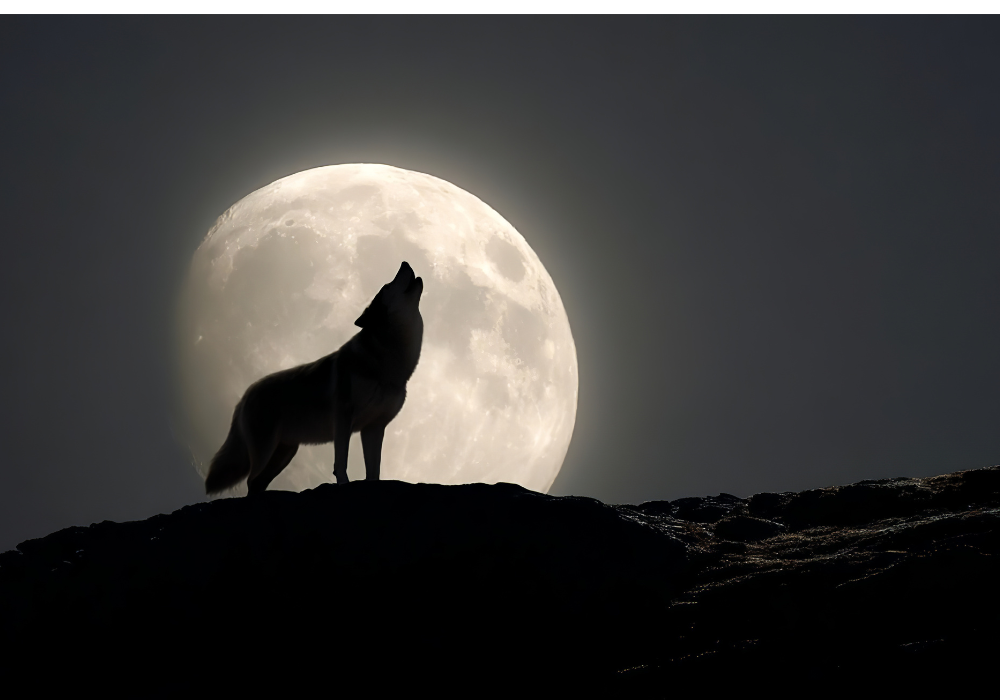
A new genetic study from Purdue University, analyzing nearly 3,000 dogs from 226 breeds, has revealed a surprising truth: many modern dogs still carry traces of ancient wolf DNA. The research, which examined tiny fragments of the genome known as “ultraconserved elements,” shows that wolf ancestry persists across a wide range of breeds — even in small, fluffy companions. Scientists say these findings offer a fresh look at how deeply dogs’ evolutionary history is embedded in their DNA, long after they diverged from wolves thousands of years ago.

Read more

This Native American City Once Rivaled London — And You’ve Probably Never Heard Its Name

Archaeologists say Cahokia was a thriving urban center that rivaled London long before Europeans arrived.

©Image license via Wikimedia Commons

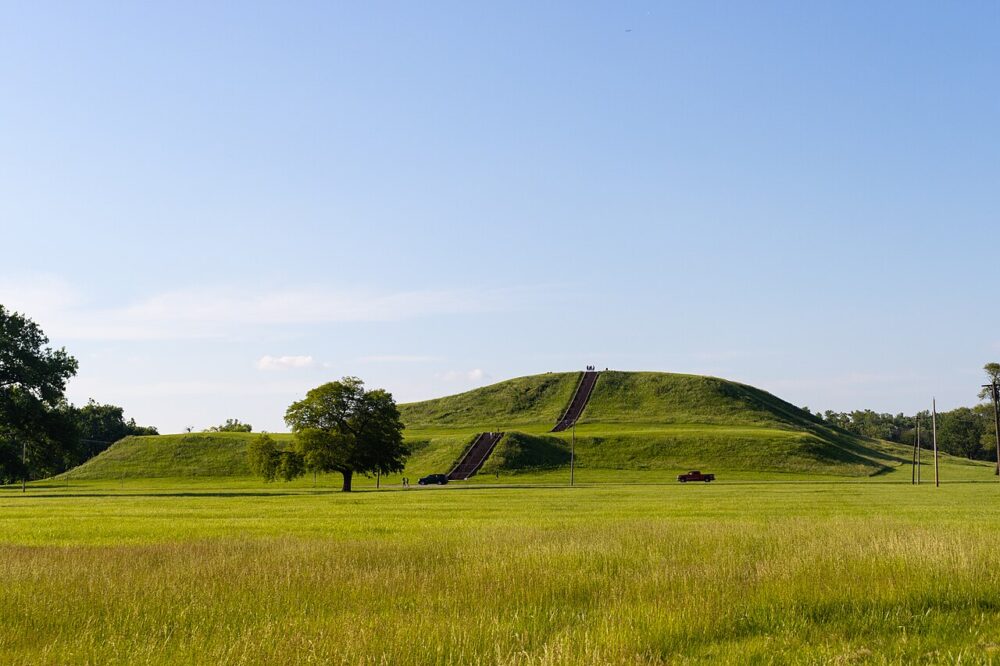
Archaeologists are shedding new light on Cahokia, a massive Native American city that thrived near present-day St. Louis a thousand years ago. At its height, Cahokia rivaled medieval London in size, influence, and complexity—yet most people have never heard of it. New findings show it was a bustling urban center with towering earthen mounds, vast plazas, neighborhoods, and a sophisticated society that reshapes what we thought we knew about early North America. Experts say its rise and fall reveal surprising truths about Indigenous innovation long before European contact.

Read more

If Humanity Suddenly Vanished, This Is How Long Our World Would Last

From empty cities to collapsing systems, the chain reaction begins far sooner than you’d expect.

©Image license via Canva

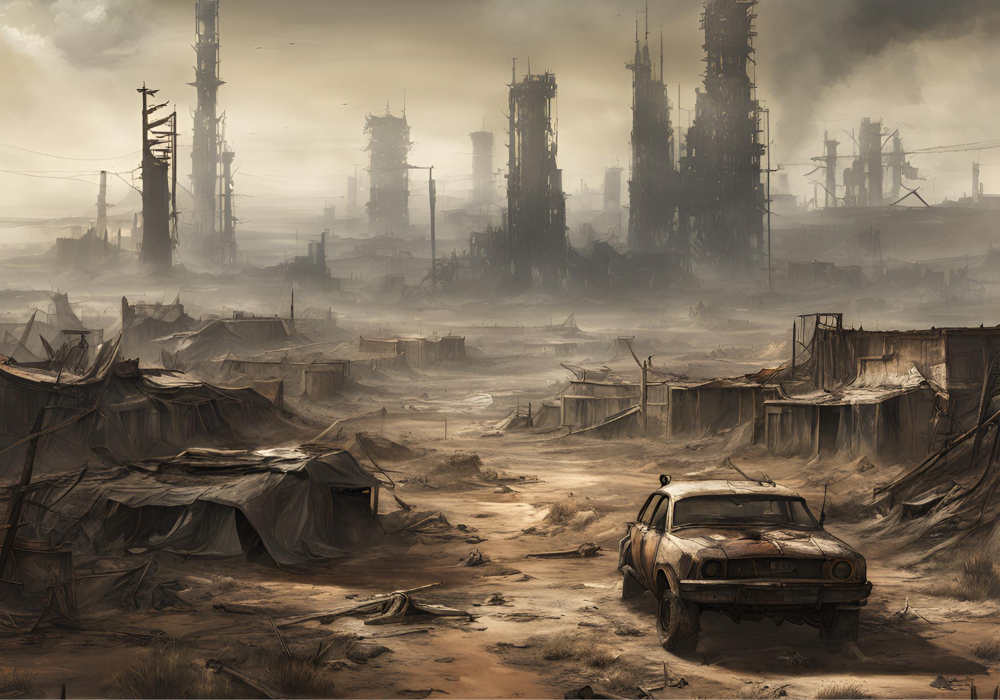
If humanity suddenly vanished, the world wouldn’t collapse all at once—but the unraveling would begin almost immediately. Scientists who study infrastructure, ecology, and climate say the planet would follow a surprisingly predictable timeline. Lights would go out within hours. Streets would flood within days. Wildlife would reclaim cities in weeks. And iconic human structures would crumble far faster than most people expect. Understanding what happens next doesn’t just reveal how fragile our systems are—it shows how much constant work it takes to keep the modern world running.

Read more

Inside the Towns America Forgot: What Happens to the People Who Can’t Leave?

As small towns shrink, the people who stay behind face challenges few outsiders ever see.

©Image license via Flickr

Across the United States, many small towns are shrinking faster than ever before. Factories have closed, young people are moving away, and once-reliable services are disappearing. For those who remain, the reality is growing more challenging. Jobs are scarce, infrastructure is aging, and daily life requires more effort than it once did. Small-town decline isn’t just about numbers—it’s about what happens to the people left behind. As populations fall, the social, economic, and emotional fabric of these communities begins to unravel in ways few outsiders fully understand.

Read more

The Growing Risk of New Viruses Emerging From Thawing Arctic Ice

As the Arctic warms, long-buried pathogens could resurface in ways we’re not prepared for.

©Image license via Planet Sage/Chat GPT

As the Arctic warms at a rapid pace, scientists are becoming increasingly concerned about what’s hidden beneath the thawing ice. Permafrost—frozen ground that can preserve microbes for thousands of years—is melting faster than expected. Researchers have already identified ancient viruses and bacteria that can remain viable after long periods underground, raising questions about what else could resurface. While experts say the risk to humans is currently low, the possibility of new—or very old—pathogens emerging as the Arctic warms is becoming an active area of scientific study.

Read more