
As small towns shrink, the people who stay behind face challenges few outsiders ever see.
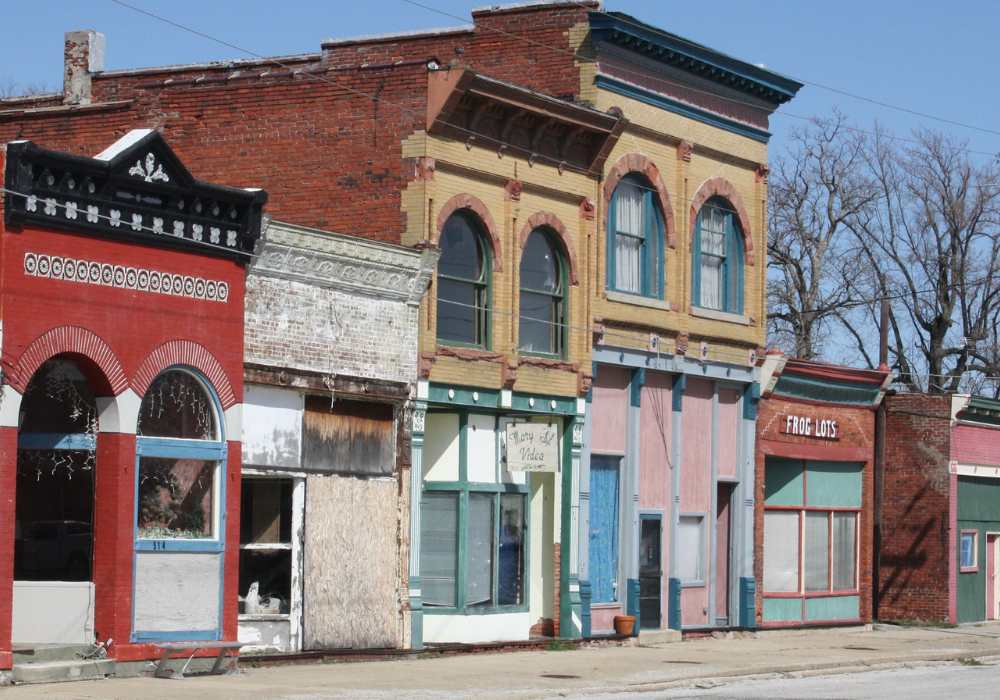
Across the United States, many small towns are shrinking faster than ever before. Factories have closed, young people are moving away, and once-reliable services are disappearing. For those who remain, the reality is growing more challenging. Jobs are scarce, infrastructure is aging, and daily life requires more effort than it once did. Small-town decline isn’t just about numbers—it’s about what happens to the people left behind. As populations fall, the social, economic, and emotional fabric of these communities begins to unravel in ways few outsiders fully understand.
1. Fewer People Means Fewer Jobs and Less Economic Stability

When residents move away, businesses lose customers, and economic activity slows. Census data shows that many rural counties have lost large portions of their working-age population since 2010. This decline makes it harder for new businesses to open and for existing ones to stay afloat.
As employers vanish, those who remain face fewer job options, lower wages, and longer commutes. The cycle feeds on itself: shrinking economies push more people to leave, creating an environment where financial stability becomes increasingly difficult for the people who stay.
2. Essential Services Start to Fade Away
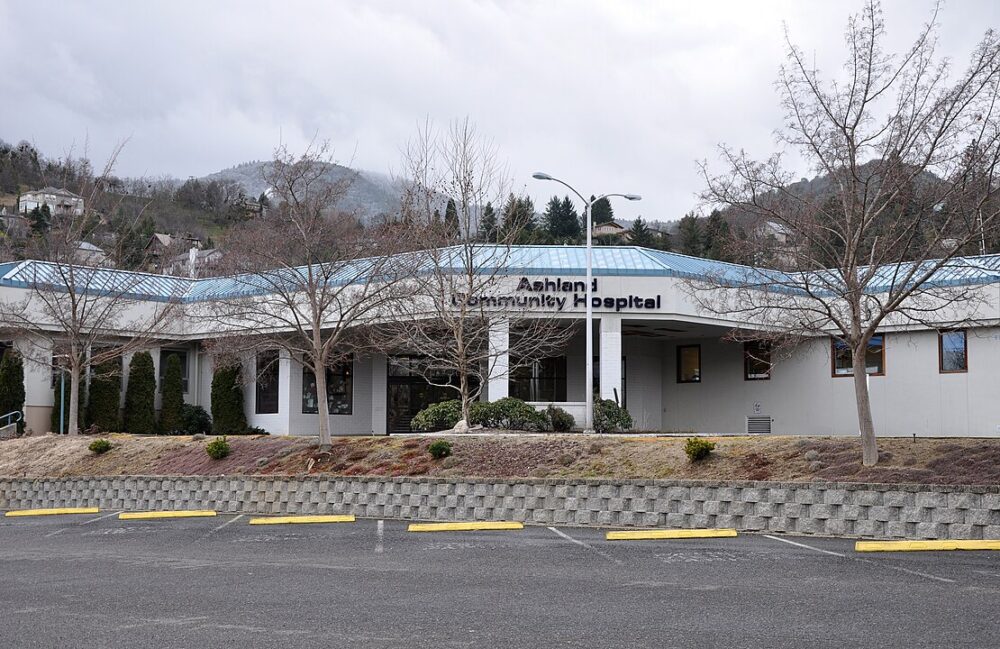
Small towns rely on a critical mass of people to support schools, hospitals, grocery stores, and pharmacies. Once population numbers dip too low, these services struggle to survive. The USDA reports over 130 rural hospital closures since 2010, leaving many regions without emergency care.
The closure of schools, clinics, and stores forces residents to travel much farther for basic needs. This creates hardships for families, older adults, and individuals without reliable transportation. Over time, the loss of essential services makes daily life more stressful and limits the town’s ability to support its remaining residents.
3. Young People Move Away, Leaving an Aging Population Behind

Young adults often leave small towns seeking education, jobs, or broader opportunities. Pew Research Center data shows rural areas now have significantly higher median ages than urban communities. As younger people leave, older adults make up a growing share of the population.
This shift puts pressure on health care systems, social services, and local volunteers. With fewer young workers paying taxes or participating in community life, small towns face shortages of both labor and leadership. The result is a demographic imbalance that becomes harder to reverse with each passing year.
4. Housing Markets Decline and Property Values Drop
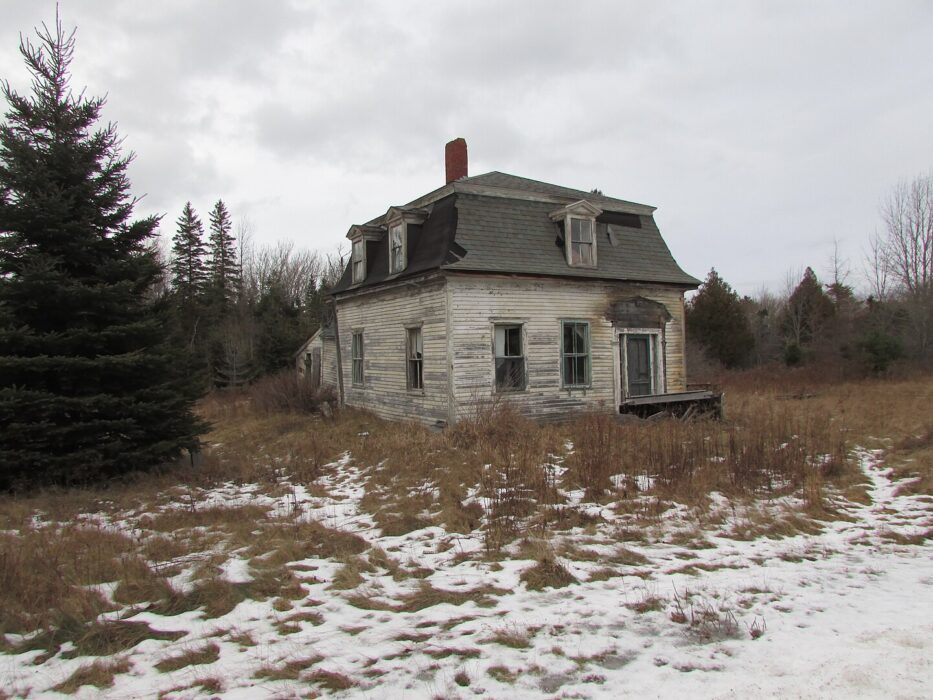
As populations shrink, homes sit empty longer, and demand decreases. Abandoned or neglected properties begin to deteriorate, dragging down neighborhood appearance and property values. In some rural counties, entire blocks have been left partially vacant.
Falling property values reduce the tax revenue that towns need to maintain public services like road repairs and firefighting. Low valuations also make it harder for homeowners to sell or refinance, trapping some residents in houses they no longer want—or can no longer maintain.
5. Schools Consolidate, Weakening Community Identity
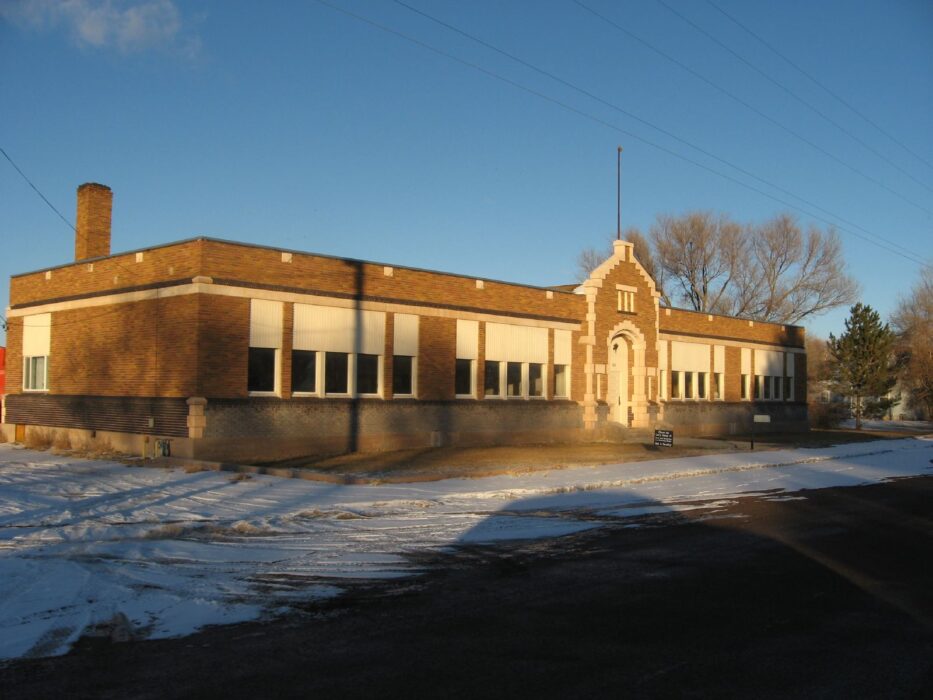
Schools serve as cultural centers in many small towns, hosting sports, events, and community gatherings. When enrollment drops too low, districts consolidate or close schools to save money. National education data shows a long-term trend of rural school closures across the country.
Families left behind often deal with longer bus rides, fewer extracurricular programs, and the emotional loss of a school that once unified the community. School closures can also signal a deeper decline, making it harder for towns to attract new residents or retain young families.
6. Health Care Becomes Harder to Access

With fewer patients and rising costs, many rural clinics and hospitals struggle to stay open. When they close, residents must travel greater distances for medical appointments, emergency care, or specialized treatments—often hours away.
This creates significant risks for older adults and those with chronic illnesses. Delayed medical attention can lead to worse outcomes, and limited transportation options make routine care more difficult. As access declines, health disparities widen, leaving residents more vulnerable.
7. Infrastructure Wears Down With No One to Maintain It
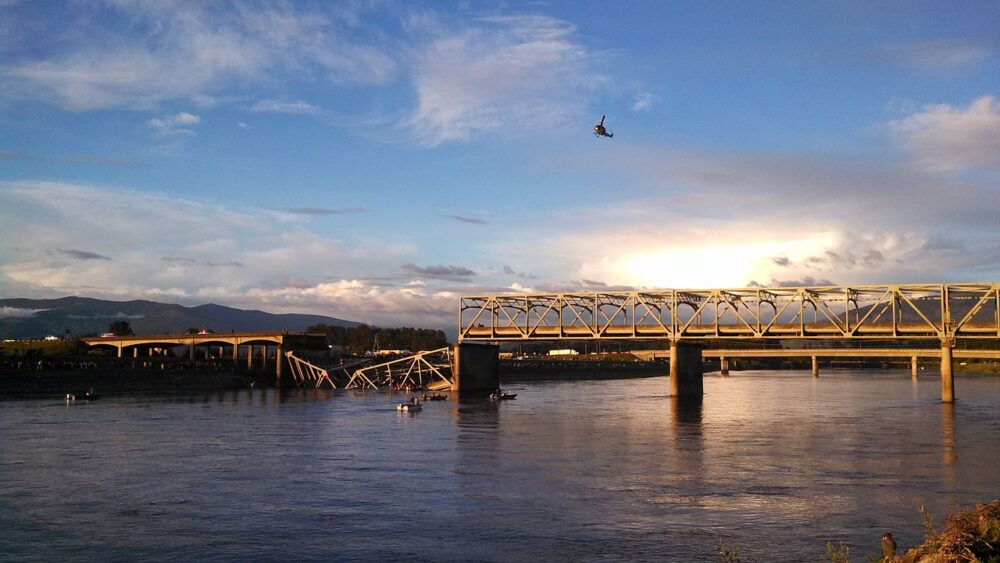
Roads, bridges, water systems, and public buildings all require regular maintenance. With smaller tax bases, many towns delay repairs, leading to potholes, pipe failures, and deteriorating public spaces. The American Society of Civil Engineers notes that rural infrastructure receives some of the lowest levels of investment nationwide.
Over time, neglected infrastructure becomes more expensive to repair—and more dangerous to ignore. Residents face service disruptions and rising personal costs to maintain their own properties and vehicles as public systems fall into disrepair.
8. Social Isolation Grows as Communities Thin Out

As neighbors move away and social networks shrink, loneliness becomes a growing problem. Older adults are especially vulnerable. Studies from the National Institute on Aging show rural seniors experience higher rates of social isolation than their urban peers.
Community events become harder to organize with fewer volunteers and participants. Churches, clubs, and civic groups struggle to stay active. The loss of social connection affects mental health, physical well-being, and overall quality of life for those who remain.
9. Local Governments Struggle to Stay Solvent
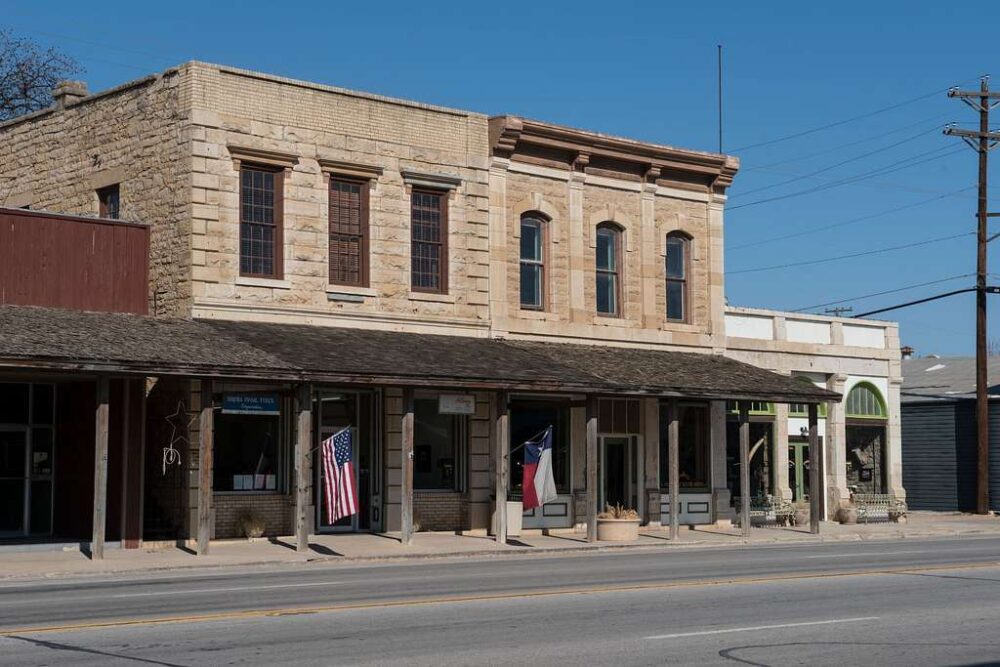
With fewer taxpayers and rising costs, many small-town governments face tough financial decisions. Some cut public services or reduce staff; others raise local fees or taxes. In extreme cases, towns disincorporate—giving up their status as independent municipalities.
Financial strain makes it harder to invest in improvements or attract new residents and businesses. As budgets shrink, towns may enter a downward spiral where they lack the resources needed to break the cycle of decline.
10. Small Businesses Fight to Survive

Local shops, restaurants, and service providers rely heavily on foot traffic and community support. When populations fall, customer bases shrink. Owners often face declining revenue, rising operational costs, and difficulty hiring staff.
Once a small business closes, it’s rarely replaced. Empty storefronts discourage future investment and signal instability to potential newcomers. Over time, the loss of small businesses erodes the heart of the town’s economy and identity.
11. Some Towns Reinvent Themselves, but Success Isn’t Guaranteed
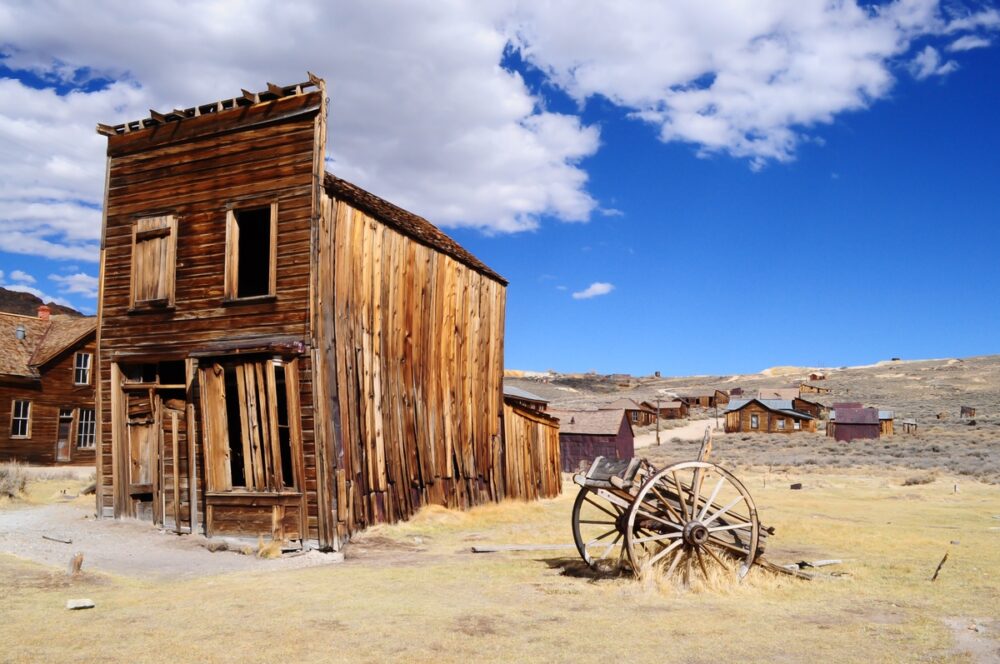
A number of shrinking towns have revitalized themselves through tourism, remote-work hubs, arts districts, or niche industries. These successes show that population loss doesn’t always mean the end—innovation can spark renewal.
But reinvention requires resources, leadership, and good timing. Many towns lack the workforce, funding, or geographic advantage needed to launch new economic strategies. For others, population loss continues despite their best efforts, leaving the remaining residents to navigate a future with fewer opportunities.