Archaeologists Just Found a Lost Book of the Dead — Hidden for 3,000 Years in an Egyptian Tomb

A remarkably preserved funerary scroll is shedding new light on how ancient Egyptians prepared for the afterlife.
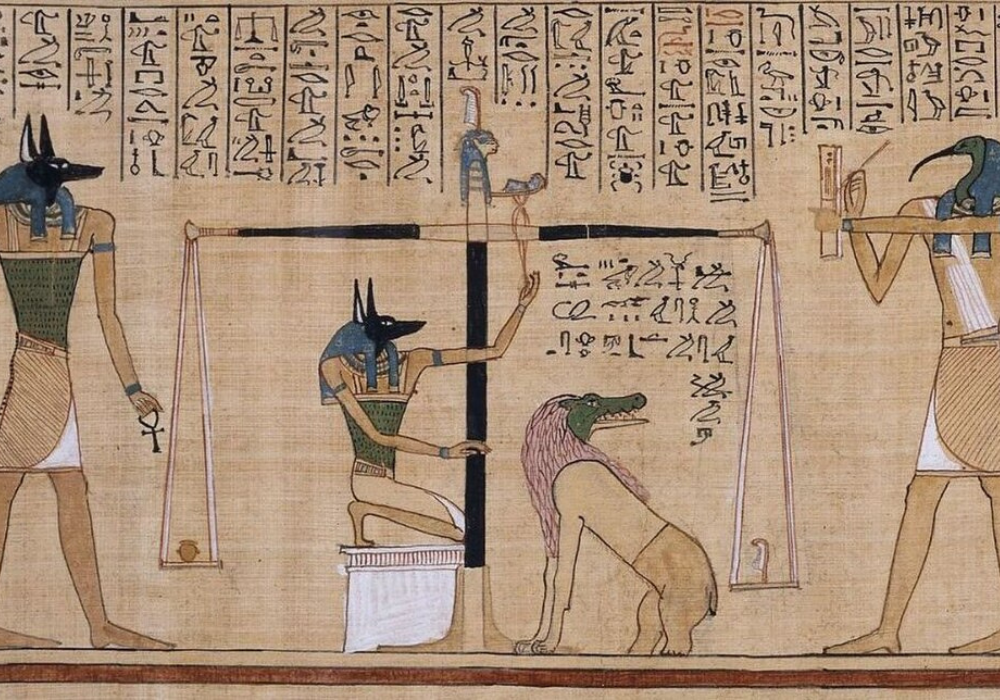
©Image license via Wikimedia Commons

Archaeologists working in Egypt have uncovered a rare funerary scroll containing spells from the ancient Book of the Dead—one of the civilization’s most important religious texts. The manuscript, found in a burial shaft at Saqqara, had been sealed underground for thousands of years. Written for the deceased to navigate the afterlife, the scroll includes protective spells, ritual instructions, and passages meant to guide the soul safely to the next world. Discoveries like this are exceptionally rare, and researchers say it offers a deeper look at how ordinary Egyptians prepared for eternity.
Read more

Scientists Warn These 11 U.S. Regions Will Be Too Extreme For Human Life by 2070

These places have expiration dates: millions living where humans can’t survive by 2070.

©Image license via iStock

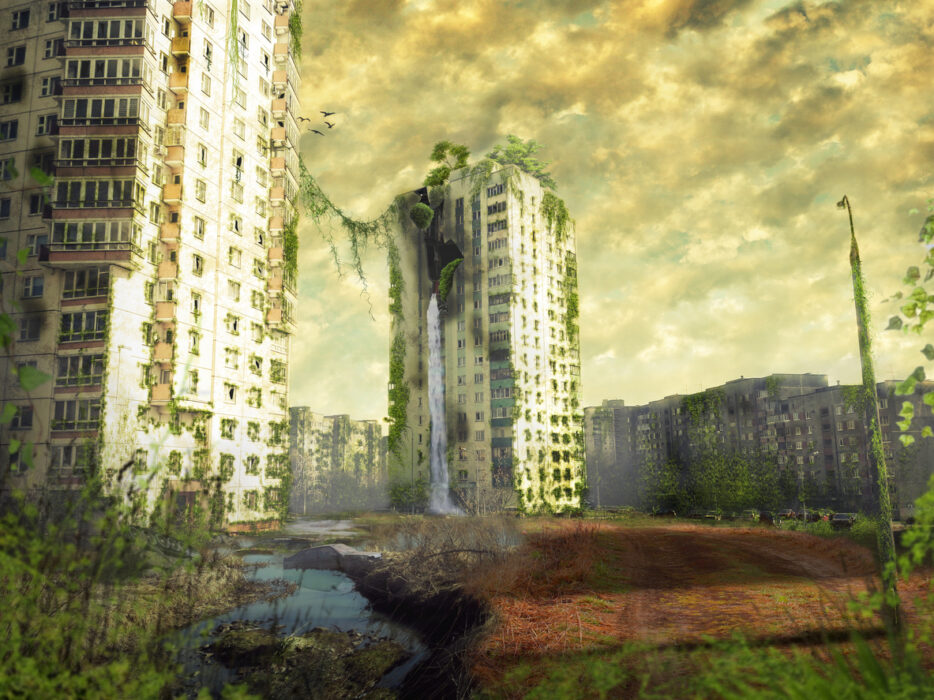
Climate change isn’t some distant problem anymore. Recent research paints a scary picture that hits much closer to home than most of us realize. We’re not talking about slightly warmer summers or a bit more rain – we’re looking at places across America that might become too dangerous for people to live in at all.

What’s truly alarming? These aren’t remote wilderness areas – they’re major cities and regions where millions of Americans currently have homes, jobs, and deep community ties. As heat waves, flooding, wildfires, and water shortages reach extreme levels, these places could force mass relocations that will reshape our entire country. Scientists are increasingly concerned that for some regions, it’s not a question of if people will need to leave, but when.

Read more

Nobody Knew These Dams Existed. Removing Them Changed Entire Rivers Overnight

Scientists were stunned by how fast rivers changed once old hidden dams came down.

©Image license via KW3.com

Across the Pacific Northwest, scientists have been removing old, forgotten dams from rivers in Washington and Oregon—and the results have shocked them. Many of these small, undocumented structures had been overlooked for decades, yet once they came down, the rivers responded almost immediately. Channels shifted, sediment surged downstream, and long-blocked habitats reopened far faster than researchers expected. The sudden transformations revealed just how powerfully these hidden dams had been shaping river systems and how quickly nature can rebound when those barriers finally disappear.en.

Read more

Could a Massive Data Center Be Behind a Surge in Rare Illnesses?

Residents in one Oregon community fear local tech expansion is linked to alarming health problems.

©Image license via AboutAmazon.com

Scientists and local officials are investigating whether a large data center complex in Oregon could be connected to a rise in rare illnesses reported by nearby residents. Families in the area have raised concerns about water contamination, industrial runoff, and the rapid expansion of high-demand tech infrastructure. While no official causal link has been proven, the situation has prompted state reviews and renewed scrutiny of how data centers interact with local environments. The unfolding story highlights the tension between technological growth and community health protections.

Read more

Scientists Stunned as Chimps Show a Hidden Skill We Thought Only Humans Had

Chimps are upending long-held assumptions about human-only reasoning after surprising new lab results.

©Image license via Canva

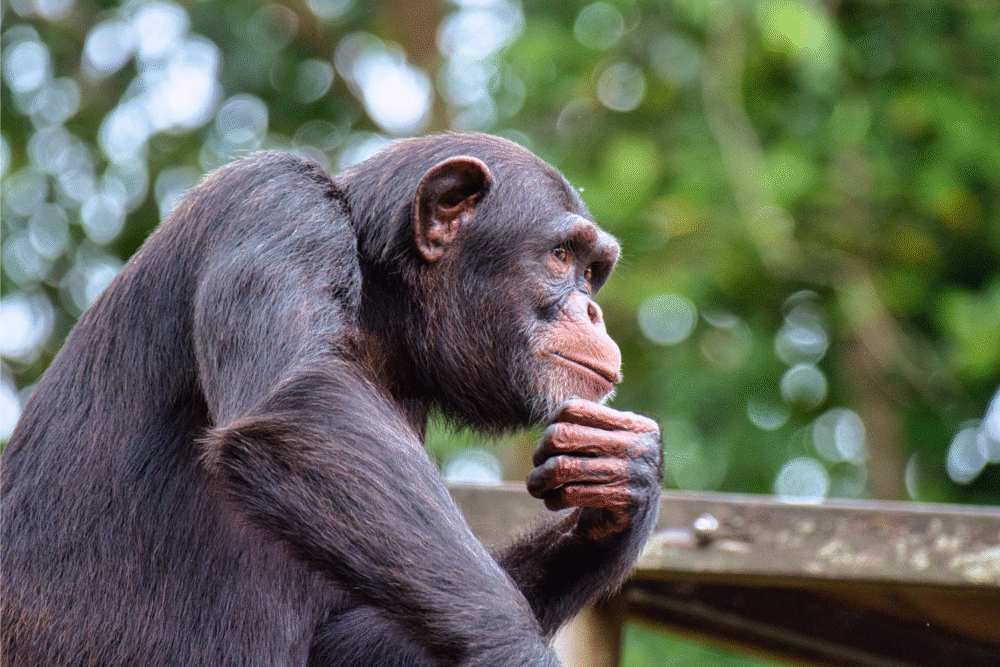
Scientists are rethinking what separates humans from our closest relatives after a surprising new study on chimpanzee decision-making. Researchers designed a series of simple tests to see how chimps respond when the situation suddenly changes—and the animals delivered results no one expected. The findings challenge long-held assumptions about what kinds of reasoning only humans are capable of, leaving experts with a startling question: how much smarter are chimps than we’ve assumed?

Read more

This Devastating Illness Has No Cure — And Cases Are Climbing Fast Worldwide

Health experts are raising alarms as a once-controlled disease resurges in several countries with no known cure.

©Image license via Canva

Scientists are sounding the alarm after a once-declining disease suddenly began spreading again in multiple parts of the world. Although measles is preventable through vaccination, the illness has no cure once contracted—and rising infection rates are now prompting renewed concern among global health officials. Many experts say the resurgence is tied to falling vaccination rates, delayed childhood immunizations, and worsening misinformation. As countries scramble to contain outbreaks, the situation reveals how quickly a nearly eliminated disease can return when immunity gaps widen.

Read more

What Really Happened at Little Bighorn? The Hidden Story Behind a Nation-Shaping Clash

New evidence and long-overlooked accounts are reshaping our understanding of one of America’s most pivotal battles.

©Image license via Wikimedia Commons

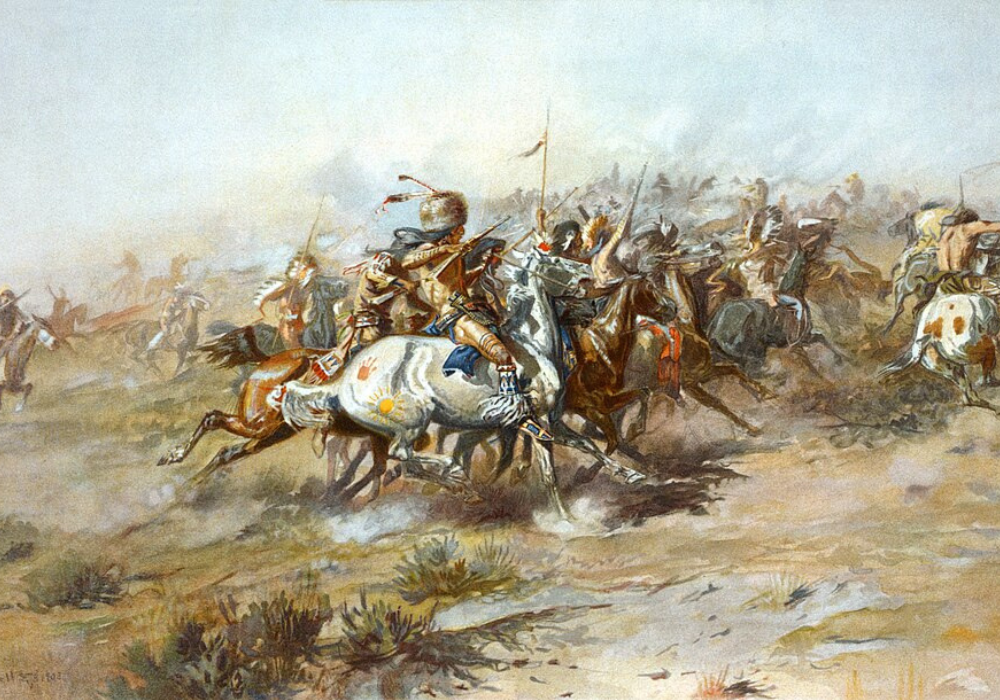
The Battle of Little Bighorn remains one of the most analyzed and debated conflicts in American history. Fought on June 25–26, 1876, it pitted Lt. Col. George Armstrong Custer and the U.S. 7th Cavalry against a coalition of Lakota Sioux, Northern Cheyenne, and Arapaho warriors. For decades, popular narratives focused on Custer’s dramatic defeat, but modern research—including archaeological studies and Native oral histories—has transformed our understanding of what actually happened. The battle was far more complex, chaotic, and consequential than earlier accounts suggested.

Read more

Africa’s Forests Are No Longer Saving the Planet — They’re Fueling Climate Change

New research shows key African forests are now emitting more CO₂ than they absorb, alarming climate scientists.

©Image license via Bohumil Cap

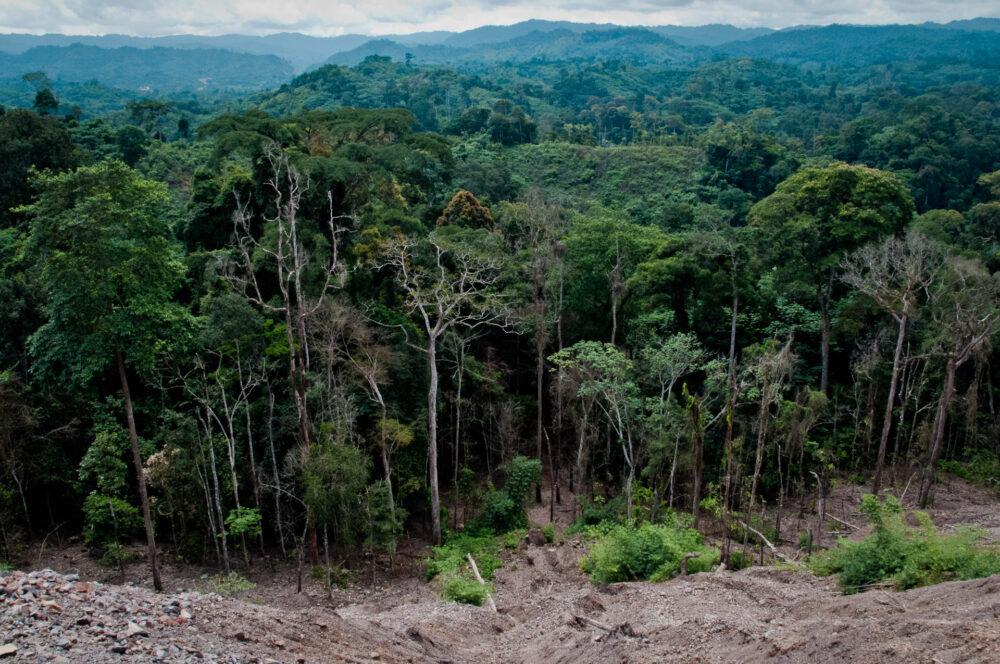
A major new study from the University of Leeds has uncovered a worrying trend in Africa’s forests: many are now giving off more carbon dioxide than they pull in. After tracking more than 100,000 trees across 10 countries, researchers found that years of intense heat, drought, and human pressure are weakening forests that once played a huge role in slowing climate change. Instead of absorbing carbon, some are now adding to the problem — a shift scientists say is a serious warning about how quickly environmental stress can change entire ecosystems.

Read more

The Penny Is Disappearing: Here’s What You Should Do With Your Coin Jar

Millions of Americans are wondering how to handle their jars of spare change as the penny begins its phase-out.

©Image license via Canva

As the U.S. moves toward phasing out the penny, millions of people are suddenly wondering what to do with the jars and bags of loose change sitting around their homes. While a single cent may not seem worth much, those pennies add up—and experts say there are smarter uses for them than letting them gather dust. From cash-in options to donation ideas and even potential collector value, there are several ways to make the most of these soon-to-vanish coins before they fade out of circulation.

Read more

Europe’s Hidden Water Supply Is Vanishing — And Nobody Did Enough to Prepare

Long-term satellite data shows Europe’s underground water reserves are shrinking fast.

©Image license via Canva

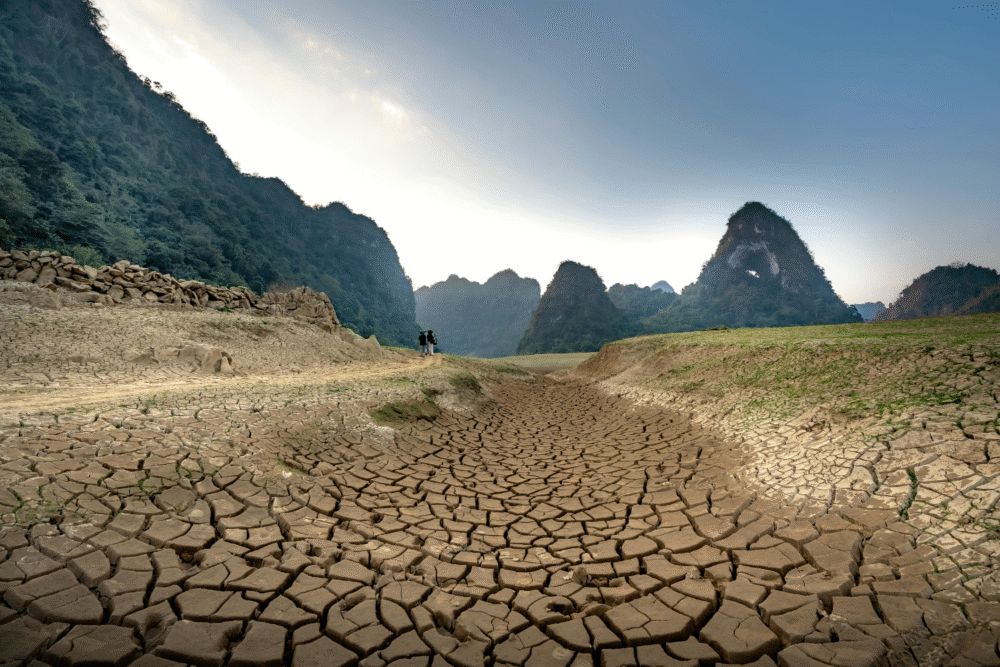
A sweeping new analysis suggests Europe’s groundwater reserves have been dropping for more than two decades, and scientists say the trend is tied directly to climate change. Using long-term satellite observations, researchers found that freshwater stored underground—from Spain and Italy to Germany and Eastern Europe—is steadily shrinking. This decline affects drinking water, farming, and river ecosystems across the continent. The findings raise concerns that Europe has underestimated how vulnerable its water supplies are, especially as droughts grow more frequent and demand keeps rising.

Read more