
Scientists were stunned by how fast rivers changed once old hidden dams came down.

Across the Pacific Northwest, scientists have been removing old, forgotten dams from rivers in Washington and Oregon—and the results have shocked them. Many of these small, undocumented structures had been overlooked for decades, yet once they came down, the rivers responded almost immediately. Channels shifted, sediment surged downstream, and long-blocked habitats reopened far faster than researchers expected. The sudden transformations revealed just how powerfully these hidden dams had been shaping river systems and how quickly nature can rebound when those barriers finally disappear.en.
1. Many of the Dams Weren’t Even Documented
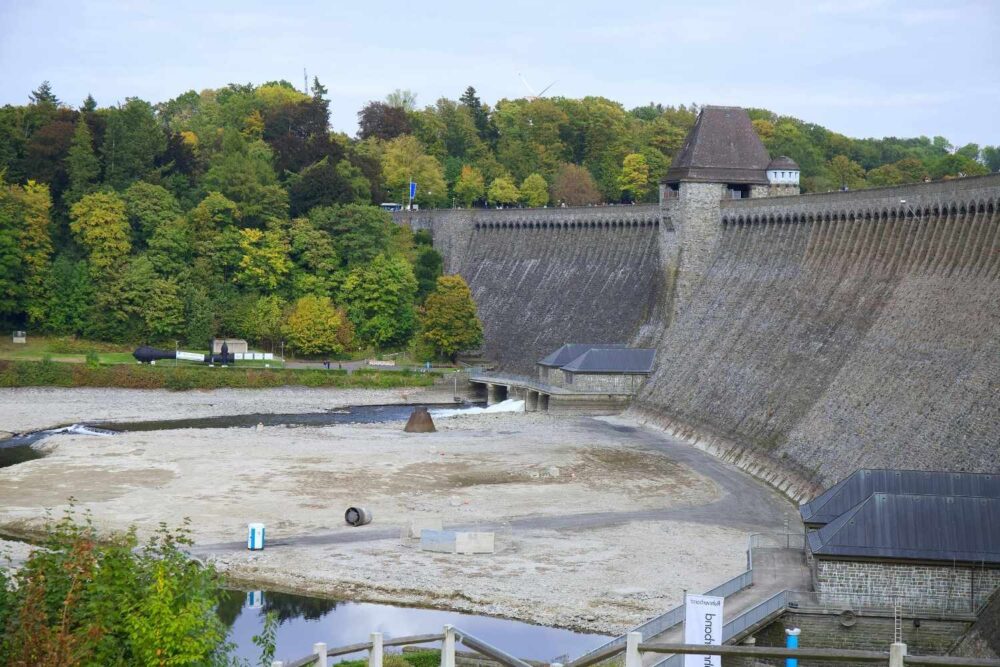
Researchers removing dams in Washington and Oregon expected to encounter known structures, but they were surprised to find additional barriers that were never officially recorded. These forgotten dams—some buried in vegetation or sediment—had quietly influenced river flow for decades. Their undocumented status made it difficult for scientists to anticipate how the rivers would react after removal.
The discovery revealed how incomplete historical records are for smaller, older dams. Once the barriers disappeared, scientists quickly saw how much these neglected structures had been constraining natural river behavior.
2. Rivers Began Rebuilding Their Natural Paths Almost Immediately
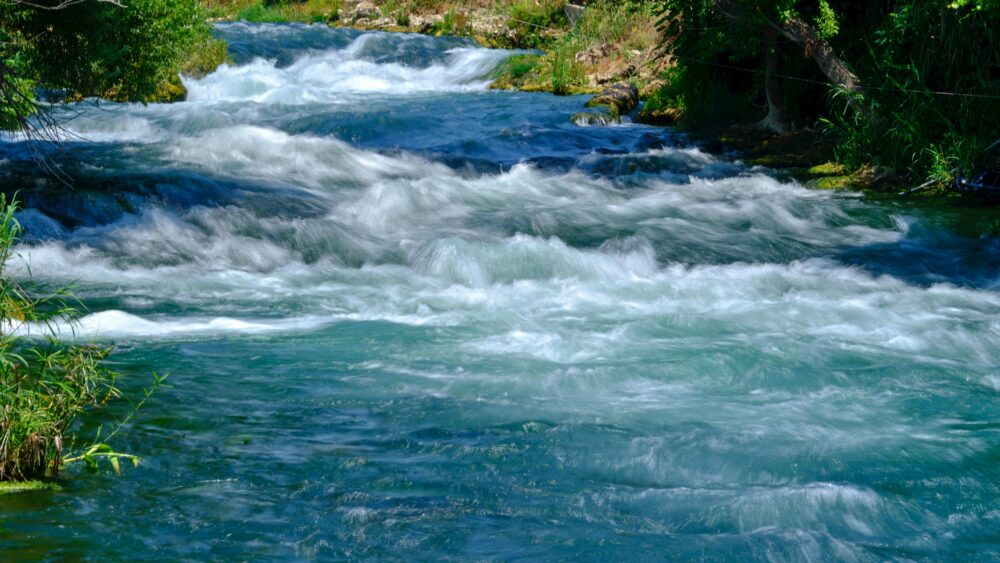
Scientists expected changes to unfold over months or years. Instead, rivers began reshaping themselves within hours. Channels widened, sediment shifted, and water pathways reformed as if the rivers remembered their original courses. The speed of this transformation surprised even experienced researchers.
These rapid adjustments demonstrated how rivers instinctively reclaim their natural flow patterns once barriers are removed. The sudden changes offered a rare chance to witness how dynamic river systems can be when freed from human influence.
3. Sediment Stored for Decades Was Suddenly Released
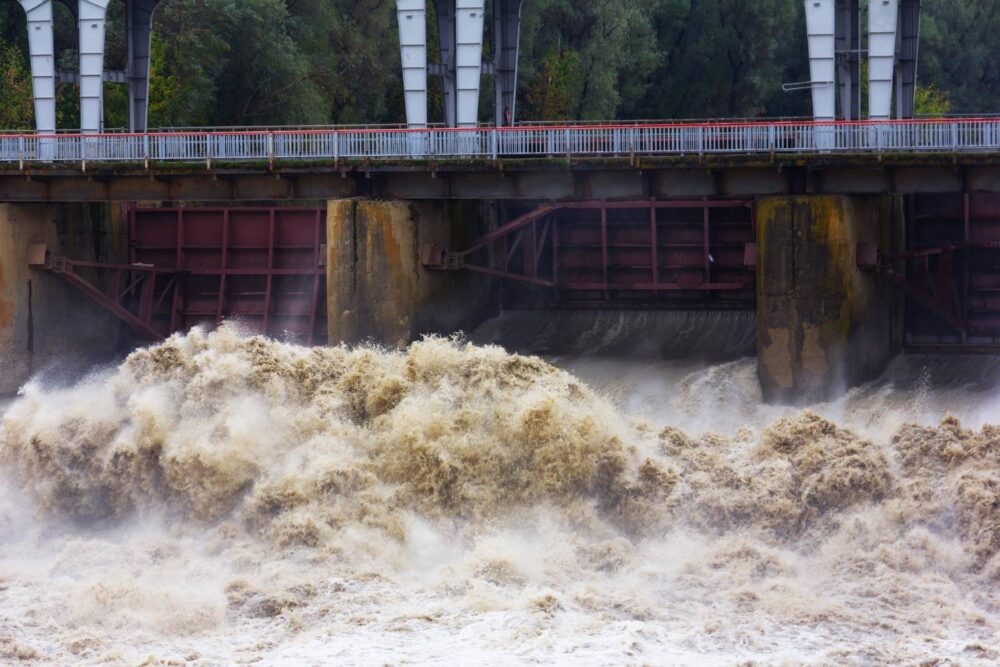
Behind each dam, even small ones, sediment accumulates over many years. Once the barriers were removed, this material moved downstream almost immediately. Scientists observed a sudden flushing effect as mud, gravel, and sand spread through the system.
This sediment release had both benefits and challenges. While it helped rebuild natural habitat areas, it also caused short-term cloudiness and shifting riverbeds. The event highlighted how much ecological memory rivers retain, even after decades of disruption.
4. Fish Populations Responded Faster Than Expected

After the dams came down, certain fish species began exploring newly accessible stretches of river within a remarkably short time. Researchers didn’t anticipate such quick movement, especially in areas blocked for generations. Fish migrated into habitats that had been inaccessible for decades.
This rapid response illustrated how strongly wildlife reacts when natural routes reopen. It also demonstrated that restoration benefits can appear far sooner than expected when river corridors are reconnected.
5. Riverbanks Shifted as Water Found New Balance
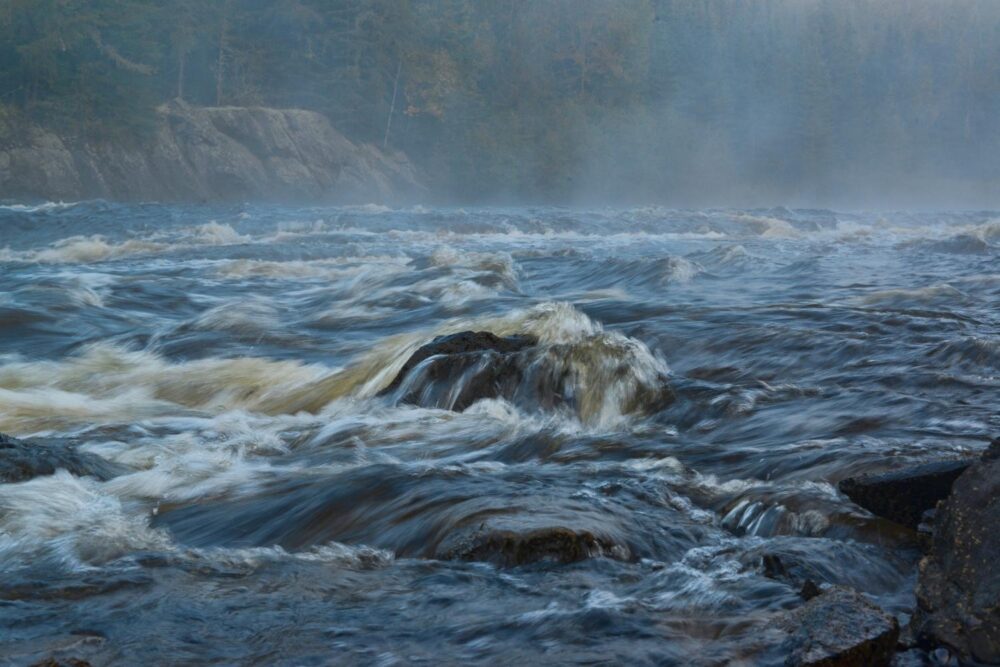
As water levels adjusted, riverbanks began reshaping and settling into new patterns. Trees and vegetation along the edges experienced changes in soil moisture, and some banks eroded while others rebuilt. These adjustments showed that rivers adapt holistically, affecting land, water, and plant life simultaneously.
Scientists noted that these shifts offered insight into how rivers negotiate space once artificial boundaries disappear. It was a clear example of the interconnected nature of river ecosystems.
6. Channels Deepened in Places Where Water Had Been Backed Up

Removing old dams often caused water in certain areas to deepen as flow accelerated. Areas that previously resembled shallow ponds transformed into swiftly moving channels again. This deepening helped restore faster-flowing environments that many species depend on.
The shift also altered the distribution of nutrients and oxygen within the river. Scientists observed how these deeper channels played a crucial role in reestablishing natural river dynamics.
7. Vegetation Shifted as Sunlight and Water Levels Changed
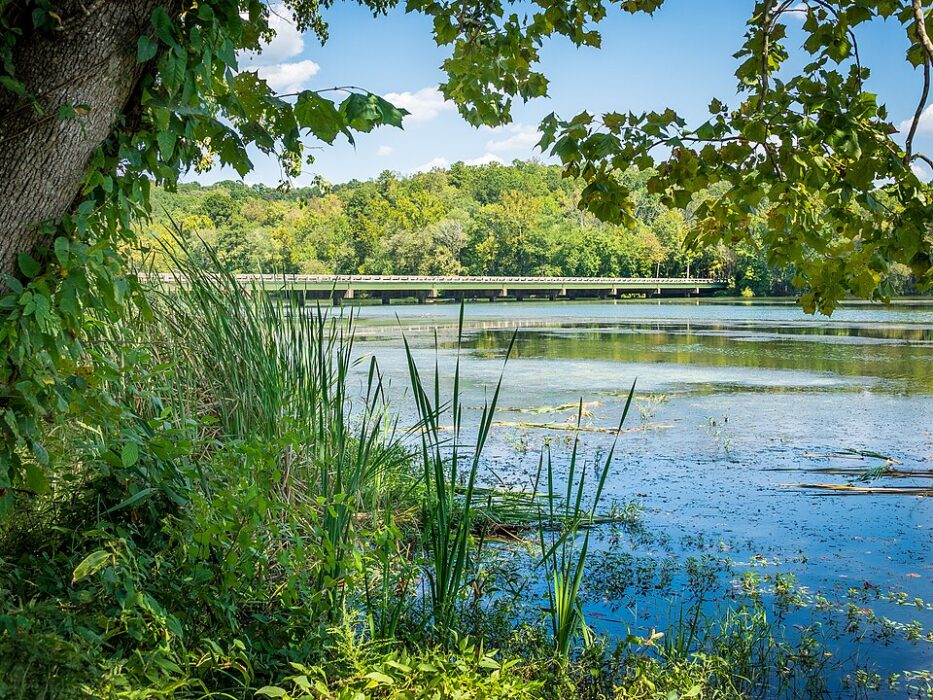
Plants along the riverbanks altered their growth patterns in response to the new water flow. Areas that were once constantly submerged began to dry out, while other sections saw more frequent flooding. These shifts allowed native species to reestablish themselves in places where they had been suppressed.
This vegetation change revealed the broader ecological impact of dam removal. Restoring flow doesn’t just affect water—it reshapes the entire living landscape around it.
8. Newly Freed Rivers Created Fresh Habitat Zones

Once the dams were gone, rivers quickly carved out new pools, riffles, and gravel bars. These habitats support different species, meaning the river’s biodiversity began increasing almost immediately. Scientists noted that these natural features had been suppressed by the dams for decades.
The creation of new habitat zones demonstrated how dam removal can rapidly restore ecological complexity. It also showed how important free-flowing conditions are for maintaining healthy river systems.
9. Researchers Had to Reevaluate Their Predictive Models
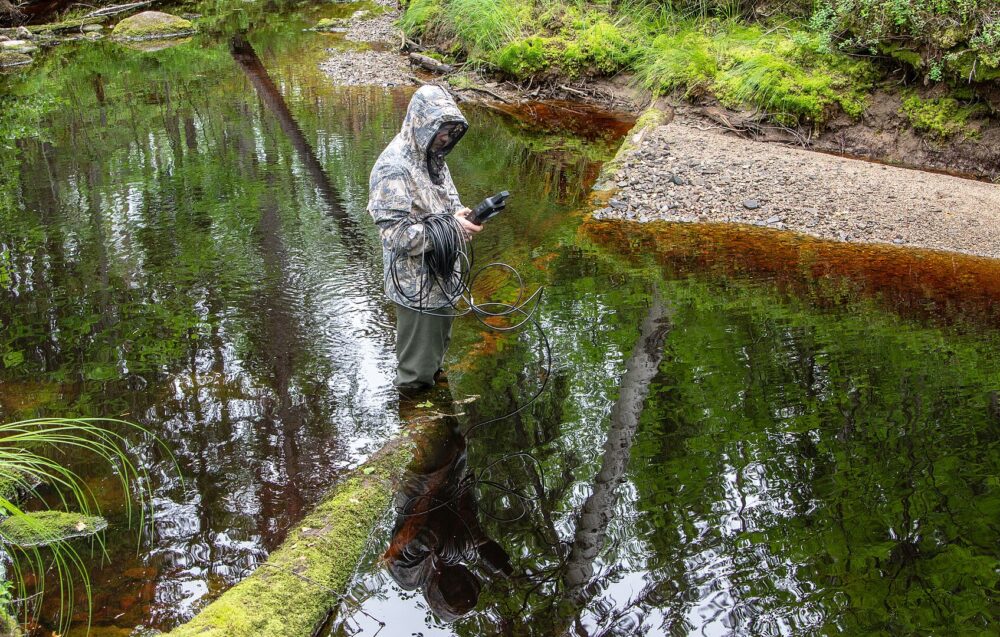
The speed and magnitude of the changes forced scientists to reconsider their assumptions about river recovery. Earlier models assumed slow, gradual adaptation, but the real-world changes were far more dramatic and immediate.
This realization may influence future restoration planning. Understanding that rivers can react so quickly helps improve forecasts and encourages more accurate, flexible management strategies.
10. The Findings Suggest Many Rivers Could Recover Faster Than Expected

The unexpected speed of recovery has encouraged scientists and conservationists. It shows that even heavily altered rivers can bounce back quickly once barriers are removed. The rapid transformations give hope that restoration projects may yield faster results than once believed.
This discovery could influence future dam-removal efforts. Knowing that rivers can reclaim their natural behavior so rapidly offers a compelling reason to continue restoring waterways across the country.