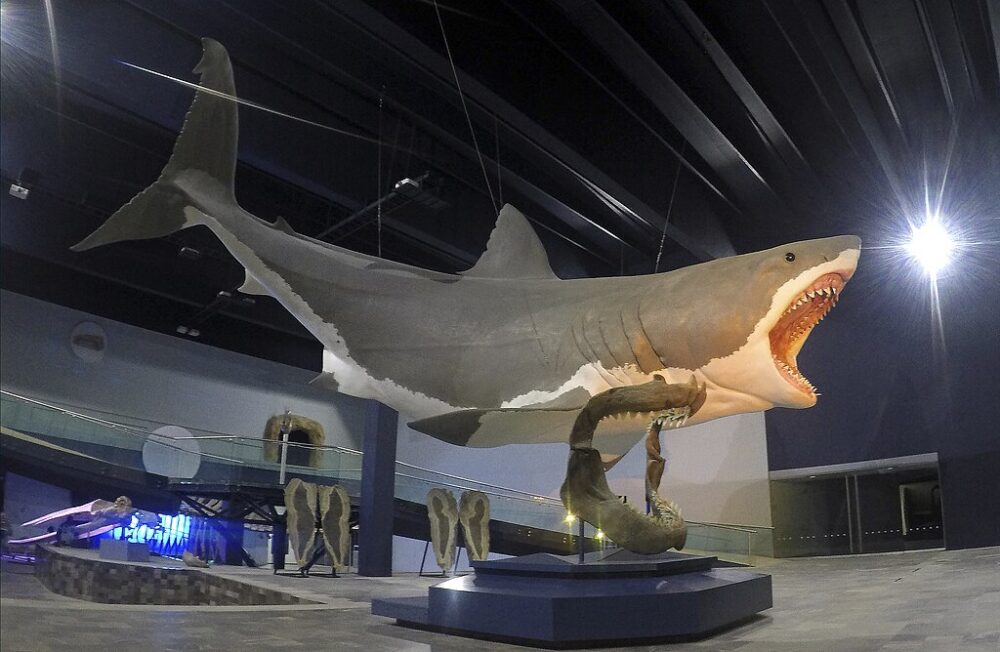
Meet the Giant Australian Shark That Outsized Today’s Great Whites by Millions of Years

New fossils reveal a massive prehistoric shark that swam Earth’s oceans 115 million years ago.
©Image license via Wikimedia Commons

Scientists have uncovered fossils from a gigantic prehistoric shark along the northern coast of Australia, and the discovery reveals a predator far larger than today’s great whites. The find includes five vertebrae dating back 115 million years, each more than 12 centimetres wide—significantly bigger than those of modern great whites. Researchers estimate the shark was up to eight metres long and weighed more than three tonnes. The fossils push the origins of giant lamniform sharks back by at least 15 million years, suggesting massive predatory sharks evolved much earlier than once believed.

Read more

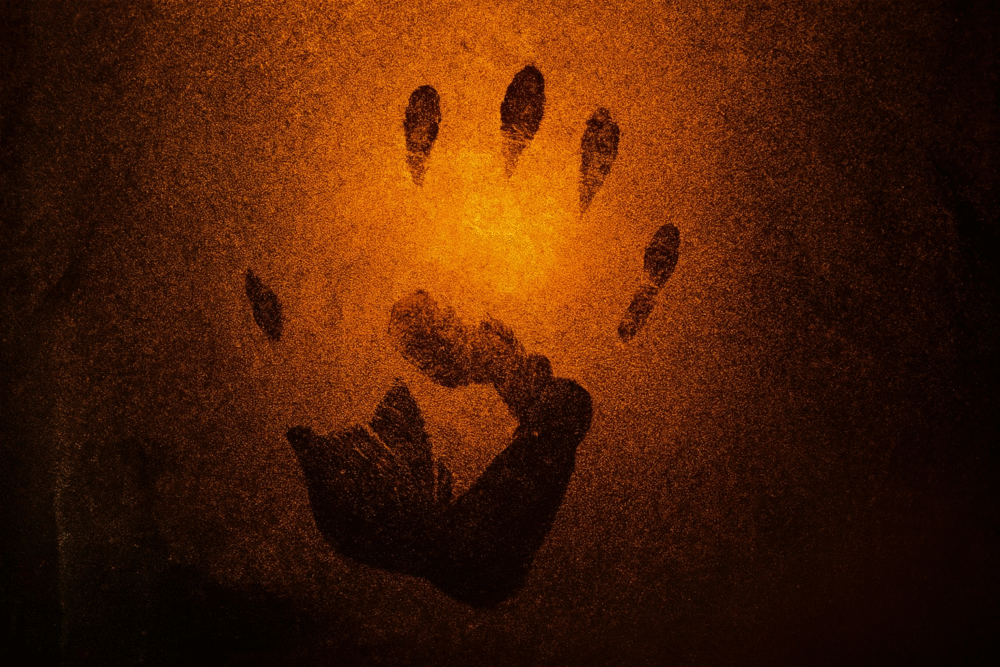
Archaeologists Found a 4,000-Year-Old Handprint — and It Was Never Meant to Be Seen

A faint handprint on the bottom of a 4,000-year-old soul house is offering a rare glimpse of its ancient maker.

©Image license via Planet Sage/Chat GPT

Scientists are revisiting a remarkable artifact after spotting something no one had noticed before: a 4,000-year-old handprint pressed into the underside of an ancient Egyptian “soul house.” These clay models were placed in tombs as symbolic homes for the dead, and the handprint—never meant to be seen—was left by the potter who crafted it. Researchers say the accidental mark offers an unexpectedly intimate glimpse into the life of an anonymous worker whose touch survived across four millennia, revealing humanity in a place no one thought to look.

Read more

The Pacific Just Revealed a WWII Secret Hidden for 82 Years

A long-missing WWII destroyer has finally been identified on the Pacific seafloor.

©Image license via Wikimedia Commons

For more than 82 years, the fate of the USS Edsall—a Clemson-class destroyer nicknamed the “Dancing Mouse”—remained one of World War II’s great naval mysteries. The ship vanished in 1942 after a desperate battle against overwhelming Japanese forces, leaving historians with only scattered accounts of its final moments. Now, researchers analyzing underwater footage and long-hidden clues have identified a wreck that matches the Edsall with remarkable precision. The discovery finally clarifies what happened to the legendary destroyer and brings new insight into a dramatic chapter of early Pacific War history.

Read more

They Want to Drill Into a Potentially Explosive Volcano — Here’s the Surprising Reason

A bold geothermal experiment aims to turn Oregon’s Newberry Volcano into a powerful clean-energy source.

©Image license via Picryl

Scientists are launching a breakthrough geothermal project at Newberry Volcano in Oregon, one of the most closely monitored volcanic sites in the country. By drilling deep into super-hot rock, researchers hope to create an engineered geothermal system capable of producing carbon-free electricity. Newberry is considered a high-risk volcano, but its extreme heat also makes it one of the most promising renewable-energy targets in the United States. The project could help prove whether active volcanic regions can safely power homes, cities, and industries in a clean-energy future.

Read more

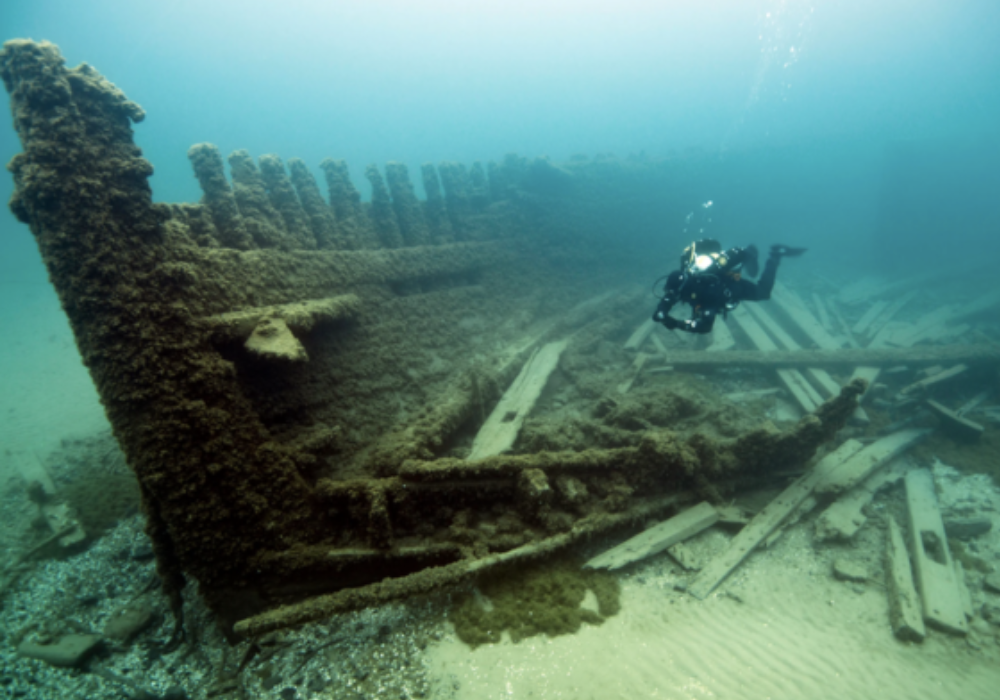
The Great Lakes Look Calm — But Their Waters Hide a Deadly Secret

Historians explain why the Great Lakes hold one of the largest shipwreck graveyards on Earth.

©Image license via Great Lakes Now

The Great Lakes may appear peaceful, but their waters conceal thousands of shipwrecks dating back centuries. Historians estimate that between 6,000 and 10,000 vessels have gone down, making the region one of the world’s densest shipwreck zones. These losses weren’t caused by a single factor but by a dangerous combination of fierce storms, unpredictable weather shifts, hazardous shoals, and heavy commercial traffic. Newly examined research reveals why ships disappeared so quickly and why the Great Lakes challenged even the most experienced captains throughout maritime history.

Read more

Scientists Think They’ve Figured Out How and When the Universe Will End

New research suggests the universe may one day collapse in a dramatic cosmic reversal.

©Image license via Planet Sage/Chat GPT

Scientists studying the fate of the cosmos have proposed a surprising possibility: the universe may not expand forever after all. New calculations suggest dark energy—the mysterious force pushing galaxies apart—could one day weaken, eventually reversing its effect. If that happens, expansion would slow, stop, and then run backward, leading to a catastrophic collapse billions of years in the future. Though the idea remains theoretical, it challenges long-held assumptions about the universe’s distant timeline and raises major questions about how everything we know might ultimately end.

Read more

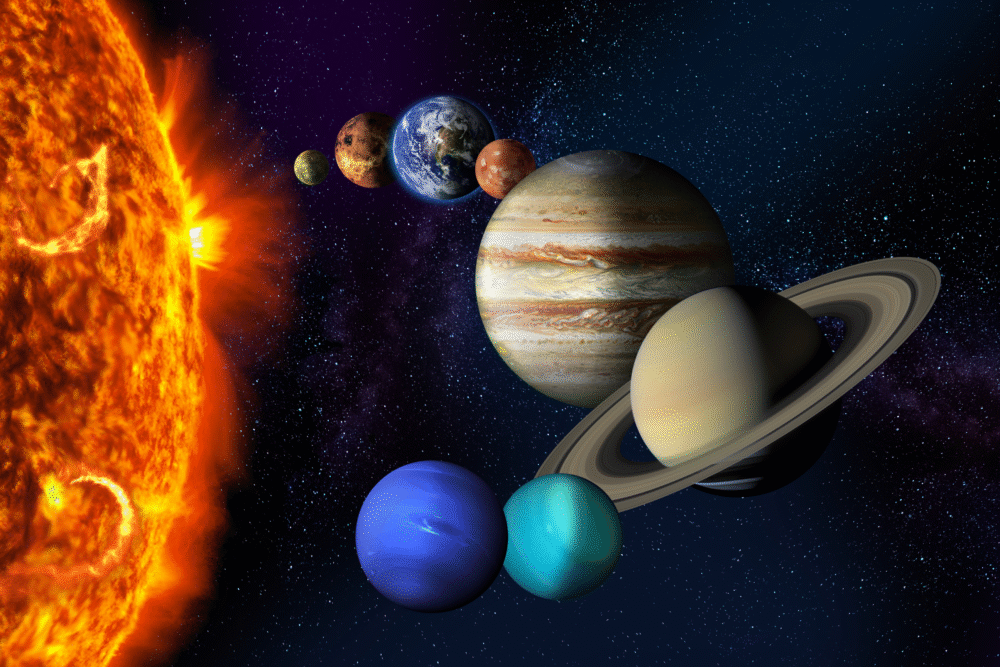
A Mysterious Rogue Object Once Warped Our Solar System — And It Could Return

Astronomers propose a massive cosmic interloper disrupted planetary orbits billions of years ago.

©Image license via Canva

A new scientific hypothesis suggests that billions of years ago, our Solar System may have been disrupted by a massive wandering object—possibly a rogue planet or small brown dwarf—that briefly passed through it. This gravitational encounter could explain why the planets don’t orbit in perfect circles and why the entire system appears slightly tilted. Researchers used extensive computer simulations to test the idea, revealing that even a quick flyby could permanently alter planetary paths. While still theoretical, the model offers a compelling new explanation for the Solar System’s unusual structure.

Read more

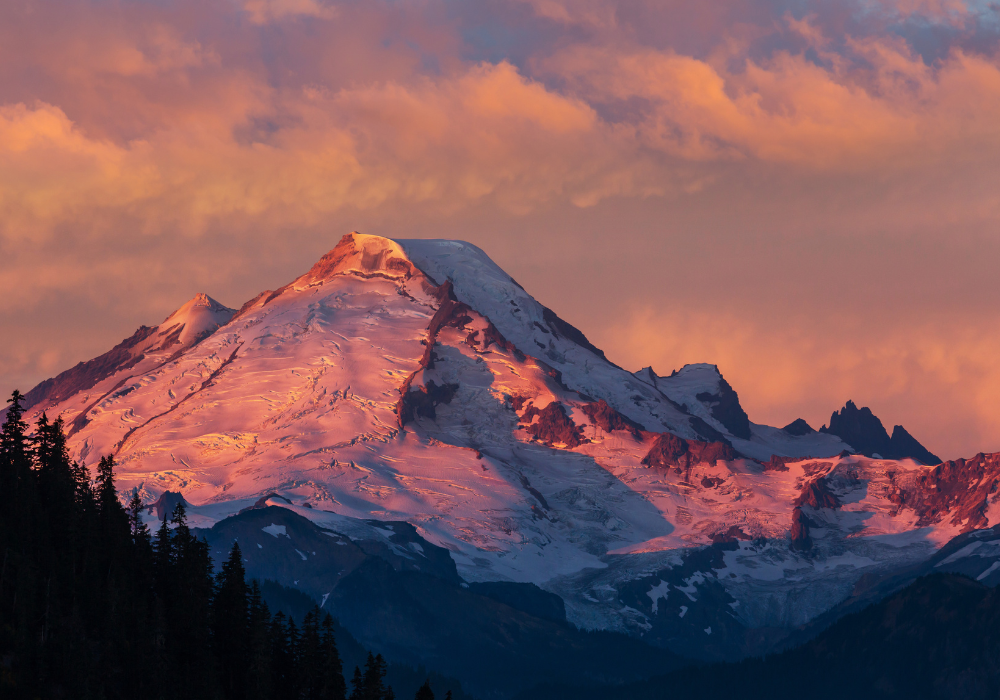
Mount Rainier Is Shrinking — And Scientists Say the Summit Will Never Look the Same

New measurements show Mount Rainier’s peak has dropped dramatically as its ice melts.

©Image license via Canva

Scientists have confirmed that Mount Rainier is shrinking as rising temperatures melt the massive ice dome that once capped its summit. A new study shows the peak has lowered significantly in recent years, revealing bare rock where thick ice and snow once sat year-round. The findings highlight how quickly climate change is reshaping one of America’s most iconic mountains. Researchers say this shift is permanent, and the summit will continue to transform as glaciers retreat. The changes are already altering climbing routes, landscapes, and long-term stability around the peak.

Read more

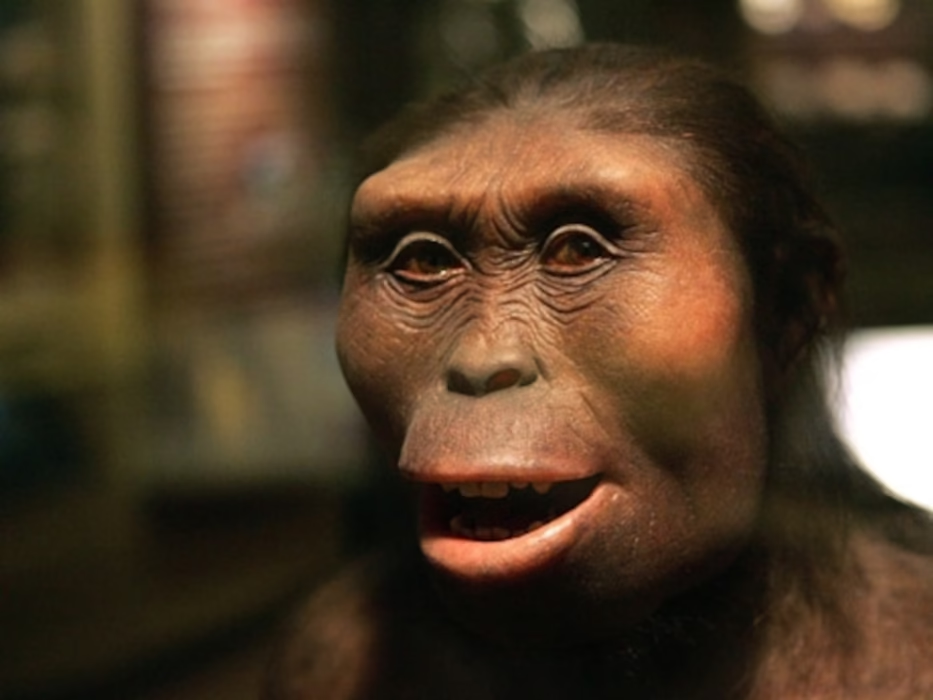
Scientists Just Found a Human Ancestor Even Older Than ‘Lucy’ — Living Right Next Door

Scientists Just Found a Human Ancestor Even Older Than Lucy — Living Right Next Door

©Image license via National Geographic

A new analysis of fossils from Ethiopia suggests Lucy’s species, Australopithecus afarensis, was not the only ancient hominin living in the region 3.5 million years ago. Scientists say these remains belong to Australopithecus deyiremeda, an even older human ancestor that overlapped with Lucy in both time and geography. The discovery challenges long-held beliefs that Lucy’s species dominated the area uncontested. Instead, early human evolution may have involved several closely related species living side by side, reshaping our understanding of how the human family tree developed.

Read more

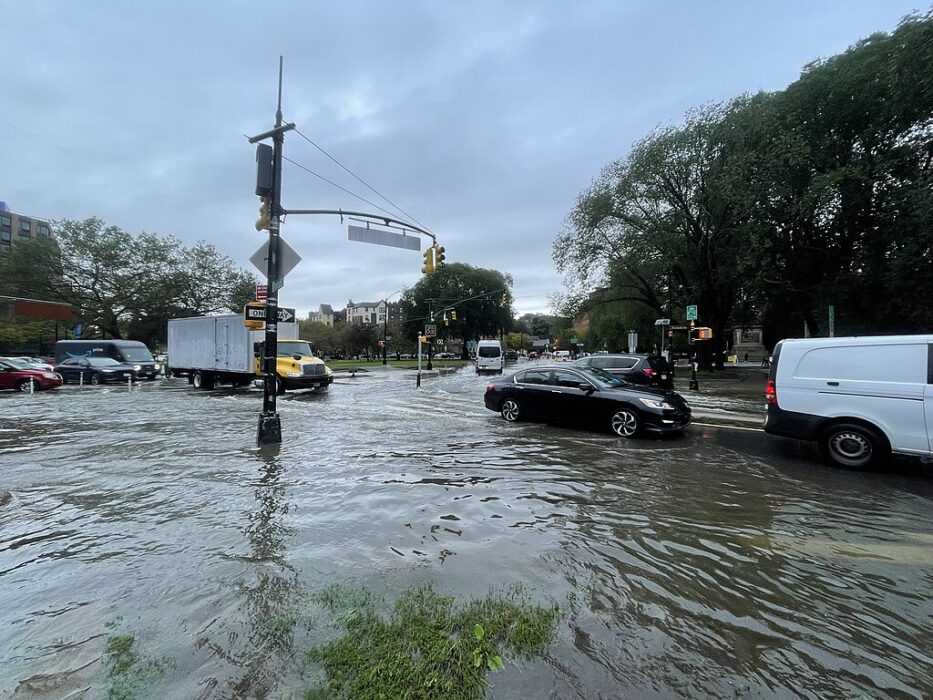
New York’s Worst-Case Flood Scenario Just Became Real

New modeling shows how a major hurricane could flood huge sections of New York City.

©Image license via Wikimedia Commons

New data and storm-surge modeling reveal how a powerful hurricane could push devastating amounts of water into New York City, overwhelming neighborhoods far beyond current flood zones. The New York Times analysis shows that with the right storm track, winds, tides and rising seas, parts of Manhattan, Brooklyn, Queens and the Bronx could see deep, fast-moving floodwaters. These findings highlight areas where millions live and work, raising urgent questions about infrastructure, evacuation plans and how prepared the city truly is for a future climate-driven disaster.

Read more