Stonehenge’s Heaviest Stone Traveled 465 Miles — and We Still Don’t Know How

A new study uncovers stunning clues about Stonehenge’s most mysterious boulder.
©Image license via Canva

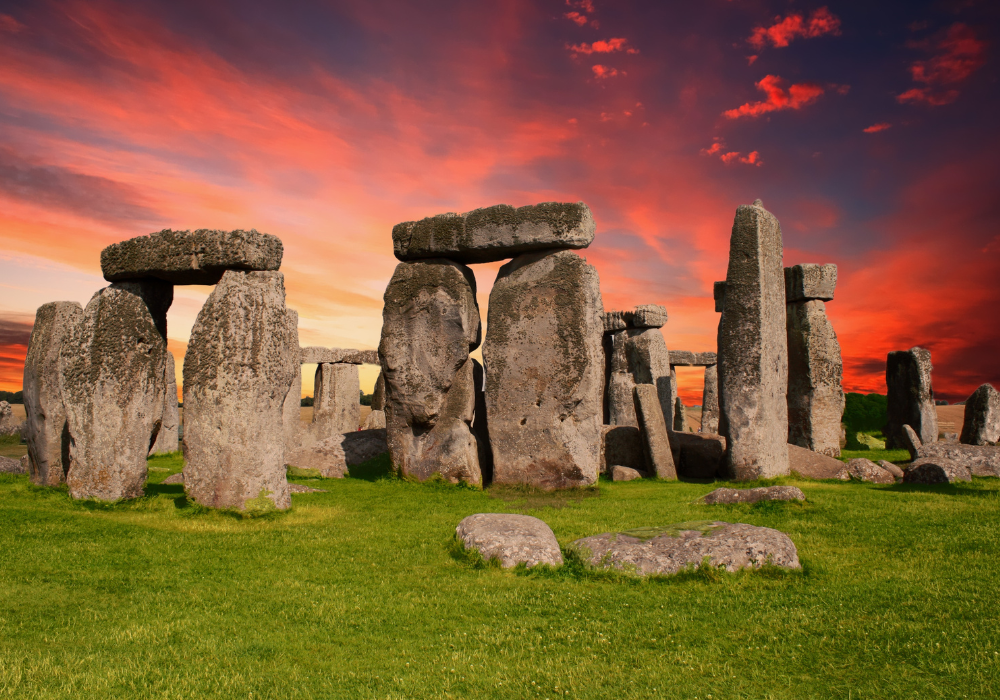
New research suggests Stonehenge’s massive Altar Stone didn’t come from Wales, as long believed, but from far to the north—possibly near Scotland’s Grampian Mountains. This discovery means Neolithic Britons may have transported the six-ton slab an astonishing 465 miles before it reached Salisbury Plain. The finding overturns decades of assumptions and raises new questions about prehistoric engineering, mobility, and ritual significance. While the exact route and method remain unknown, the study reveals Stonehenge’s story is even more complex and mysterious than archaeologists once imagined.


Read more

The Sun Is Acting Weird — What That Means for Satellites, Power Grids, and Us

The Sun Is Acting Weird — What That Means for Satellites, Power Grids, and Us

©Image license via Canva

Scientists tracking the Sun say it’s becoming increasingly active as it heads toward the peak of its current solar cycle. This means more solar flares, more eruptions, and a greater chance of energetic particles reaching Earth. While this activity isn’t unusual, it can affect satellites, GPS signals, communications, and even parts of the power grid. Researchers are closely monitoring the Sun’s changing behavior to predict what might happen during upcoming peaks. Understanding the Sun’s patterns helps prepare for the technology impacts that sometimes come with its natural cycles.

Read more

Ultra-Processed Foods Are Harming Every Organ in Your Body, Experts Warn

New evidence suggests these foods can disrupt your biology in ways scientists are only beginning to understand.

©Image license via Canva

Ultra-processed foods may be doing far more damage to the human body than previously believed. According to a comprehensive new review, these products don’t just contribute to weight gain—they affect every major organ system, including the brain, heart, liver, gut, hormones, and immune defenses. Researchers found over 45 distinct health pathways linked to ultra-processed foods, revealing that their additives, refined ingredients, and chemical modifications can alter biological function. Scientists now argue that the issue isn’t just poor nutrition but the way these foods fundamentally rewire how the body operates.

Read more

What New Investigations Reveal About ExxonMobil’s Worldwide Environmental Impact

Recent reports and investigations shed new light on ExxonMobil’s global environmental footprint.

©Image license via Wikimedia Commons

Recent investigations and legal actions are drawing new attention to ExxonMobil’s global environmental impact. Several state attorneys general, including New York and Massachusetts, have brought high-profile cases examining whether the company misled investors about climate-related financial risks. California has filed a lawsuit alleging the company contributed to plastic pollution, while federal agencies continue reviewing emissions and environmental compliance at major facilities. These inquiries, along with academic analyses of historical internal documents, offer a clearer picture of how one of the world’s largest energy companies affects the environment.

Read more

Scientists Discover a Compound That Could Turn Back the Clock on Your Immune System

A natural compound linked to gut bacteria may help rejuvenate aging immune cells, scientists say.

©Image license via Planet Sage/Chat GPT

Scientists have identified a natural compound called urolithin A that may help reverse signs of immune aging, offering a promising new path for keeping the body’s defenses strong as we get older. The compound, which forms in the gut when certain foods are digested, appears to restore energy and function in T cells that weaken with age. While research is still early, the findings suggest it may be possible to “recharge” older immune cells and help the body respond better to infections, vaccines, and disease.

Read more

12 Surprising Historical Facts About Jesus Most People Don’t Know

Archaeology and ancient records shed new light on the real world Jesus lived in.

©Image license via Wikimedia Commons

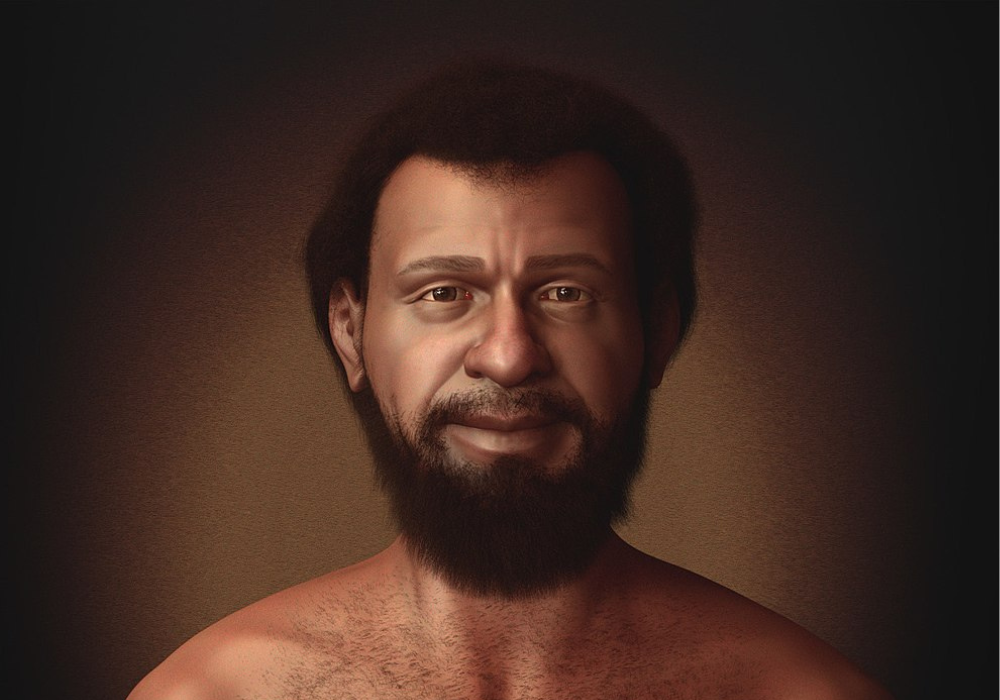
Historians and archaeologists continue uncovering new details about the world Jesus lived in, offering a clearer picture of life in first-century Judea. These discoveries come from Roman writings, ancient Jewish sources, archaeological digs, linguistic studies, and cultural research—not only from the Bible. Together, they show that Jesus lived during a turbulent political era, spoke multiple languages, interacted with diverse cultures, and moved through a society shaped by Roman rule. These historically verified insights reveal a more vivid and context-rich understanding of Jesus and the world he inhabited.

Read more

The Mystery of Venus’s 220-mph Winds: Scientists May Have Finally Cracked the Code

A new study reveals how tiny atmospheric ripples may power the planet’s runaway jet streams.

©Image license via Canva

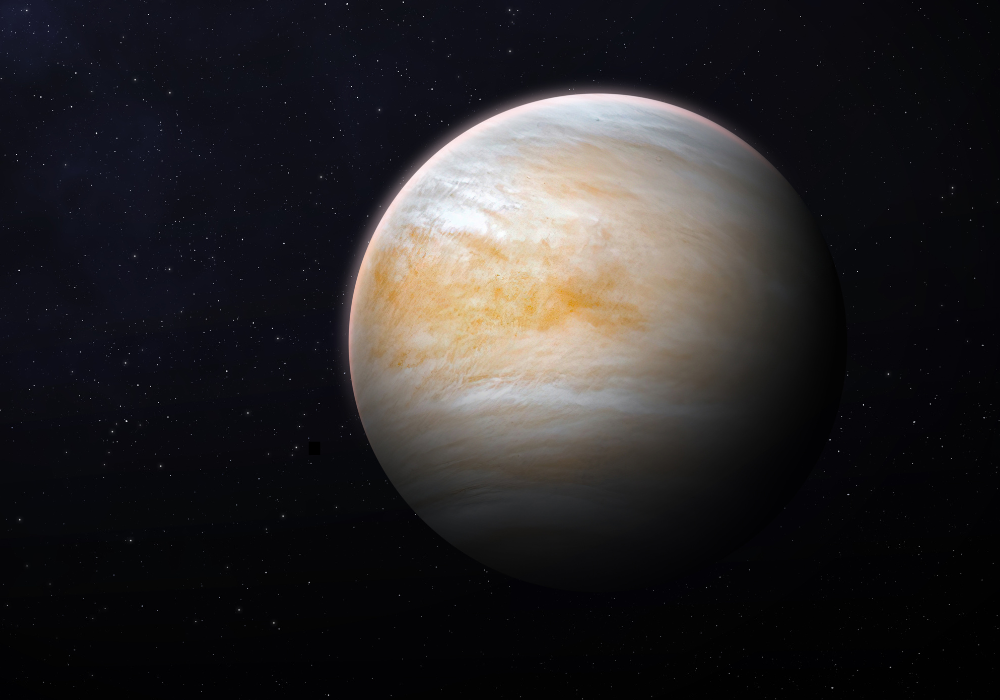
Venus has baffled scientists for decades with its monstrous 220-mph winds—fast enough to circle the entire planet in just four days. These super-rotating winds move far faster than Venus itself spins, raising a long-standing question: what keeps them going? According to new research, the answer may lie in small, previously overlooked atmospheric waves that transfer energy upward and help sustain these extreme jet streams. The findings bring scientists closer to understanding not only Venus’s chaotic weather, but also how atmospheric physics works on other planets, including Earth.

Read more

James Webb Telescope Spots a Monster Black Hole From the Dawn of the Universe

Scientists say Webb may have spotted the earliest and most distant supermassive black hole ever found.

©Image license via Wikimedia Commons

Astronomers using the James Webb Space Telescope may have discovered the most ancient supermassive black hole ever observed—a cosmic giant that existed just 350 million years after the Big Bang. The black hole appears to sit inside a young galaxy called GHZ2, which shines from a time when the universe was still forming its very first stars. If confirmed, the discovery could help explain how such enormous black holes grew so quickly in the early universe and challenge long-standing theories about the birth of cosmic structures.

Read more

Ancient Life Frozen for 40,000 Years Woke Up in Alaska — Then Everything Changed

Scientists uncovered 40,000-year-old microbes in Alaska that began transforming the soil within months.

©Image license via Planet Sage/Chat GPT

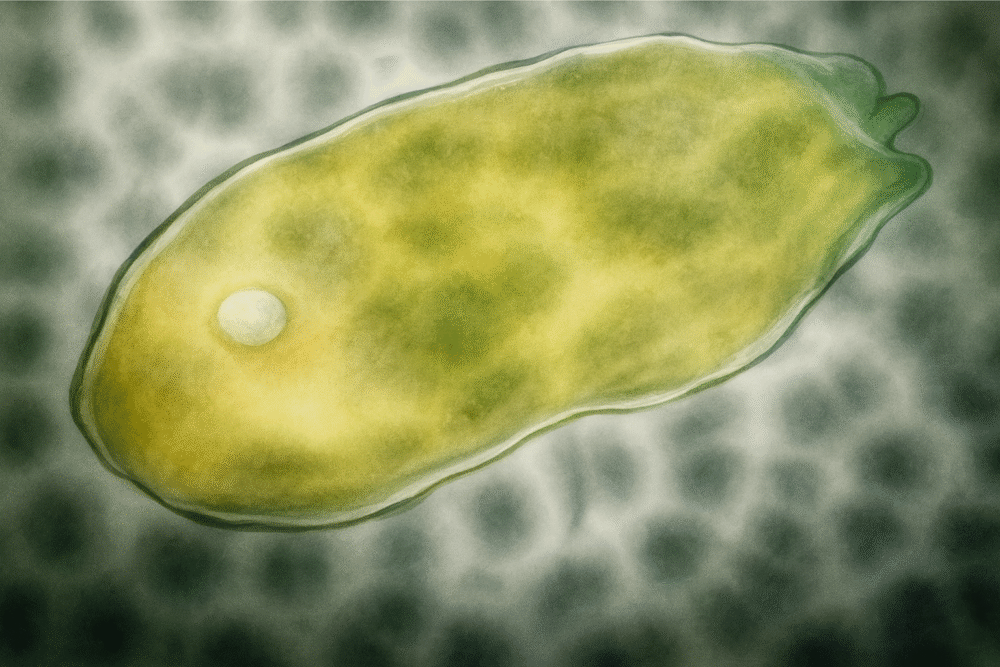
When researchers thawed a sample of ancient Alaskan permafrost, they discovered something astonishing: microorganisms that had been frozen for 40,000 years suddenly came back to life. Within six months, the revived microbes began changing the soil around them, breaking down carbon and releasing gases far faster than expected. Scientists say the discovery highlights how thawing permafrost can awaken ancient life with surprising effects on ecosystems and climate. The findings raise new questions about what else could emerge as Arctic regions continue to warm at unprecedented rates.

Read more

Greta Thunberg Banned From Venice After Activists Dye Grand Canal Bright Green

Venice officials bar Greta Thunberg after a dye-filled climate protest halted movement on the Grand Canal.

©Image license via Wikimedia Commons

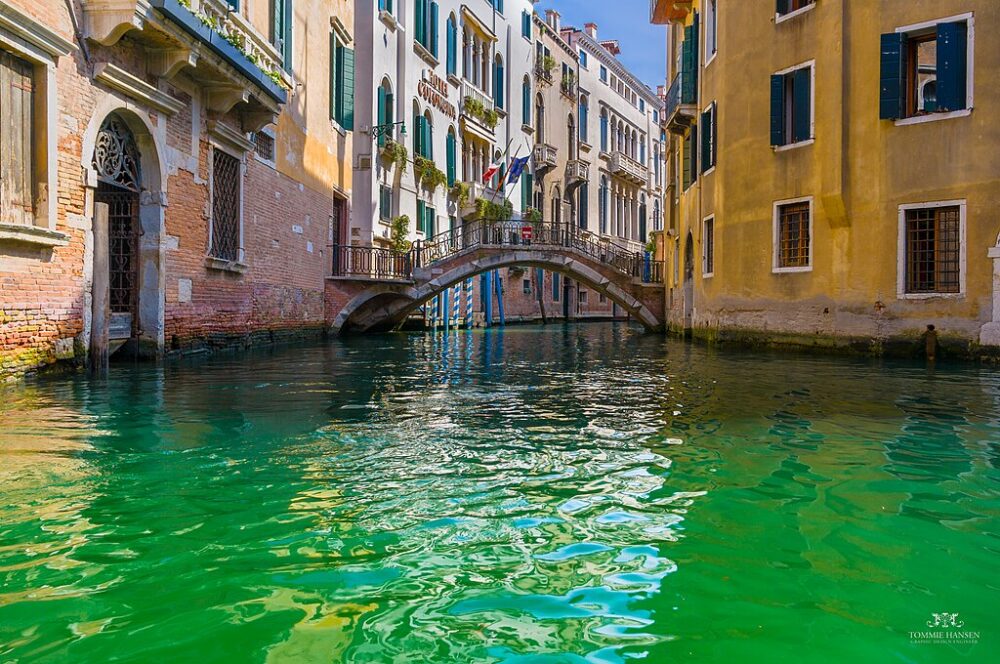
Venice officials have banned climate activist Greta Thunberg from entering the city for three years after a high-profile demonstration turned the Grand Canal bright green. The protest, carried out by activists using a fluorescent, biodegradable dye, stopped boat traffic and prompted an immediate police response. Authorities say Thunberg helped organize the action, which they argue created public safety risks on one of the world’s busiest waterways. The ban has sparked debate across Italy over climate activism, public order, and how far cities can go to restrict disruptive protests.

Read more