
Health experts are raising alarms as a once-controlled disease resurges in several countries with no known cure.
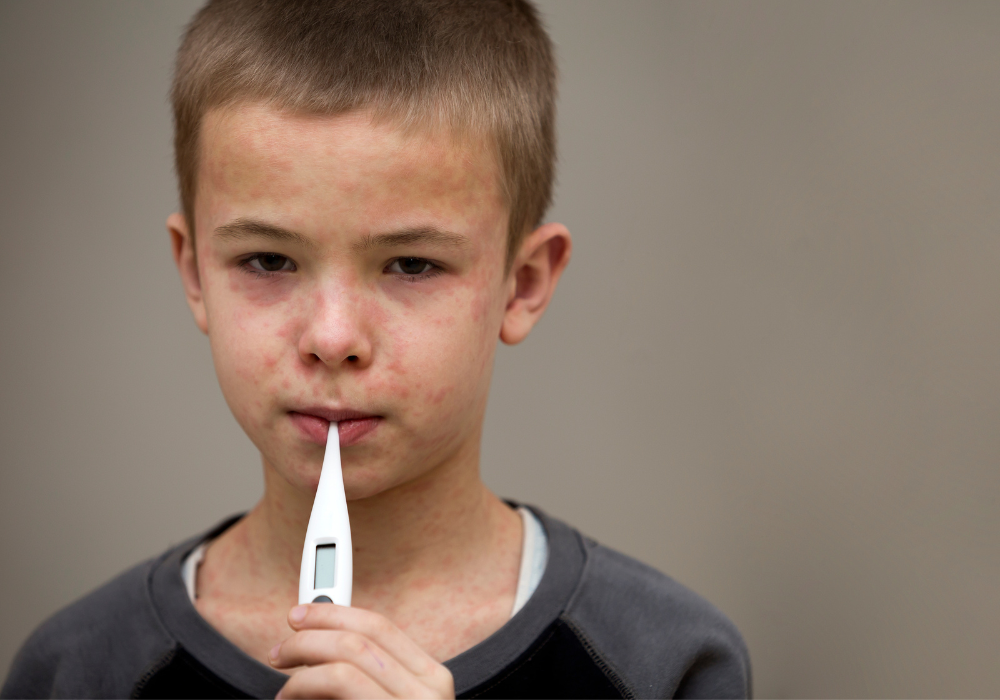
Scientists are sounding the alarm after a once-declining disease suddenly began spreading again in multiple parts of the world. Although measles is preventable through vaccination, the illness has no cure once contracted—and rising infection rates are now prompting renewed concern among global health officials. Many experts say the resurgence is tied to falling vaccination rates, delayed childhood immunizations, and worsening misinformation. As countries scramble to contain outbreaks, the situation reveals how quickly a nearly eliminated disease can return when immunity gaps widen.
1. A Once-Rare Disease Is Surging Back Unexpectedly
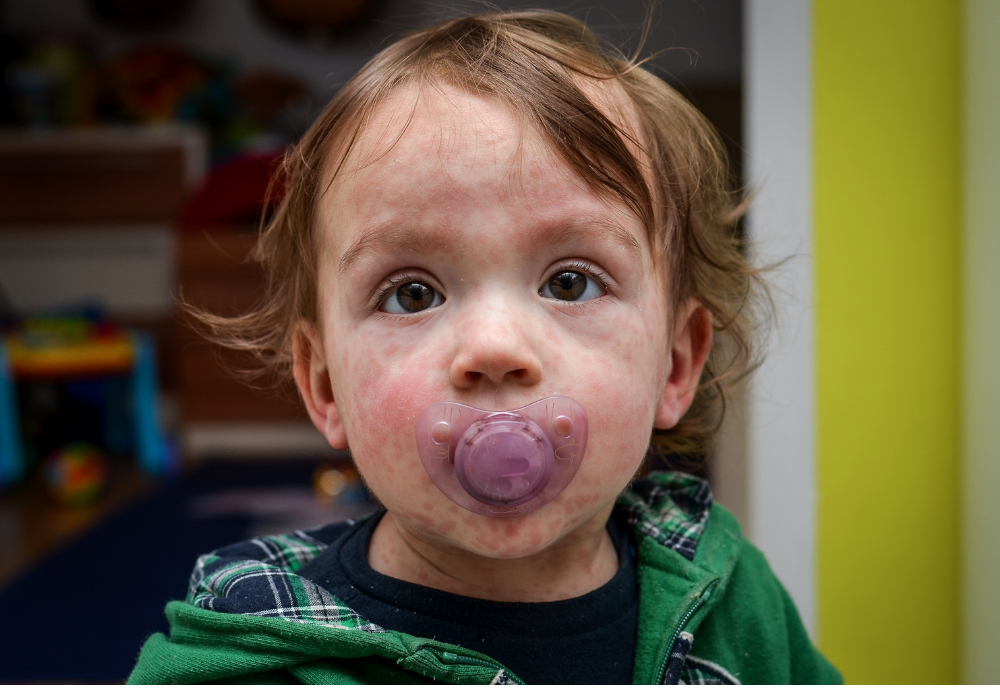
Health agencies have reported a sharp rise in measles cases after years of steady decline. Countries that once had the disease under tight control are now seeing new outbreaks, surprising both officials and families who believed the illness was largely a thing of the past. The sudden increase highlights how vulnerable communities can become when vaccination rates drop.
While measles is often viewed as a routine childhood illness, it can lead to severe complications. Doctors are especially concerned because even small immunity gaps can trigger rapid community spread, making early prevention essential.
2. Measles Still Has No Cure—Only Prevention
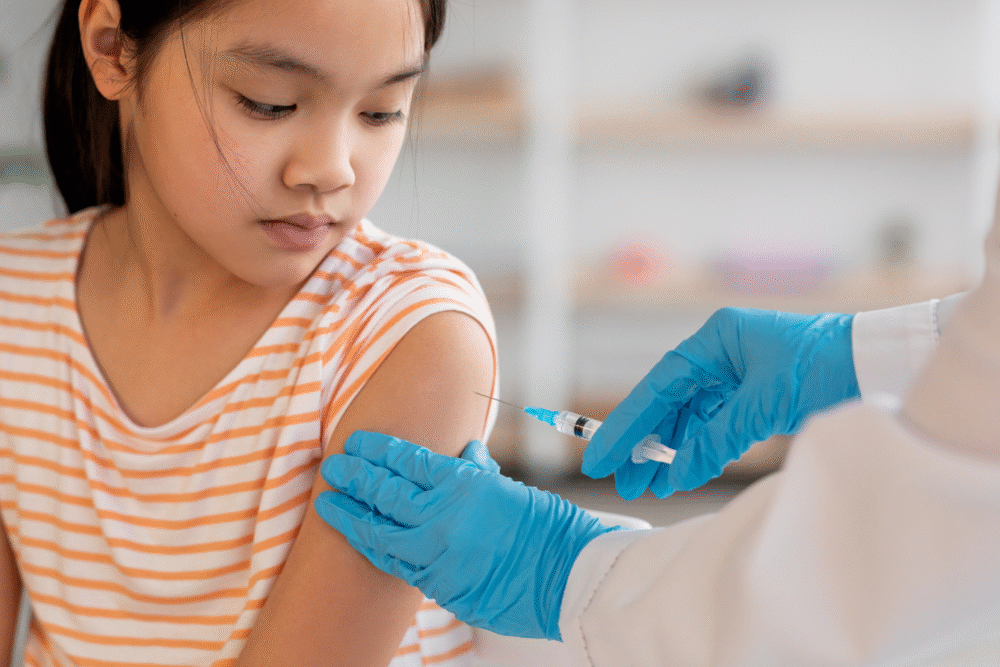
Despite medical advances, there is no treatment that eliminates measles once someone becomes infected. Care focuses on easing symptoms and preventing complications, which is why vaccination remains the most effective line of defense. The highly contagious nature of the virus makes this lack of curative treatment even more concerning.
Because measles can spread before symptoms appear, outbreaks are difficult to contain once they begin. Experts warn that relying on post-exposure care isn’t enough and that prevention through widespread immunization is the only reliable way to protect communities.
3. Falling Vaccination Rates Are a Major Driver
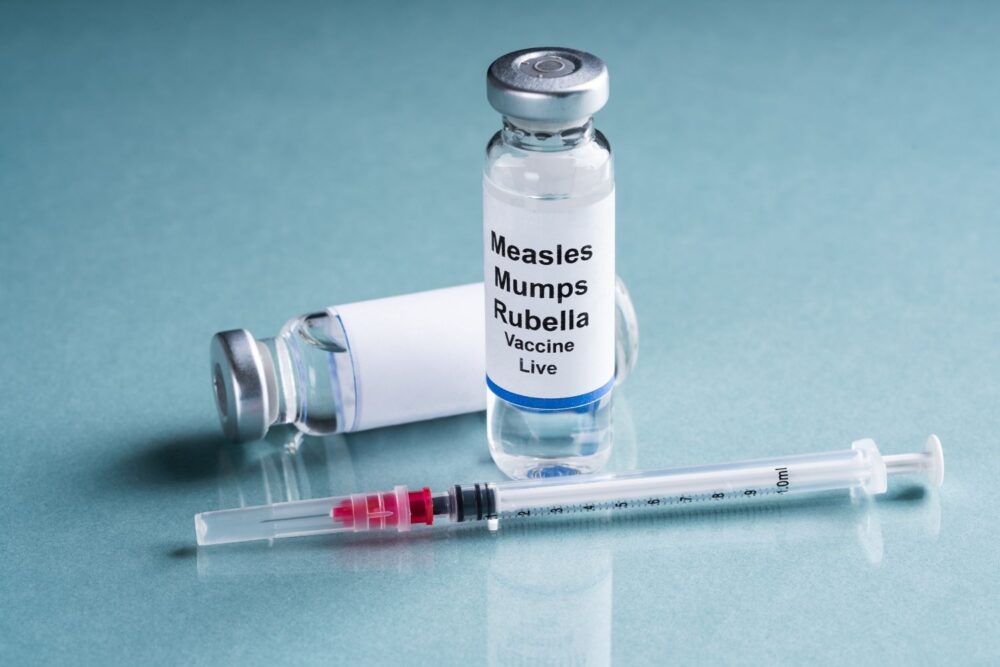
Experts say declining vaccination rates are the biggest factor behind the resurgence. In some regions, immunization efforts stalled during the pandemic, leaving millions of children without routine shots. Other areas are grappling with vaccine misinformation, causing hesitant parents to delay or skip appointments.
This growing immunity gap creates ideal conditions for outbreaks. Measles spreads so easily that even small dips in vaccination coverage can allow the virus to take hold. Health officials warn that reversing this trend is critical to preventing larger surges.
4. Young Children Are Among the Most Vulnerable

Infants and toddlers face the greatest risk from measles because their immune systems are still developing. Many children affected by recent outbreaks were too young to receive their first vaccine dose, putting them at increased risk if the virus spreads in their community.
Doctors emphasize that early symptoms can escalate quickly in young children, leading to complications such as pneumonia or dangerous dehydration. Ensuring that older children and adults are vaccinated helps create a protective barrier around those who are too young to receive the shot.
5. The Virus Spreads Faster Than Most People Realize
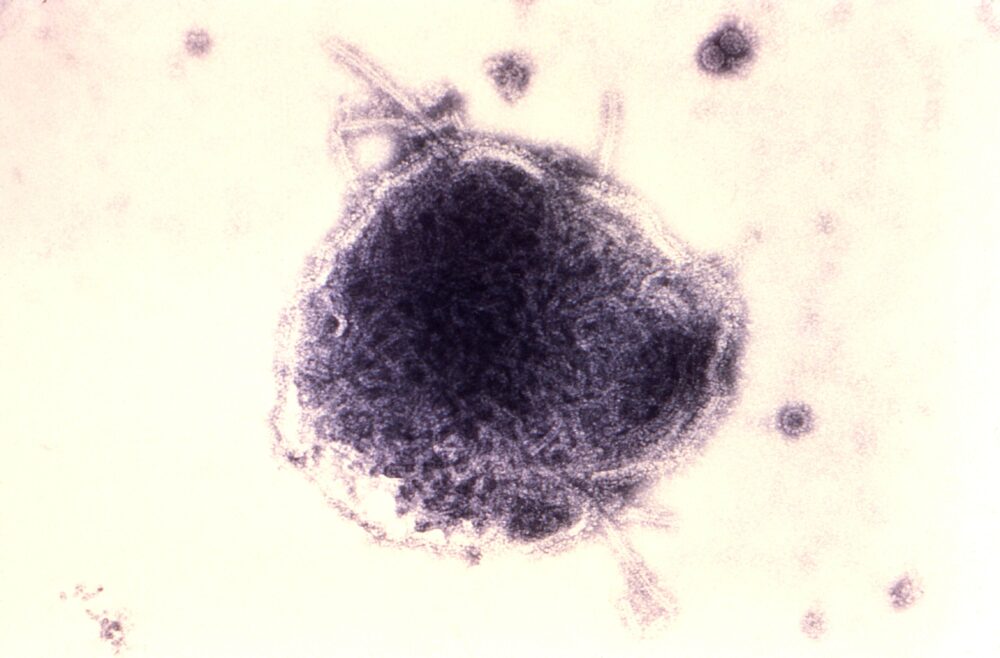
Measles is one of the most contagious viruses known, capable of spreading through the air long after an infected person has left a room. This airborne transmission makes it far more infectious than illnesses like the flu or COVID-19, allowing it to move rapidly through unprotected communities.
Because symptoms often take more than a week to appear, people may unknowingly infect others before realizing they’re sick. This stealthy spread pattern is one reason health experts view rising case numbers with such urgency.
6. International Travel Is Fueling New Outbreaks
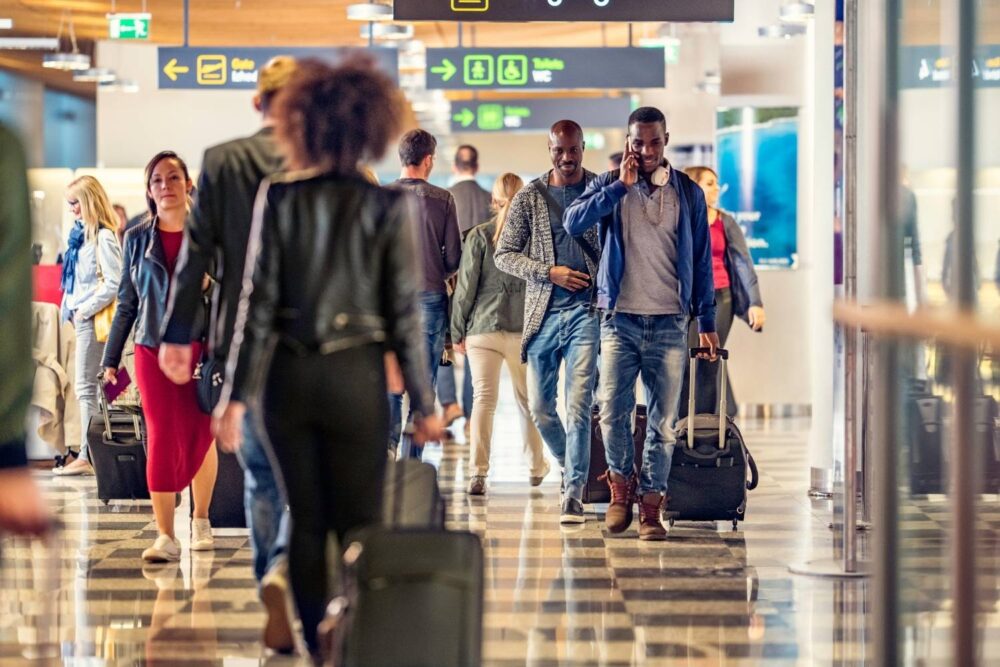
As global travel rebounds, infectious diseases are once again crossing borders more easily. Public health data shows many recent outbreaks were sparked by travelers who contracted measles abroad and returned home before symptoms began.
With measles circulating at higher levels in some countries, even a single imported case can trigger a local outbreak if vaccination rates are low. Officials are now urging travelers to ensure their vaccinations are up-to-date before going overseas.
7. Hospitals Are Seeing More Severe Cases
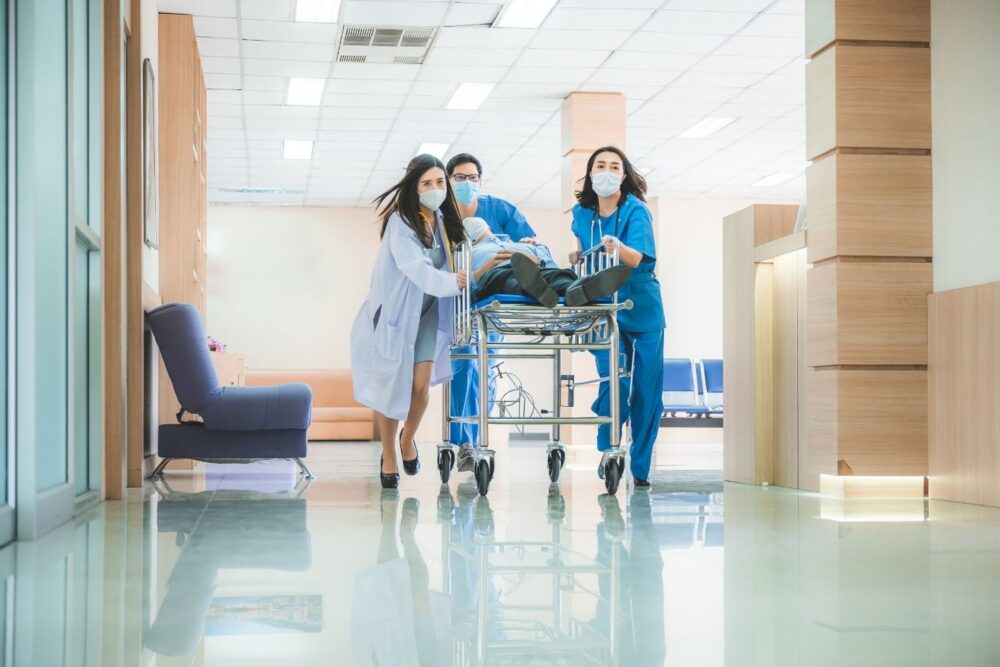
Doctors in several regions have reported a rise in hospitalizations linked to measles complications. Although most people recover with rest and care, some patients—especially young children and immunocompromised individuals—require medical intervention.
Severe cases can involve dehydration, respiratory problems, and in rare instances, swelling of the brain. As outbreaks grow, emergency departments worry about additional strain on already busy pediatric units, especially during peak viral seasons.
8. Delayed Childhood Vaccines Are Catching Up With Us
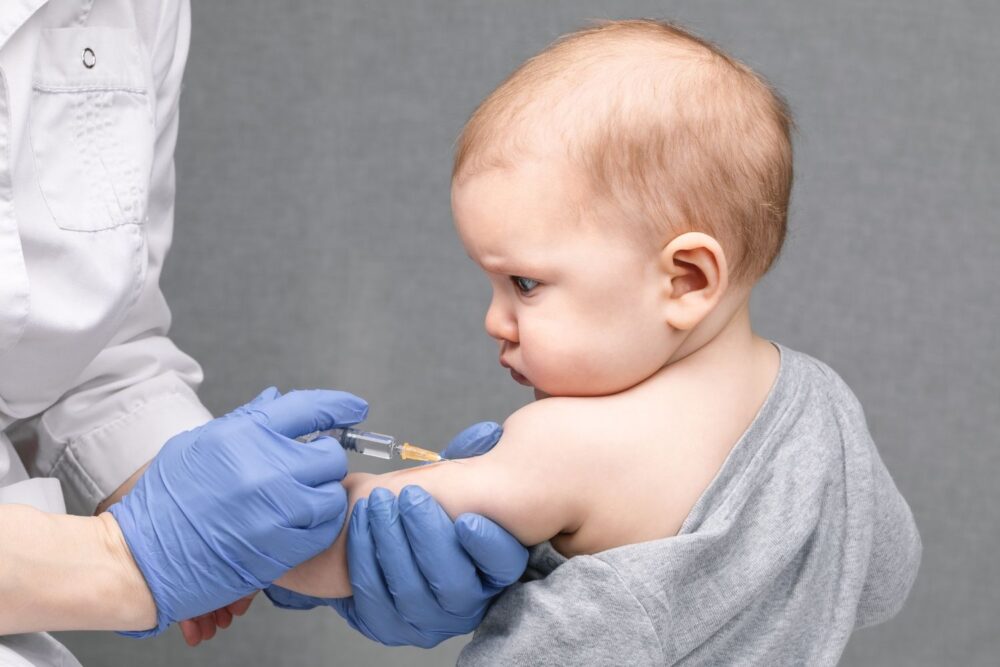
During the pandemic, many families postponed routine doctor visits, leaving millions of children worldwide behind on essential vaccines. Public health officials say this backlog has created a dangerous vulnerability that is now becoming visible.
Efforts are underway to help families catch up, but rebuilding high vaccination coverage takes time. Experts warn that until this gap closes, outbreaks may continue popping up in communities that were once well protected.
9. Misinformation Is Making the Problem Worse

Health agencies note that false claims circulating online have fueled vaccine hesitancy, particularly among new parents. While the measles vaccine has decades of proven safety data, misleading posts and viral rumors have caused confusion and distrust.
This wave of misinformation has made it harder for health workers to rebuild confidence and encourage families to vaccinate. Experts stress that combating false claims is now a crucial part of preventing future outbreaks.
10. Some Countries Are Reinstating Emergency Measures
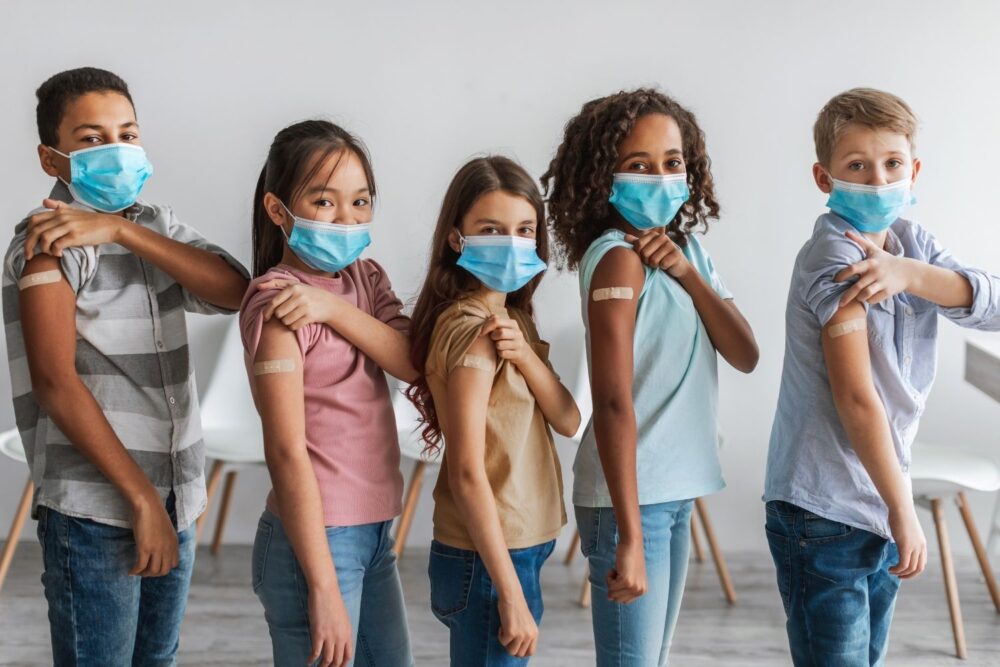
In areas with rapid case spikes, public health officials are restoring measures once used during earlier outbreaks. These include targeted vaccination campaigns, public alerts, and temporary school exclusions for unvaccinated students exposed to the virus.
Officials say these steps are necessary to stop transmission before it becomes widespread. Although the measures can be disruptive, they have proven effective in slowing the spread during previous surges.
11. The Global Health Community Is Issuing Urgent Warnings
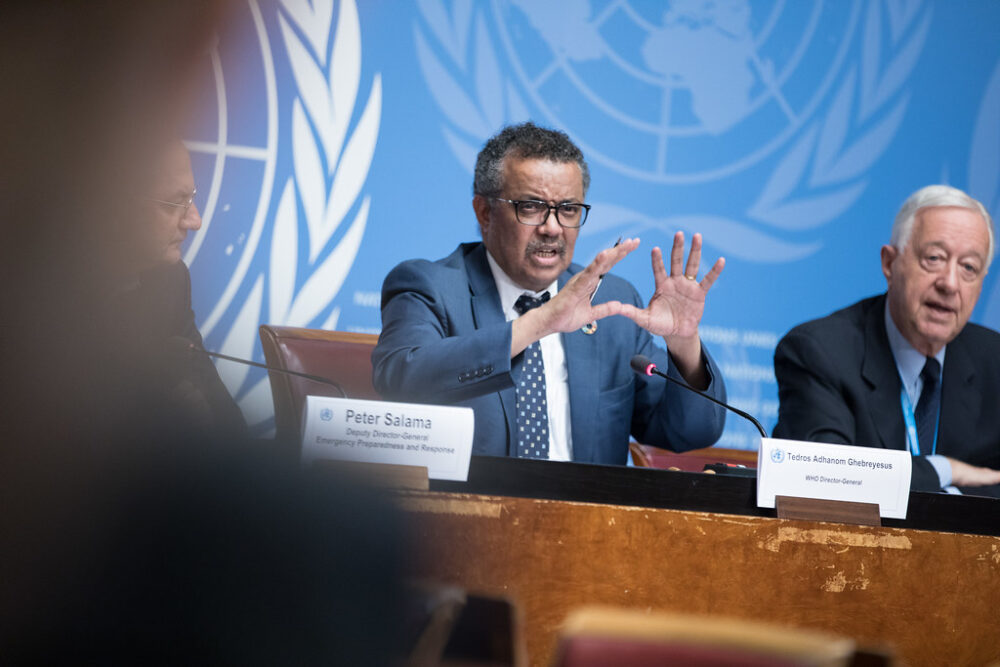
Organizations like the World Health Organization and CDC have warned that measles is a growing global threat. Recent data shows a significant increase in cases across multiple continents, signaling that the virus is gaining traction.
Experts emphasize that this trend is reversible—but only if immunization rates rebound quickly. Without stronger vaccination coverage, even regions that previously eliminated measles could face recurring outbreaks.
12. Health Officials Say There’s Still Time to Turn the Tide

Despite rising cases, experts remain hopeful. Vaccination is highly effective, and communities that ramp up immunization efforts can halt outbreaks quickly. Public health campaigns are focusing on making vaccines more accessible and educating families about their safety.
For now, officials are urging people to check their vaccination status and schedule missing doses. With coordinated action, they say it’s possible to reverse the current surge and prevent future ones, protecting the most vulnerable among us.