
How much wolf is hiding in your dog? A sweeping DNA study suggests the answer may surprise you.
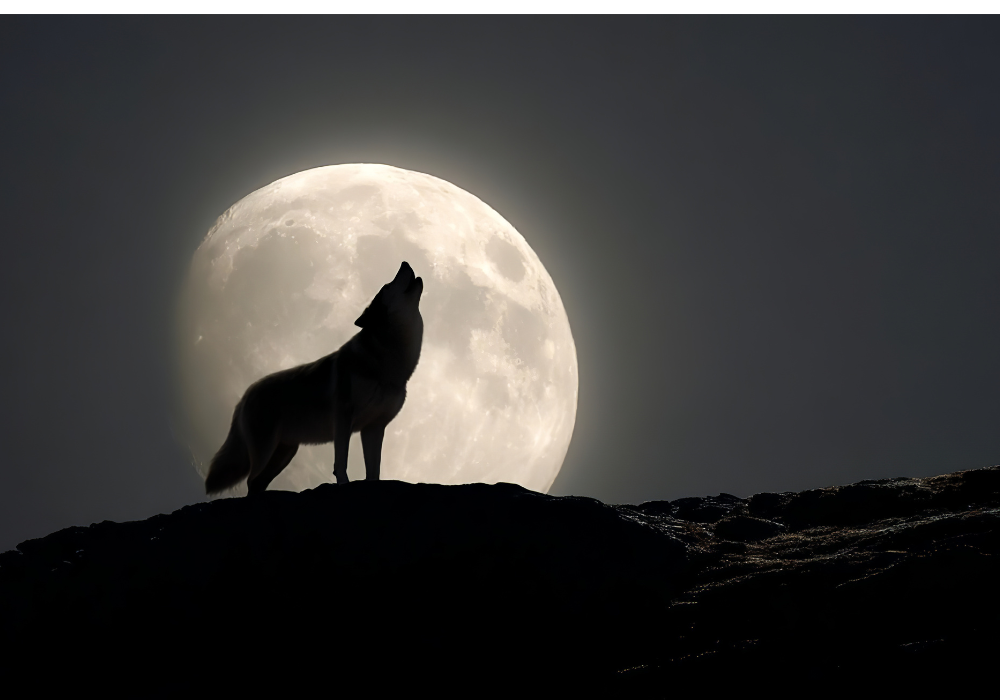
A new genetic study from Purdue University, analyzing nearly 3,000 dogs from 226 breeds, has revealed a surprising truth: many modern dogs still carry traces of ancient wolf DNA. The research, which examined tiny fragments of the genome known as “ultraconserved elements,” shows that wolf ancestry persists across a wide range of breeds — even in small, fluffy companions. Scientists say these findings offer a fresh look at how deeply dogs’ evolutionary history is embedded in their DNA, long after they diverged from wolves thousands of years ago.
1. Researchers Found Wolf DNA Hidden Across Many Dog Breeds
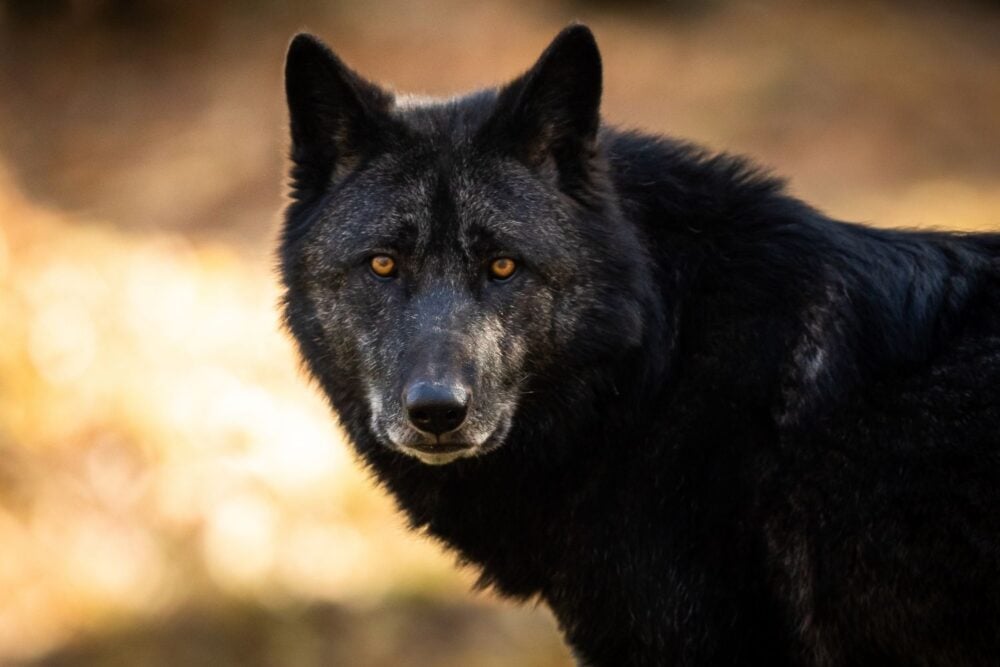
The study uncovered that a large percentage of today’s dog breeds contain small, but meaningful, traces of wolf ancestry in their genomes. These genetic remnants don’t make domestic dogs behave like wolves, but they do reveal how closely linked the two species once were.
Scientists found these fragments consistently across both ancient breeds and modern favorites. Even dogs with no visual resemblance to wolves carried them, suggesting this shared DNA is far more widespread than previously assumed.
2. The Team Analyzed Nearly 3,000 Dogs From Around the World

To get such a comprehensive picture, researchers gathered DNA from almost 3,000 individual dogs representing 226 breeds worldwide. This included everything from tiny toy breeds to large working dogs, spanning a broad genetic spectrum.
By comparing these samples using advanced sequencing tools, they were able to pinpoint DNA segments with striking similarities to wolves. This massive dataset made the findings more robust and helped confirm that the wolf-linked sequences weren’t isolated to just a few breeds.
3. Scientists Looked at “Ultraconserved Elements” in the Genome

Instead of scanning entire genomes, the team focused on ultraconserved elements — rare stretches of DNA that remain highly stable across many species. These regions often play important roles in development and biological functions.
What surprised researchers was how strongly these conserved regions linked back to wolves in modern dogs. Because these sequences tend to stick around over long evolutionary periods, they offered a reliable window into how dogs and wolves diverged — and what still connects them.
4. Even Small Breeds Carry Traces of Their Wolf Past
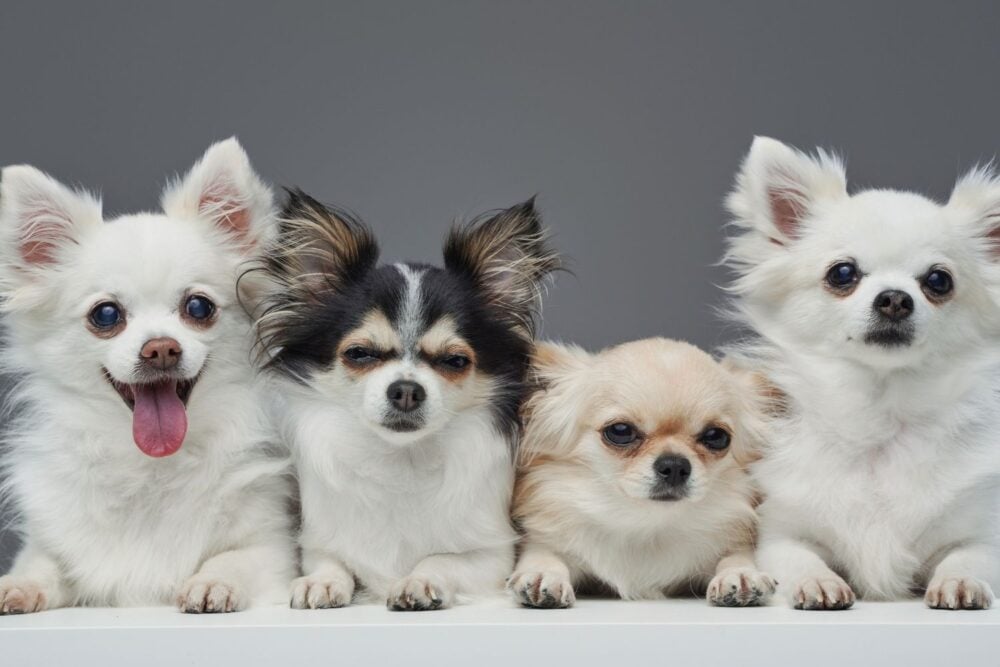
One of the most surprising findings was how widespread wolf DNA was among small or toy breeds. Even tiny dogs like Pomeranians or Chihuahuas carried distinct genetic markers that tie them to ancient wolves.
This shows that size and appearance don’t erase deep evolutionary history. While selective breeding has produced dramatic changes in looks and behavior, some genetic elements remain remarkably persistent across thousands of years of domestication.
5. The Findings Help Explain Dogs’ Shared Ancestry
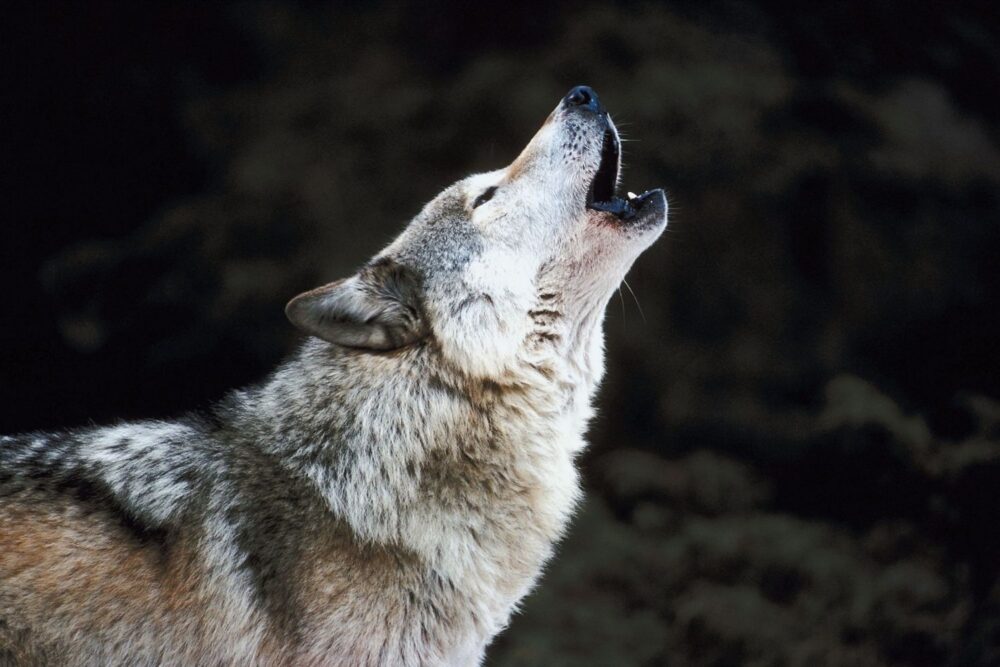
Dogs and wolves split from a common ancestor somewhere between 15,000 and 40,000 years ago, depending on which evolutionary model scientists use. The new genetic data supports the idea that early domesticated dogs still interbred with wild wolves even after diverging.
These findings help clarify why dogs share so many biological traits with wolves — and why certain instincts, like pack behavior or strong olfactory senses, remain so deeply rooted in both species.
6. Wolf DNA Doesn’t Make Dogs “More Wolf-Like”
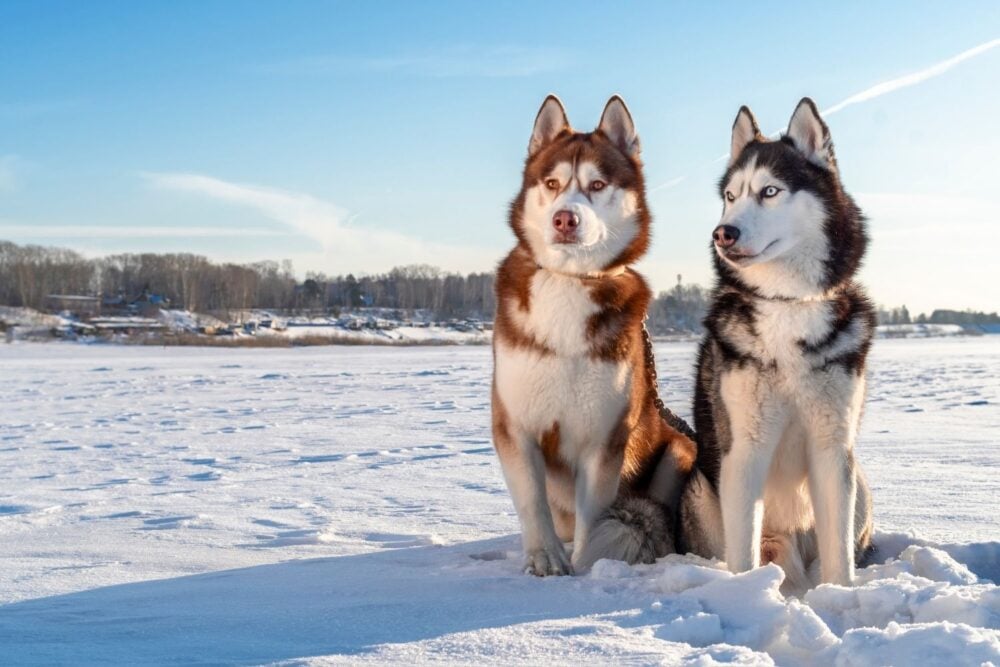
Although the study found wolf-linked DNA fragments in many dogs, researchers emphasize that these sequences don’t turn domestic pets into wolves. The fragments are tiny and often located in non-coding regions of the genome, meaning they don’t change behavior or appearance.
However, they offer meaningful clues about dogs’ early history. Rather than altering personality traits, these remnants serve as biological “breadcrumbs” connecting modern pets to their ancient relatives.
7. Dog Evolution Has Been Far More Complex Than Once Believed
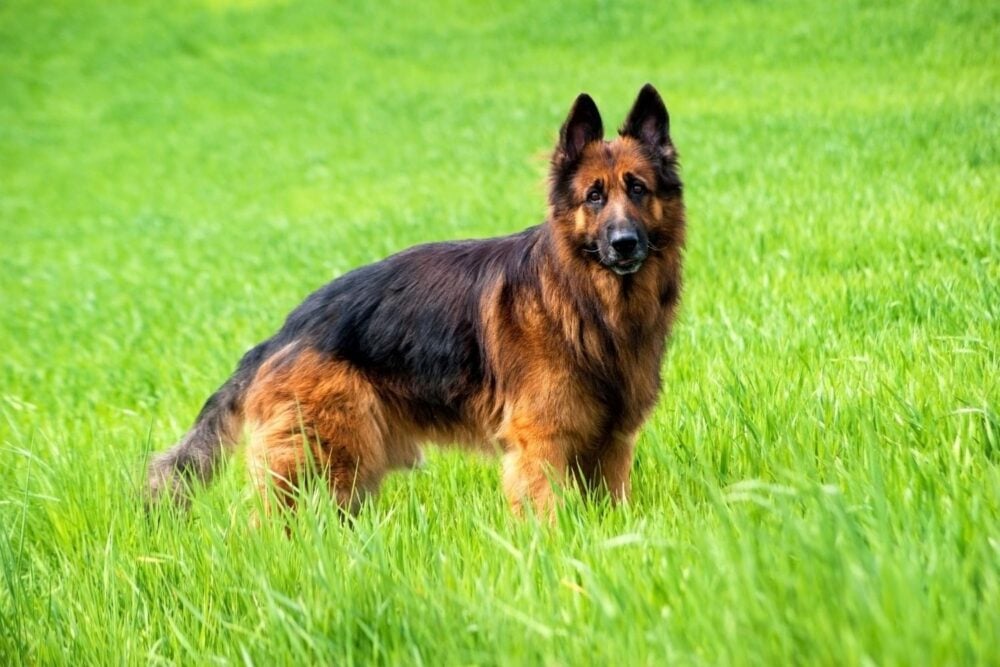
The presence of wolf DNA across breeds supports a growing scientific consensus: dog evolution wasn’t a simple, one-time domestication event. Instead, early dogs likely mingled with multiple wolf populations across different regions.
This created a genetic mosaic that shows up in modern dogs today. The study helps scientists better understand this tangled history, revealing that the domestication process was more fluid, gradual, and regionally varied than earlier theories suggested.
8. The Research May Help Identify Overlooked Genetic Functions

Ultraconserved elements are known to play important roles in animals, but many of their functions remain mysterious. Finding wolf-linked versions of these elements in dogs could help scientists uncover why certain traits persisted across evolution.
These insights may eventually contribute to veterinary medicine, improving our understanding of inherited conditions, immune responses, and key developmental processes that affect modern dog health.
9. Dog Breeds With Ancient Lineages Provide Unique Clues
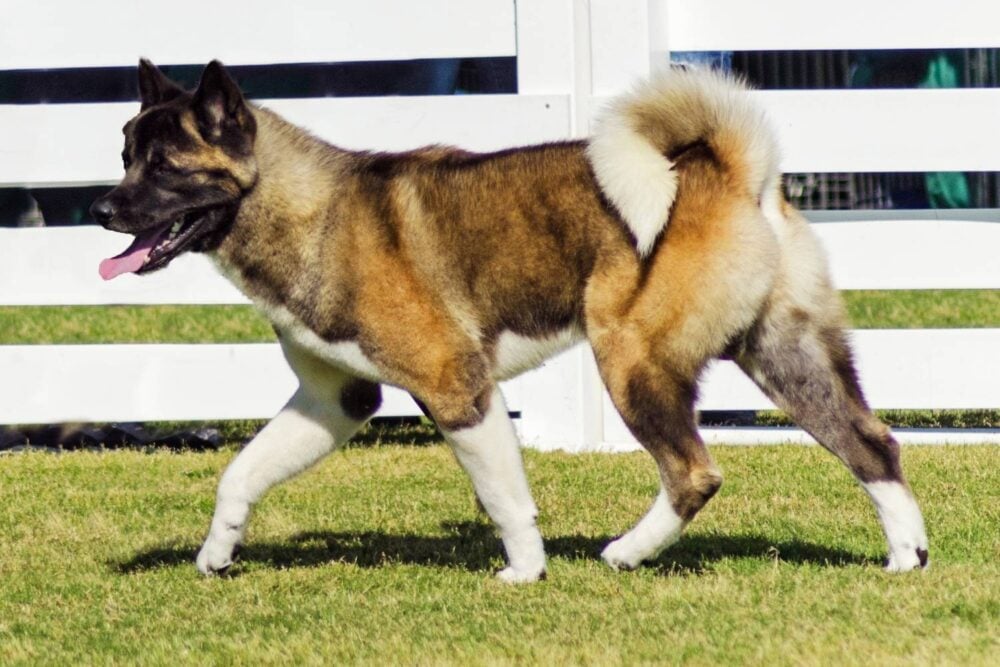
Breeds with long histories — such as Basenjis, Salukis, or Akitas — were especially informative because they carry fewer genetic changes introduced by modern breeding. These dogs helped researchers trace which DNA segments likely came from older wolf populations.
By comparing ancient and modern breeds, scientists were able to build a clearer picture of how early domesticated dogs inherited and maintained these wolf-linked genetic fragments over thousands of years.
10. The Study Reinforces How Deeply Connected Dogs and Wolves Are
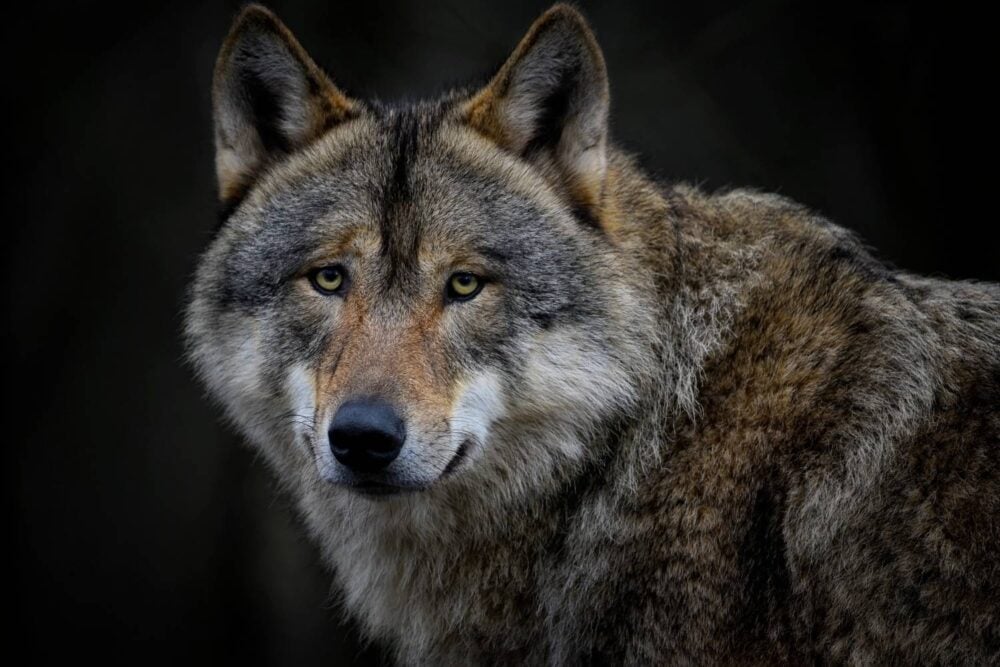
While domestication transformed wolves into the dogs we know today, this research shows that the species never fully separated genetically. Even as dogs developed new appearances, behaviors, and roles alongside humans, their DNA still carries echoes of their wild origins.
This connection doesn’t mean pets are “part wolf,” but it does highlight how shared ancestry continues to shape both species. The findings deepen our understanding of how dogs evolved — and why their bond with humans became so enduring.