
Archaeologists say Cahokia was a thriving urban center that rivaled London long before Europeans arrived.
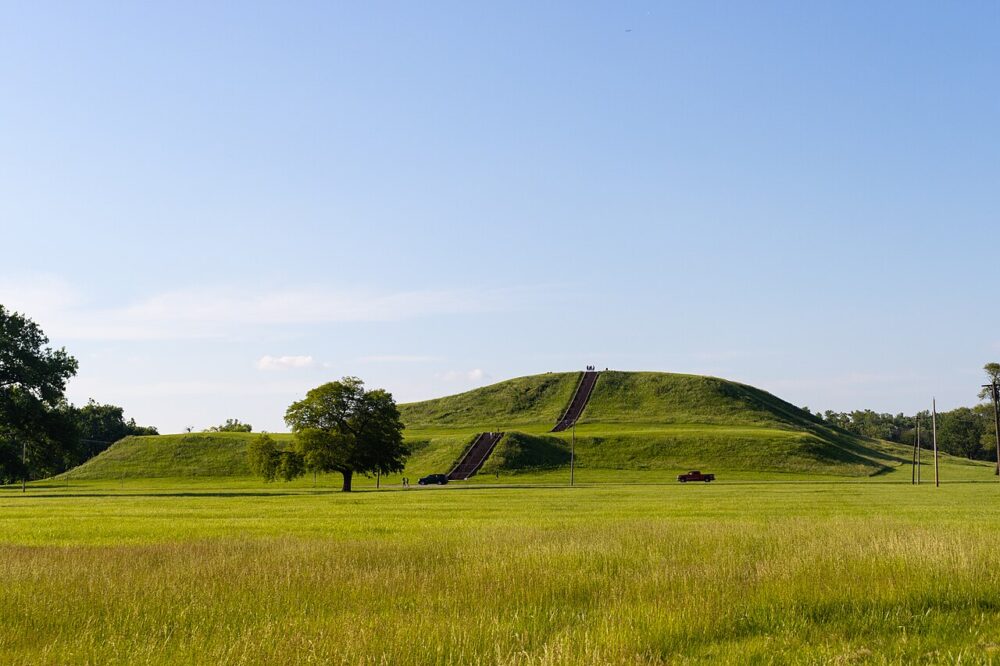
Archaeologists are shedding new light on Cahokia, a massive Native American city that thrived near present-day St. Louis a thousand years ago. At its height, Cahokia rivaled medieval London in size, influence, and complexity—yet most people have never heard of it. New findings show it was a bustling urban center with towering earthen mounds, vast plazas, neighborhoods, and a sophisticated society that reshapes what we thought we knew about early North America. Experts say its rise and fall reveal surprising truths about Indigenous innovation long before European contact.
1. Cahokia Was Once the Largest City North of Mexico
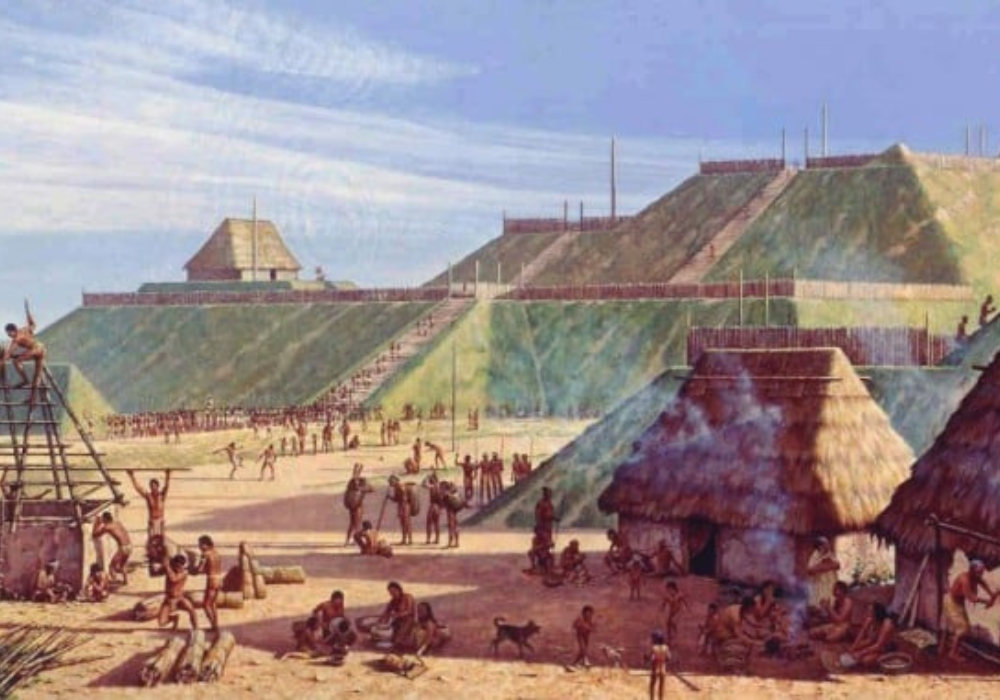
At its peak around 1050–1200 CE, Cahokia covered roughly six square miles and supported a population estimated between 10,000 and 20,000 people. That made it as large as London during the same period and one of the biggest population centers anywhere in the world.
What makes this even more remarkable is that Cahokia rose in a region without stone architecture, metal tools, or draft animals. Its growth shows that Indigenous societies developed large, complex cities using their own methods and materials long before Europeans arrived.
2. The City’s Massive Mounds Required Incredible Engineering
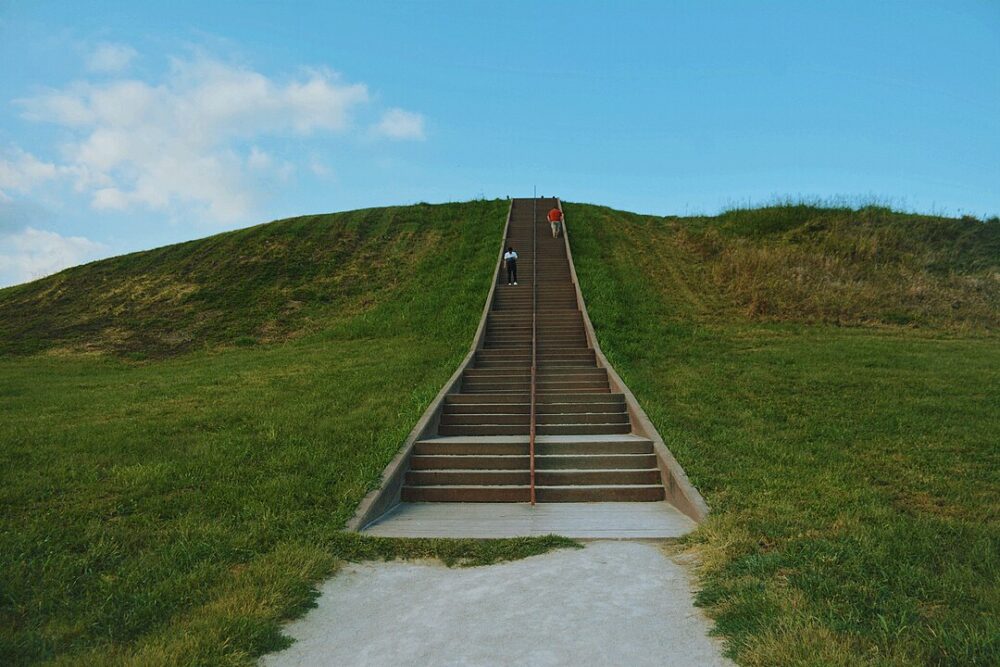
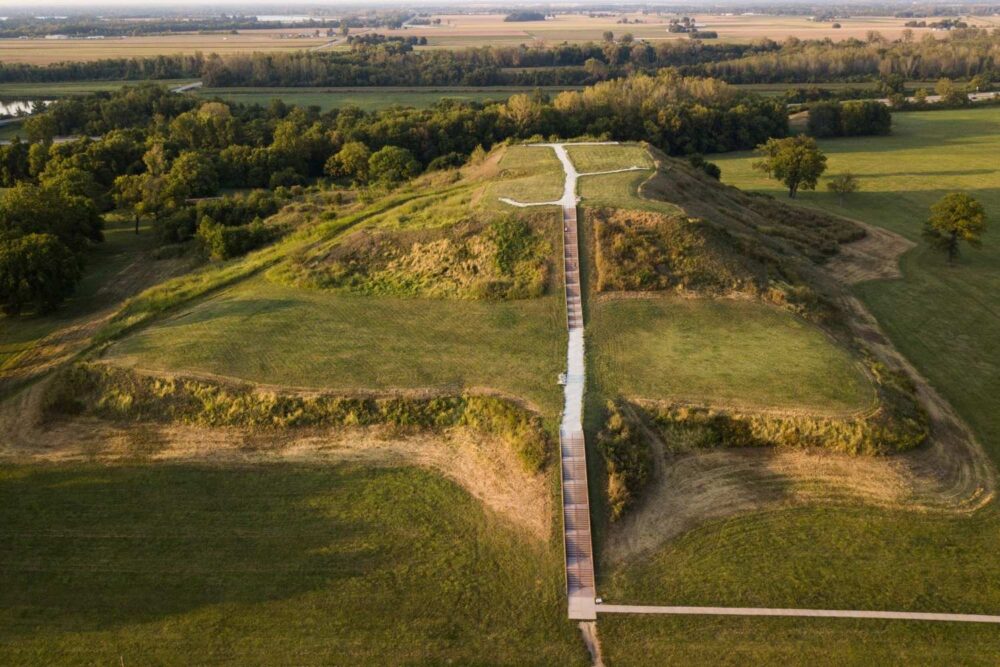
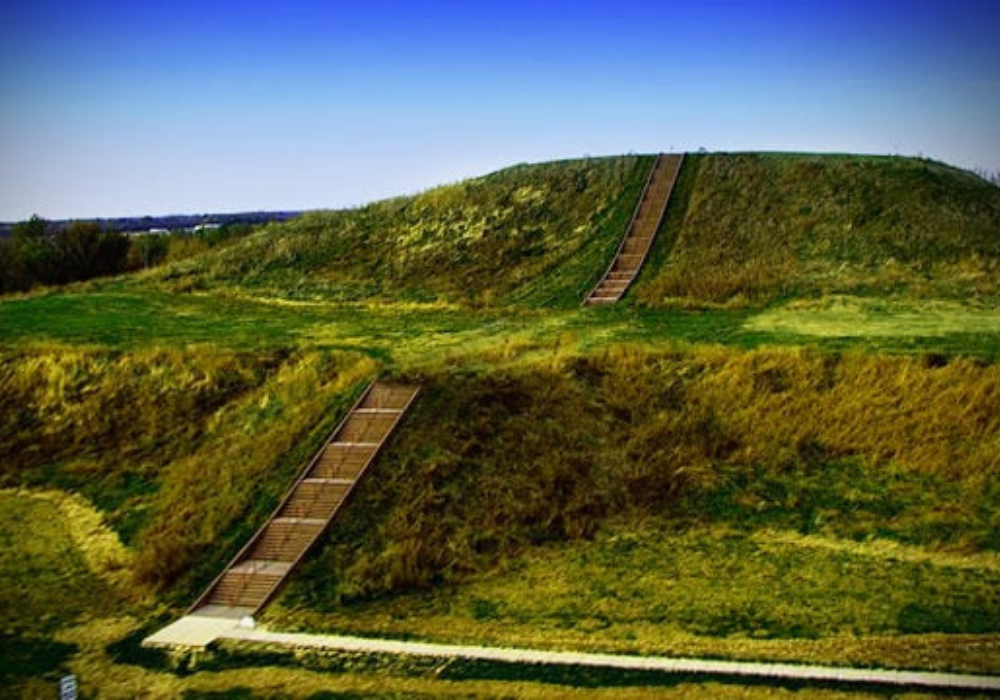
Cahokia is best known for its monumental earthen mounds—more than 100 of them once stood in the region. The largest, Monks Mound, remains the biggest prehistoric earthwork in the Americas, rising about 100 feet high and covering more ground than the Great Pyramid of Giza.
These enormous structures were built basketful by basketful, using millions of cubic feet of soil. Their scale shows that Cahokia had organized labor, long-term planning, and sophisticated construction knowledge, pointing to a highly coordinated society.
3. Cahokia Was a Major Cultural and Trade Hub
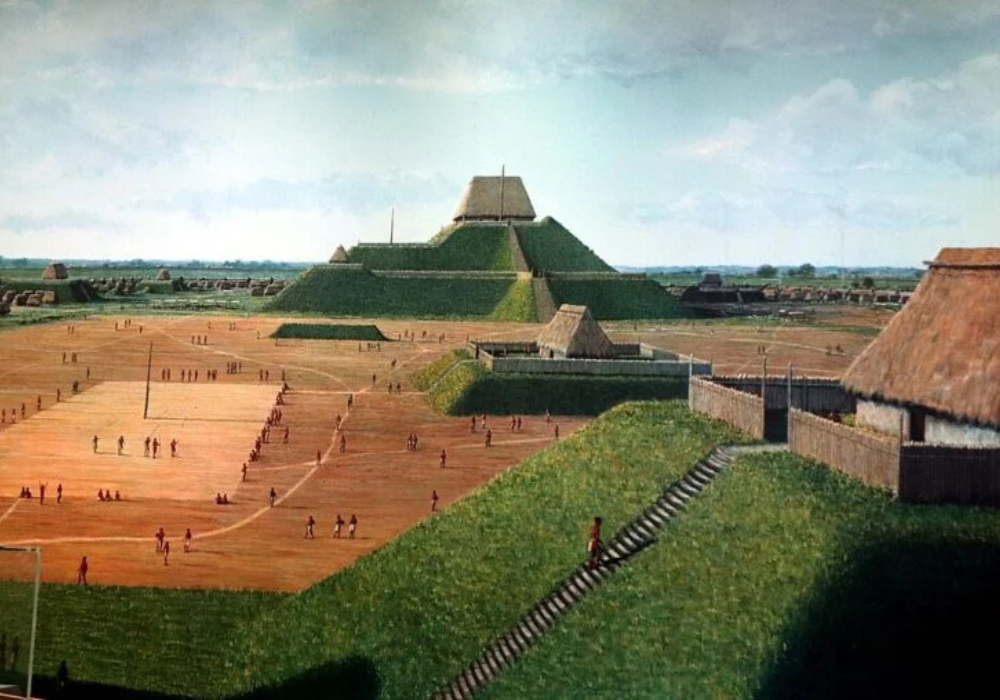
Archaeologists have found materials from across North America at Cahokia—including copper from the Great Lakes, mica from the Appalachians, and shells from the Gulf Coast. These discoveries show that Cahokia wasn’t isolated; it was connected to far-reaching trade networks.
This long-distance exchange helped the city flourish economically and culturally. Goods, ideas, and traditions flowed through the bustling metropolis, making it a key center of influence in the Mississippian world.
4. The City Featured Carefully Planned Neighborhoods
Excavations reveal that Cahokia wasn’t a random sprawl. It was carefully organized into districts, with residential areas, plazas, ceremonial structures, and specialized zones for different activities. Many neighborhoods were aligned around large public spaces that supported gatherings and rituals.
This level of planning reflects strong leadership and an understanding of urban design. Far from being a loose collection of villages, Cahokia functioned as a true city with complex social and political systems.
5. A Wooden Calendar Called “Woodhenge” Tracked the Seasons
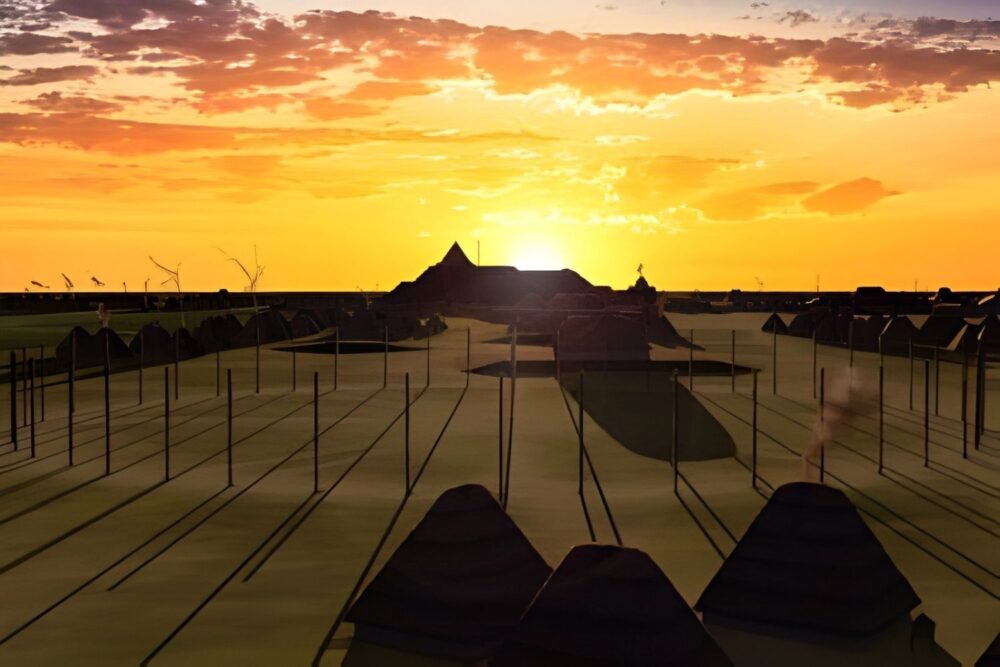
Researchers discovered a series of timber circles near Cahokia that functioned as astronomical markers. These posts aligned with sunrise positions on solstices and equinoxes, helping residents track seasonal changes and schedule agricultural and ceremonial activities.
The existence of Woodhenge shows that Cahokians had advanced knowledge of astronomy and timekeeping. It underscores the city’s ceremonial life and its reliance on both science and spirituality to guide daily rhythms.
6. Farming Fueled the City’s Explosive Growth
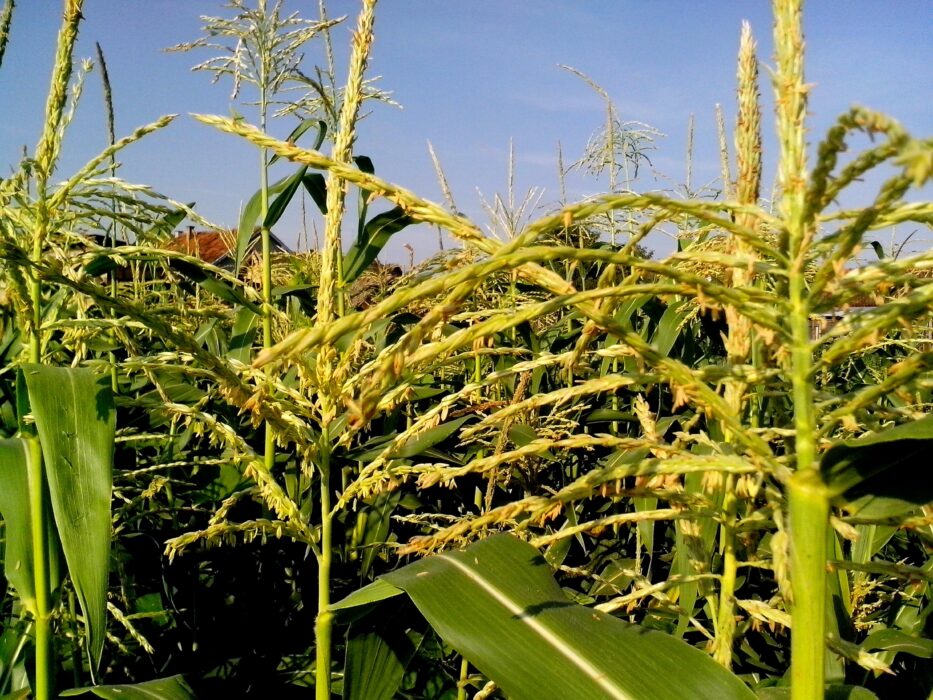
Cahokia’s rise coincided with agricultural innovations, particularly the cultivation of crops like maize, squash, and sunflowers. Surpluses from farming allowed the population to grow rapidly and freed some people to specialize in other occupations such as crafts, trade, or religious leadership.
This agricultural foundation supported a dense urban society. Without effective food production, Cahokia could never have reached a scale comparable to major cities across the world at the time.
7. Artisans Produced Beautiful and Complex Goods
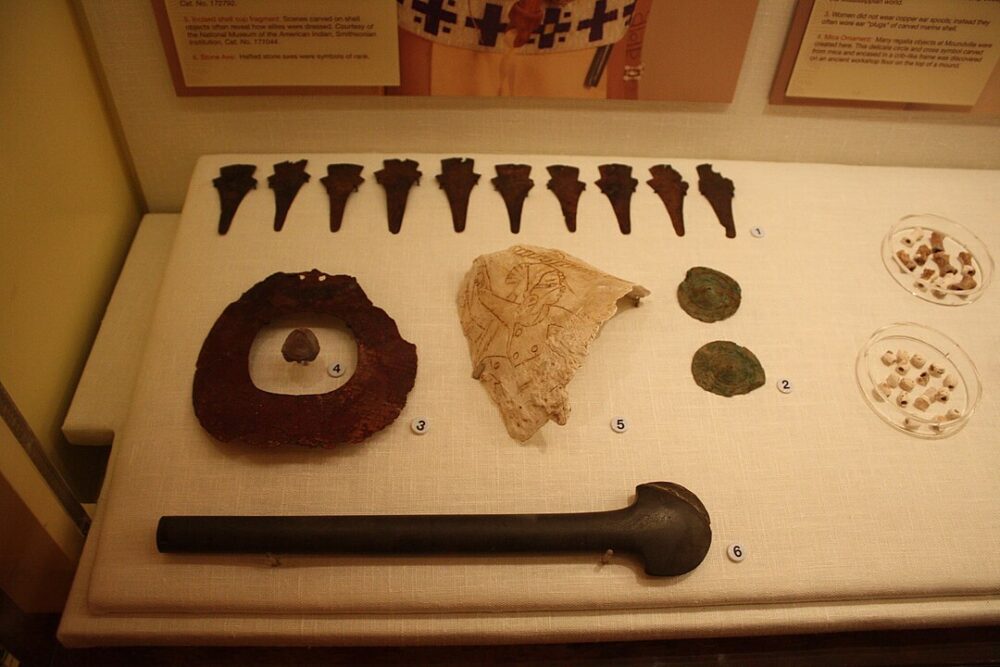
Archaeologists have uncovered finely crafted pottery, stone tools, copper ornaments, and carved shell artworks that demonstrate remarkable skill. These artifacts show that Cahokia supported specialist craftsmen who produced objects for daily use as well as ceremonial purposes.
The artistry suggests a vibrant creative culture. Cahokian crafts traveled widely through trade networks, spreading the city’s influence and showcasing its technological and artistic sophistication.
8. Religion and Ceremony Were Central to Cahokian Life
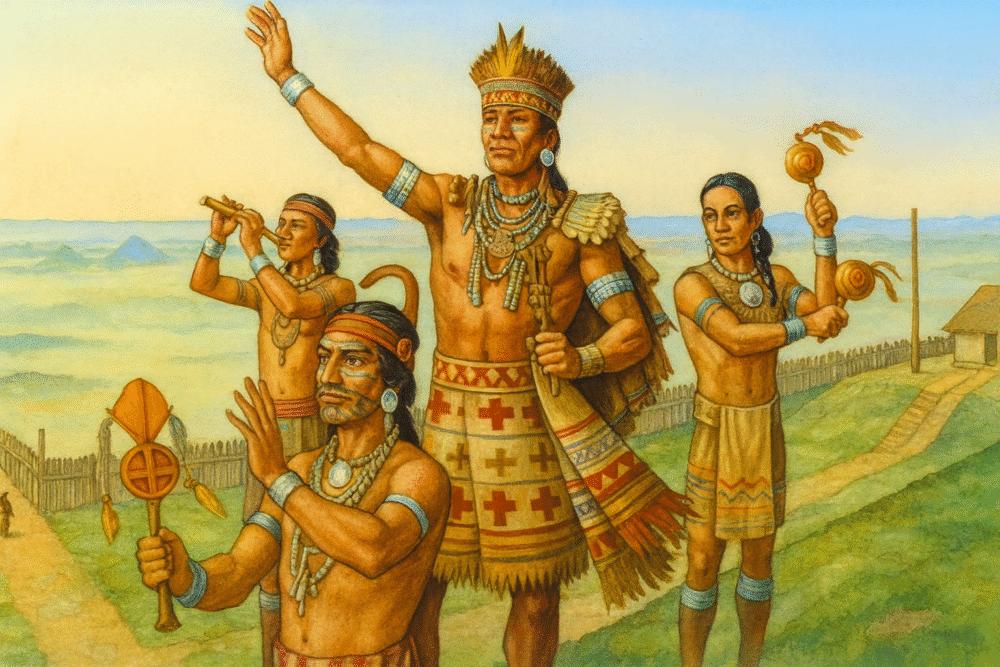
Many of the city’s largest earthworks and plazas were used for rituals, gatherings, and possibly elite ceremonies. The layout of the city suggests a society deeply guided by spiritual beliefs, with leaders who may have held both political and religious authority.
These ceremonial centers brought thousands of people together and helped reinforce the city’s social structure. Religion wasn’t separate from everyday life—it was woven into the city’s design and identity.
9. The City Faced Environmental and Social Pressures
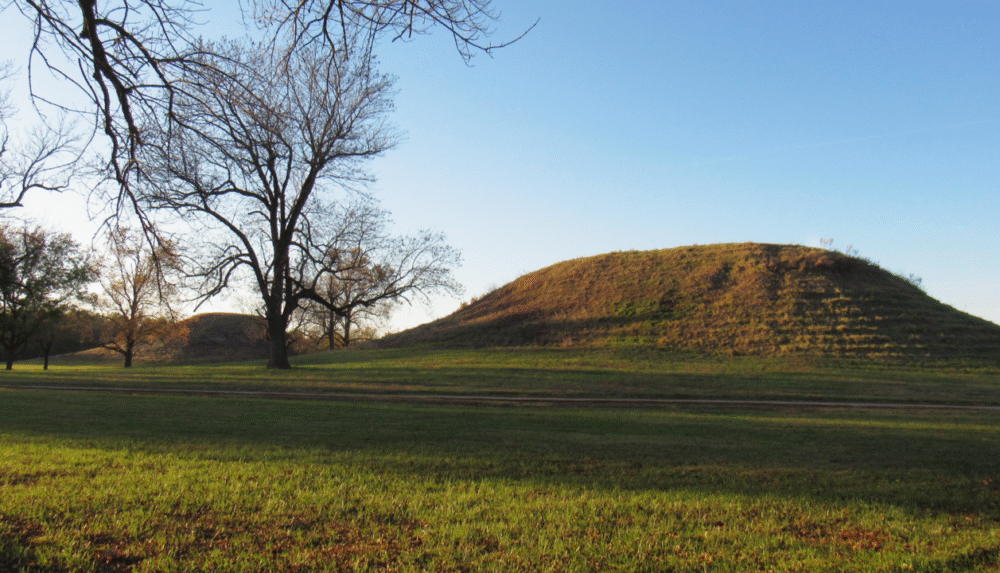
Evidence suggests that Cahokia began to decline after 1200 CE. Researchers point to factors such as climate fluctuations, flooding, resource strain, and internal social tensions. The Mississippi River system changed course several times, possibly damaging farmland and settlements.
These challenges likely contributed to a gradual population decline rather than a dramatic collapse. By the 14th century, Cahokia was largely abandoned, leaving behind its immense earthworks and a mystery that scholars continue to investigate.
10. Recent Discoveries Reveal Cahokia Was More Diverse Than Expected
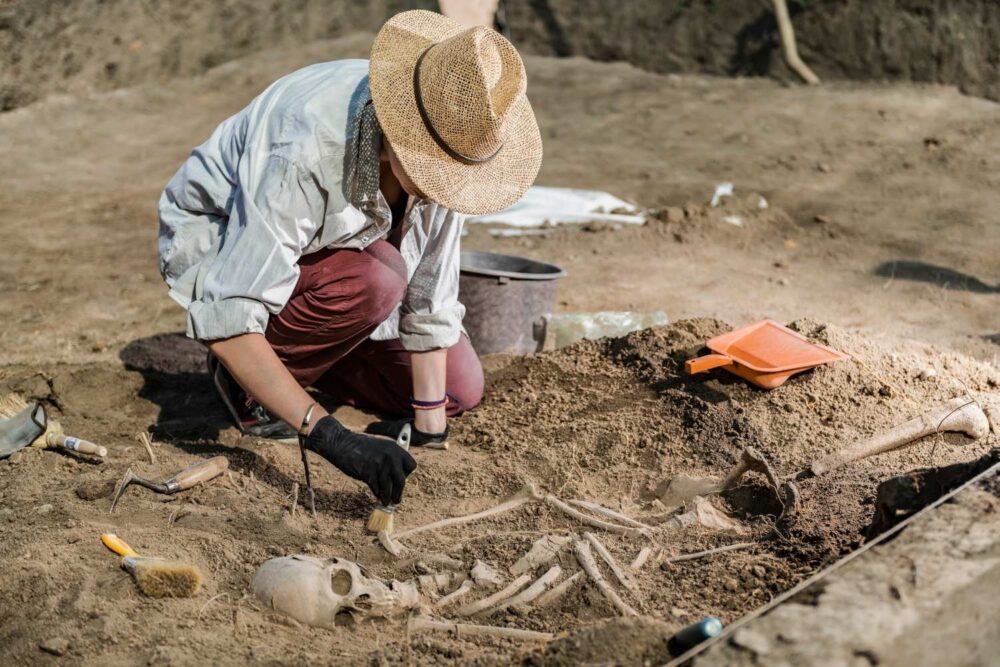
New archaeological evidence shows that Cahokia drew people from many regions. Isotope studies of human remains indicate that a significant portion of the population grew up elsewhere before moving to the city.
This diversity challenges earlier assumptions about Cahokia being built solely by local groups. Instead, it appears to have been a multicultural hub that attracted migrants, workers, and families from across the Mississippian world.
11. Myths and Misconceptions Long Erased Cahokia’s Legacy

For years, early historians and archaeologists underestimated the achievements of Native American civilizations. Some even speculated that a different “lost race” built the mounds—a claim now thoroughly debunked.
Modern research confirms that Cahokia was planned, built, and sustained by the ancestors of today’s Native nations. Correcting these misconceptions helps highlight Indigenous ingenuity and the sophistication of pre-colonial North America.
12. Cahokia’s Story Is Transforming How We View America’s Past
The more archaeologists uncover, the clearer it becomes that North America had thriving urban societies long before European arrival. Cahokia stands as powerful evidence that Indigenous cultures built monumental cities with advanced engineering, trade networks, and complex leadership systems.
Its rediscovery is reshaping textbooks and public understanding. Cahokia is no longer a forgotten ancient city—it’s a reminder of the continent’s rich, innovative, and often overlooked history.