Air Traffic Controllers Break Their Silence: The Unexplained Objects They Were Told to Ignore

Aviation insiders reveal why unexplained aerial encounters rarely made it into official records.

©Image license via Canva

This is the moment an entire profession decided it could no longer quietly accept silence around unexplained events in the sky. For decades, commercial and military air traffic controllers have reported radar contacts that moved strangely, appeared and vanished quickly, or behaved unlike any known aircraft. Historically, many of these incidents were brushed aside as clutter or interference. Now, with official UAP investigations underway and more witnesses speaking openly, people inside the system are finally explaining how such cases were handled—and what that reveals about safety, secrecy, and accountability.
Read more

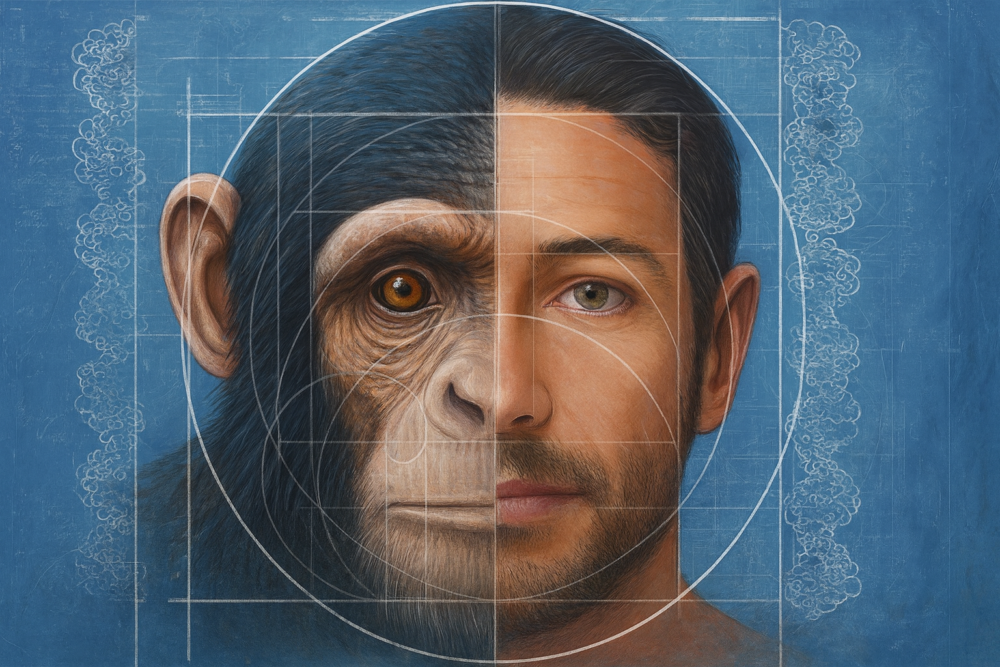
The Surprising Reason Modern Human Faces Don’t Look Like Neanderthals

Scientists have uncovered a hidden developmental clue that changed the shape of the human face forever.

©Image license via Planet Sage/Chat GPT

Modern human faces look drastically different from Neanderthal faces, and scientists have finally pinpointed why. A new study reveals that the difference comes down to how our faces grow and remodel during childhood. While Neanderthals built their facial bones outward, giving them strong, protruding features, modern humans grow differently. Our faces slowly flatten and reshape as bone is added in some places and removed in others. These small developmental changes create completely different adult features—and they may explain why we evolved such distinct appearances despite sharing ancient ancestry.

Read more

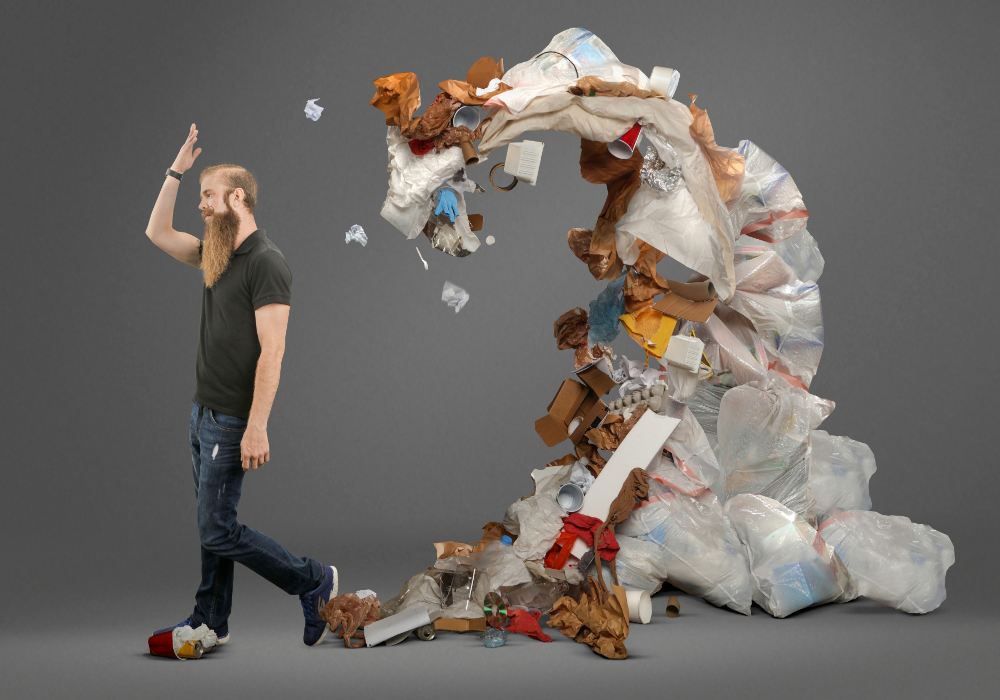
You’re Throwing These Everyday Items Away — But They Can Be Used Again and Again

You’re tossing out things that could save money—and the planet.

©Image license via Canva

Single-use culture doesn’t just cost the Earth—it chips away at your budget, too. Most people throw away items that still have life in them, not out of laziness, but because we’ve been taught convenience matters more than durability. But hidden in that trash pile are things that could’ve been reused, repurposed, or refilled with barely any effort.

This isn’t about becoming perfectly zero-waste overnight. It’s about noticing the waste stream at its source—and shifting a few habits to break the cycle. The less you toss, the less you buy. And the less you buy, the less you contribute to the endless churn of resource extraction, packaging, and pollution. These ten throwaways have far more potential than we give them credit for. And in a world drowning in disposables, reusing is one of the most powerful quiet protests you can make.

Read more

Scientists Discover a “Bone Switch” That Could Reverse Osteoporosis

A breakthrough in bone biology may allow new treatments that actually restore density, not just prevent decline.

©Image license via Canva

Osteoporosis affects hundreds of millions of people worldwide, especially older adults, and it often leads to painful fractures and long-term mobility issues. Current treatments mostly work by slowing bone loss, but they don’t do much to rebuild the bone that’s already gone. Now, scientists have identified a key molecular “switch” called PDE4B that appears to control how bone-forming cells behave. When this switch is blocked in lab tests, bones become stronger and denser. Researchers say this could lead to entirely new treatments that help the body grow stronger bones—even after osteoporosis has already set in.

Read more

What If Your Everyday Infection Became Untreatable? Scientists Warn It’s Happening

A fast-spreading fungal infection is evolving resistance to common treatments, alarming researchers worldwide.

©Image license via UC Davis Health

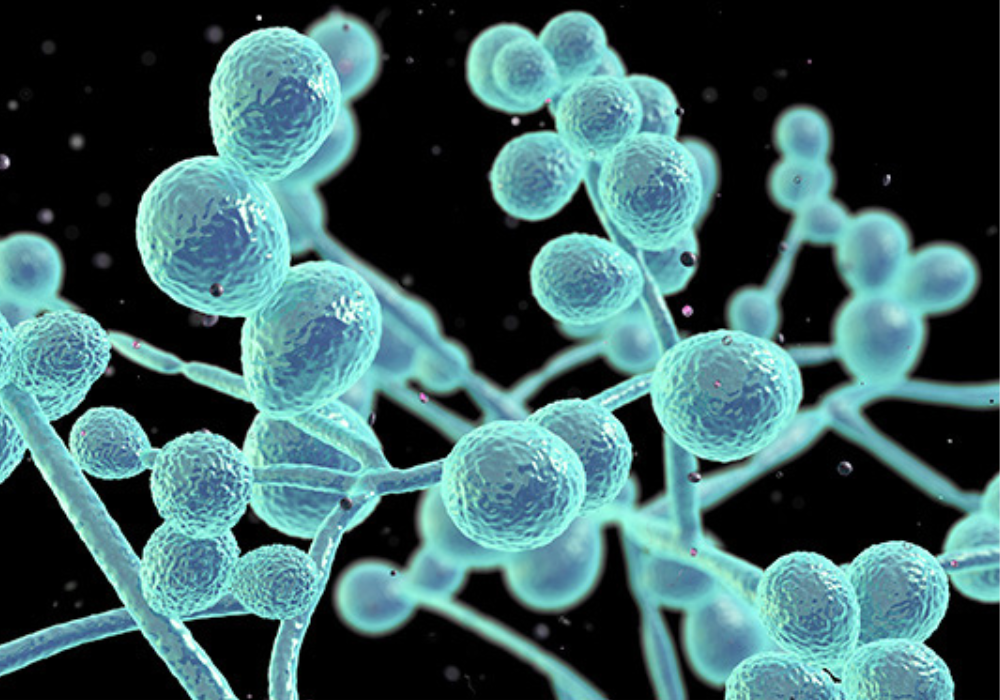
A common fungal infection many take for granted is becoming harder — sometimes impossible — to treat. According to recent research, rising drug resistance in Candida infections (like vaginal or oral thrush) means that standard antifungal medicines are failing more often. Scientists warn that fewer treatment options, persistent recurrences, and increased resistance could turn a once-simple infection into a stubborn, chronic problem. As clinics around the world report rising resistance, experts say it’s time to pay serious attention before a manageable disease becomes a medical nightmare.

Read more

Did Romans Really Leave the Disabled to Die? The Surprising New Evidence

Archaeologists reveal the complex truth about care, neglect, and survival in the empire.

©Image license via Canva

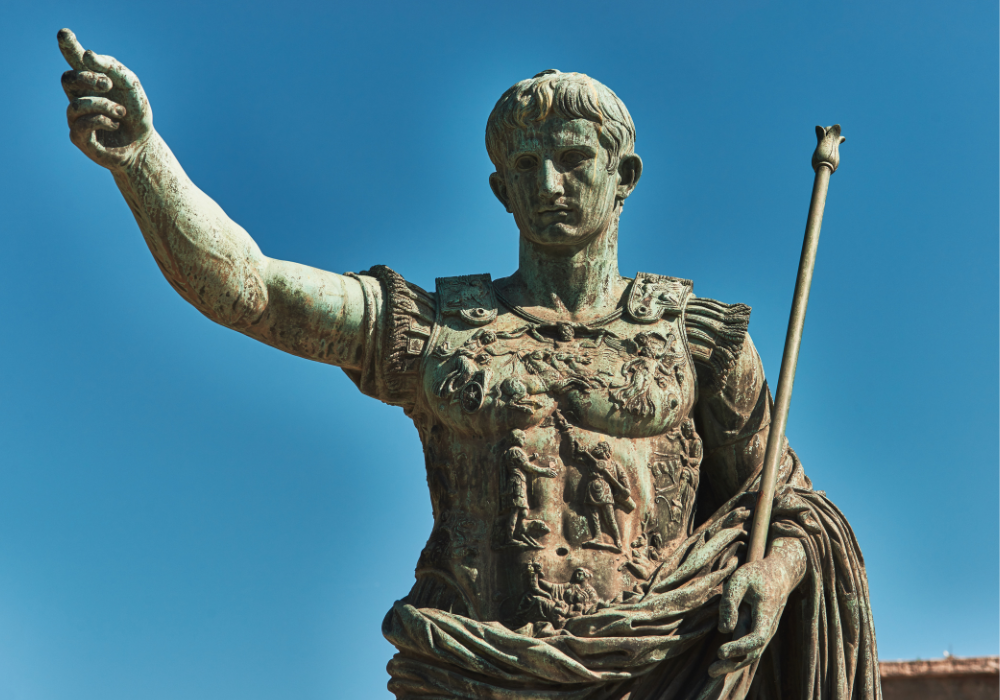
It’s a common—and frankly, chilling—idea: that Romans were so focused on strength, they simply left anyone with a disability to die. Ancient sources hint at this brutality, suggesting that infants with visible differences were exposed. But what does the hard archaeological evidence actually show us? Turns out, the real story is much more complicated. New discoveries from Roman sites are rewriting this narrative, revealing a surprising mix of cruelty, survival, and even compassion that shaped the lives of disabled people across the mighty empire.

Read more

41,000 Years Ago, Earth’s Magnetic Field Failed — And the Planet Barely Held On

The planet’s invisible shield vanished—and life on Earth was suddenly exposed to deadly radiation.

©Image license via Canva

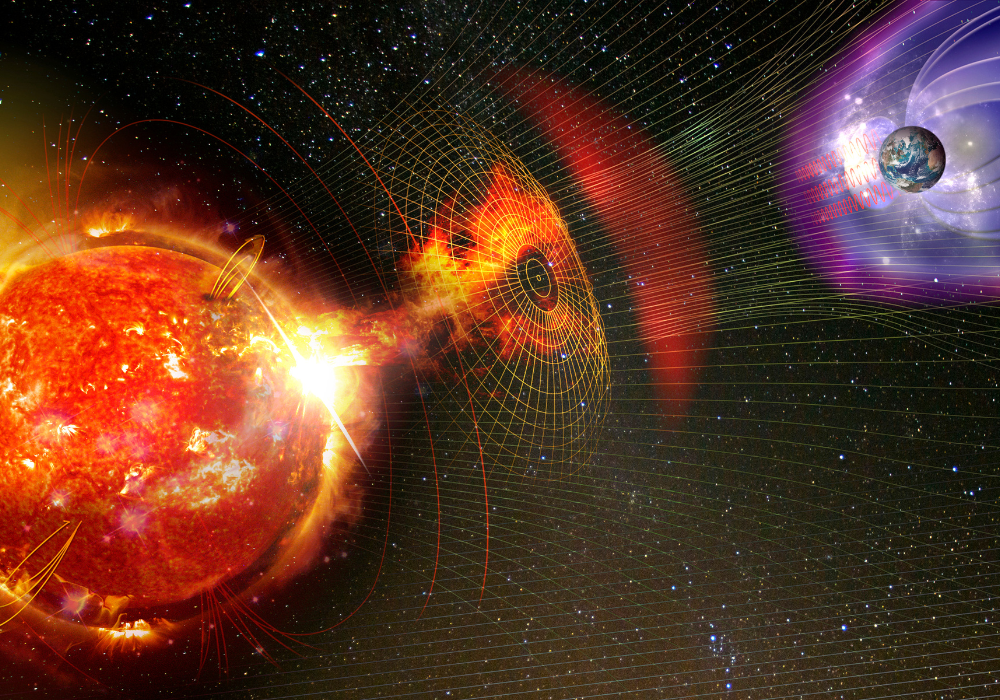
Earth’s magnetic field isn’t just a curious scientific phenomenon—it’s a protective force field that shields us from deadly solar and cosmic radiation. But around 41,000 years ago, during what scientists call the Laschamps Excursion, that shield collapsed. For about 800 years, Earth’s magnetic field weakened to just 5% of its current strength, then flipped poles entirely before returning to normal.

During that collapse, our planet faced exposure levels that could have triggered biological and environmental upheaval. Ancient cave art, extinctions, and climate disruptions all line up with this window of magnetic chaos. If it happened once, could it happen again?

Read more

Earth Has an 8th Continent, and It’s Hidden Under the Sea

Scientists have finally mapped Zealandia, revealing a massive sunken continent few people know exists.

©Image license via Surfer.com

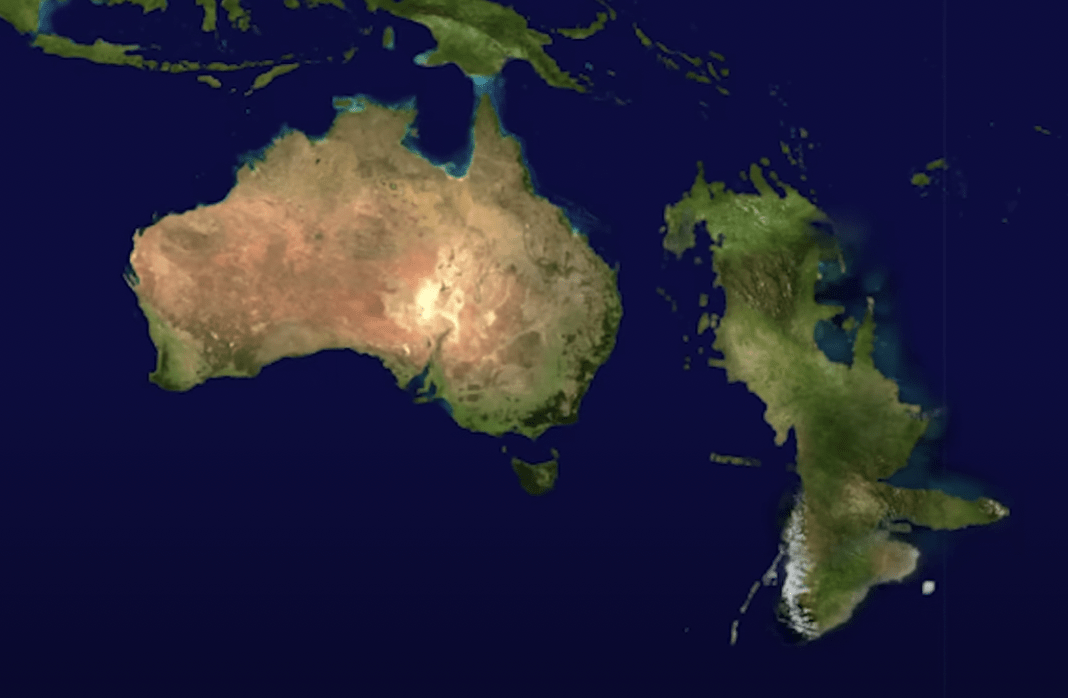
Most people grow up learning that Earth has seven continents—but scientists say there’s actually an eighth, and it’s almost entirely underwater. Zealandia, a massive submerged landmass the size of India, has finally been mapped in detail after years of research. Only about 5–7 percent of it sticks above the ocean today, forming New Zealand and a few nearby islands. The rest lies hidden beneath thousands of feet of water. The new map gives scientists their clearest look yet at this lost continent—and what it reveals is changing how we understand Earth’s geology.

Read more

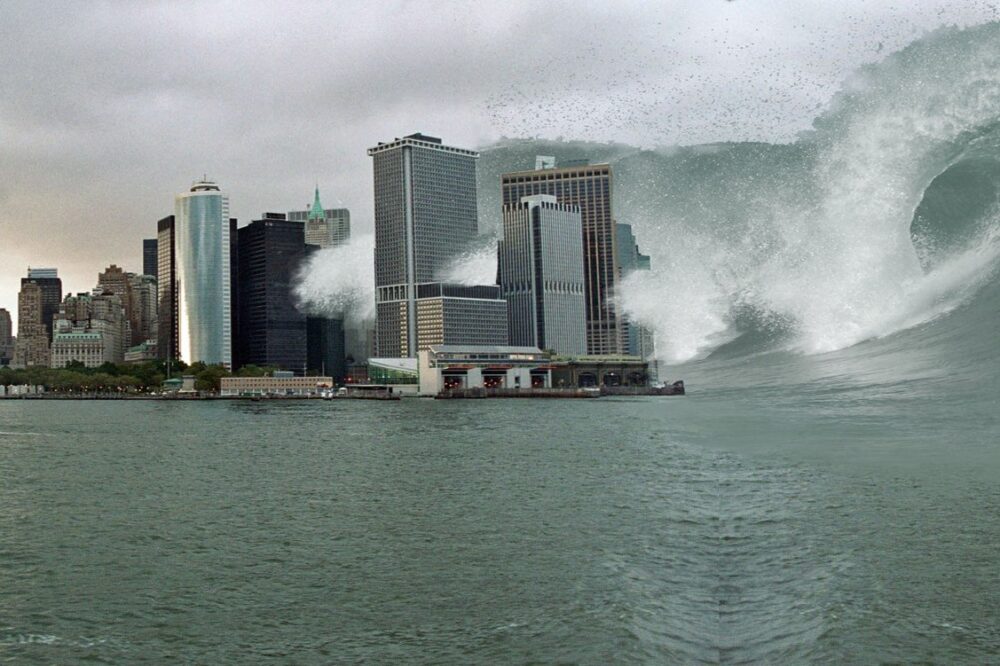
When the Poles Melt, These Cities Will Be the First to Drown

Rising seas could reshape entire coastlines—and experts say some cities are already on borrowed time.

©Image license via Flickr/Brendan Riley

If Earth’s ice sheets and glaciers melted completely—a scenario scientists say would take centuries or longer—the world’s coastlines would be transformed. Sea levels could rise more than 200 feet, swallowing entire cities and reshaping continents. Even partial melt from Antarctica or Greenland would dramatically increase flooding in low-lying areas, putting millions of people at risk. While total melt is unlikely in our lifetime, experts say many coastal cities are already vulnerable to rising seas driven by today’s warming climate. Here are the places that would be hit first.

Read more

Forget ‘Brain Rot.’ Oxford’s New Word Explains Why We’re All So Angry

Why social media wants you to be miserable and the surprising cultural moment it defines.

©Image license via Canva

You know that feeling when you’re scrolling online and suddenly a post pops up that makes your blood boil? That content—whether it’s an aggressively wrong take or a ridiculously bad cooking video—wasn’t accidental. It was engineered. Experts say the new fuel for online engagement isn’t curiosity, it’s fury. Oxford has recognized this dark trend by naming “rage bait” its Word of the Year for 2025. We dive into the shocking reason why social media algorithms now actively try to make you miserable just to earn a click.

Read more