
Scientists have uncovered a hidden developmental clue that changed the shape of the human face forever.
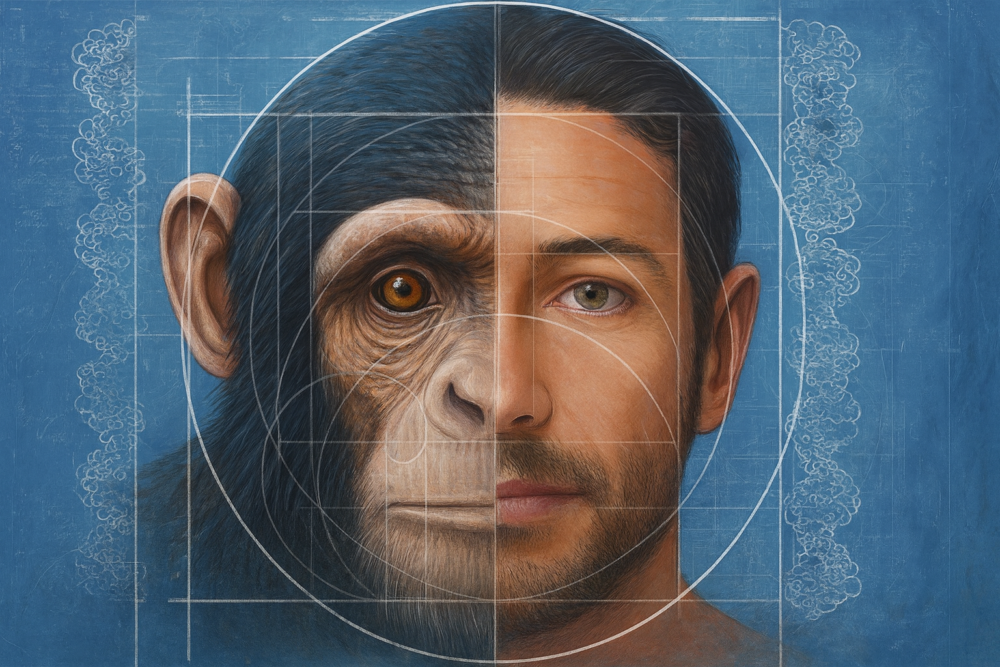
Modern human faces look drastically different from Neanderthal faces, and scientists have finally pinpointed why. A new study reveals that the difference comes down to how our faces grow and remodel during childhood. While Neanderthals built their facial bones outward, giving them strong, protruding features, modern humans grow differently. Our faces slowly flatten and reshape as bone is added in some places and removed in others. These small developmental changes create completely different adult features—and they may explain why we evolved such distinct appearances despite sharing ancient ancestry.
1. Neanderthals Had Forward-Projecting Faces

Neanderthals are instantly recognizable by their strong, projecting midfaces. Their noses, brow ridges, and upper jaws protruded outward in a way that created a rugged, powerful profile. This wasn’t just a random trait—it reflected a growth pattern in which the bones of the face were consistently added outward rather than reshaped or reduced.
Researchers examining Neanderthal fossils found that their facial bones show signs of steady outward expansion throughout childhood. This continuous projection created features built for strength and durability, offering clues about how they lived and adapted to their environment.
2. Modern Human Faces Develop in a Flatter, More Pulled-Back Shape

Modern human faces are noticeably flatter, and the new study explains why. As we grow, our facial bones undergo a type of remodeling that subtly pulls the face inward. Instead of expanding outward like Neanderthals, our cheekbones, upper jaws, and nasal areas slowly reshape toward a more vertical, refined profile.
This process happens gradually during early childhood and continues into adolescence. By the time modern humans reach adulthood, their faces look drastically different from Neanderthals. This remodeling is a key developmental difference that shapes everything from our cheek structure to the placement of our noses.
3. Bone Remodeling Is the Biological Mechanism Behind These Differences

The study shows that human faces and Neanderthal faces diverged because of differences in bone remodeling—the process by which old bone is removed and new bone is added. In modern humans, bone behind the cheeks and upper jaw is removed during childhood, allowing the face to retract and flatten.
Neanderthals, on the other hand, show little evidence of this inward remodeling. Their bones instead indicate outward construction, which explains their large noses, heavy midfaces, and powerful jaws. This contrast in remodeling patterns is one of the clearest developmental distinctions between the two species.
4. The Facial Differences Begin Very Early in Childhood

One of the study’s most revealing findings is that these differences show up at a young age. Even in fossils of Neanderthal children, researchers found early signs of outward facial growth. Meanwhile, young modern human skulls already show the inward remodeling that will eventually produce flatter faces.
Because the divergence begins so early, the study suggests our distinct facial shapes are rooted in deep developmental pathways rather than later environmental changes. This early difference helps explain why modern humans and Neanderthals ended up with such contrasting adult features despite overlapping genetically.
5. Different Lifestyles Likely Contributed to These Contrasting Features

Neanderthals lived in colder climates and relied heavily on a physically demanding lifestyle, which may have encouraged the development of large noses and robust facial structures. These features may have helped warm cold air or handle the strain of tough chewing.
Modern humans occupied a wider range of environments and eventually adopted cooking, softer diets, and more complex social structures. These lifestyle changes reduced the need for heavy facial bones. Over time, natural selection may have favored the more energy-efficient facial growth patterns seen in our species.
6. Flatter Faces May Have Offered an Evolutionary Advantage

Producing strong outward-growing bones requires a significant amount of energy. The flatter facial structure of modern humans may reflect an evolutionary shift toward conserving energy during development. By reducing outward bone growth and relying more on remodeling, the face requires fewer resources to build.
This energy efficiency would have been an advantage in early human populations where food availability varied. Small savings during development could translate to improved survival. Over generations, this may have reinforced the flatter facial shape common in modern humans today.
7. Brain Growth Also Influenced Facial Evolution

As modern human brains expanded and the skull became more rounded, facial bones had to adapt to fit this new structure. The repositioning of the braincase changed how the face was anchored, encouraging a flatter, more retracted profile over time.
Neanderthals, although highly intelligent, had differently shaped skulls. Their brain and skull structure likely contributed to their forward-projecting facial pattern. This interaction between brain expansion and facial remodeling played a major role in shaping the unique appearance of our species.
8. Neanderthal Faces Suited Their Diet and Daily Demands

Neanderthals often relied on tougher, more fibrous foods and used their teeth as tools, which placed far greater stress on their jaws. Their facial structure suggests they were built to withstand intense chewing forces. Large sinuses and strong midfaces supported the heavy biomechanical load.
Modern humans evolved with cooking technology and tools that softened food long before it reached the mouth. With less strain on the jaw, our faces were free to evolve differently. This shift in chewing demands helped reinforce the flatter facial structure seen in our species.
9. Advanced 3D Imaging Revealed These Subtle Growth Patterns

The research team used high-resolution 3D imaging and detailed surface analysis of fossils to identify microscopic clues about bone growth. These markings reveal whether bone was being added or removed and how the face grew at different stages of life.
By scanning both Neanderthal and modern human fossils, scientists reconstructed facial growth patterns in remarkable detail. The evidence consistently showed that Neanderthal faces expanded outward, while modern human faces underwent significant remodeling. These technological advances made it possible to uncover details invisible to earlier generations of researchers.
10. The Findings Reveal a Deep Developmental Divide Between Species

These differences show that Neanderthals and modern humans diverged not only in genetics but also in the underlying biology of how their faces formed during childhood. The two species followed distinct developmental pathways that produced dramatically different facial shapes.
This developmental divide highlights how evolution can reshape even closely related species through small shifts early in life. The contrast between outward growth and inward remodeling is one of the clearest examples of how our evolutionary paths split.
11. Understanding Facial Evolution Helps Illuminate Our Shared History
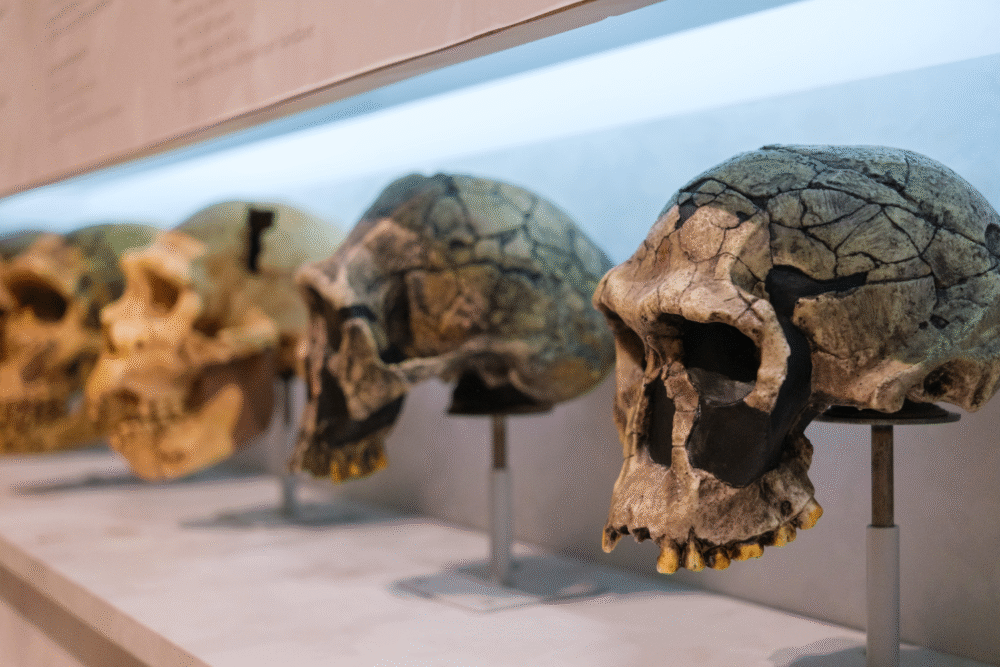
By uncovering the developmental reasons behind our facial differences with Neanderthals, scientists can better understand how evolution shaped our lineage. Small changes in early growth had huge effects on appearance, breathing, chewing, and even social expression.
These findings remind us that modern human and Neanderthal evolution was a complex, intertwined process. Studying our differences helps clarify our similarities—and deepens our understanding of the ancient relatives who once shared the world with us.