Climate Change Is Hitting Alaska Hard—Just Not in the Ways You’d Think

As powerful typhoons shift north, Alaska now faces extreme storms and flooding once unheard of in its history.

©Image license via Canva

Alaska’s climate is moving fast—and now, storms once reserved for tropical regions are barreling into the Last Frontier. Scientists report that typhoons and intense rainfall are pushing storm systems farther north, triggering floods and erosion in places unprepared for such weather. Coastal towns and remote terrain that once withstood stable seasonal cycles are now grappling with infrastructure collapse and community upheaval. What’s happening in Alaska is a stark reminder that climate change isn’t just warming the world—it’s reshaping it in unpredictable, often devastating ways.
Read more

If Global Trade Stops, These 10 Countries Could Run Out of Food Fast

Experts warn that a sudden collapse in food imports could trigger humanitarian crises in vulnerable nations within weeks.

©Image license via Canva

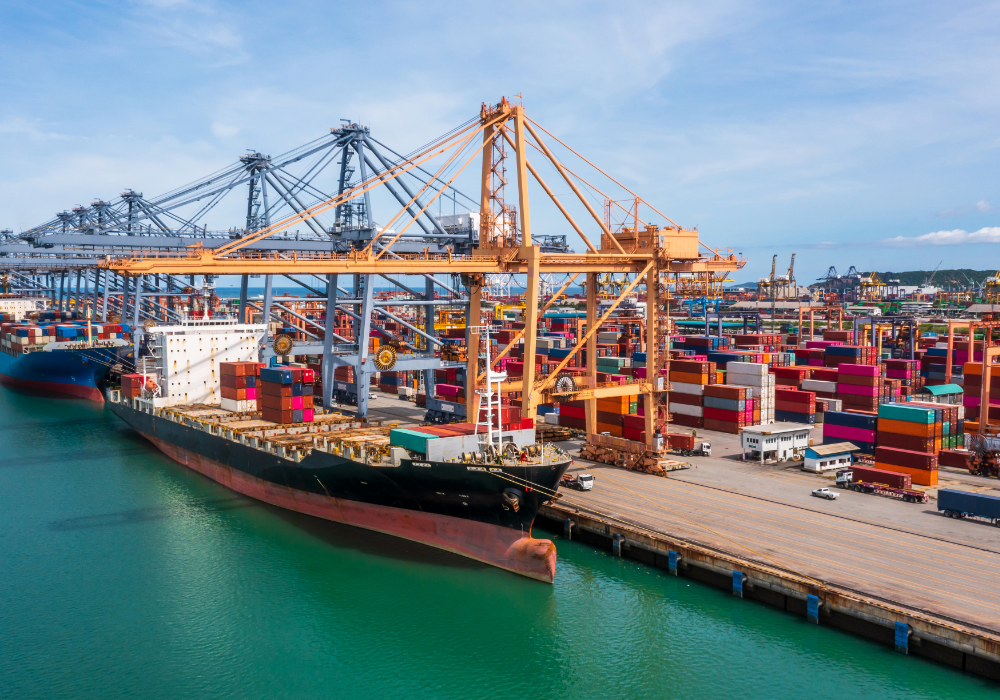
The global food system is far more fragile than most people realize. A disruption in trade—caused by conflict, climate disasters, or supply-chain collapse—could leave some nations facing severe shortages within days. According to the United Nations and the Global Food Security Index, dozens of countries depend heavily on imported grain, fertilizer, and fuel to feed their populations. If global shipping stopped tomorrow, a handful of nations would be hit hardest, exposing just how interconnected—and precarious—the world’s food supply really is.

Read more

China’s Energy Collapse Is Rippling Around the World — Here’s Why It Matters

Analysts say China’s deepening energy crisis could disrupt trade, raise prices, and slow global recovery.

©Image license via Canva

China is confronting a worsening energy crisis that’s reverberating throughout the global economy. Rolling power shortages, soaring coal prices, and rising industrial demand are straining the world’s second-largest economy—and the effects are spreading across supply chains worldwide. According to recent data from the International Energy Agency and China’s National Bureau of Statistics, electricity consumption continues to climb faster than generation capacity, especially during seasonal peaks. Analysts warn that this growing imbalance could disrupt exports, raise global prices, and slow economic growth far beyond China’s borders.

Read more

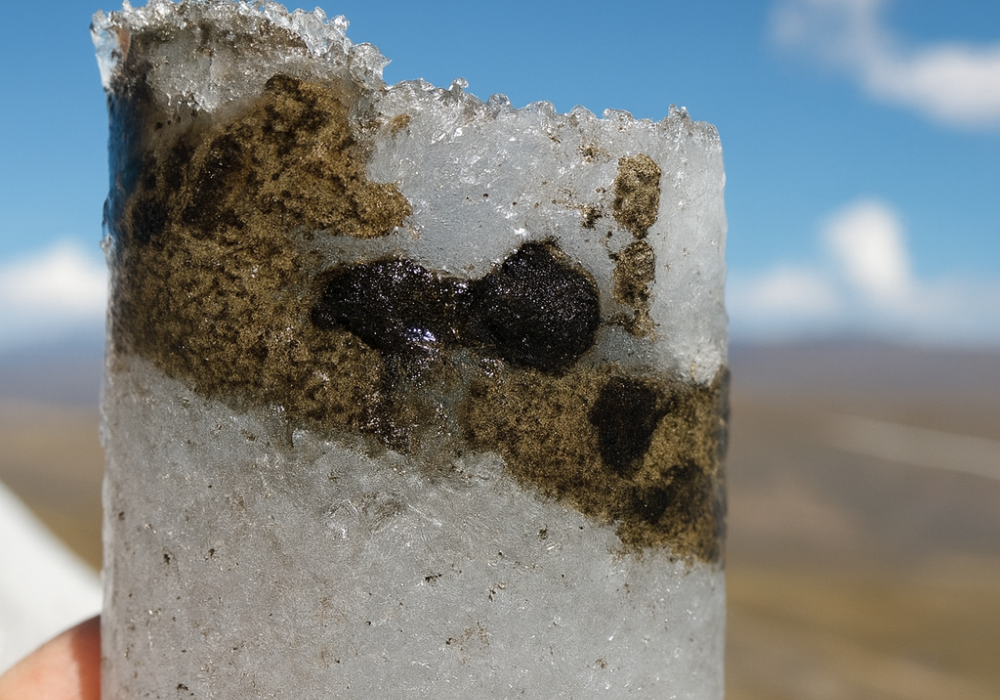
The Growing Risk of New Viruses Emerging From Thawing Arctic Ice

Thawing ice is exposing prehistoric viruses that could challenge modern immune systems and medicine.

©Image license via Chat GPT

As rising temperatures accelerate Arctic thaw, scientists are uncovering something both fascinating and alarming—viruses that have been trapped in ice and permafrost for tens of thousands of years. These frozen microorganisms, once sealed off from the modern world, are now being released as glaciers melt and tundra softens. While most are harmless, some could theoretically infect living organisms again. Researchers warn that climate change isn’t just reshaping landscapes—it may also be reviving ancient pathogens that humanity has never encountered before, posing unpredictable risks to global health.

Read more

The World Just Reached Its First Climate Tipping Point—Coral Reefs Paid the Price

A new global report warns coral reefs have entered a collapse phase as ocean temperatures keep rising.

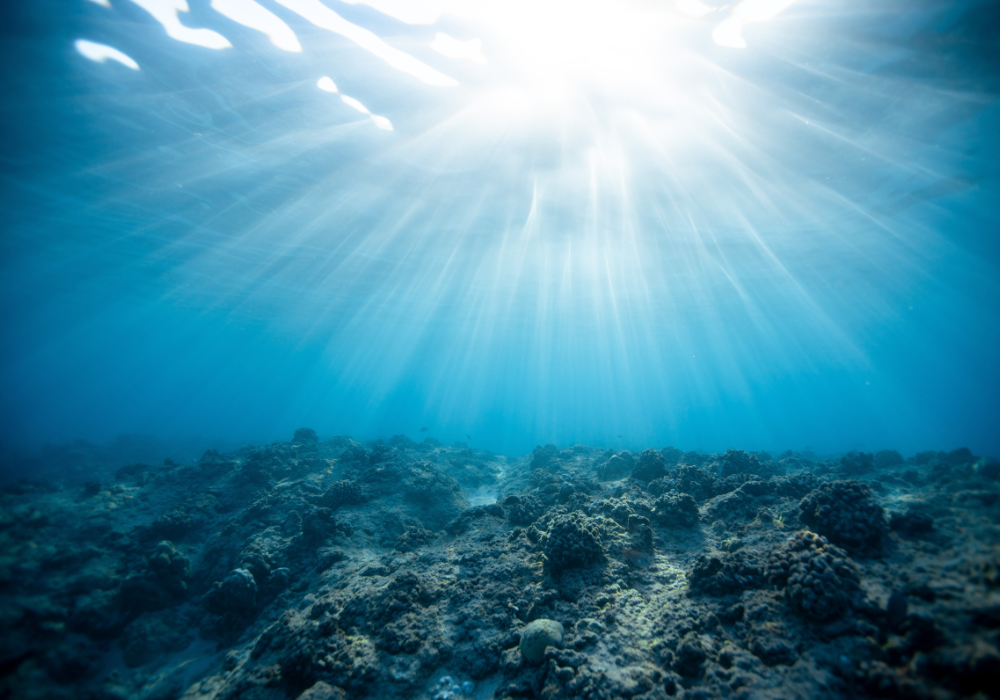
Coral reef, bleached white corals, scattered color patches, clear daylight underwater, documentary style, no people.
©Image license via iStock

A new Global Tipping Points Report 2025, led by the University of Exeter and involving more than 160 scientists across 87 institutions, has concluded that warm-water coral reefs have become the first major ecosystem on Earth to cross a climate tipping point. The report finds that at roughly 1.4°C of global warming—above the estimated 1.2°C threshold for reef survival—mass bleaching and coral mortality have become unavoidable. Researchers say this marks a profound shift in the planet’s ecological balance, with ripple effects expected to impact marine biodiversity, fisheries, and global coastal communities.

Read more

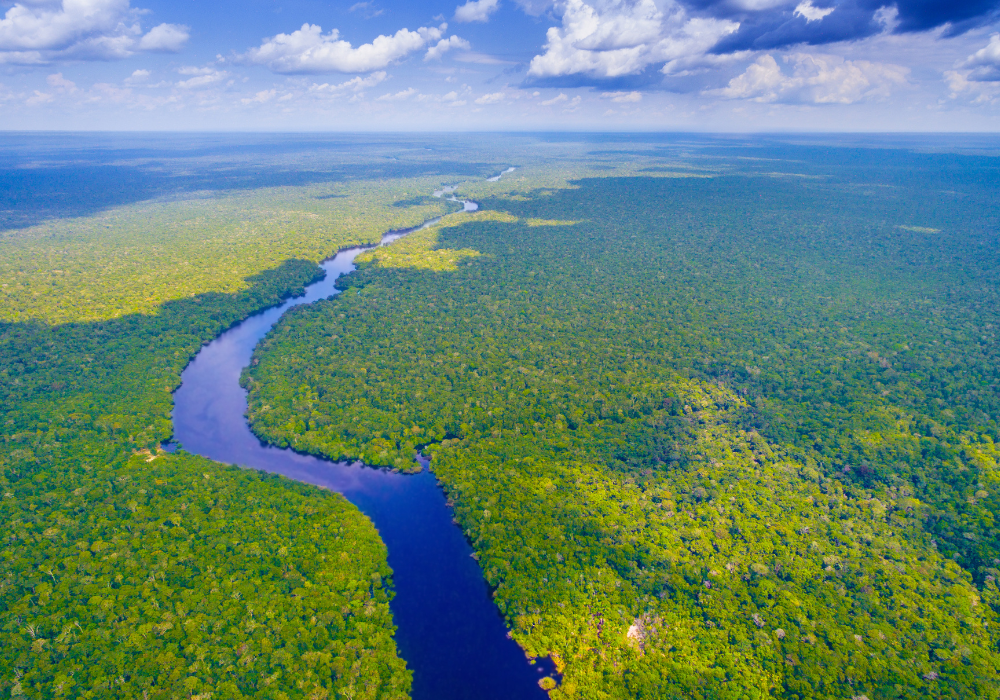
Climate Change Is Making Amazon Trees Grow Bigger—But There’s a Catch

Experts warn faster growth could shorten tree lifespans and disrupt carbon storage.

©Image license via Canva

Scientists studying the Amazon rainforest have discovered that rising carbon dioxide levels and warmer temperatures are making trees grow faster and larger than before. Published in Nature, the research analyzed decades of growth data and satellite imagery across the Amazon Basin. While the accelerated growth might sound like good news for carbon absorption, experts warn that it comes with serious risks. Faster-growing trees tend to die younger, potentially undermining the rainforest’s ability to store carbon and stabilize the global climate.

Read more

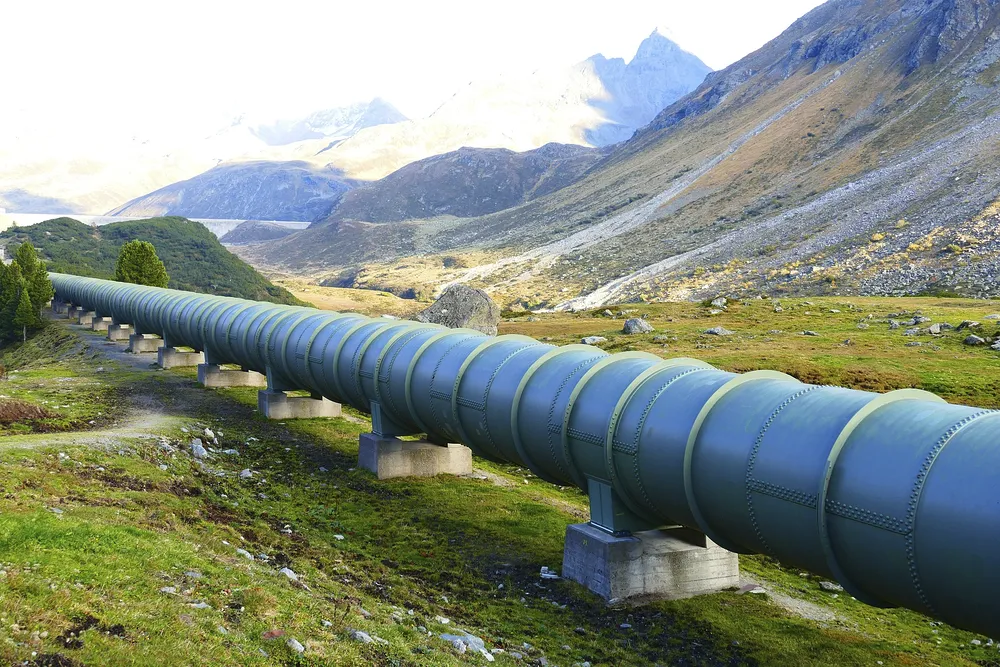
Scientists Say Earth May Have 10 Times Less Carbon Storage Capacity Than We Thought

Experts warn the planet’s ability to trap CO₂ underground may be far smaller than predicted.

©Image license via Pixels

A new study led by the International Institute for Applied Systems Analysis (IIASA) reveals that Earth’s underground carbon storage potential may be up to ten times lower than previously assumed. Published in Nature, the research overlays geological, safety, and technical constraints on earlier optimistic estimates, concluding that only a fraction of the planet’s formations are viable for permanent CO₂ storage. The revelation suggests many climate models may overestimate the buffer we have against emissions—and underscores how limited carbon sequestration really is.

Read more

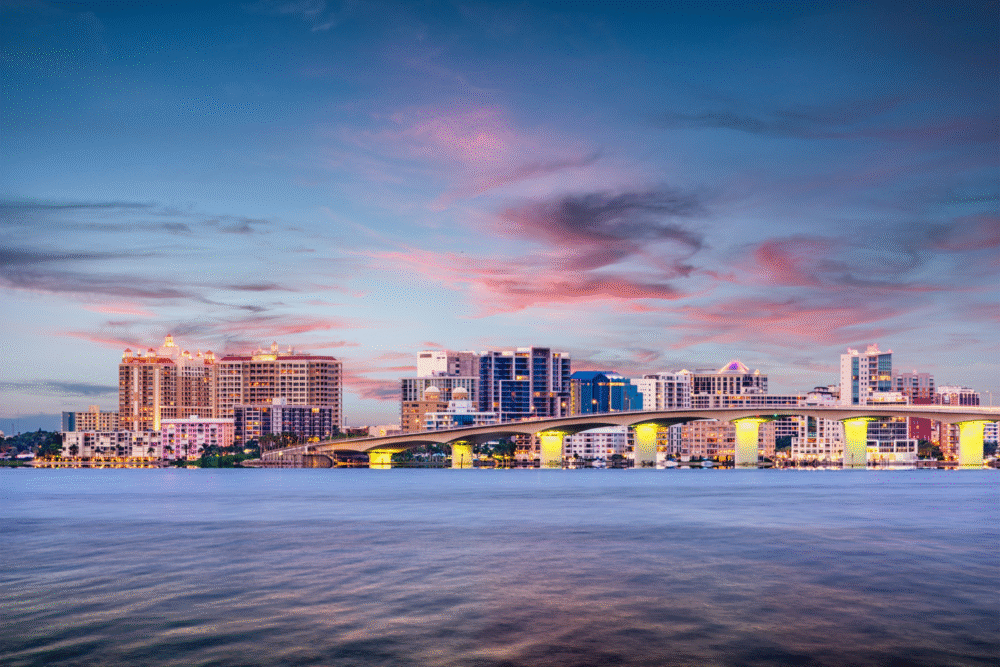
South Florida’s King Tides Are Surging Higher Each Year, Scientists Warn

Experts say the record-high tides are a clear preview of future sea level rise.

©Image license via Canva

Every fall, South Florida braces for its seasonal king tides—extra-high tides that now flood streets, homes, and neighborhoods even on sunny days. Scientists say these tides are getting worse each year as rising seas push water higher onto land. A new NOAA analysis shows that Miami’s tidal floods have increased fivefold since 2000, turning what was once a rare event into a yearly crisis. Experts warn these surging tides offer a glimpse of what permanent sea level rise could soon bring.

Read more

Record Pacific Ocean Heat Is Disrupting Fall Weather Across the Globe

Scientists say unusually warm Pacific waters are driving extreme weather into late autumn.

©Image license via Canva

The Pacific Ocean—Earth’s largest heat reservoir—is running hotter than ever recorded, and the effects are showing up everywhere. Scientists say sea surface temperatures are now so high that the normal transition from summer to fall is being delayed across vast regions. From record heat in North America to unusual rainfall patterns in Asia, the Pacific’s warmth is reshaping global weather. Experts warn that if the trend continues, the world could experience prolonged heatwaves well into seasons that once brought relief.

Read more

Why America’s Farmland Is Drying Out—And What It Means for the Food Supply

Experts warn that worsening drought could cripple crops and drive up food prices nationwide.

©Image license via iStock

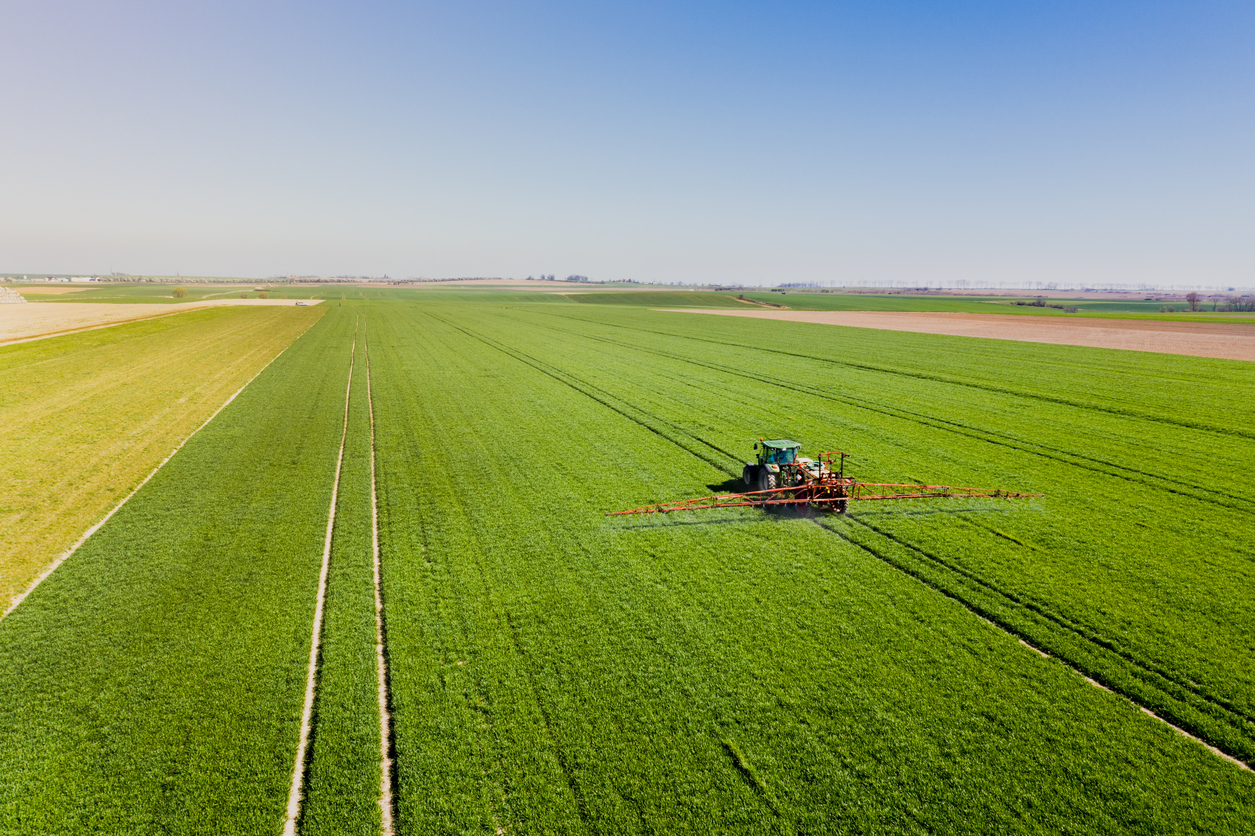
Aridification, the long-term drying of land caused by climate change, threatens U.S. agriculture in numerous ways. As water scarcity intensifies and soil conditions deteriorate, farmers face increased difficulty sustaining crop yields and livestock health. This gradual shift differs from temporary drought by affecting entire ecosystems and irrigation systems, demanding new strategies for water management and crop resilience to maintain food production over time.

Read more