The Biggest Threats to Earth’s Biodiversity — And What’s Fueling Them

Biodiversity is vanishing faster than ever — and scientists say the causes are largely man-made.

©Image license via Canva

The planet is losing species at a rate not seen in millions of years, and scientists say humans are largely to blame. A new analysis highlights the main forces behind global biodiversity loss — from deforestation and pollution to climate change and overfishing. These pressures are reshaping entire ecosystems, threatening food security, and destabilizing the natural systems that sustain life. Experts warn that unless major changes are made, the planet’s web of life could face irreversible damage within decades.
Read more

Climate Change Is Throwing Earth’s Wind Systems Into Chaos, Scientists Warn

Rapidly changing wind patterns could intensify storms and destabilize weather across the globe.

©Image license via Flickr, Stuart Rankin

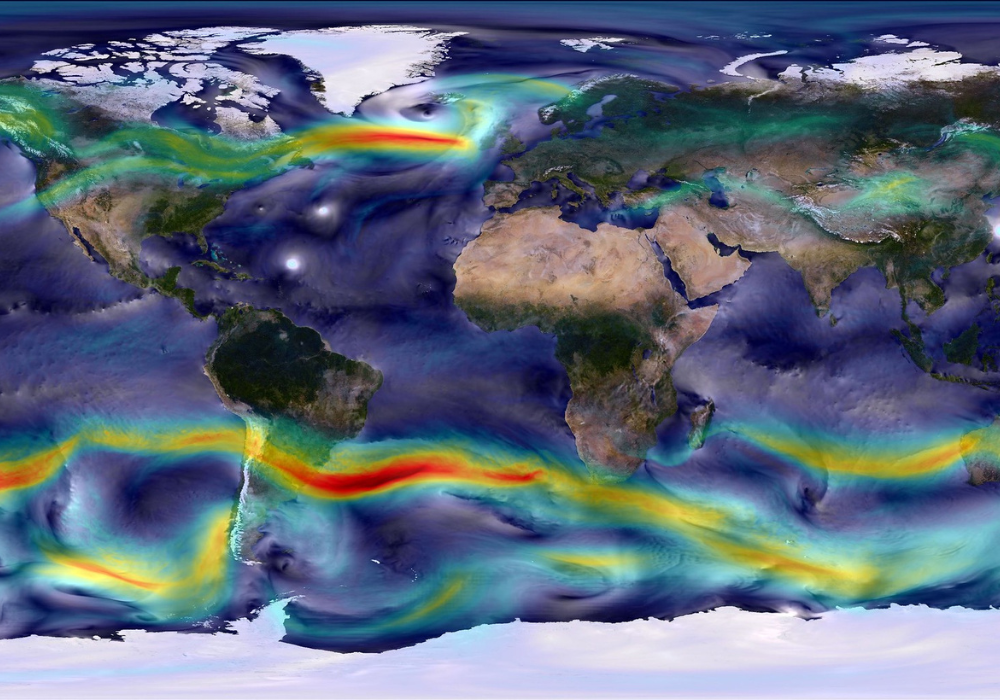
Global winds — the invisible forces shaping our weather — are changing in ways scientists didn’t expect. New research shows that rising global temperatures are throwing these massive air currents off balance, disrupting jet streams, storm paths, and rainfall patterns. The result? Stronger hurricanes, longer droughts, and unpredictable weather that threatens crops, coastlines, and communities worldwide. Experts say these shifting wind speeds may be one of the clearest signs yet that the planet’s climate system is faltering.

Read more

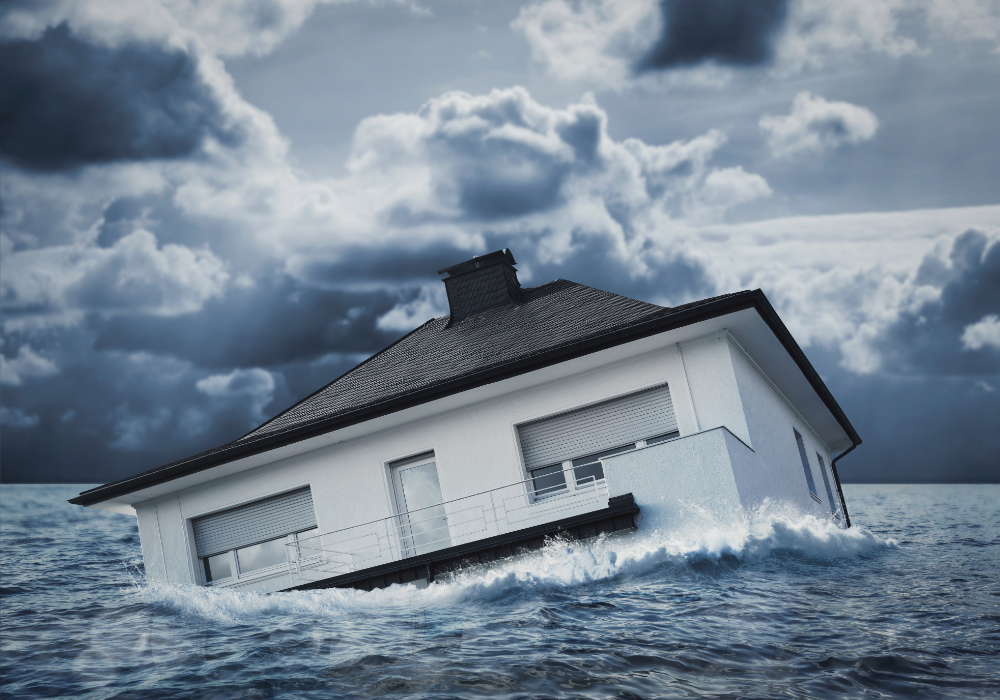
Rising Seas Could Swallow $106 Billion in Property by Mid-Century, Study Finds

According to EPA’s climate impacts report, $106 billion in coastal assets could be submerged by 2050 under current trends.

©Image license via Canva

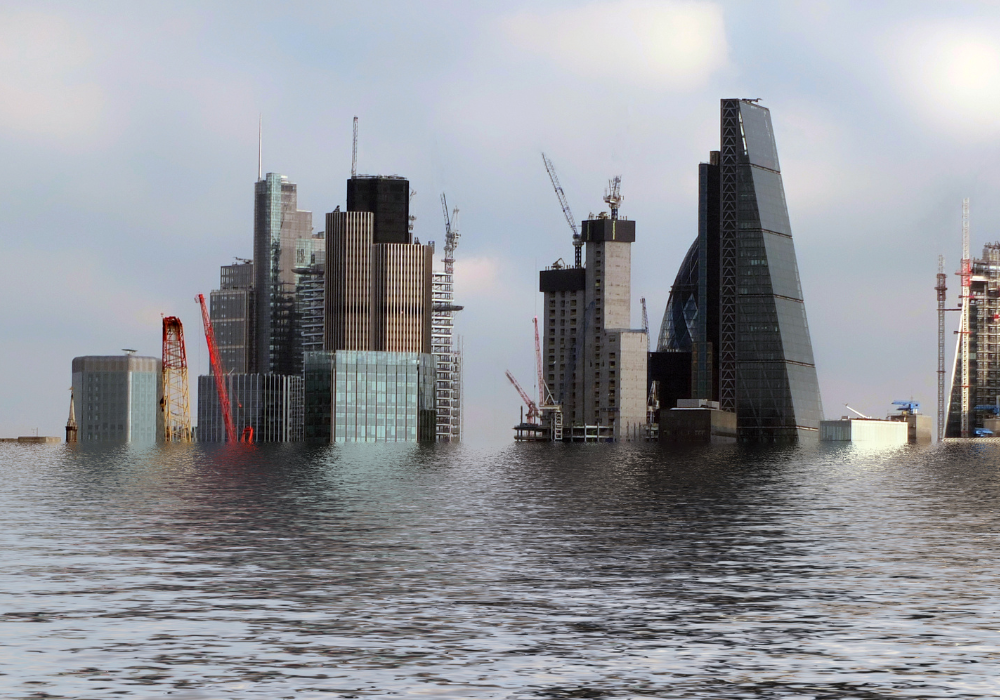
A recent report from the Environmental Protection Agency warns that by 2050, as much as 106 billion dollars’ worth of U.S. coastal property could lie below sea level if current trends continue. This estimate is based on sea level rise models combined with land elevation and property value data, assuming limited adaptation measures. The findings highlight the growing risk that homes, businesses, and critical infrastructure in low-lying coastal regions could become permanently flooded, transforming entire communities and reshaping the nation’s real estate landscape within just a few decades.

Read more

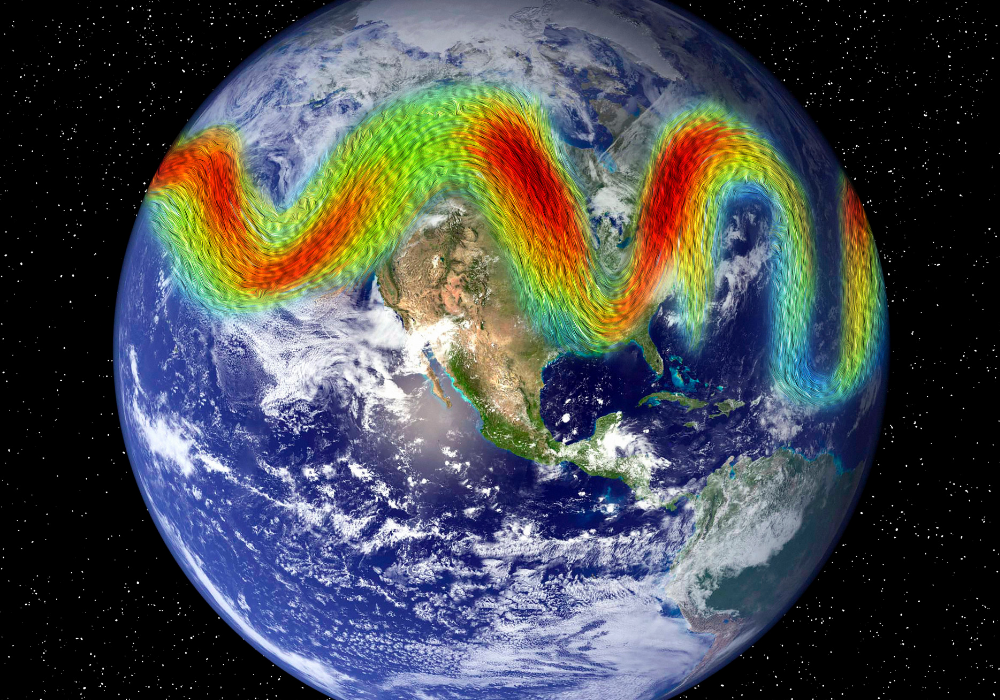
Could Jet Streams Drive an Ice Age? 11 Things to Know

Disrupted jet streams are already fueling extremes—but could they push Earth toward an Ice Age?

Earth from space, jet stream in vivid colors, swirling over North America, daylight, documentary style, no people.
©Image license via Canva

Jet streams are powerful, fast-moving air currents high in the atmosphere that play a key role in shaping weather and climate. They form at the boundaries between warm and cold air masses, guiding storms and temperature shifts across continents. While changes in jet stream patterns can affect temperature and precipitation, ice ages arise from a complex mix of factors beyond jet streams alone, including Earth’s orbit and ocean currents.

Read more

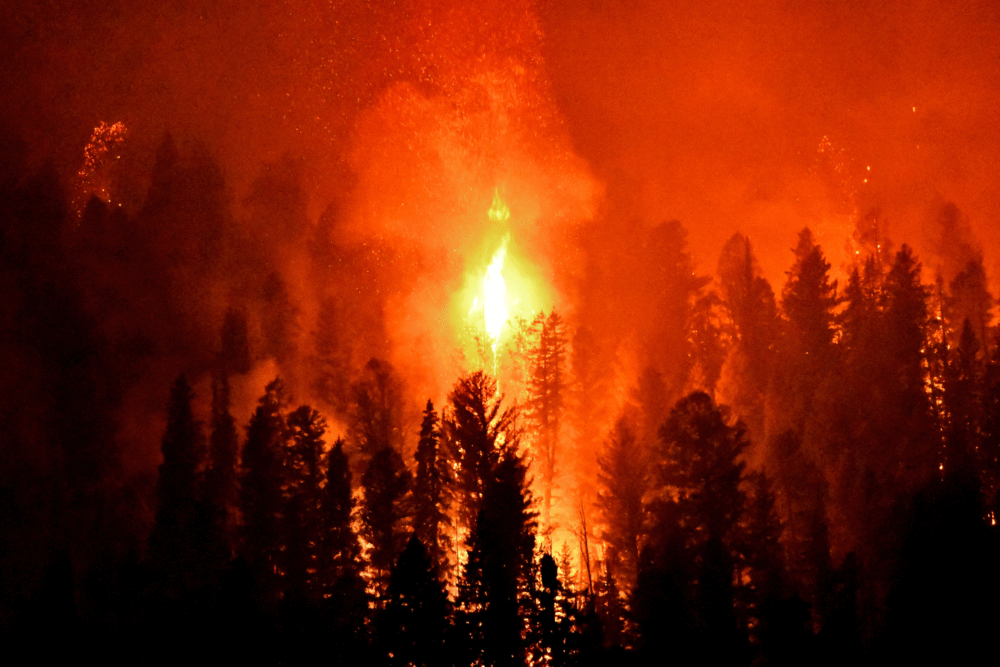
U.S. Wildfires Are Getting Worse —How Climate Change Plays a Role

Experts warn that a warmer, drier climate is turning vast regions of the U.S. into tinderboxes.

©Image license via Canva

Wildfires across the United States have grown more intense and frequent, and climate change is a central factor behind this shift. Rising temperatures and altered precipitation patterns create drier landscapes primed for fire. Longer fire seasons, increased drought, and changes in vegetation all contribute to the escalating wildfire threat. Understanding these connections helps communities adapt and respond to the evolving risk posed by climate-driven wildfires.

Read more

California’s Water Crisis Puts the Whole Country at Risk

California supplies much of America’s food, and shrinking water reserves put farms and communities at risk.

©Image license via Flickr

California is in the middle of a worsening water crisis, and experts say the impact reaches far beyond the state’s borders. Home to nearly 40 million people, California also produces more than a third of America’s vegetables and two-thirds of its fruits and nuts. Shrinking reservoirs, prolonged drought, and overuse of groundwater now threaten both farms and communities. As supplies tighten, the ripple effects could hit food prices, national supply chains, and millions of Americans who depend on California’s harvests.

Read more

Sea Levels Are Rising Faster Than Expected — What It Means for Coastal Cities

New research shows coastal flooding and property risks could arrive decades sooner than once predicted.

©Image license via Canva

Global sea levels are climbing faster than scientists previously predicted, driven primarily by melting ice sheets and warming oceans. This acceleration raises risks of coastal flooding, habitat disruption, and saltwater intrusion, affecting millions who live near shorelines. Understanding the scientific drivers and regional variations helps clarify why sea level rise is both an immediate challenge and a long-term concern. Awareness and adaptation are essential for building resilience in vulnerable communities.

Read more

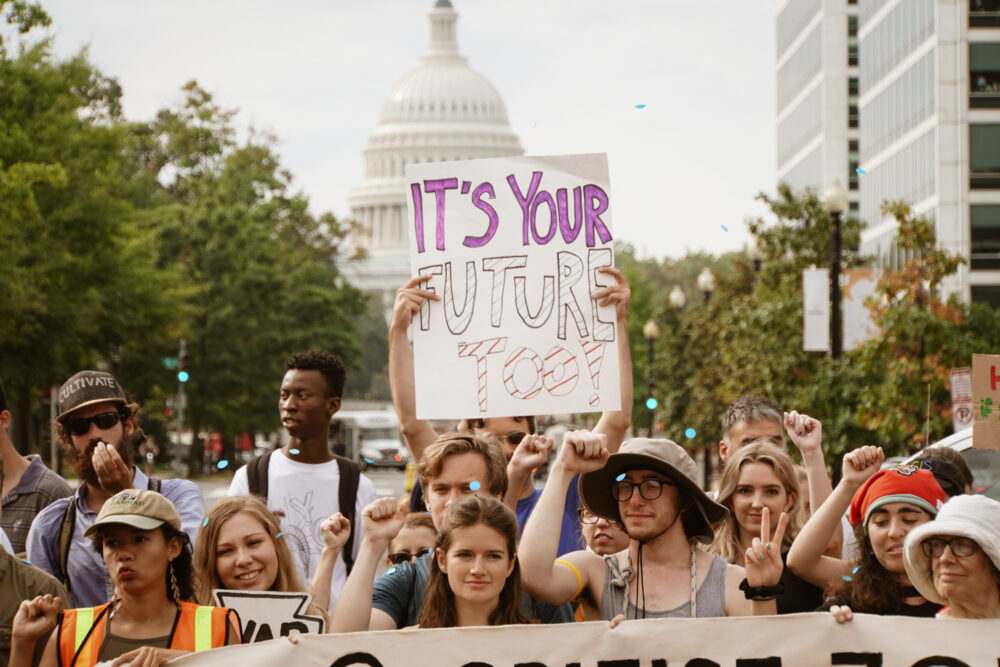
Trump’s $8 Billion Climate Cuts Could Leave Your Wallet Feeling the Heat

After cancelling nearly $7.6B in clean energy funding, dozens of climate projects — and community benefits — may be at risk.

©Image license via The Daily Climate, Ted Eytan

The Trump administration has announced plans to cancel about $7.6 billion in federal funding across more than 200 clean energy and climate-related projects, many of them in Democratic-leaning states. The cuts target initiatives such as hydrogen hubs, battery plants, grid modernization efforts, and carbon capture projects, including a $1.2 billion award for California’s hydrogen program. Officials argue the programs did not adequately advance national energy needs or provide sufficient taxpayer returns, but critics warn the move could harm jobs, innovation, and local economies.

Read more

DOE Bans “Climate Change” and “Emissions” From Official Communications

Staff say the administration ordered the Energy Department to strip climate terms from reports and briefings.

©Image license via Canva

Officials at the U.S. Department of Energy have confirmed they were instructed not to use key terms like “climate change,” “emissions,” or “decarbonization” in reports and public communications. The directive, reportedly handed down during the Trump administration, has raised alarm among scientists and policy experts. Critics argue the ban could distort public understanding of environmental issues and hinder transparency in energy policy. The DOE has not publicly clarified the reasoning, fueling concerns about political interference in scientific language.

Read more

Billions in Property Are at Risk as the East Coast Sinks

Scientists warn that land subsidence, combined with rising seas, threatens homes and infrastructure along the coast.

©Image license via Canva

The East Coast is experiencing a concerning combination of rising sea levels and land subsidence (the gradual sinking or settling of the Earth’s land surface), leading to increased risks of coastal sinking. This gradual sinking results from both natural processes and human activities, intensifying flooding and erosion challenges. As storm surges grow stronger and infrastructure faces mounting pressures, communities need to grasp the causes and consequences of these changes to effectively plan and adapt for a more resilient future.

Read more