Alarming Study Reveals Most of Earth’s Land Faces Serious Risks

A new map shows 60 percent of Earth’s land is pushed beyond safe biosphere limits, with 38 percent in high risk.
©Image license via Picryl

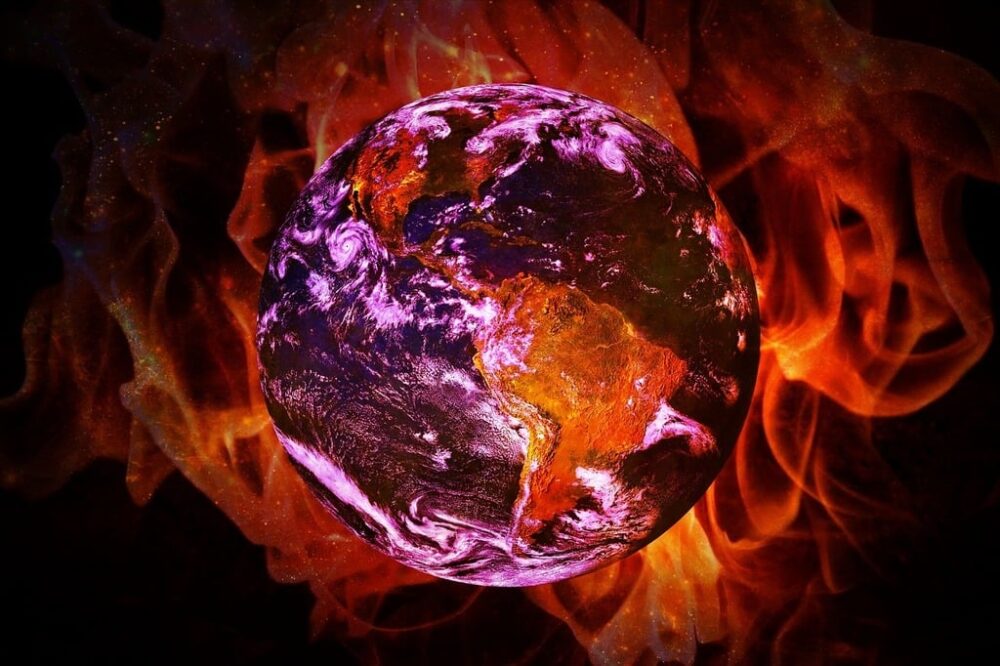
A new study mapping Earth’s “functional biosphere integrity” reveals that around 60 percent of the planet’s land is now operating outside of locally defined safe limits, with 38 percent classified as high-risk. The research, conducted by scientists from the Potsdam Institute for Climate Impact Research and BOKU University in Vienna, measures how much human use of biological productivity disrupts nature’s essential cycles. These findings suggest that the Earth’s ability to self-regulate through photosynthesis, carbon, water, and nitrogen cycles is under severe strain—raising alarms about ecosystem stability worldwide.
Read more

Jane Goodall, Legendary Primatologist and Conservationist, Dies at 91

Her groundbreaking chimpanzee research in Tanzania reshaped science and inspired a global conservation movement.

©Image license via Wikimedia Commons

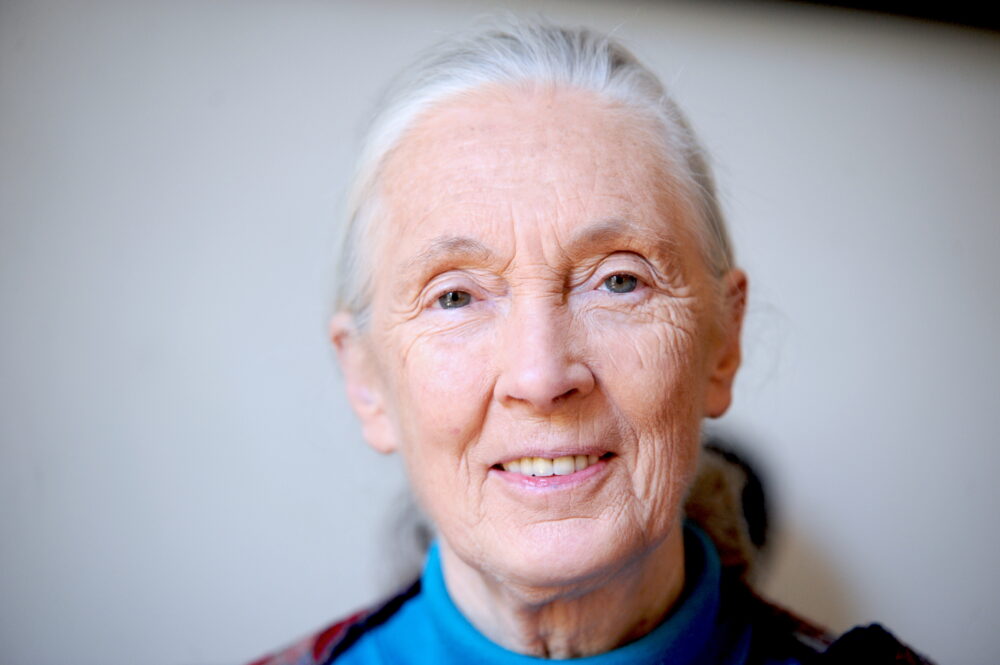
Jane Goodall, the legendary primatologist and conservationist who revolutionized the study of primates, has died at 91. Her death marks the end of an era in wildlife research and global conservation. Goodall first gained worldwide attention in the 1960s for her groundbreaking observations of chimpanzees in Tanzania, where she documented behaviors once thought uniquely human. Over the decades, she expanded her work into environmental advocacy, becoming a leading voice for conservation and animal welfare whose influence will endure for generations.

Read more

10 Climate Domino Effects That Could Spiral Out of Control

Scientists warn that one climate tipping point could set off a chain reaction of global disruptions.

© Image license via iStock

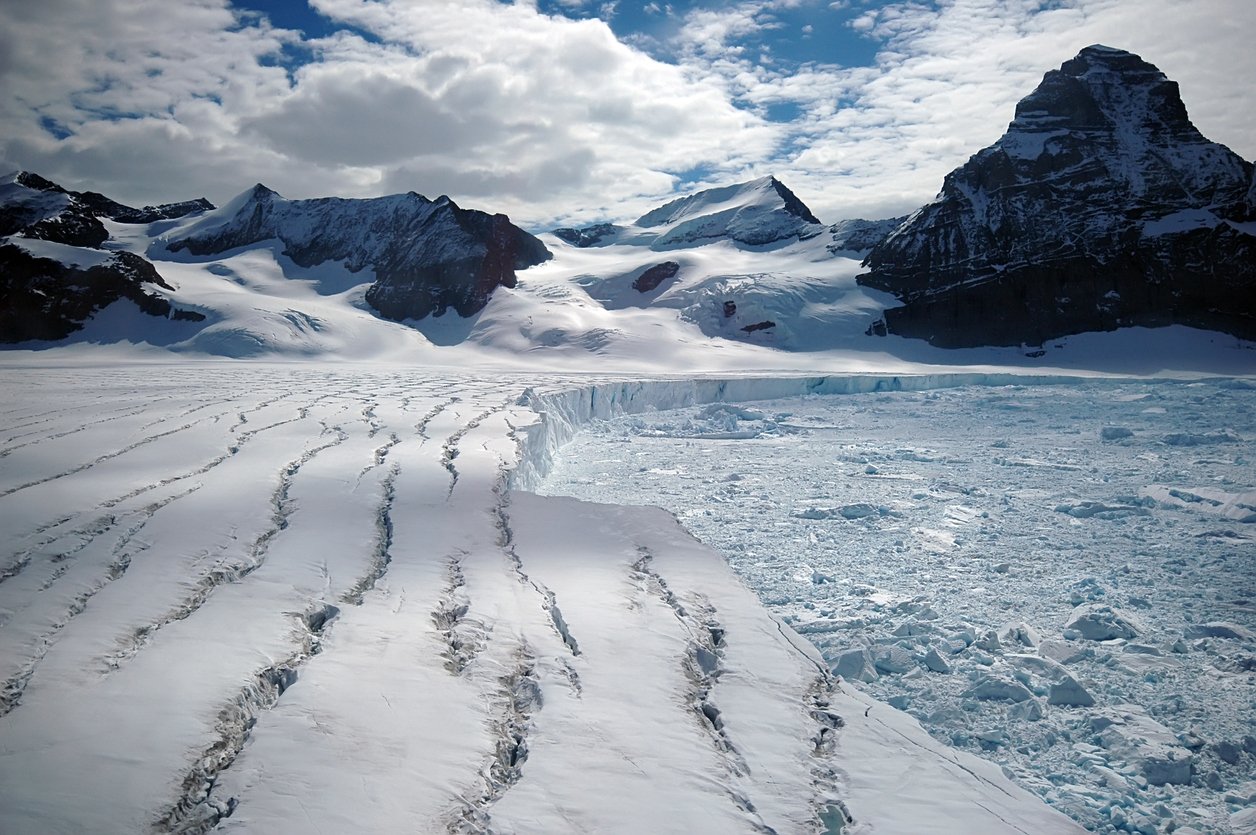
Climate change does not operate in isolation; its effects often trigger a chain reaction of environmental and social consequences known as domino effects. These interconnected events amplify risks and complicate efforts to manage climate impacts. Recognizing these cascading risks, from melting ice sheets to ocean acidification, is essential for developing resilient strategies. Expert agencies like NOAA, NASA, and the IPCC emphasize the importance of addressing feedback loops and tipping points to mitigate future challenges effectively.

Read more

Extreme Weather Fueled by Climate Change Is Driving Up Food Prices Worldwide Study Says

A new study warns climate-driven floods, droughts, and heatwaves are pushing food costs higher across the globe.

Grocery store aisle, surprised older man foreground, mid-frame, bright overhead lighting, documentary style, one person.
©Image license via Canva

A new study published in Environmental Research Letters has found that extreme weather linked to climate change is driving up food prices worldwide. Led by Dr. Maximilian Kotz at the Barcelona Supercomputing Center, the research analyzed recent global data and identified 16 food price spikes tied directly to events such as droughts, heatwaves, and heavy rains. The findings warn that climate-driven disruptions to crops and supply chains are no longer rare occurrences but part of a growing trend that threatens food security across the globe.

Read more

Scientists Warn: Great Barrier Reef Just Had Its Worst Summer Ever

Marine heatwaves caused mass coral bleaching, leaving scientists alarmed about the reef’s survival.

Great Barrier Reef, turquoise water, coral patterns with winding reefs, midday sunlight, editorial travel photo, no people.
©Image license via Canva

The Great Barrier Reef has just endured its worst summer on record, and scientists are sounding the alarm. Unrelenting marine heatwaves fueled by climate change pushed ocean temperatures to extremes, causing widespread coral bleaching across the world’s largest reef system. Experts warn that the damage could take decades to heal—if recovery is even possible. For Australia and the planet, the reef’s decline is a stark reminder of how quickly rising temperatures can unravel fragile ecosystems.

Read more

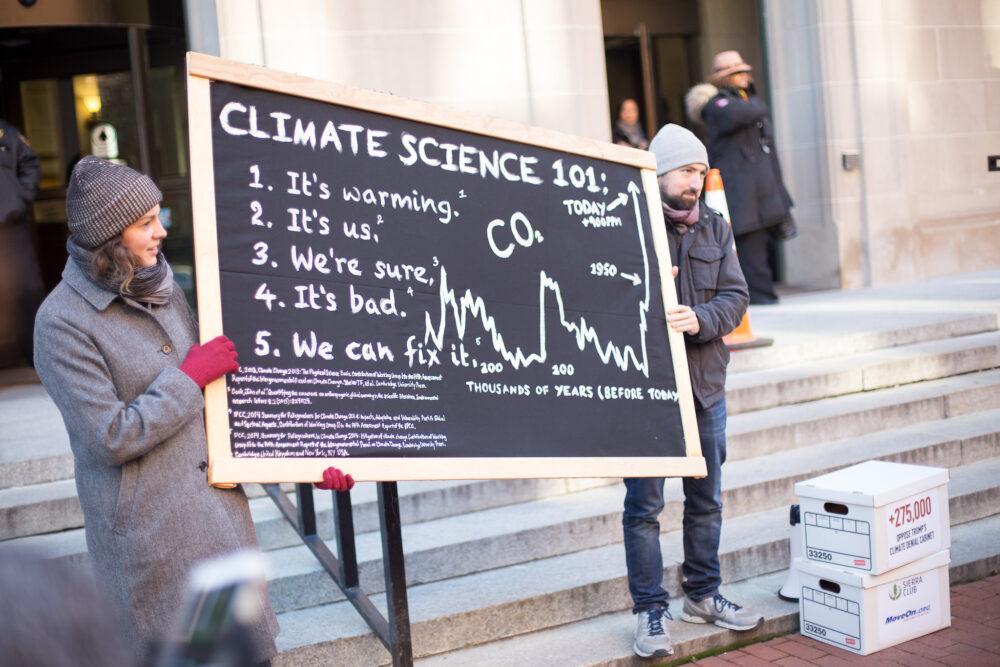
10 False Claims Climate Deniers Push That Are Dead Wrong

Science has clear answers for the myths climate change deniers repeat.

©Image license via Flickr

Many beliefs about climate change stem from misunderstandings or misinformation spread by climate denial. These myths often downplay human influence, question scientific consensus, or confuse short-term weather with long-term climate trends. By examining these ideas through the lens of research from NASA, NOAA, and the IPCC, we can separate fact from fiction and better understand the urgency and reality of climate change facing our planet today.

Read more

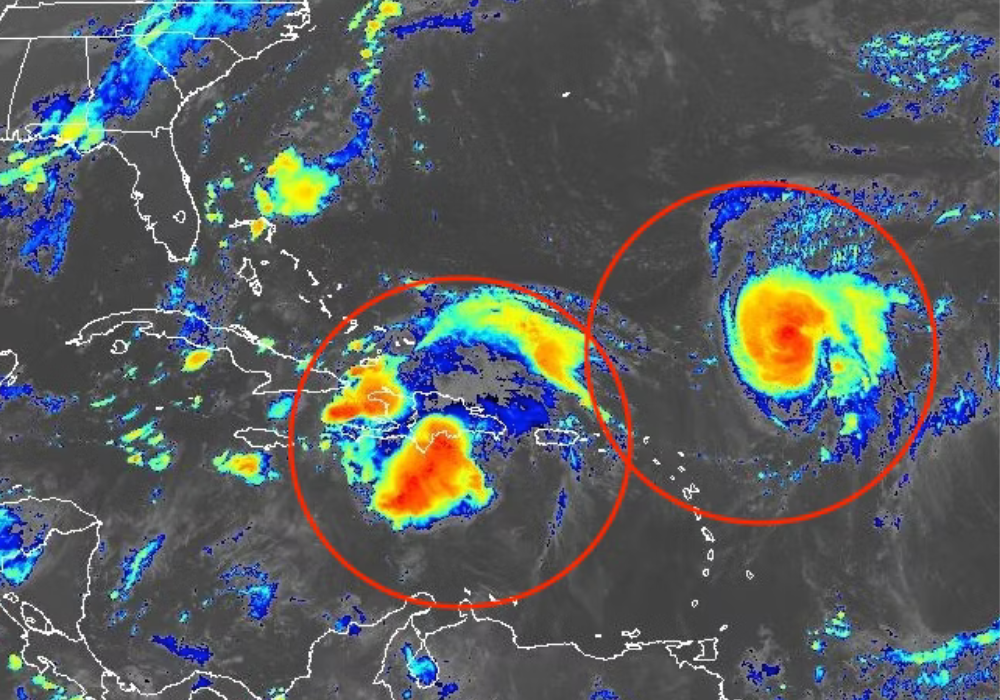
Dangerous Surf and Coastal Flooding as Imelda and Humberto Deliver a One-Two Punch

Forecasters warn of worsening surf and coastal flooding in U.S. as Humberto pulls Imelda out to sea, with Bermuda in the crosshairs.

©Image license via Heute.at

As Tropical Storm Imelda strengthens into a hurricane and rolls away from the U.S. East Coast, it’s already whipping up dangerous surf, coastal flooding, and strong rip currents from Florida through the Carolinas. Meanwhile, Hurricane Humberto looms as a formidable back-to-back threat — it recently peaked as a rare Category 5 and is now expected to pass west of Bermuda as a powerful Category 4. Even though Imelda’s center may stay offshore, its wide reach means coastal areas could still see heavy rain, flooding, and rough seas this week.

Read more

Report Warns Climate Emergency Is Deepening California’s Affordability Crisis

Rising insurance, housing, and energy costs are linked to worsening climate impacts.

©Image license via Canva

A new report from the UC Berkeley Center for Law, Energy & Environment, commissioned by the nonprofit Next 10, warns that the hidden costs of the climate emergency are worsening California’s affordability crisis. The study, The Costs of Climate Change: Financial and Economic Impacts on California, highlights how rising insurance premiums, higher energy bills, health expenses, and lost wages are adding up for residents. Researchers say these impacts will disproportionately hit low- and middle-income families, making one of the nation’s most expensive states even harder to afford.

Read more

China Unveils Bold New Climate Plans as U.S. Faces Rising Climate Denial

Beijing advances new climate goals while U.S. debates continue to stall global progress.

©Image license via Flickr

China has taken a major step in climate diplomacy with a new pledge to cut greenhouse gas emissions by 7 to 10 percent from peak levels by 2035. The country also announced plans to expand wind and solar power sixfold compared with 2020 levels and to boost non-fossil energy sources to more than 30 percent of its total energy mix. In his remarks, President Xi Jinping suggested that global leadership on climate action is shifting, drawing a contrast with rising skepticism and political resistance in the United States.

Read more

New Study Warns Human Impact on Oceans Could Skyrocket by 2050

UC Santa Barbara researchers say climate change and human activity are accelerating ocean stress.

©Image license via Canva

A new study from UC Santa Barbara’s National Center for Ecological Analysis & Synthesis (NCEAS) warns that the cumulative pressure humans place on the world’s oceans could double to 2.6-times current levels by 2050. The research integrates 17 global data sets to model how climate change, overfishing, pollution, acidification, and other human stresses will converge on marine ecosystems. Scientists say the worst impacts may hit coastal, tropical, and polar regions hardest, with cascading risks for biodiversity, fisheries, coastal protection, and the communities that depend on them.

Read more