Atlantic Hurricane Forecast Turns Chaotic, Experts Warn

Meteorologists say shifting winds and ocean patterns are making storm predictions difficult.
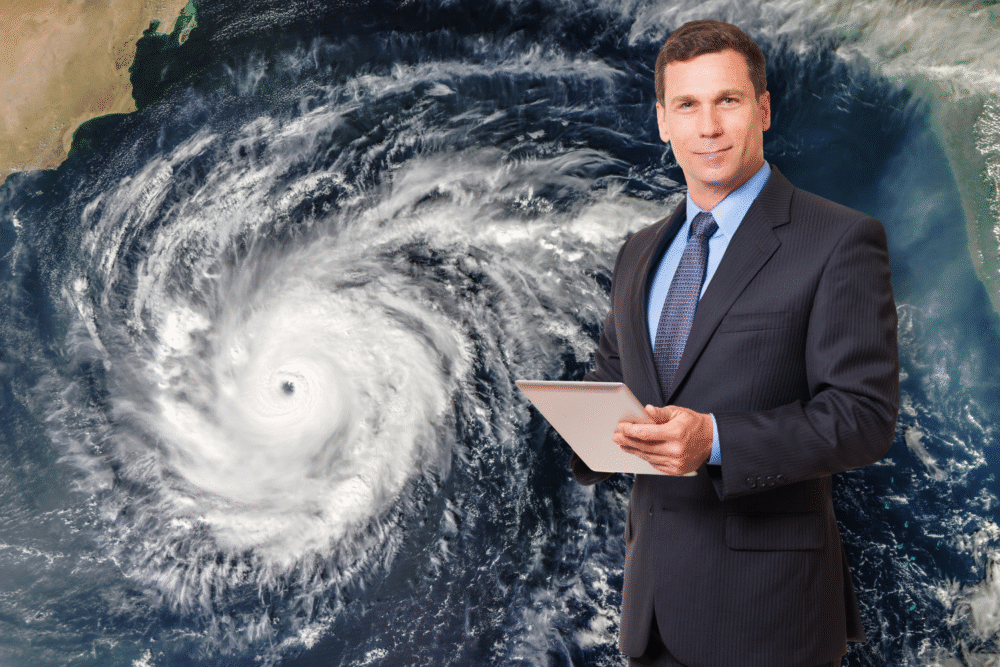
©Image license via Canva

Forecasters say the Atlantic hurricane outlook has grown unusually chaotic, with shifting winds and unstable ocean patterns making predictions far more difficult than normal. Meteorologists describe the upper-air conditions as highly unpredictable, creating challenges for tracking how storms may form or intensify. While this doesn’t mean hurricanes are guaranteed to be stronger, it does mean forecasts could change quickly. Experts warn that such unstable patterns highlight the need for vigilance as the peak of hurricane season continues.

Read more

10 U.S. States Safest From Natural Disasters, According to Experts

Experts identify states with consistently low natural disaster risks based on geographic and climatic factors.

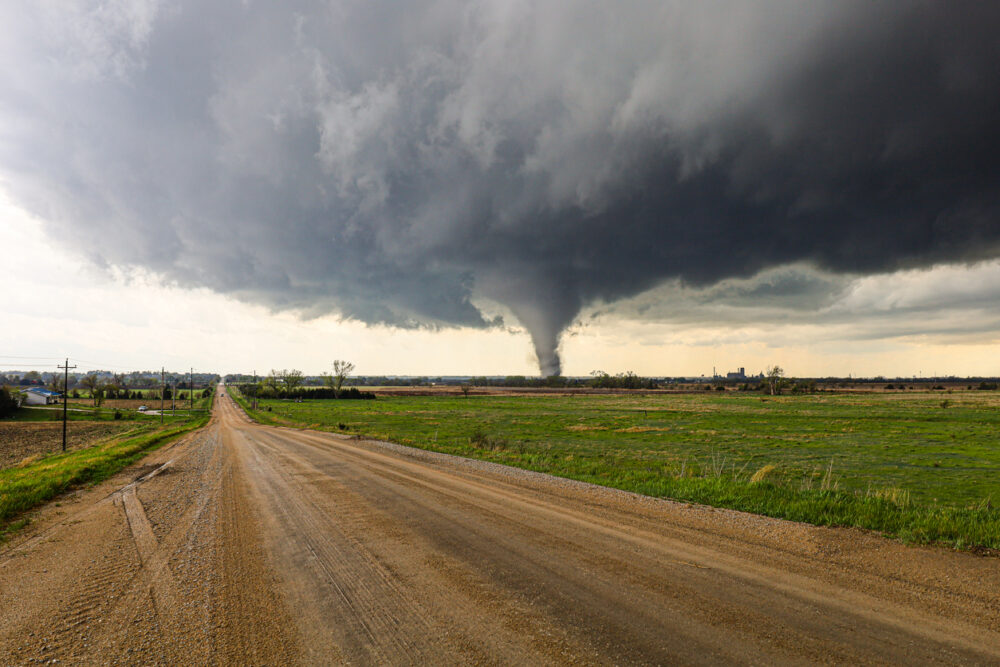
Rural prairie, tornado in distance, open fields, late afternoon storm light, documentary style landscape, no people.
©Image license via Canva

Navigating the complexities of natural disaster risks can be challenging, but expert analyses help highlight states with relatively lower exposure. From the rugged coastlines of Maine to the mountainous terrain of Vermont, these states benefit from geographic and climatic conditions that minimize common threats like hurricanes, earthquakes, and tornadoes. Understanding these factors is crucial for making informed decisions about where to live or travel, supported by data from agencies like FEMA and the National Weather Service.

Read more

10 Catastrophic Disasters Scientists Say Could Strike the World

Scientists identify ten potential disasters with far-reaching global consequences and impacts.

©Image license via Canva

Scientists from leading agencies like NASA, USGS, and the IPCC warn of catastrophic disasters that could profoundly impact life on Earth. These events range from natural phenomena such as supervolcanic eruptions and megathrust earthquakes to human-influenced risks like cyberattacks and nuclear conflict. Understanding these hazards helps communities prepare, mitigate risks, and develop emergency responses rooted in scientific research and global cooperation.

Read more

New Nature Study Traces Heatwaves Since 2000 Back to Major Fossil Fuel Producers

Researchers link decades of extreme heat directly to emissions from major fossil fuel companies.

©Image license via Canva

A new study published in the journal Nature directly links every major heatwave since 2000 to emissions from the world’s largest fossil fuel companies. Researchers found that carbon pollution from these corporations has made extreme heat events not only more frequent but also more intense and deadly. The findings highlight how corporate emissions have fueled decades of dangerous warming, placing responsibility for worsening climate impacts squarely on the shoulders of the biggest fossil fuel producers.

Read more

Experts Say Future Summers May Turn Deadly—12 Stark Predictions

Scientists fear tomorrow’s summers could bring extreme danger and unprecedented change.

©Image license via iStock

Summer has always been a season people look forward to, but scientists say it’s rapidly becoming one of the most dangerous times of the year. Rising global temperatures are fueling record-breaking heatwaves, straining power grids, and threatening public health. Experts warn that what once felt like a carefree stretch of warm weather is shifting into something far more perilous, with consequences that could reshape how we live, work, and even survive.

Read more

The Nor’easter Pattern That Can Unleash Three Storms Back-to-Back

Meteorologists warn a rare setup could pound the East Coast with multiple powerful storms.

©Image license via Canva

Nor’easters are powerful storms that develop along the East Coast, driven by the collision of cold Arctic air and warm Atlantic waters. These weather systems often bring heavy snow, strong winds, and coastal flooding, sometimes producing multiple storms in succession. Understanding the atmospheric conditions and impact of these storms helps clarify why they can cause extended disruptions across several states, highlighting their significance in weather forecasting and regional preparedness.

Read more

One of America’s Most Hazardous Volcanoes Shows Signs of Major Eruption

Experts are monitoring Mt. Spurr closely as seismic activity raises concern.

©Image license via Picryl

Mt. Spurr, a volcano about 80 miles west of Anchorage, has shown signs of unrest that experts say make an eruption “likely” within the next few weeks to months. Volcanic gas emissions, hundreds of small, shallow earthquakes, rising ground deformation, and reactivated gas vents at its Crater Peak vent are all pushing Alaska Volcano Observatory scientists to warn residents. While no eruption is certain, officials are urging people in Southcentral Alaska to prepare for ashfall, travel disruptions, and possible health risks.

Read more

NASA Keeps Revising the Odds of an Asteroid Striking Earth in 2032

Updated models show why predicting asteroid paths decades in advance is trickier than it sounds.

©Image license via Canva

NASA scientists keep updating the chances that an asteroid could hit Earth in 2032—and it’s leaving some people uneasy. The changes don’t mean danger is rising, but rather that predictions improve as more telescope data comes in. Tracking space rocks decades ahead is notoriously tricky, since small shifts in orbit can change long-term odds. Experts stress Earth is still very unlikely to be struck, but the constant revisions highlight how uncertain asteroid forecasts can be.

Read more

Oldest Dome-Headed Dinosaur Unearthed in Mongolia’s Desert

Scientists say the find rewrites part of dinosaur history and reveals an ancient ancestor.

©Image license via Wikimedia Commons

Deep in Mongolia’s Eastern Gobi, paleontologists have uncovered Zavacephale rinpoche, the oldest dome-headed dinosaur ever found. Its exquisitely preserved skull was exposed “on a cliff like a cabochon jewel,” giving scientists a rare, almost complete look at a pachycephalosaur from the Early Cretaceous, about 115-108 million years ago. The specimen isn’t fully grown—but already sports a full dome, challenging the idea that skull domes only form in adulthood. At under one meter long and about ten kilograms, it offers fresh clues about dinosaur evolution.

Read more

Historic Treaty to Protect Ocean Life Finally Clears Last Hurdle

Nations unite to protect endangered ocean species after years of tough negotiations.

©Image license via Canva

Ocean conservation just made history. The High Seas Treaty, a landmark pact to protect international waters, has now reached its 60th ratification, the threshold needed to become legally binding. Marine scientist Dr. Katie Matthews, Chief Scientist at Oceana, called it “the first time we have the legal foundation to safeguard marine diversity in waters that belong to everyone and no one at the same time.” Covering two-thirds of Earth’s oceans, the treaty addresses growing threats from overfishing, mining, and climate change.

Read more