Study Warns Most Atlantic Corals Will Soon Stop Growing

Warming seas and acidification are putting the region’s coral reefs on the edge of collapse.
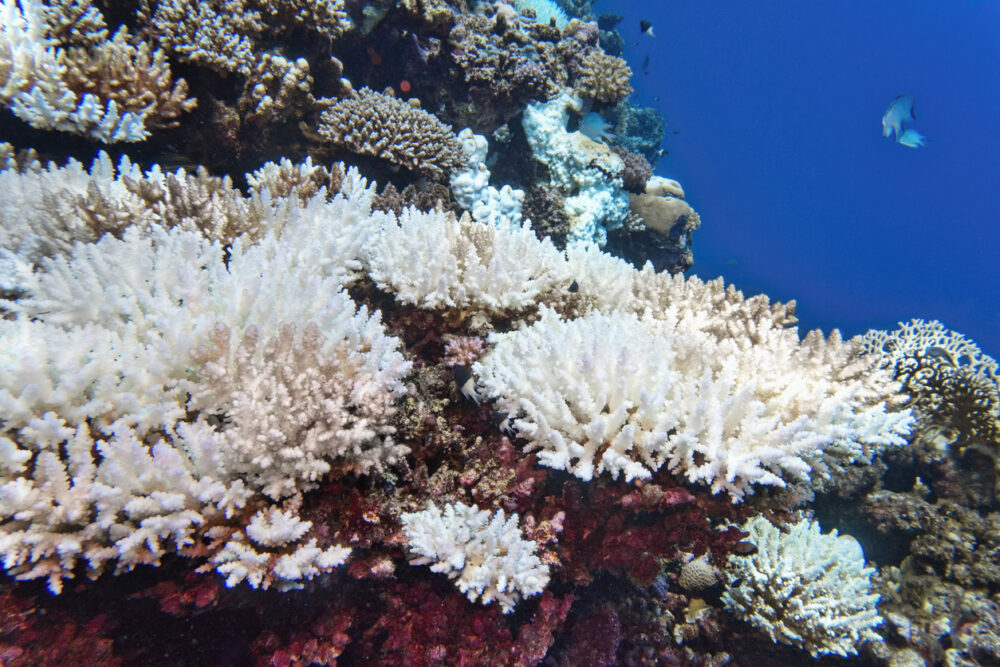
Underwater reef, bleached coral foreground, deep blue contrast, daylight, documentary style, no people.
©Image license via iStock

A new study published in Nature paints a grim picture for coral reefs in the western Atlantic. Researchers analyzed more than 400 reef sites and fossil reef records, concluding that most corals from Florida to Bonaire will stop growing by 2040. The study, led by Professor Chris Perry of the University of Exeter, warns that if global warming exceeds 2°C, over 99 percent of reefs could be eroding by 2100, leaving marine ecosystems dangerously vulnerable.

Read more

Astronomers Stunned by Black Hole Growing 2.4 Times Faster Than Physics Predicts

The early-universe object is devouring matter at rates once thought impossible.

©Image license via Canva

Astronomers have spotted a black hole that seems to be breaking the rules of physics. According to new research, the object is growing 2.4 times faster than current theories say should be possible. Found in the early universe, this black hole is swallowing matter at an almost unbelievable rate. Scientists say the discovery challenges long-held ideas about how black holes form and grow, forcing researchers to rethink one of space’s biggest mysteries.

Read more

The Surprising Way Hurricanes Actually Get Their Names

Behind every hurricane name is a careful process led by international meteorologists.

©Image license via Wikipedia

Hurricane names are not chosen randomly but follow a well-organized process managed by international agencies like the World Meteorological Organization and NOAA. Each storm receives a name once it reaches tropical storm strength, helping meteorologists and the public track and prepare for severe weather more effectively. The system also respects cultural sensitivities and retires names of notably destructive hurricanes to honor affected communities.

Read more

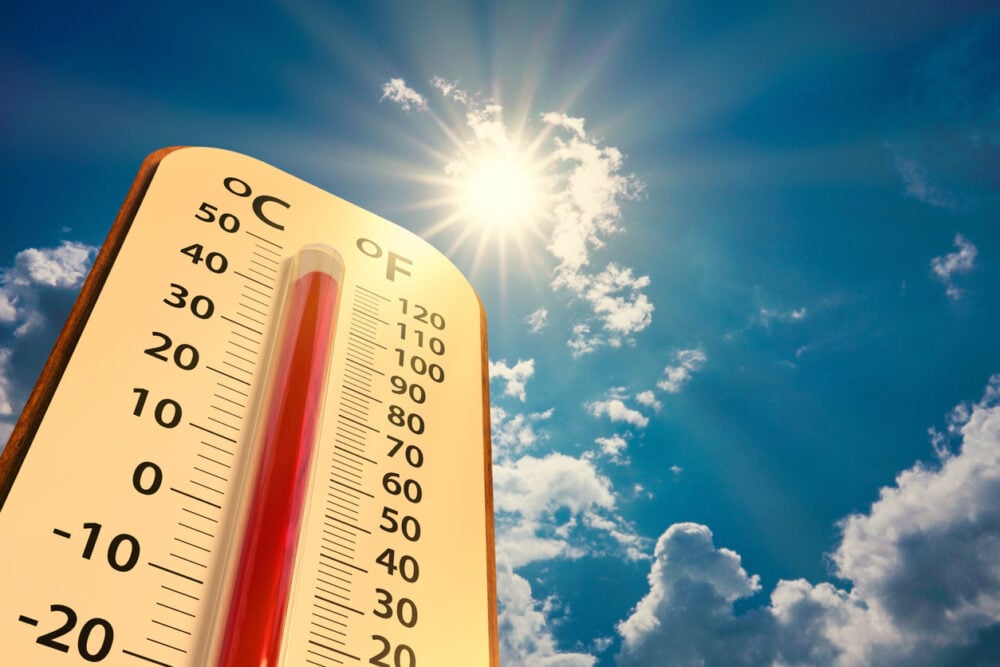
Life on a 4-Degree Hotter Planet May Be Almost Unrecognizable

A 4-degree temperature rise causes drastic environmental and societal changes worldwide.

Outdoor plaza, oversized thermometer, vertical composition, midday sunlight with blue sky, editorial travel photo, no people.
©Image license via Canva

A 4-degree Celsius increase in Earth’s average temperature will trigger widespread consequences impacting ecosystems, weather patterns, human health, and economies. Experts from NASA, IPCC, NOAA, and more warn that such warming intensifies sea level rise, extreme weather, and biodiversity loss, disrupting food and water security. Understanding these risks highlights the urgent need for global climate action and adaptation efforts to minimize harm and protect communities.

Read more

Scientists Reveal How Los Angeles Wildfires Leave a Mark on the Ocean

Scientists warn wildfire pollution is reshaping delicate ocean environments.

©Image license via Canva

Los Angeles wildfires leave a mark far beyond the charred landscapes, extending deep into marine ecosystems. Recent scientific research reveals that wildfire runoff and ash deposition significantly alter ocean water quality and nutrient balance. These changes affect everything from microscopic microbes to coral reefs, reshaping coastal habitats and influencing the delicate interplay between land and sea. Understanding these impacts highlights the interconnectedness vital to protecting both environments.

Read more

A Giant Asteroid the Size of a Skyscraper Is Approaching Earth, NASA Warns

NASA confirms the massive space rock will make a close but safe pass by our planet.

©Image license via Canva

NASA is closely tracking a skyscraper-sized asteroid as it makes a close approach to Earth. The massive space rock, which spans hundreds of feet, is expected to pass safely at a distance far greater than the Moon. While there is no danger of impact, scientists say events like this highlight the importance of monitoring near-Earth objects. These encounters serve as reminders of the constant activity happening in our solar system.

Read more

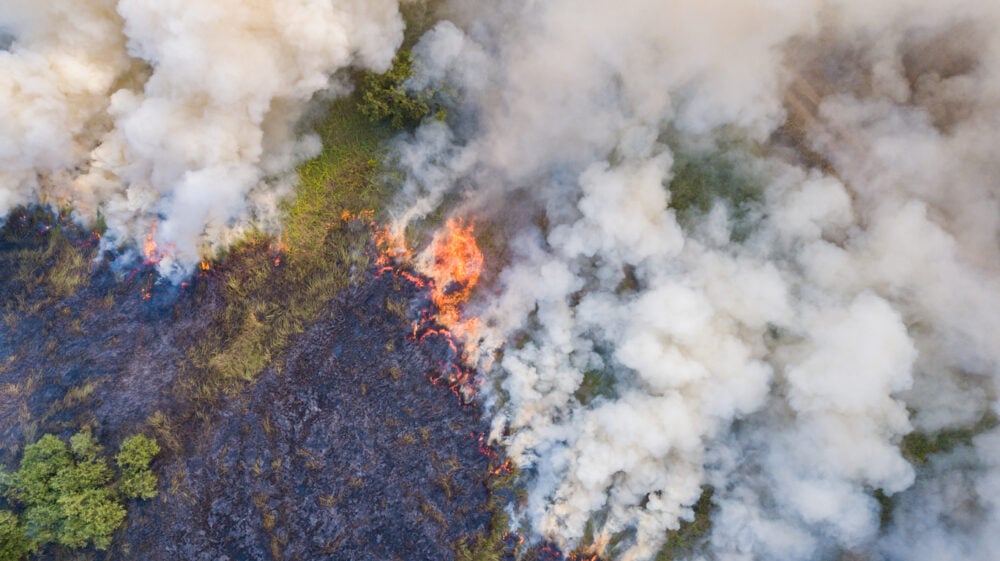
New Study Warns Wildfire Smoke Tied to Climate Change Could Lead to a Surge in U.S. Deaths

New analysis warns wildfire smoke may become one of the deadliest effects of climate change.

Forest edge, wildfire center, thick smoke columns, overhead daylight, documentary style, no people.
©Image license via Canva

A new study published in the journal Nature warns that smoke from climate-driven wildfires will likely cause a sharp rise in premature deaths across the United States. Researchers found that as rising temperatures fuel larger and more frequent blazes, smoke pollution will increasingly threaten public health. The report highlights that tiny particles carried by wildfire smoke can worsen heart and lung disease, creating a mounting health crisis as climate change continues to intensify fire seasons.

Read more

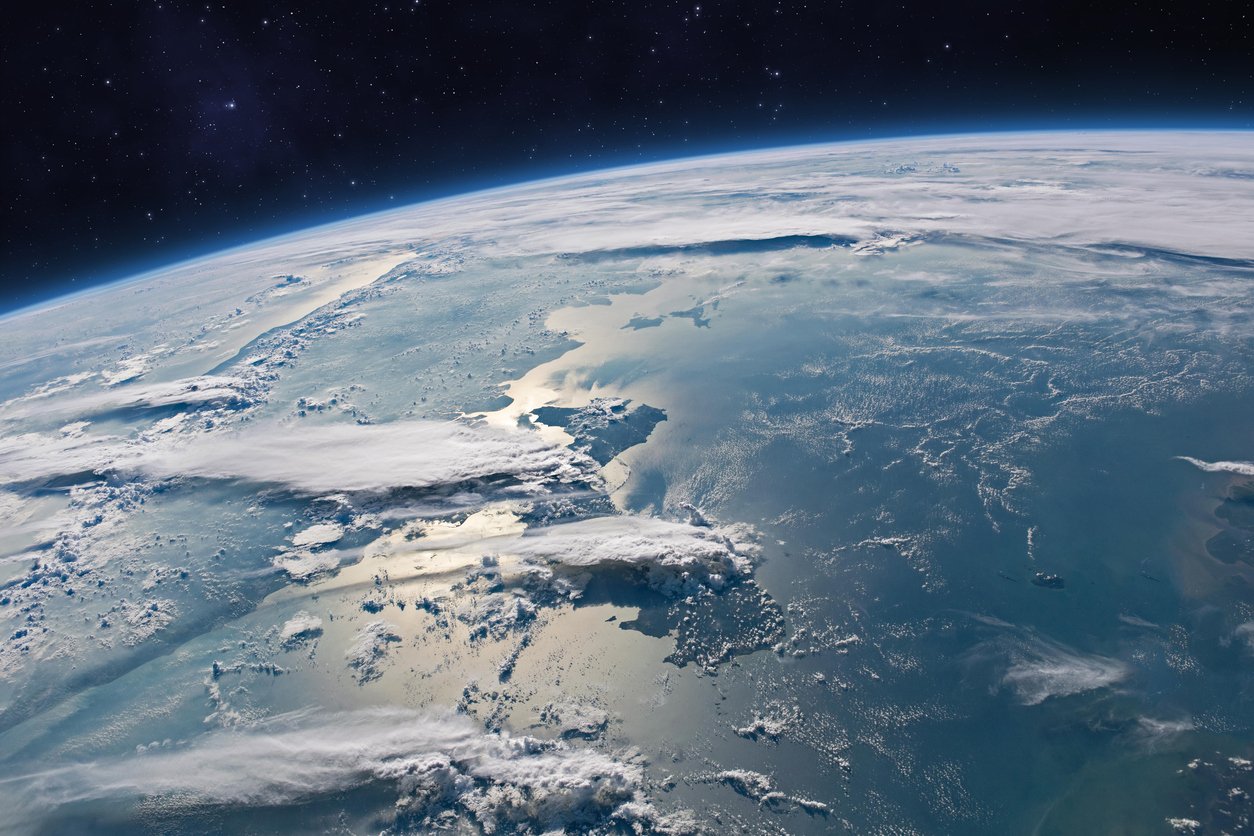
NASA Satellites Now Spot Sewage Polluting the Seas

Satellites reveal troubling sewage hotspots along coastlines across the globe.

© Image license via iStock

NASA satellites utilize remote sensing technology to track sewage pollution across vast ocean surfaces, offering a comprehensive view unattainable by traditional methods. By detecting chemical signatures and monitoring changes in water quality, these satellites help identify pollution hotspots and track contamination spread over time. Although satellite data requires ground verification and expert analysis, it significantly enhances the understanding and management of marine sewage pollution.

Read more

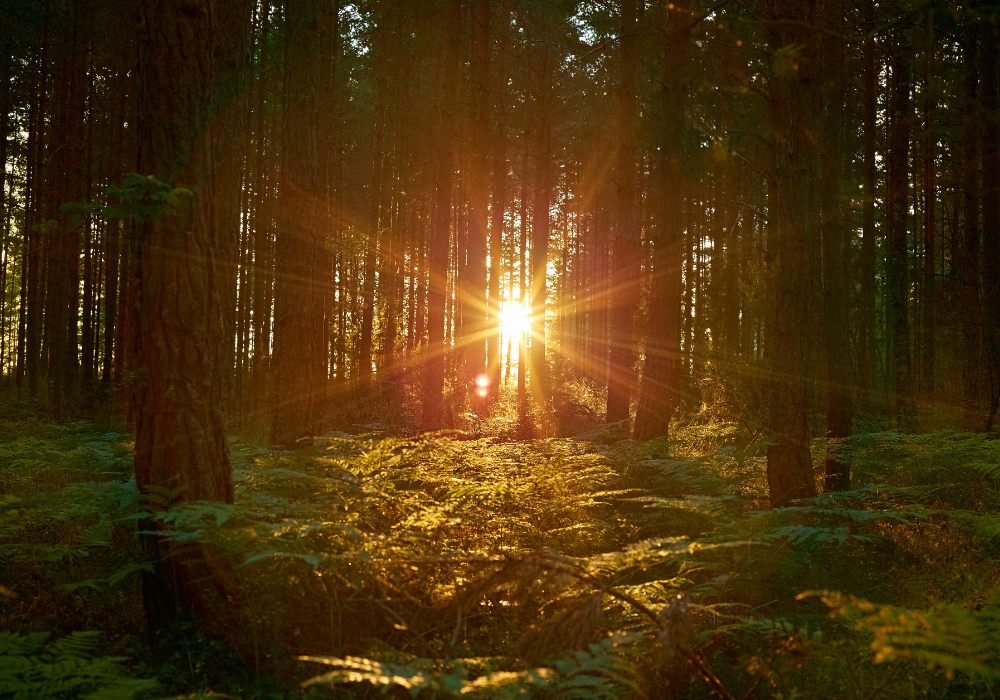
Scientists Reveal the Hidden Network That Lets Trees Talk to Each Other

New research shows trees send warnings, share resources, and even nurture their neighbors.

©Image license via Canva

Trees communicate in fascinating and complex ways that extend far beyond visible signals. Through underground fungal networks called mycorrhizal systems, chemical emissions, electrical signals, and root interactions, they exchange crucial information about environmental stresses, resource availability, and threats. Understanding these mechanisms unveils the sophisticated symbiosis sustaining forest ecology, supported by research from USGS, NASA, UC San Diego, EPA, and the National Weather Service.

Read more

Is It Too Late to Stop Climate Change? 12 Reasons Not to Give Up

Despite alarming warnings, evidence shows humanity still has time to act.

©Image license via Canva

Despite the enormity of climate change challenges, there remain compelling reasons to hold onto hope and continued action. From technological breakthroughs and increasing public awareness to stronger government policies and youth activism, numerous factors work together to slow global warming. Expert organizations like NASA and the IPCC emphasize that sustainability and resilience initiatives can still shape a healthier future for our planet, reinforcing the importance of collective commitment and innovation.

Read more