
According to EPA’s climate impacts report, $106 billion in coastal assets could be submerged by 2050 under current trends.
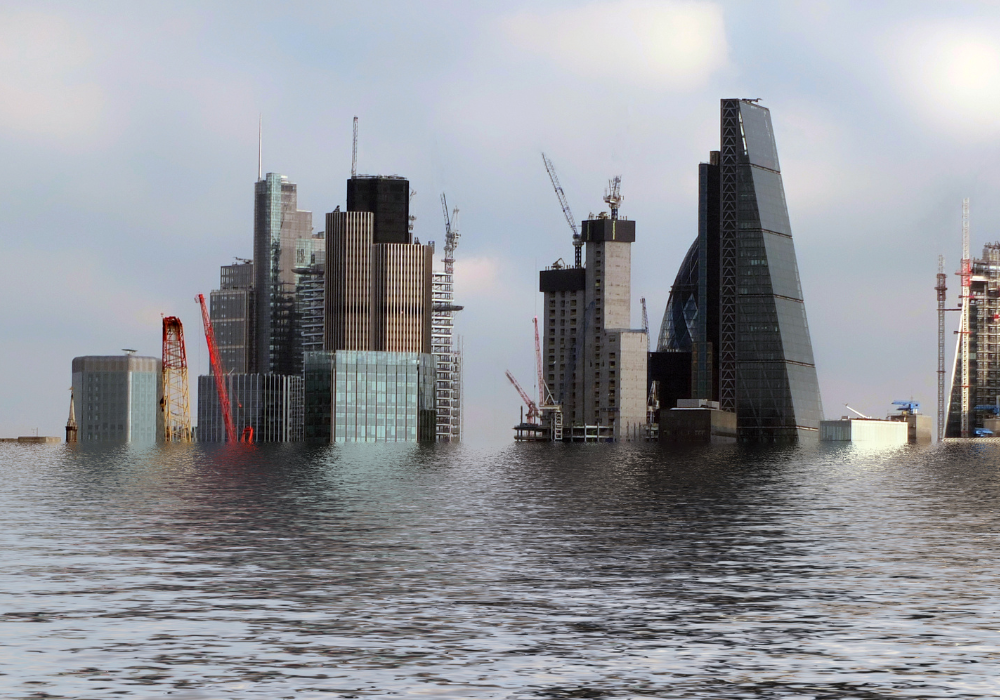
A recent report from the Environmental Protection Agency warns that by 2050, as much as 106 billion dollars’ worth of U.S. coastal property could lie below sea level if current trends continue. This estimate is based on sea level rise models combined with land elevation and property value data, assuming limited adaptation measures. The findings highlight the growing risk that homes, businesses, and critical infrastructure in low-lying coastal regions could become permanently flooded, transforming entire communities and reshaping the nation’s real estate landscape within just a few decades.
1. Billions in Coastal Property Could Be Permanently Submerged by 2050
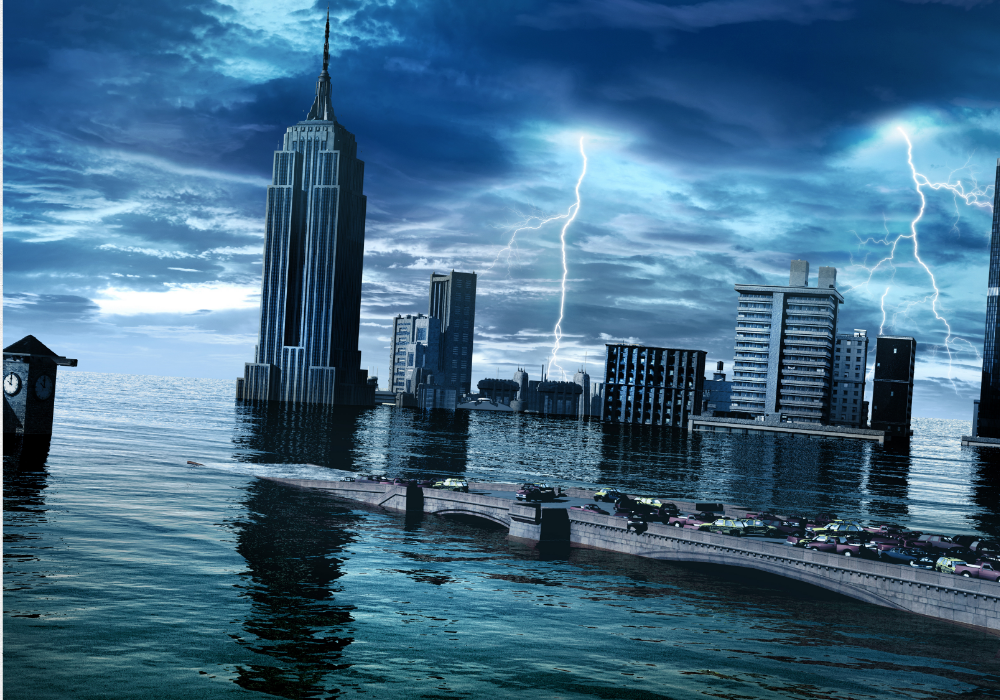
The EPA warns that by mid-century, billions of dollars in U.S. real estate may end up below sea level. Rising oceans, driven mainly by melting glaciers and thermal expansion, are already swallowing coastal land inch by inch.
If sea levels continue rising at the current rate, neighborhoods in Florida, Louisiana, and along the Eastern Seaboard could see chronic flooding or complete submersion. The projection assumes no major improvements to sea walls or flood defenses — meaning large portions of today’s coastal property market could literally vanish beneath the tides.
2. Florida Faces the Highest Property Losses
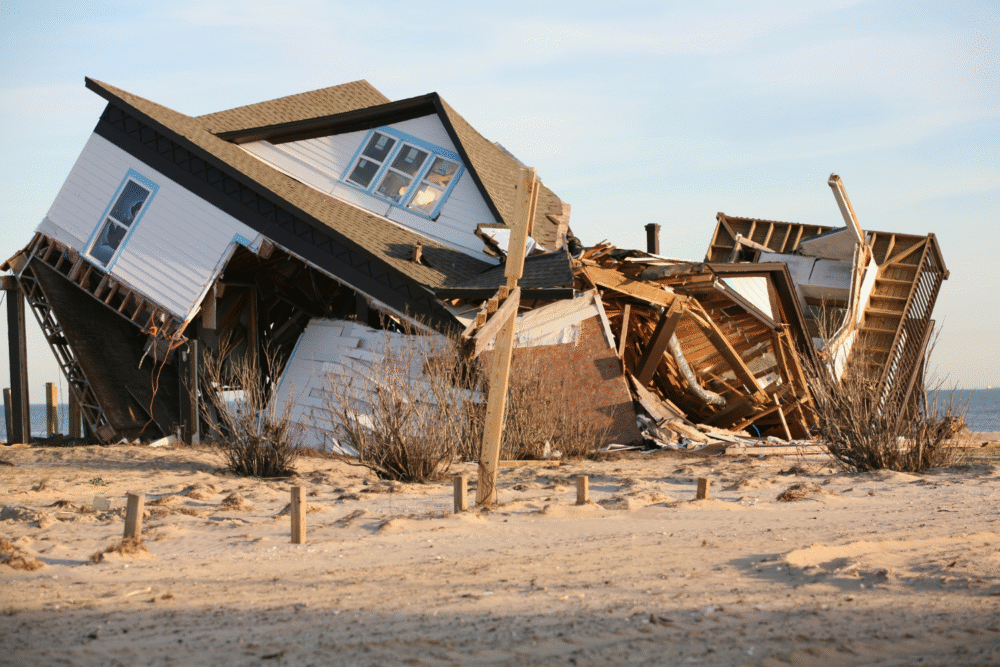
Florida’s low elevation and dense coastal development make it especially vulnerable to rising seas. The EPA estimates that Florida could account for nearly half of all projected U.S. property losses by 2050.
Cities like Miami, Fort Lauderdale, and Tampa are already seeing “sunny day flooding” — high tides that flood streets even on clear days. Without rapid adaptation, billions of dollars’ worth of homes and infrastructure could be underwater, leaving homeowners, insurers, and local economies struggling to recover from recurring flood damage.
3. Rising Seas Threaten More Than Just Homes
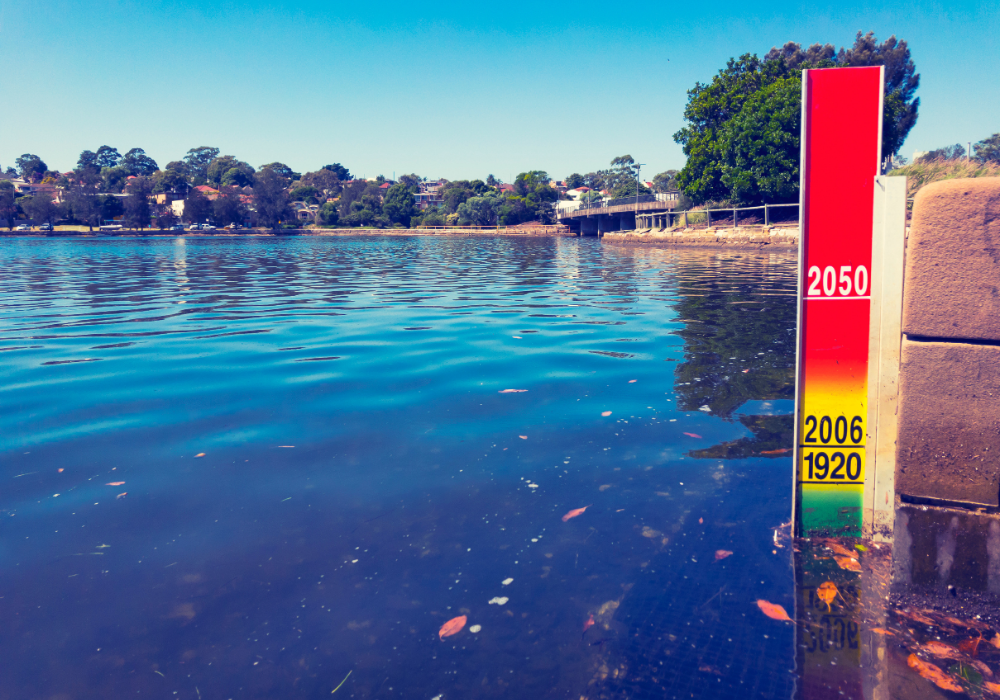
It’s not just houses that are at risk — rising sea levels threaten ports, airports, roads, and power plants built near the coast. Many of these facilities were designed decades ago with little consideration for modern flood risk.
Experts warn that repeated flooding could disrupt energy systems, supply chains, and transportation networks vital to millions of Americans. Once these areas become permanently inundated, relocation or massive infrastructure overhauls may be the only options left to prevent long-term economic loss.
4. Flood Insurance Costs Are Already Soaring

As flood risk grows, insurance premiums are climbing sharply — and in some cases, coverage is being dropped entirely. Homeowners in coastal areas have seen insurance costs rise by double digits in recent years.
Federal flood insurance programs are also facing strain, as payouts surge after each storm or major flooding event. Experts say these costs will only continue to climb as sea levels rise, potentially pricing many families out of high-risk regions and reshaping the U.S. housing market.
5. Some Communities May Face “Managed Retreat”

“Managed retreat” — the strategic relocation of people and infrastructure away from high-risk zones — is increasingly being discussed as a long-term solution. While controversial, it may become necessary for certain low-lying coastal communities.
Local governments from Louisiana to North Carolina have already begun considering relocation programs for neighborhoods that flood frequently. Experts say moving entire communities is emotionally and economically difficult, but in some places, staying put could eventually be impossible.
6. The Southeast and Gulf Coasts Are Most at Risk
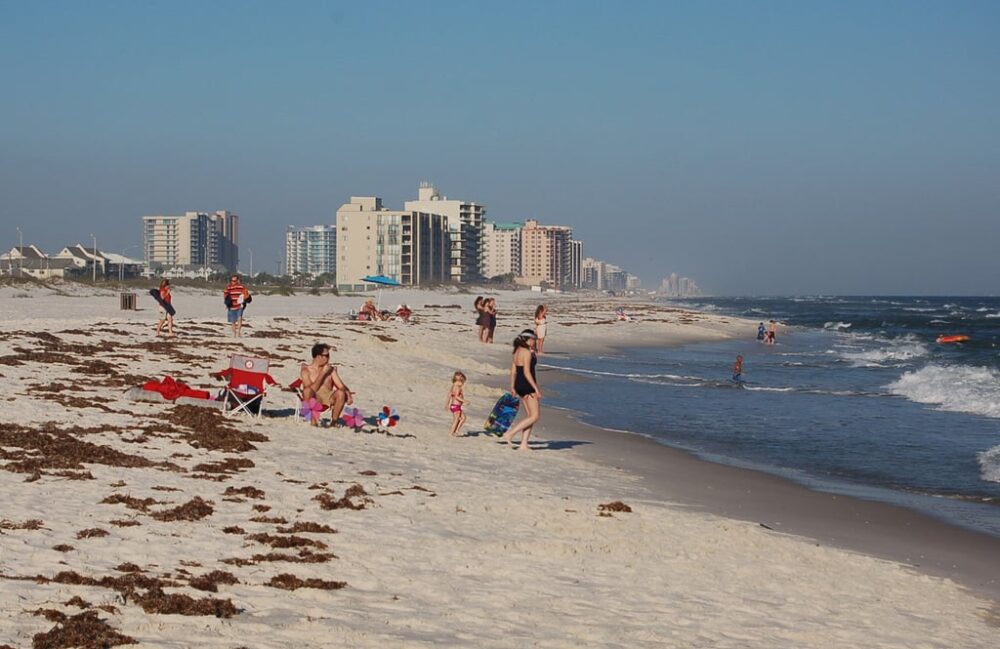
The EPA identifies the Southeast and Gulf Coasts as two of the most vulnerable regions to sea level rise. These areas combine low-lying geography with rapid population growth and significant economic activity.
In states like Texas, Alabama, and Mississippi, coastal wetlands that once acted as natural buffers against flooding are disappearing. This loss of protection, coupled with stronger storms and rising tides, leaves millions of residents in harm’s way and puts major infrastructure at increasing risk of inundation.
7. Sea Level Rise Is Accelerating Faster Than Expected
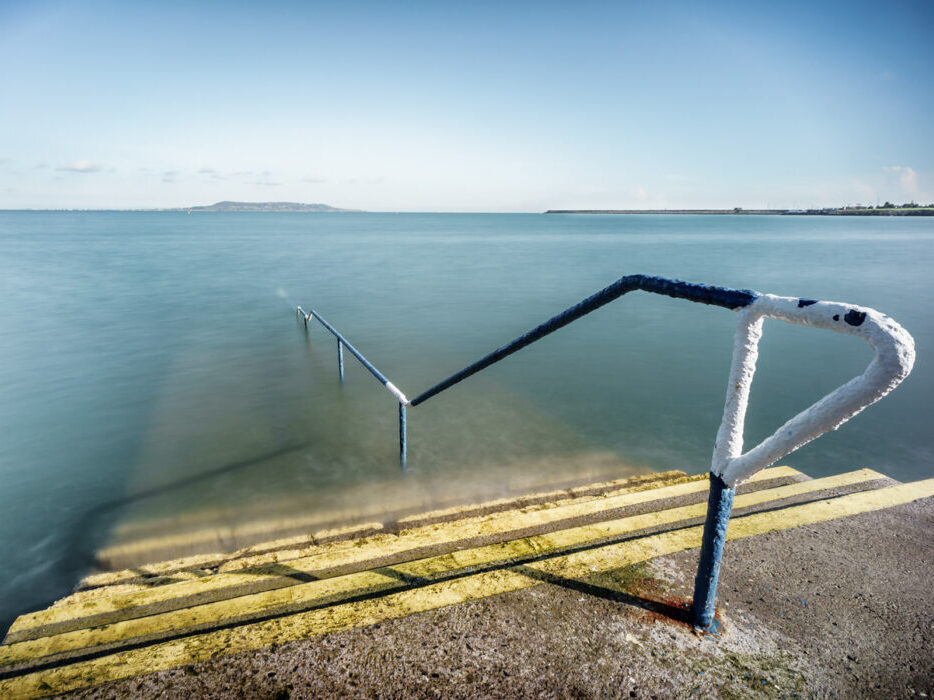
Global sea levels have risen about eight inches since 1900, but the rate has nearly doubled in the past 30 years. Scientists warn that melting ice in Greenland and Antarctica could accelerate that trend.
By 2050, the U.S. coastline could see an additional rise of 10 to 12 inches — enough to turn seasonal flooding into a permanent condition for some areas. This means that places currently affected only by storm surges could experience regular, tide-driven inundation well within a single generation.
8. Property Values Could Collapse in High-Risk Areas

As flood risks rise, some coastal homes are already losing value. Studies show that properties prone to regular flooding sell for less and take longer to find buyers.
If sea level rise continues unchecked, the financial impact could extend beyond homeowners to local governments that rely on property taxes. Declining coastal property values could drain billions from municipal budgets, weakening the ability to fund schools, emergency services, and climate adaptation projects.
9. Wetlands and Ecosystems Are Disappearing Along With Land
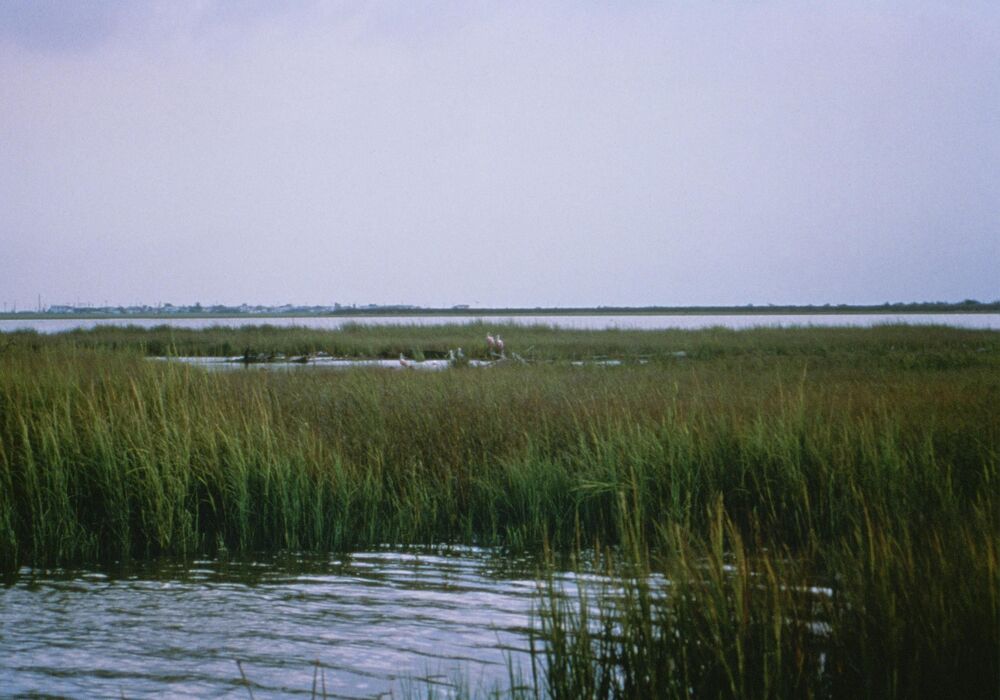
Coastal wetlands act as critical buffers that absorb storm surges and store carbon, but they’re disappearing as sea levels rise. The EPA estimates the U.S. could lose thousands of acres of wetlands each year if warming trends continue.
These natural habitats protect inland areas from flooding and provide homes for countless species. As they vanish, both biodiversity and coastal resilience decline, leaving humans and ecosystems more vulnerable to the full force of future storms and rising tides.
10. The Economic Ripple Effects Could Be Massive
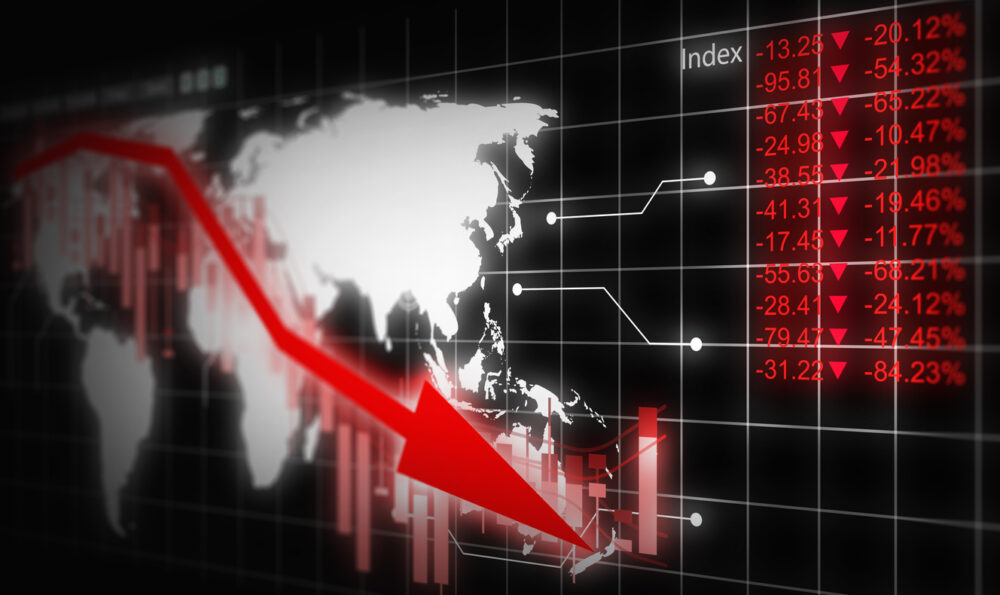
The potential loss of 106 billion dollars in property represents more than just physical damage — it’s an economic shockwave. Real estate, insurance, banking, and local tax systems are all tightly linked to property values.
Experts say failing to adapt could lead to housing market instability, declining tax revenue, and costly bailouts after disasters. On the other hand, proactive investments in flood defenses and sustainable planning could save billions — and help communities withstand the rising tide of change.