
Thawing ice is exposing prehistoric viruses that could challenge modern immune systems and medicine.
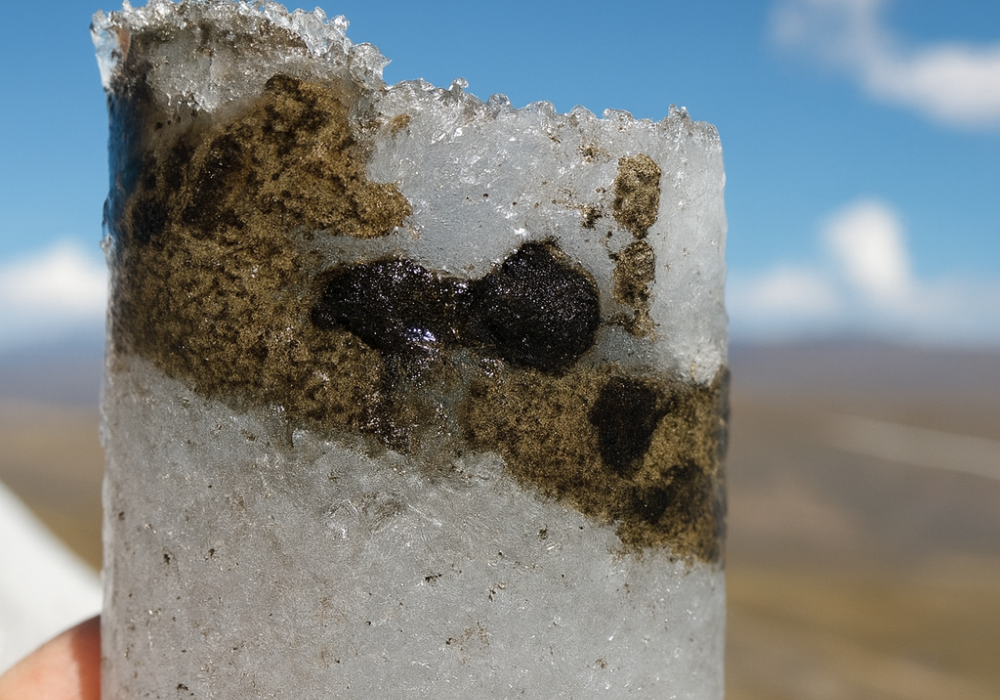
As rising temperatures accelerate Arctic thaw, scientists are uncovering something both fascinating and alarming—viruses that have been trapped in ice and permafrost for tens of thousands of years. These frozen microorganisms, once sealed off from the modern world, are now being released as glaciers melt and tundra softens. While most are harmless, some could theoretically infect living organisms again. Researchers warn that climate change isn’t just reshaping landscapes—it may also be reviving ancient pathogens that humanity has never encountered before, posing unpredictable risks to global health.
1. Permafrost Is a Deep Freeze for Ancient Microbes
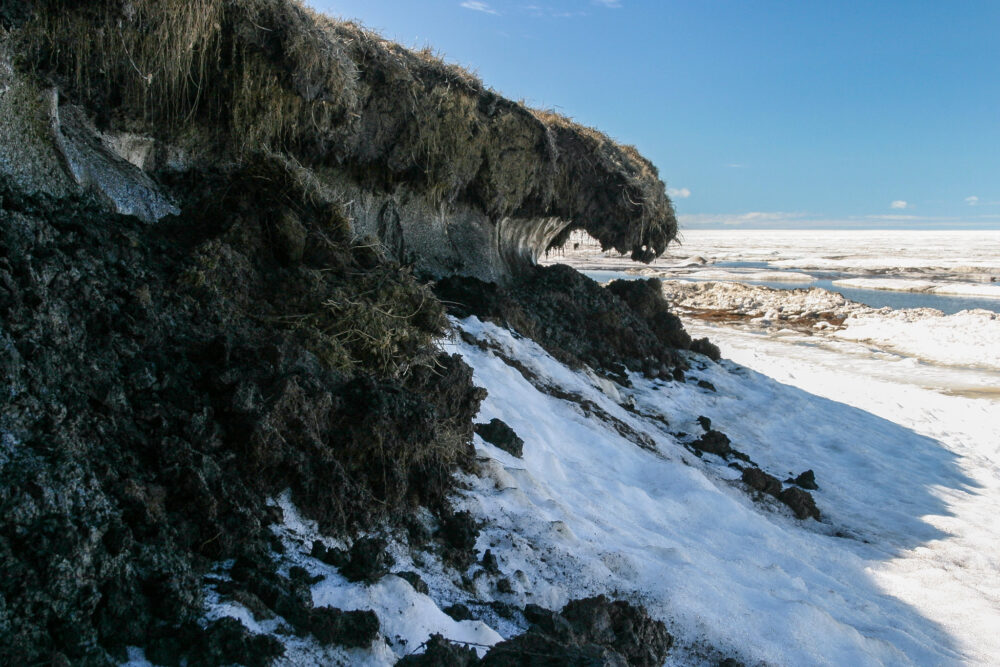
Permafrost—frozen soil that can extend hundreds of feet below the surface—acts like a natural time capsule, preserving organic material for millennia. Inside it, scientists have found remnants of plants, animals, bacteria, and viruses dating back to the Ice Age.
Because these layers never fully thawed until recently, microbes remained dormant but intact. As global temperatures rise, melting permafrost is releasing this ancient material into rivers, soil, and the atmosphere, offering scientists a rare glimpse into Earth’s microbial past—and a potential biological wildcard for the future.
2. Scientists Have Already Revived Prehistoric Viruses
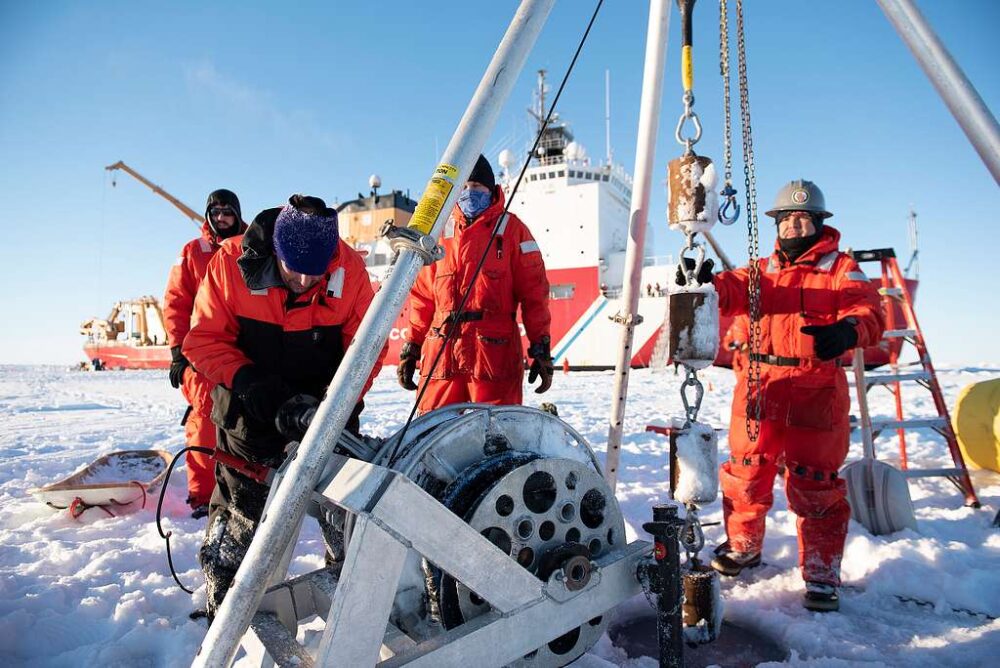
In 2014, French researchers revived a 30,000-year-old virus from Siberian permafrost, proving that ancient pathogens could remain infectious after millennia underground. Named Pithovirus sibericum, it infected amoebas, not humans—but it demonstrated that genetic material can survive the ages.
More recently, researchers have revived several other giant viruses, each capable of infecting single-celled organisms. These studies highlight the potential resilience of ancient viruses, raising questions about what else might awaken as global warming accelerates Arctic thaw.
3. Melting Ice Could Release Pathogens Into the Environment
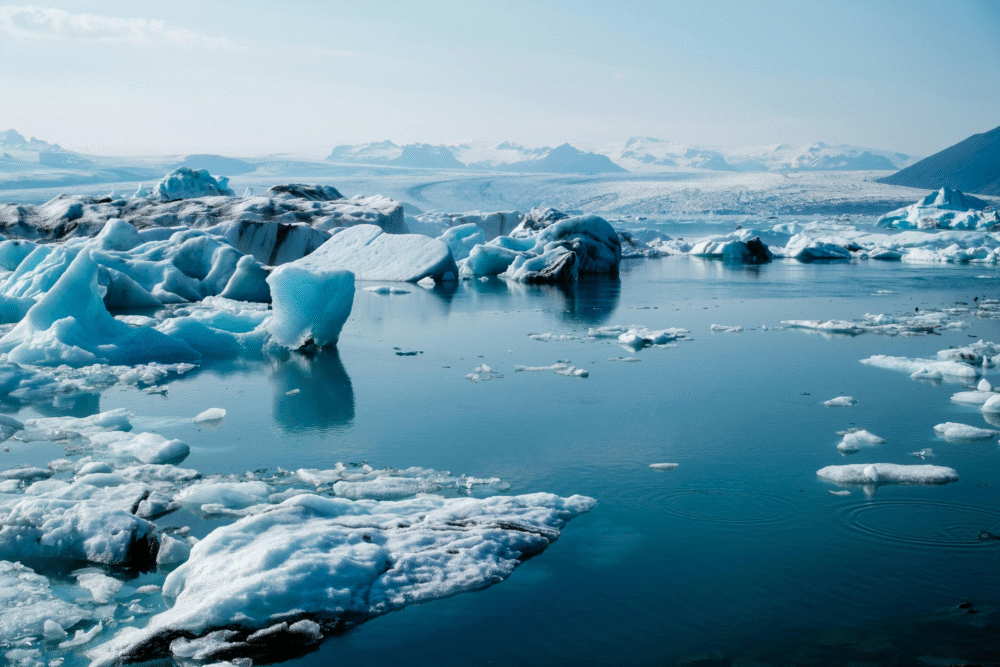
When permafrost thaws, it doesn’t just reveal artifacts—it exposes once-frozen ecosystems. Meltwater carries ancient microbes into modern soil and water systems where they can mix with contemporary life.
If even a small number of these viruses or bacteria find compatible hosts, they could replicate or mutate, potentially spreading to wildlife or livestock. Scientists emphasize that while the odds of a large-scale outbreak are still low, the growing exposure window makes such interactions increasingly likely in the decades ahead.
4. A 2016 Anthrax Outbreak Showed the Risk Is Real
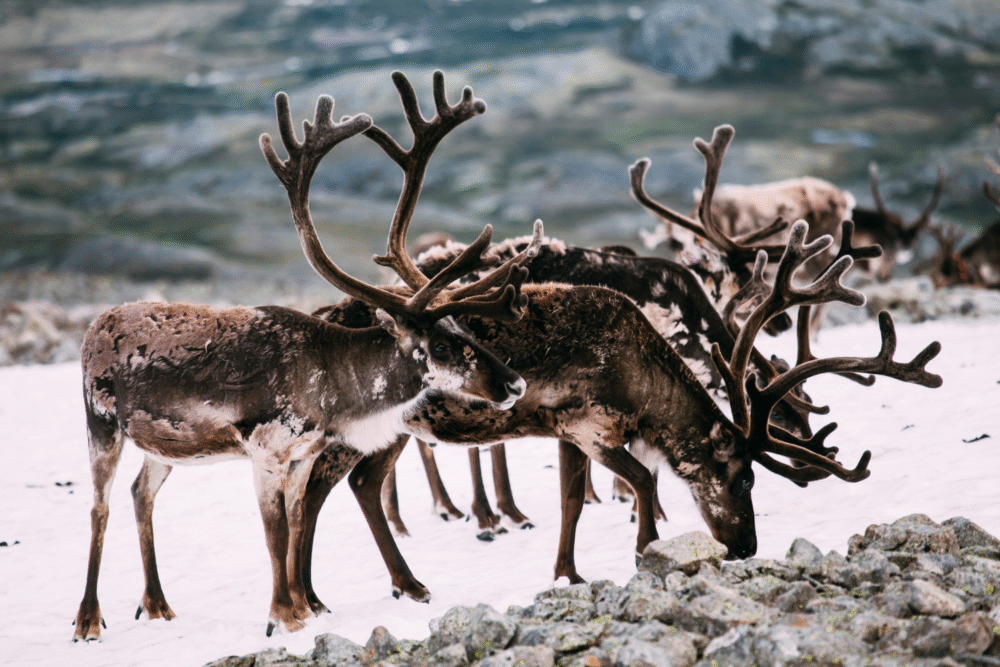
In 2016, an anthrax outbreak in Siberia killed thousands of reindeer and sickened dozens of people. The source: spores released from a thawing reindeer carcass that had been buried in permafrost for decades.
Anthrax is a bacterial disease, not a virus, but the event served as a warning. It proved that once-frozen pathogens can reemerge in a warming Arctic and still infect living hosts. Experts say similar events could occur more frequently as climate change deepens and ancient graves, animal remains, and ice layers continue to thaw.
5. Warming Unlocks Ecosystems That Have Been Frozen for Millennia
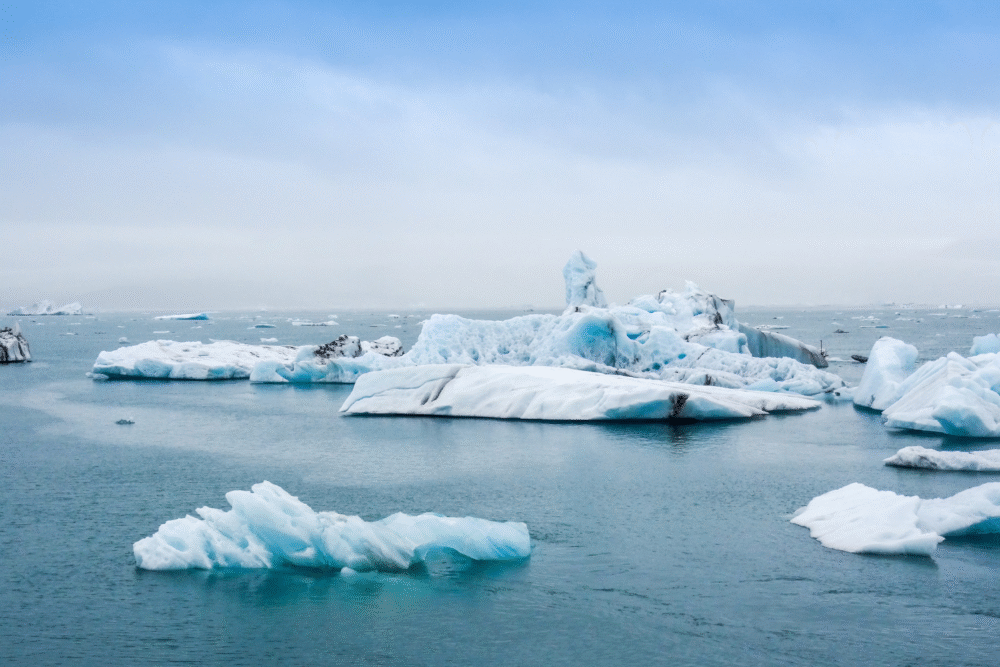
The Arctic is warming nearly four times faster than the global average, transforming permafrost landscapes into wetlands and exposing once-stable frozen layers. This process is not just geological—it’s biological.
As organic matter thaws, bacteria and viruses long trapped beneath the surface encounter oxygen and liquid water for the first time in millennia. Many die instantly, but some reactivate. Scientists now study these newly exposed microbes to understand their genetic makeup and assess whether they pose any threat to modern organisms.
6. Ancient Pathogens Could Interact With Modern Species

Even if ancient viruses don’t infect humans directly, they could still have ecological impacts. Some may infect animals or plants, altering ecosystems already under stress from warming temperatures.
Experts warn that such infections could change predator-prey relationships, introduce new diseases into wildlife populations, or even disrupt global food webs. The greater concern is that certain viruses could jump between species—a process known as zoonotic spillover—similar to how past pandemics began.
7. Loss of Arctic Ice Increases Human Exposure
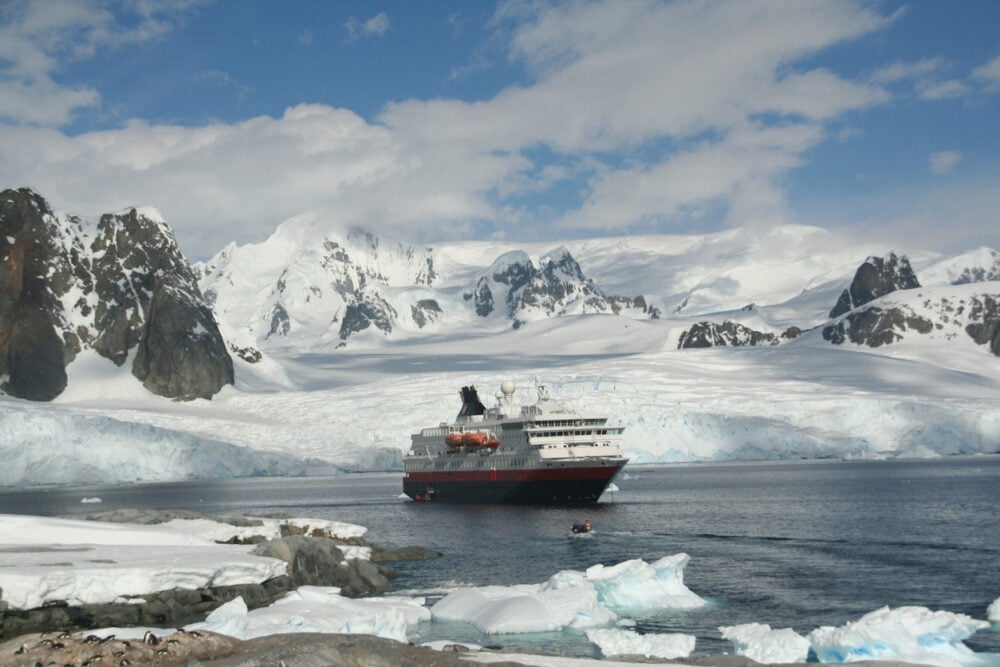
Human activity in the Arctic is growing due to shipping, mining, and oil exploration. As ice retreats, people and machinery disturb permafrost layers that have been untouched for tens of thousands of years.
This increased contact raises the likelihood of exposure to ancient microbes. Scientists working in these regions use protective gear and sterilization protocols, but accidents or unmonitored industrial activity could inadvertently spread pathogens into new environments far beyond the Arctic.
8. Modern Medicine May Not Recognize Ancient Viruses

If an ancient virus capable of infecting humans were to emerge, it could present an unprecedented challenge. These viruses might carry genetic structures unfamiliar to the immune system—or to modern medicine.
Current vaccines and antiviral treatments are designed for known pathogens. An entirely new class of virus could evade existing defenses, requiring rapid genomic analysis and new treatment development. While the likelihood is small, the potential impact could be significant if such a virus reached human populations.
9. Scientists Are Racing to Map Arctic Microbes
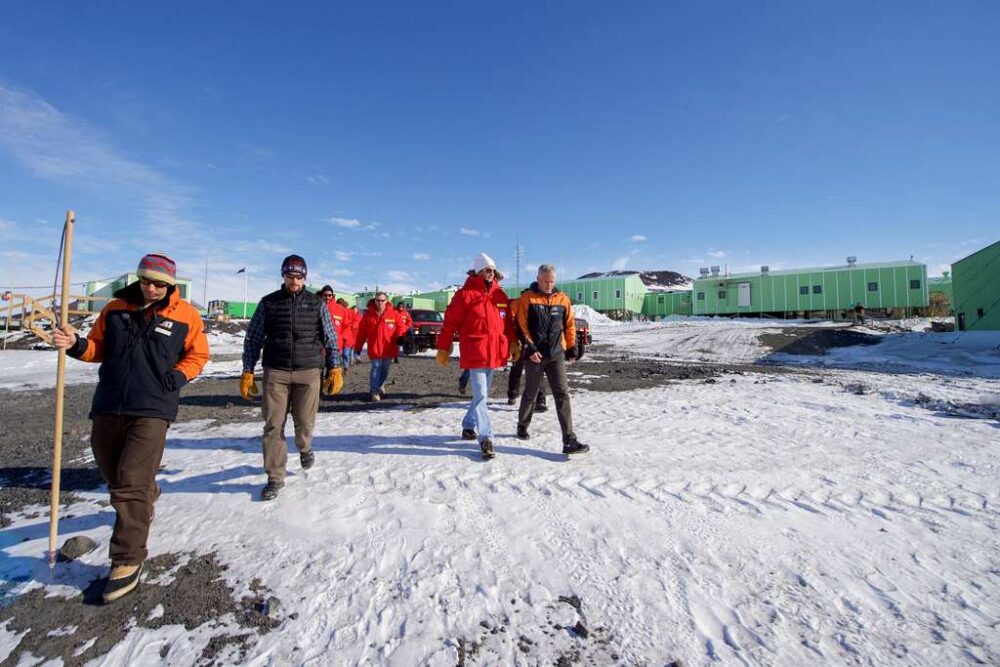
Researchers are sequencing DNA from permafrost samples across Siberia, Alaska, and Canada to catalog which viruses and bacteria lie frozen underground. Early results show astonishing diversity, including ancient relatives of modern influenza, herpes, and poxviruses.
These studies are helping scientists understand how viruses evolve—and how long they can remain viable under extreme conditions. This knowledge not only informs pandemic preparedness but also helps predict how microbial ecosystems might respond to accelerating global warming.
10. The Real Danger Lies in Speed and Scale
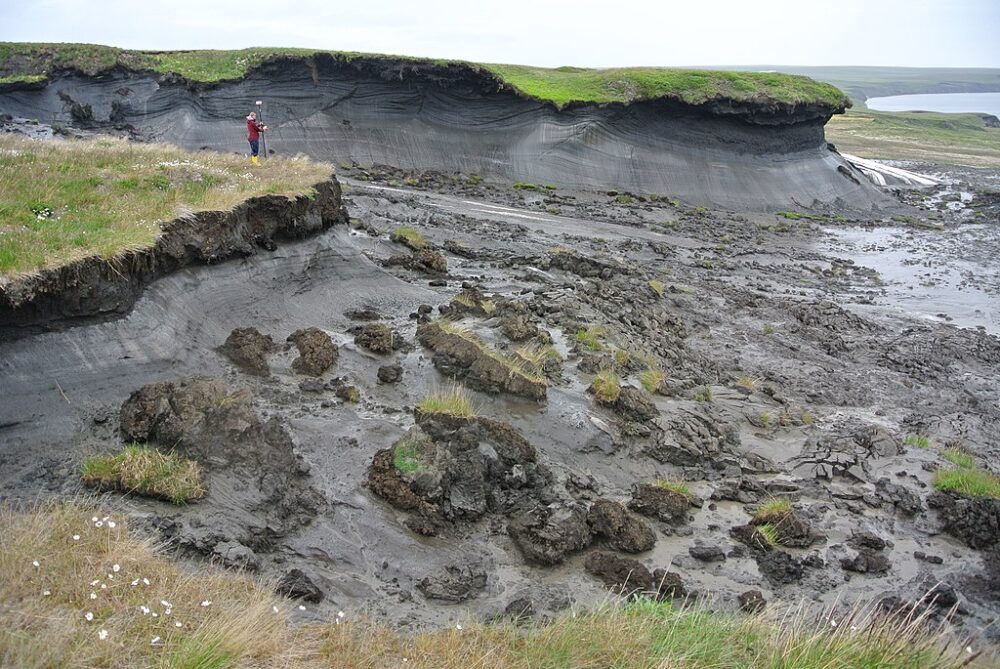
Experts agree that most thawed viruses will not threaten humanity—but the rate of Arctic warming is what makes the situation concerning. The faster permafrost melts, the more material is released before scientists can study or contain it.
The Arctic contains an estimated trillion tons of frozen organic matter. As it defrosts, humanity faces a double risk: the release of greenhouse gases like methane—and the awakening of ancient microbes that once thrived in a very different world. The outcome will depend on how quickly nations act to curb warming and monitor these emerging biological frontiers.