
Experts say the record-high tides are a clear preview of future sea level rise.
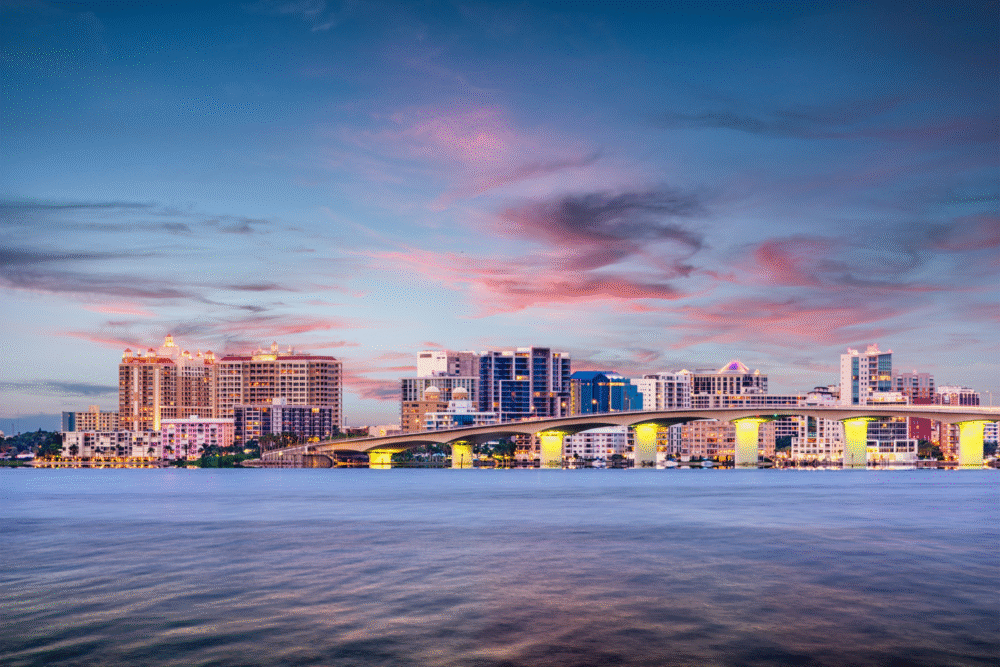
Every fall, South Florida braces for its seasonal king tides—extra-high tides that now flood streets, homes, and neighborhoods even on sunny days. Scientists say these tides are getting worse each year as rising seas push water higher onto land. A new NOAA analysis shows that Miami’s tidal floods have increased fivefold since 2000, turning what was once a rare event into a yearly crisis. Experts warn these surging tides offer a glimpse of what permanent sea level rise could soon bring.
1. What King Tides Actually Are
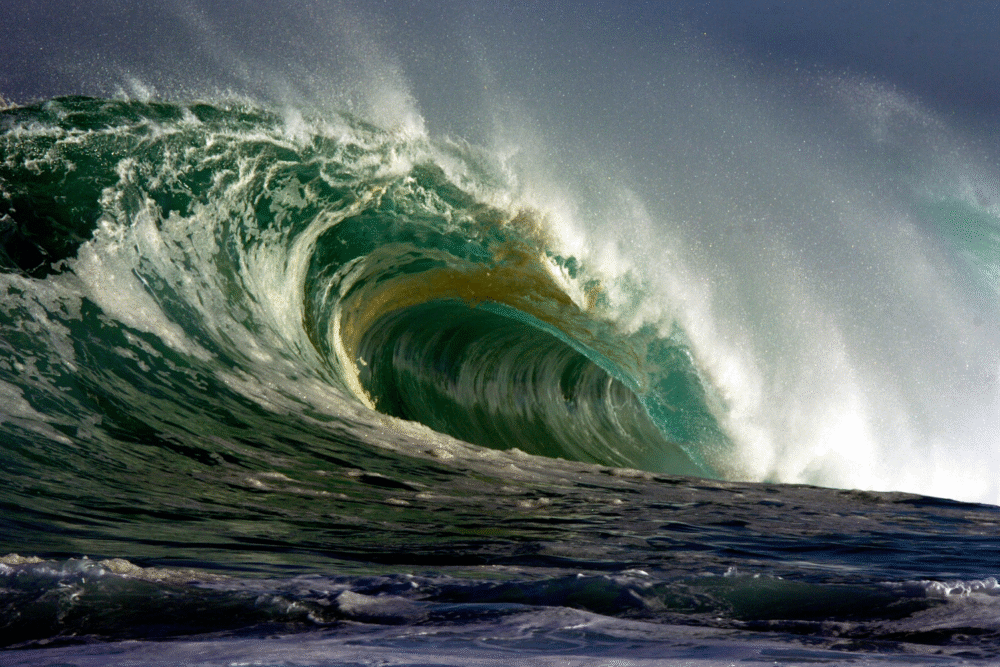
King tides occur naturally when the sun and moon align to create the strongest gravitational pull on Earth’s oceans. These astronomical high tides happen several times a year and have always been part of coastal life.
But in recent decades, rising sea levels have amplified their impact. What once caused minor shoreline flooding now pushes seawater into streets, storm drains, and homes across South Florida, turning a predictable phenomenon into a growing public hazard.
2. Sea Levels Are Rising Faster Than Expected
According to the National Oceanic and Atmospheric Administration (NOAA), sea levels along Florida’s southeast coast have risen about 8 inches since 1950—and the pace is accelerating. Warmer oceans expand, melting ice adds volume, and the effects compound.
Projections suggest another 10 to 12 inches of rise by 2050. That may sound modest, but in a region already sitting just feet above sea level, even a few inches dramatically increase the reach and frequency of tidal flooding events.
3. Miami Is Now a Hotspot for “Sunny Day” Flooding

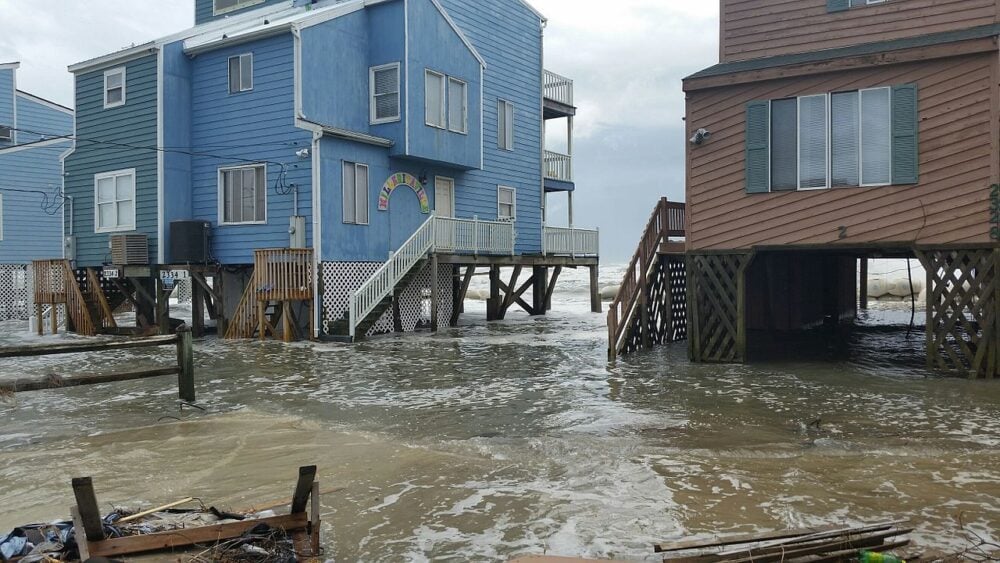
In Miami, Fort Lauderdale, and Key Biscayne, king tides are now flooding streets even under clear skies. This so-called “sunny day flooding” happens when seawater rises through storm drains or groundwater seeps up from below.
Neighborhoods once safe from flooding are now swamped several times a year. Residents have reported blocked roads, corroded cars, and saltwater damage to yards and homes—all without a drop of rain. The tides have become both a daily inconvenience and a costly threat.
4. Sinking Land Is Making the Problem Worse
South Florida’s geology compounds the effects of sea level rise. Much of the region sits on porous limestone, which allows saltwater to move underground and bubble up through soil and pipes.
In addition, areas of Miami-Dade and Broward counties are slowly subsiding—sinking by a few millimeters each year. This double impact of rising seas and sinking ground means tidal flooding reaches farther inland and lasts longer than in the past.
5. The Damage Goes Beyond Flooded Streets
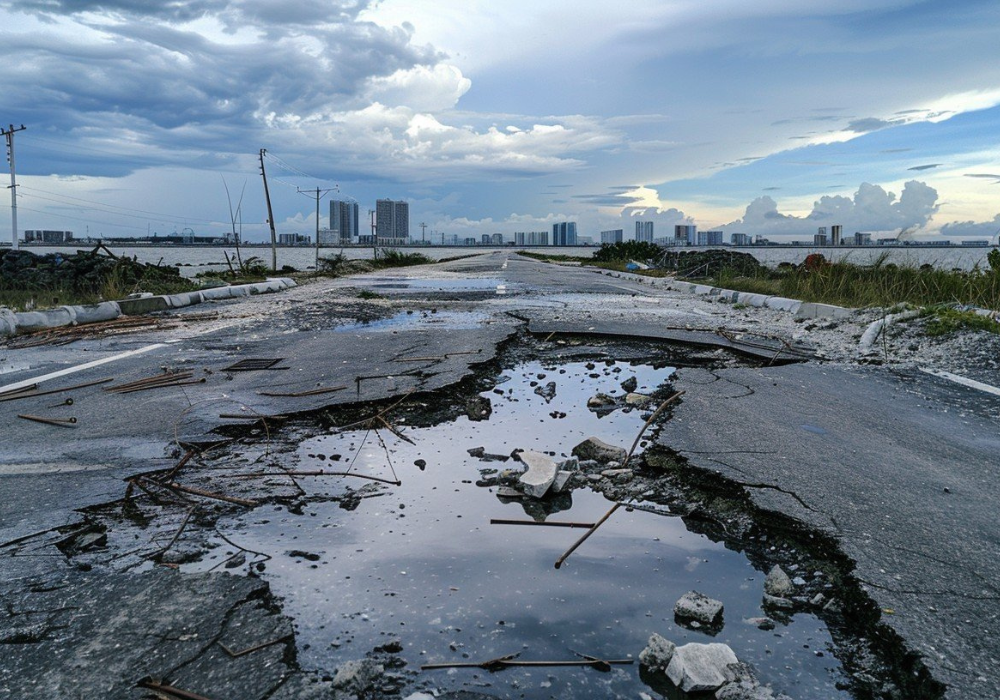
Repeated saltwater flooding corrodes infrastructure and weakens foundations. Electrical systems, sewage networks, and roads were never designed for constant exposure to saltwater.
Over time, even short-term flooding degrades pavement, damages underground cables, and threatens drinking water supplies by contaminating aquifers with salt. Scientists warn that the economic cost of these impacts will rise sharply as flooding becomes more frequent.
6. Scientists Use Tide Gauges to Track the Trend

To measure the worsening tides, researchers rely on tide gauges and satellite data that record water levels hourly. NOAA’s long-term data from Virginia Key near Miami shows a clear upward trend in both average sea levels and peak tides.
These instruments have revealed not only a steady rise in baseline sea level but also more frequent “nuisance floods,” defined as events that disrupt transportation or property. The trend lines point upward with no signs of slowing, reinforcing concerns about coastal resilience.
7. Climate Change Is the Driving Force

The increase in king tide flooding is a direct result of global climate change. As greenhouse gases trap heat, polar ice melts and ocean water expands—raising sea levels worldwide.
South Florida is particularly vulnerable because of its flat topography and extensive coastal development. Even with moderate emission cuts, scientists expect major cities like Miami to see regular flooding by mid-century, unless adaptation measures dramatically increase.
8. Local Governments Are Racing to Adapt
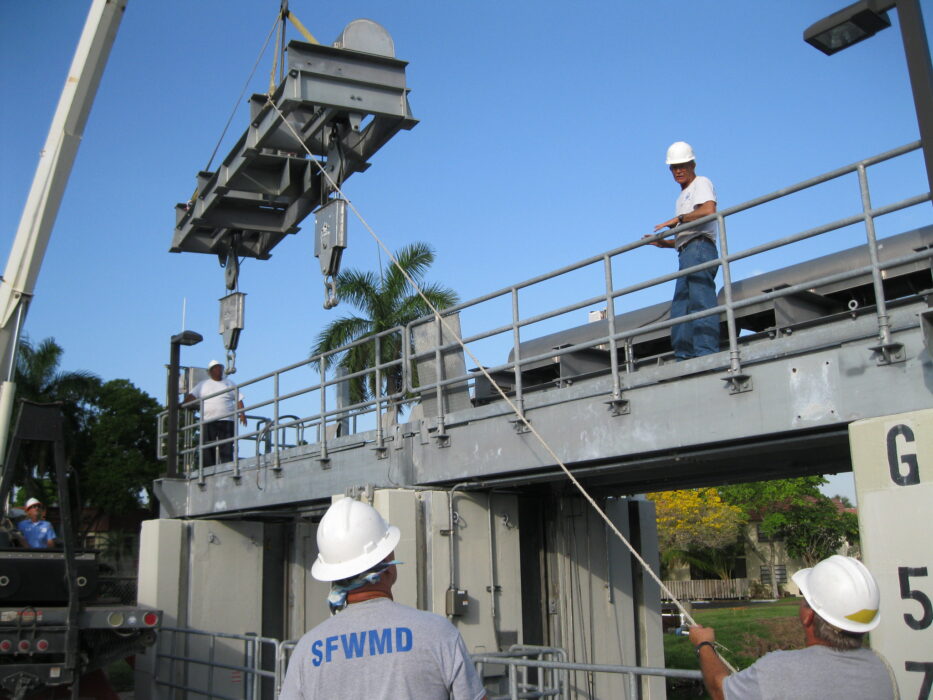
Miami-Dade County and nearby cities are investing heavily in flood control systems, including higher seawalls, upgraded pumps, and raised roads. Some neighborhoods have already been elevated several feet to reduce inundation.
However, these solutions are costly and temporary. As water levels continue to rise, officials admit that some low-lying areas may eventually become uninhabitable. Long-term resilience will depend on both infrastructure investment and global climate mitigation.
9. King Tides Offer a Preview of Future Sea Levels
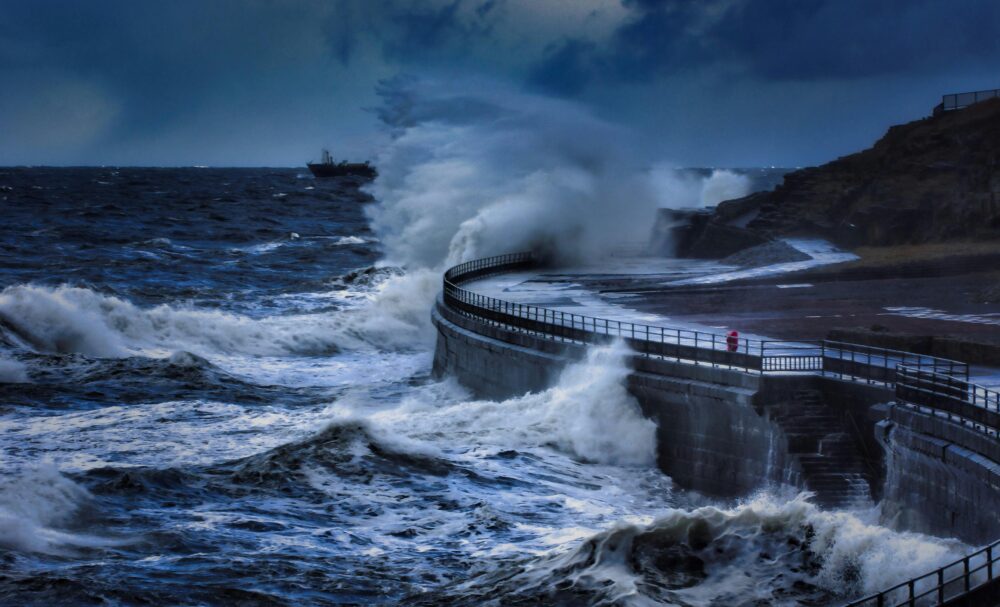
Each king tide season acts as a natural experiment, showing how higher seas will affect communities in decades to come. The floods that occur today during high tide could become daily realities as permanent sea level rise continues.
Scientists often refer to these events as “living laboratories.” They help engineers test flood barriers, drainage systems, and public awareness campaigns—tools that will be vital as coastal regions prepare for long-term changes.
10. A Warning for Coastal Cities Everywhere
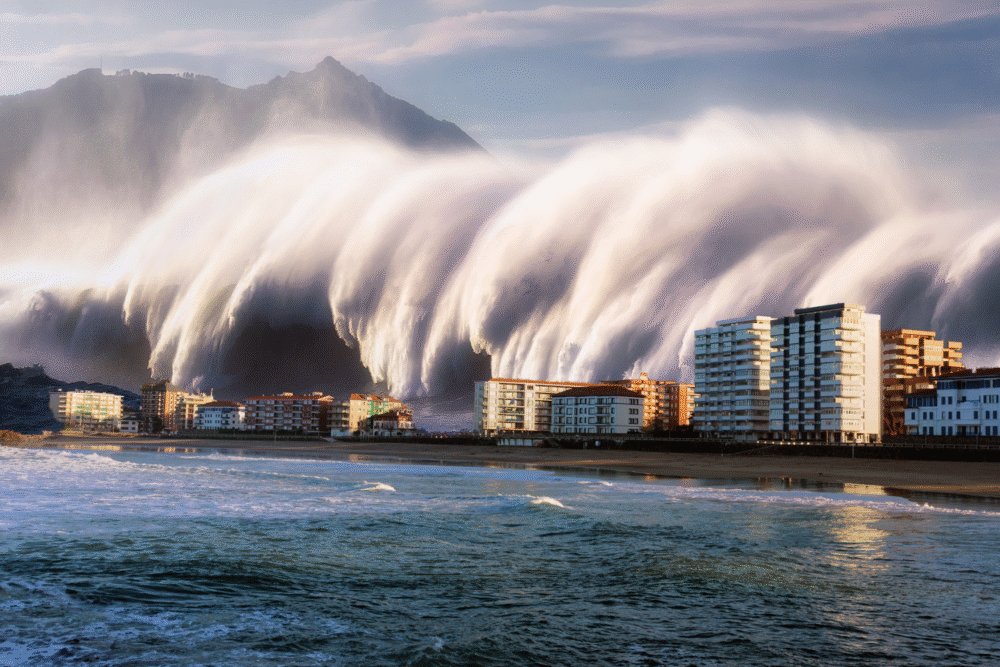
What’s happening in South Florida is a warning sign for coastal communities across the globe. From New York to Bangkok, low-lying cities face similar threats as sea levels climb and storm surges intensify.
Experts say the lesson is clear: king tides are no longer just seasonal curiosities—they’re previews of a changing planet. Without major global reductions in emissions, the flooding now hitting Miami’s streets could become the world’s new normal within a generation.