What the Next 10 Years of Climate Change Will Actually Look Like

Scientists say the next decade will bring faster warming, rising seas, and more extreme weather—but also major advances in renewable energy.
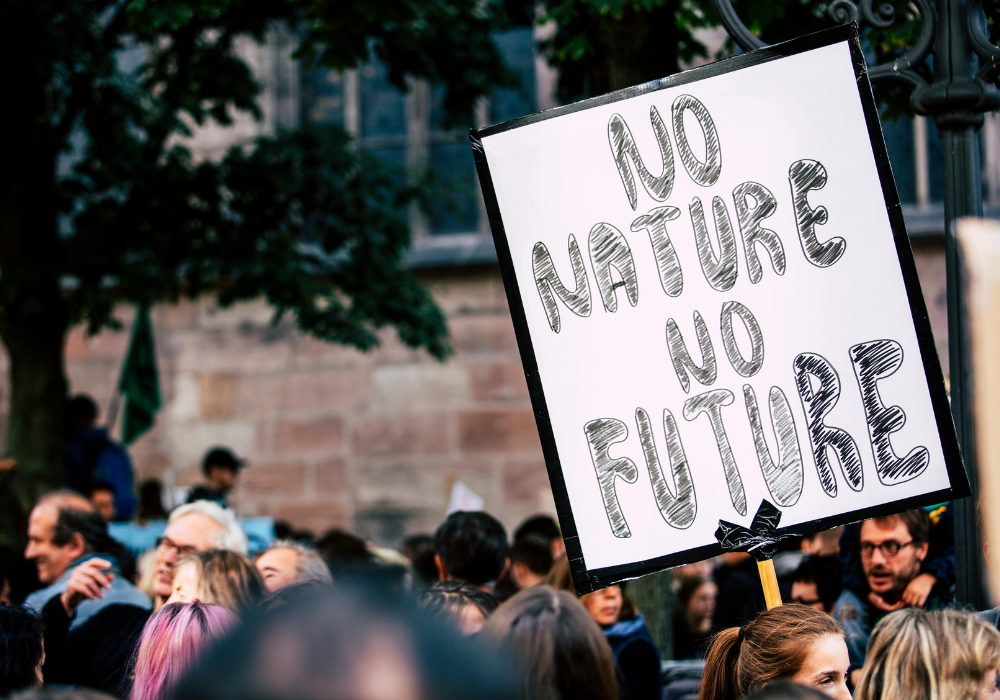
©Image license via Canva

Over the next ten years, climate change will shift from a distant concern to a defining global reality. According to new projections from NASA, the IPCC, and leading climate scientists, Earth is on track to warm by up to 0.3°C more by 2035—pushing many regions past critical thresholds for droughts, wildfires, and coastal flooding. Yet experts say it’s not all bleak: rapid innovation in clean energy, carbon capture, and adaptation could still determine how livable the planet remains.


Read more

Why Homes Keep Collapsing Into the Sea on North Carolina’s Outer Banks

Rising seas, shifting sands and fierce storms are forcing homes on North Carolina’s Outer Banks into the Atlantic.

©Image license via Chat GPT

Homes along North Carolina’s Outer Banks are collapsing into the ocean at alarming speed as the barrier islands face a perfect storm of coastal threats. In the past five years more than 20 oceanfront properties have collapsed, according to the National Park Service, with half of them falling since the arrival of two back-to-back storms this fall. The accelerated shoreline erosion is driven by sea-level rise, stronger waves, and compromised foundations—creating a dire warning for coastal communities.

Read more

Global Report: All 45 Key Climate Goals Are Off Track with Time Running Out

A sweeping global review finds not one major climate target is on pace to meet the 2030 goals.

©Image license via Canva

A new international analysis paints a stark picture of the planet’s progress on climate action. Out of 45 key indicators — including emissions cuts, renewable energy, and adaptation efforts — none are currently on track to meet the 2030 goals set under the Paris Agreement. Scientists warn that time is running short to limit global warming to 1.5°C, with only a narrow window left to prevent the most dangerous and irreversible impacts of climate change.

Read more

Climate-Driven Disaster Costs in First Half of 2025 Outpace All Previous Records

Extreme weather events have already caused $101 billion across the U.S., scientists confirm.

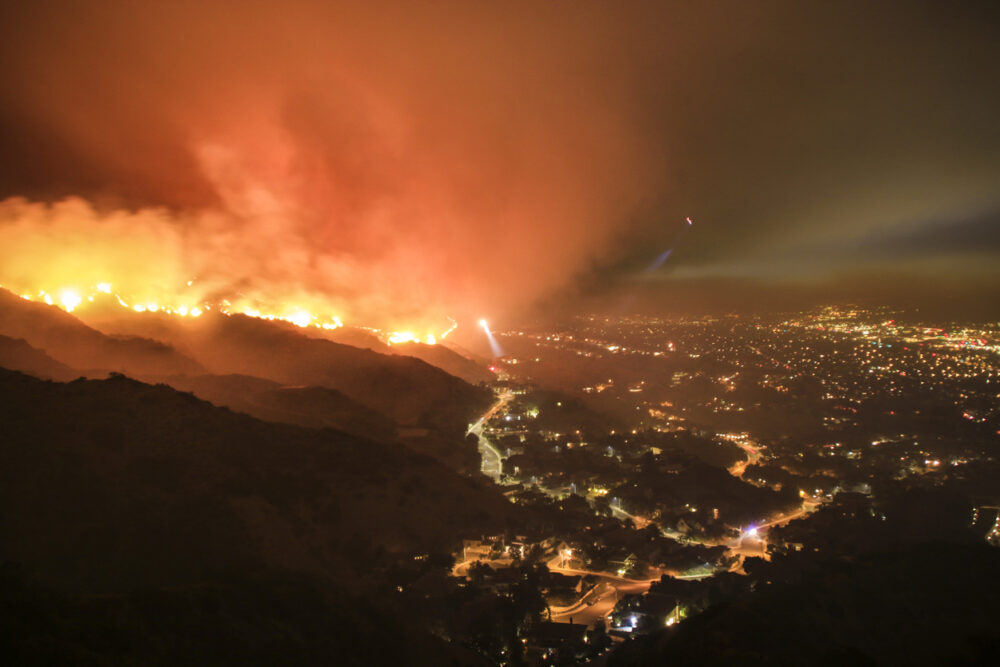
Hillside wildfire, glowing flames, thick smoke rising above city lights, night scene, documentary style, no people.
©Image license via iStock

The first half of 2025 has set a grim new record for climate-related destruction. According to recent analyses by NOAA and insurance researchers, more than $100 billion in damage has already been recorded from wildfires, severe storms, and flooding across the United States. Experts say the pace and scale of these disasters mark the costliest start to any year on record, highlighting how a warming climate is intensifying weather extremes and straining disaster-response systems nationwide.

Read more

The Oceans Are Rising at a Speed Not Seen in 4,000 Years, Scientists Say

New data reveal modern sea levels are climbing faster than at any point in the past four millennia—driven largely by human-caused warming.

©Image license via Canva

A landmark study published in Nature by a team of researchers from Rutgers University has found that global sea levels are rising faster today than at any time in the past 4,000 years. By examining ancient coral reefs, mangrove deposits, and sediment cores, scientists reconstructed sea-level patterns and discovered a sharp acceleration beginning with the industrial era. The study concludes that human-driven warming and melting polar ice are propelling modern oceans into conditions unseen in recorded history.

Read more

Officials Issue Urgent Warnings for Almost the Entire West Coast

Hazard warnings now stretch from Southern California to Washington State as officials cite dangerous coastal conditions.

©Image license via Wikipedia Commons

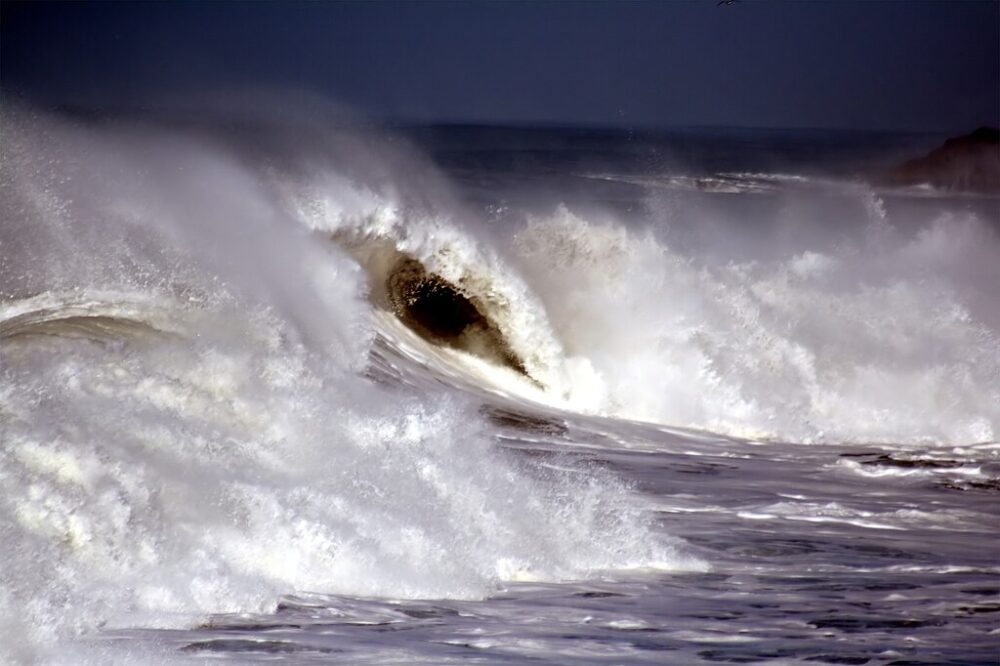
Authorities have issued widespread warnings covering nearly the entire U.S. West Coast as powerful ocean swells, high surf, and hazardous marine conditions develop along the Pacific. The National Weather Service reports that the alerts extend from San Diego to the Washington coastline, with waves reaching 25 feet in some areas. Officials are urging residents and visitors to avoid beaches, jetties, and coastal roads through the weekend as forecasters monitor the potential for flooding and strong rip currents.

Read more

Antarctica Is Starting to Melt Like Greenland—Here’s Why That’s So Alarming

New research shows Antarctica’s glaciers are warming and melting in the same rapid pattern seen in Greenland.

©Image license via Canva

Scientists studying Antarctica’s ice sheets say a troubling transformation is underway—one that mirrors the rapid melt seen in Greenland. The new research, published in Nature Geoscience, reveals that warm ocean water is creeping beneath Antarctic glaciers, destabilizing the ice from below. This “Greenlandification” process is accelerating ice loss and could raise global sea levels far faster than previous models predicted. Experts warn the shift may mark a dangerous tipping point for the planet’s climate system.

Read more

The Quiet Exodus: How Climate Change Is Moving People Without Us Realizing

Small changes in weather, water, and land are already pushing families to move — often without headlines.

©Image license via Flickr

You may not see it in the news, but climate change is already reshaping where people live. Rising seas, intensifying storms, droughts, and shifting farmland are quietly nudging whole communities to relocate. For many families, the move starts as an extra flood, a failed crop, or a handful of dry wells. Over time, those small losses add up—and force decisions about leaving homes behind in search of somewhere safer and more stable.

Read more

Can Cash Save the Rainforest? Brazil’s Bold New Plan Says Yes

A groundbreaking “forest income” program is paying Amazon residents to protect trees—and it’s already working.

©Image license via Rawpixel

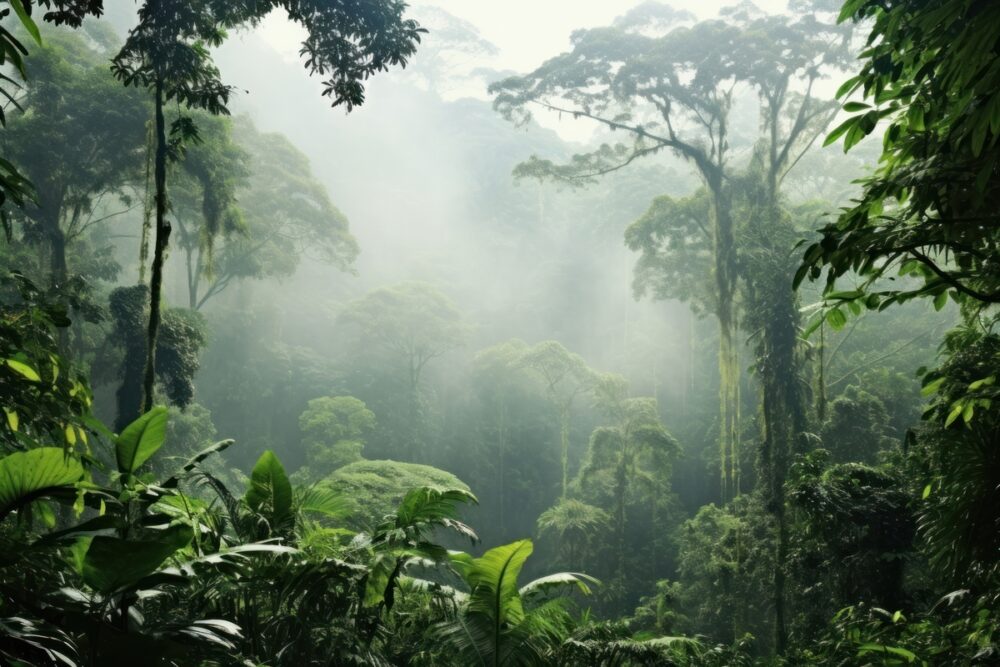
In the heart of the Amazon, a new approach to conservation is turning traditional economics upside down. Instead of punishing people for deforestation, Brazil’s Conservation Basic Income is rewarding them for keeping forests intact. The pilot program pays rural and Indigenous families a steady income to preserve trees and biodiversity, creating a financial alternative to logging and mining. Early results show fewer trees are being cut—and more communities are choosing protection over profit, reshaping how conservation can work worldwide.

Read more

If Polar Ice Melts Faster Than Expected, These Cities Are at Risk of Disappearing

Rising seas driven by polar ice melt threaten key coastal cities around the globe today.

©Image license via iStock

The accelerated melting of polar ice is causing sea levels to rise faster than anticipated, placing numerous coastal cities at serious risk. Urban centers like Miami, New York, and Jakarta face increasing flooding and land loss due to a combination of geographic vulnerabilities and climate change. Understanding these threats helps highlight the urgency for effective adaptation strategies that address both environmental impacts and the complexities of urban infrastructure.

Read more