Scientists Built a Climate ‘Time Machine’ to See What’s Coming for the Amazon

A massive experiment in Brazil lets scientists fast-forward time to study the rainforest’s warming future.
©Image license via Rawpixel

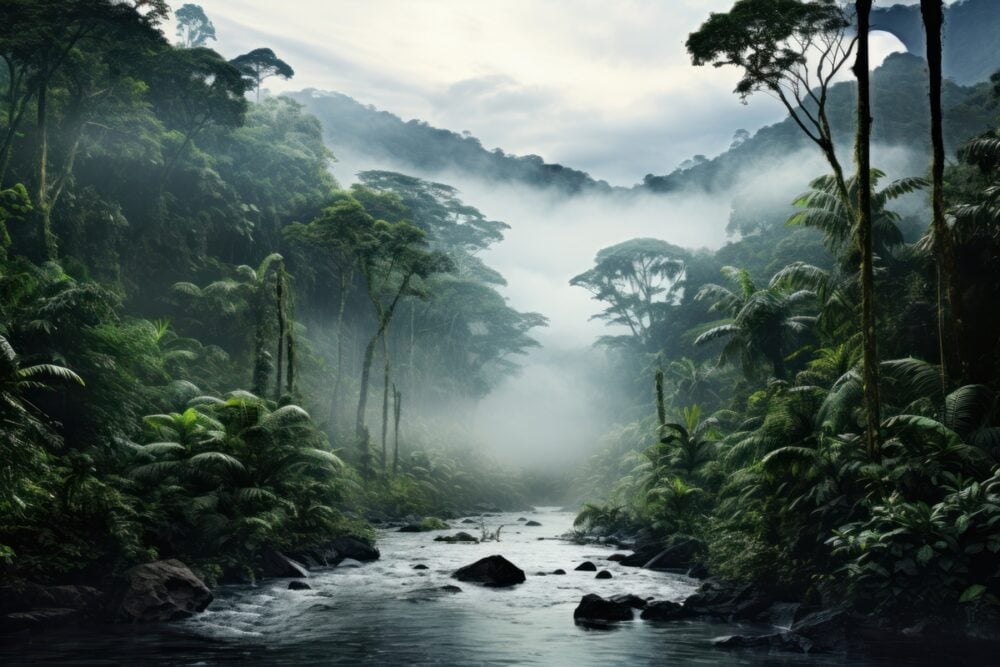
Deep in the Amazon rainforest, scientists have constructed one of the world’s most ambitious climate experiments—a “time machine” that simulates future conditions on Earth. Using giant open-air chambers, researchers are heating and enriching sections of the forest with carbon dioxide to mimic the atmosphere decades from now. The goal is to understand how rising temperatures and greenhouse gases will affect one of the planet’s most vital ecosystems—and what those changes could mean for the global climate.

Read more

They Thought Dumping 2 Million Tires in the Ocean Would Help — They Were Wrong

A 1970s plan to build artificial reefs from old tires has turned into an ongoing environmental disaster.

©Image license via Chat GPT

In the 1970s, environmental groups and government agencies teamed up to sink more than two million discarded tires off the coast of Fort Lauderdale, Florida. The idea was to create artificial reefs that would attract fish and boost marine life. Instead, the project became one of the biggest ecological failures in U.S. history. Decades later, the tires are breaking loose, damaging coral reefs, and forcing divers to spend years cleaning up a mistake made with good intentions.

Read more

Hurricane Melissa’s Rapid Rise to Category 5 Is No Accident — It’s a Warning

Fueled by record-warm Atlantic waters, Hurricane Melissa shows how climate change is supercharging storms.

©Image license via Chat GPT

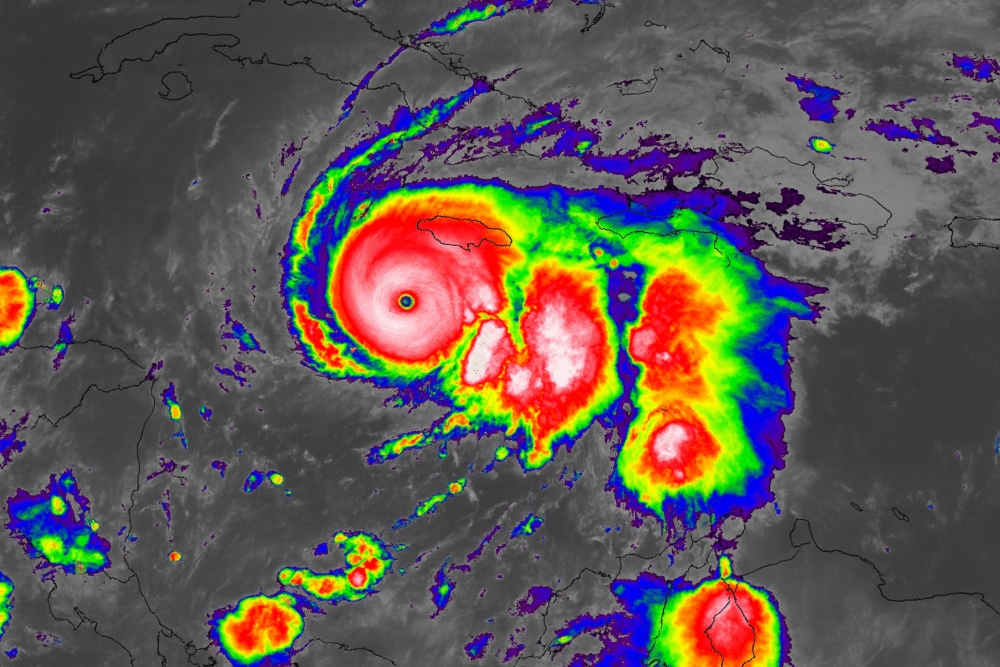
In just 36 hours, Hurricane Melissa exploded from a Category 2 to a Category 5 monster — one of the fastest intensifications ever recorded in the Atlantic. Scientists say the cause is clear: ocean temperatures that are several degrees above normal are feeding storms far more energy than in the past. As Melissa barrels toward the Caribbean with record wind speeds, experts warn it’s a preview of what a hotter, wetter planet could bring in the decades ahead.

Read more

A Simple Climate Fix Was Hiding in Plain Sight — Until Satellites Found It

New satellite data reveals a natural process that could quietly slow global warming—if we let it thrive.

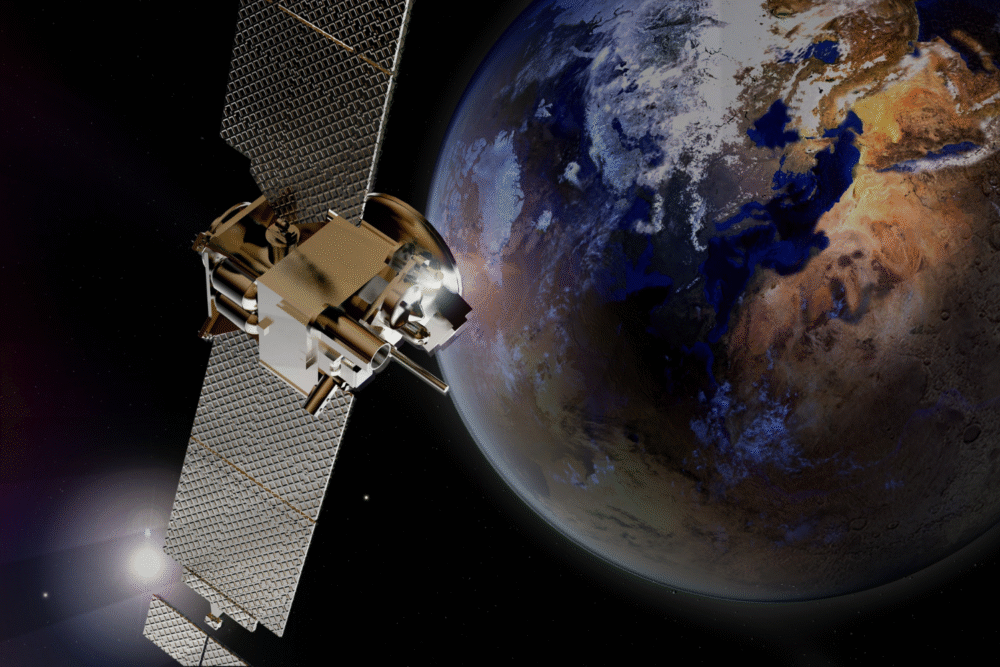
©Image license via NASA

It turns out one of the most effective ways to combat climate change isn’t a futuristic technology at all—it’s nature itself. Using satellite imaging, scientists discovered vast regions where forests are regrowing faster than expected, absorbing massive amounts of carbon from the atmosphere. The findings suggest that protecting and expanding these natural regrowth zones could be one of Earth’s simplest and most powerful climate strategies—proving that sometimes, the planet already knows how to heal itself.

Read more

Climate Change Is Throwing Whale and Dolphin Migrations Into Chaos

Scientists warn that warming seas and fewer prey are forcing whales and dolphins into unfamiliar and dangerous waters.

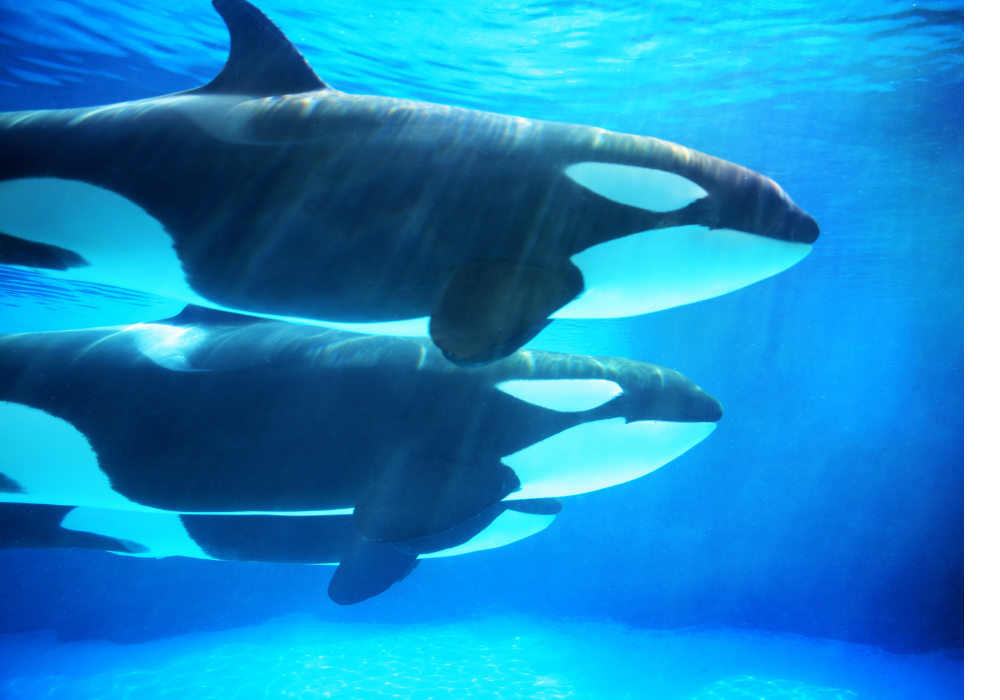
©Image license via Canva

Whales and dolphins, once predictable navigators of ocean currents and feeding grounds, are now being pushed off course by climate change. Rising sea temperatures, collapsing prey populations, and shifting habitats are scrambling the ancient migration routes these marine mammals have followed for millennia. Researchers say the result is more whales showing up in unexpected locations, thinner bodies after failed feedings, and greater risk of getting tangled in fishing gear or struck by ships. The marine world’s great travelers may be facing their most perilous journey yet.

Read more

Bad Weather and New Tariffs Are Brewing Trouble for Coffee Drinkers

A mix of extreme weather and trade tensions is driving U.S. coffee prices to their highest levels in years.

©Image license via Chat GPT

If your morning cup of coffee suddenly costs more, you’re not imagining it. U.S. coffee prices have surged as poor harvests and new import tariffs tighten global supply chains. Extreme weather in key producing countries like Brazil and Vietnam has damaged crops, while higher trade costs are pushing prices even further. Analysts say roasters and retailers are already passing costs to consumers, signaling that higher prices at coffee shops and grocery stores may be here to stay.

Read more

Fishermen In South Korea Keep Dying—Climate Change May Be the Reason

Warming seas and shifting fish populations are forcing crews farther out—and into greater danger.

©Image license via Wikimedia Commons

Along South Korea’s coast, fishing has become increasingly perilous. Rising sea temperatures and changing ocean currents are driving fish stocks farther from shore, forcing crews to venture into rougher, more unpredictable waters. At the same time, extreme weather linked to climate change is making storms faster and more violent. Scientists and maritime officials warn that the combined pressures of a warming ocean and economic strain are putting more lives—and the country’s fishing future—at serious risk.

Read more

Once Mosquito-Free, Iceland Now Reports Its First Mosquitoes as Planet Warms

Scientists say rising temperatures have allowed mosquitoes to survive in Iceland for the first time.

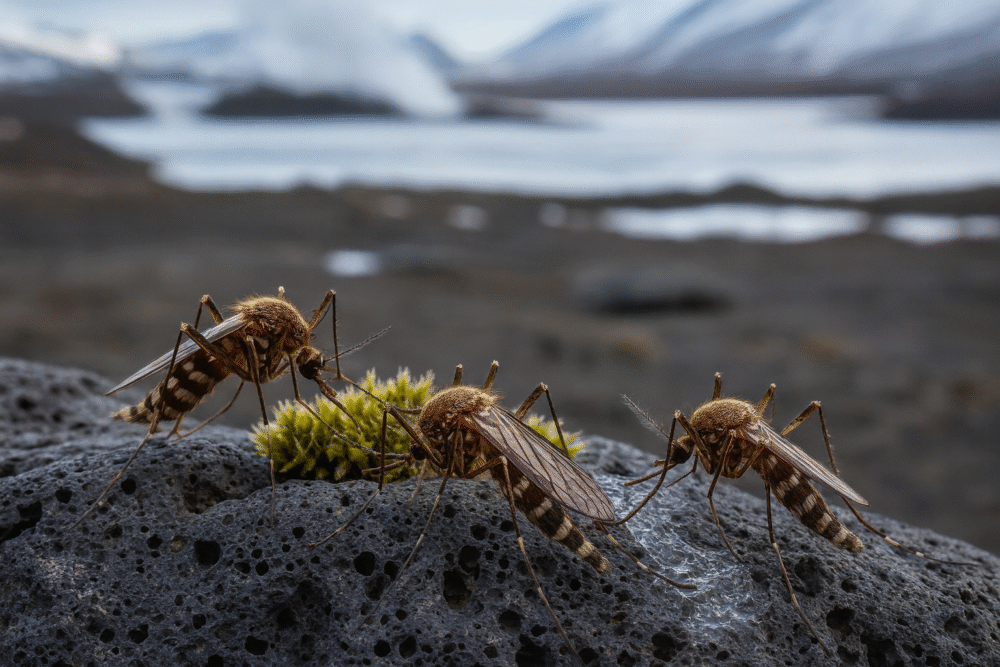
©Image license via Chat GPT

For the first time in recorded history, mosquitoes have been detected in Iceland—a country long known for its mosquito-free environment. Researchers at the Icelandic Institute of Natural History say warmer temperatures and milder winters have enabled the insects to complete their life cycle on the island. The discovery highlights how climate change is transforming ecosystems even in Earth’s coldest regions, raising concerns about future disease risks and biodiversity shifts as global temperatures continue to rise.

Read more

Cow Burps Are Heating the Planet—Scientists May Have a Way to Stop Them

A new feed additive could cut methane emissions from cattle—a key driver of climate change.

©Image license via iStock

Scientists believe they have found a practical way to reduce a major source of global warming: methane from cow burps. A new study at University of California, Davis showed that adding a small amount of red seaweed derived from the genus Asparagopsis taxiformis to grazing beef-cow diets cut their methane emissions by nearly 40%. Earlier trials reported reductions of up to 80 % in controlled settings. While logistical and regulatory hurdles remain, the research offers hope that the livestock sector could achieve meaningful climate gains in the near future.

Read more

When a Mega-Drought Collides With a Mega-Storm —The Disaster Experts Fear Most

Scientists warn that extreme drought followed by intense storms could unleash unprecedented flooding.

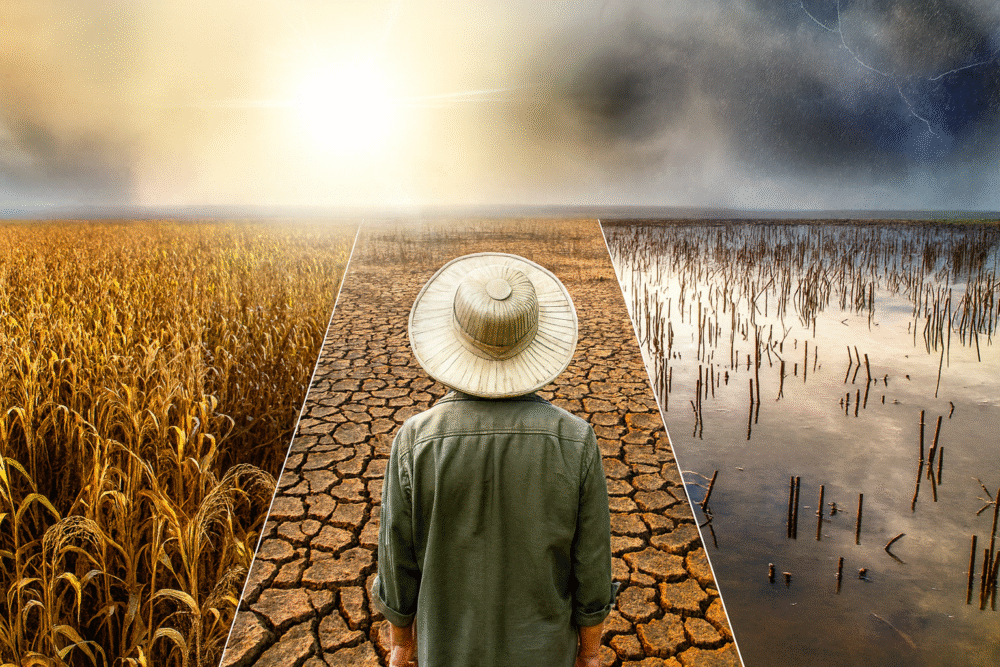
©Image license via Chat GPT

Across parts of the western United States, years of severe drought are setting the stage for a new kind of natural disaster. Scientists say that when prolonged dry conditions are suddenly broken by powerful storms, the parched ground can’t absorb the deluge—turning rainfall into catastrophic floods. This collision of extremes, known as “climate whiplash,” is becoming more likely as global temperatures rise. Experts warn that few regions are prepared for the chaos such events could unleash.

Read more