Record Ocean Heat Has Decimated Florida’s Coral Reefs—And Two Species May Be Gone for Good

Scientists say record ocean heat has nearly wiped out two cornerstone coral species across Florida’s reefs.
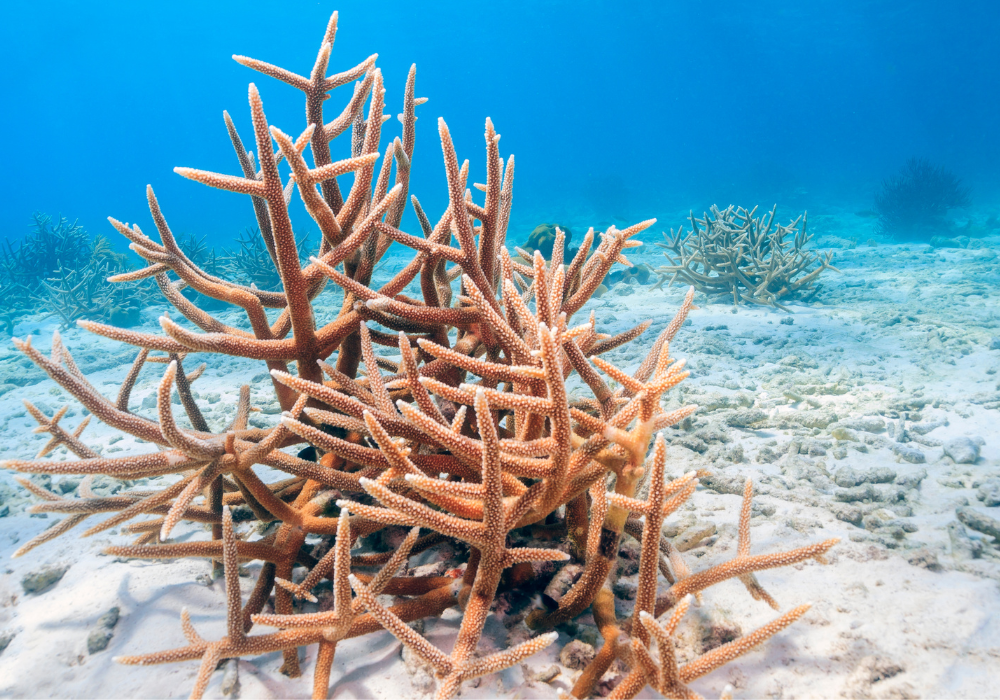
©Image license via Canva

Scientists report that record-breaking ocean temperatures in 2023 have devastated Florida’s coral reefs, killing off two of the region’s most important coral species. A new survey by the National Oceanic and Atmospheric Administration (NOAA) and university researchers found that staghorn and elkhorn corals—once dominant along the Florida Keys—have suffered near-total mortality. The extreme heat triggered one of the worst bleaching events ever recorded, leaving vast stretches of reef barren and threatening the ecosystems that depend on them.
Read more

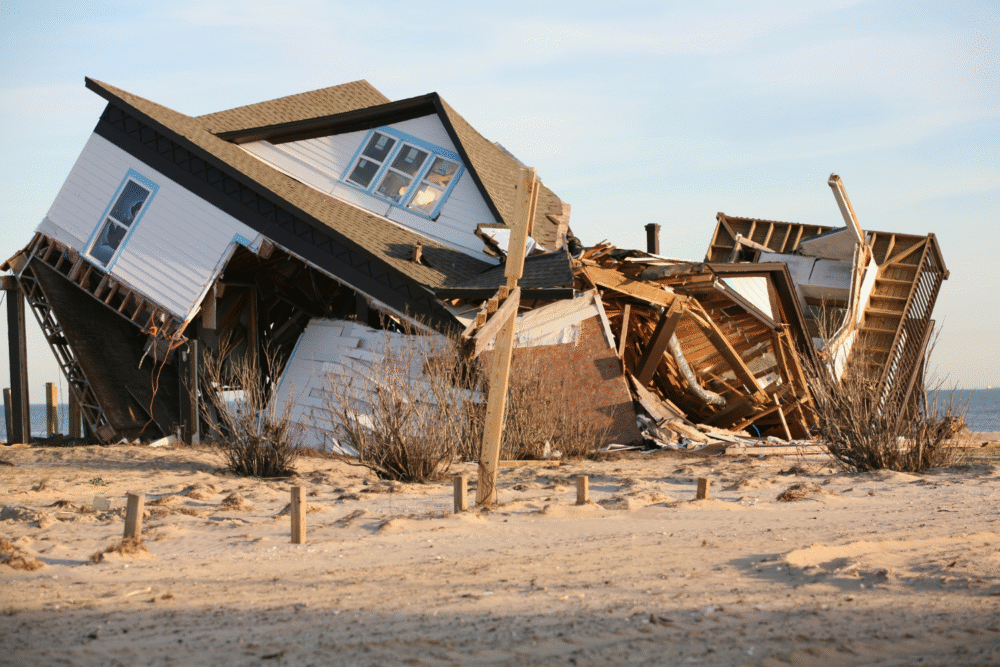
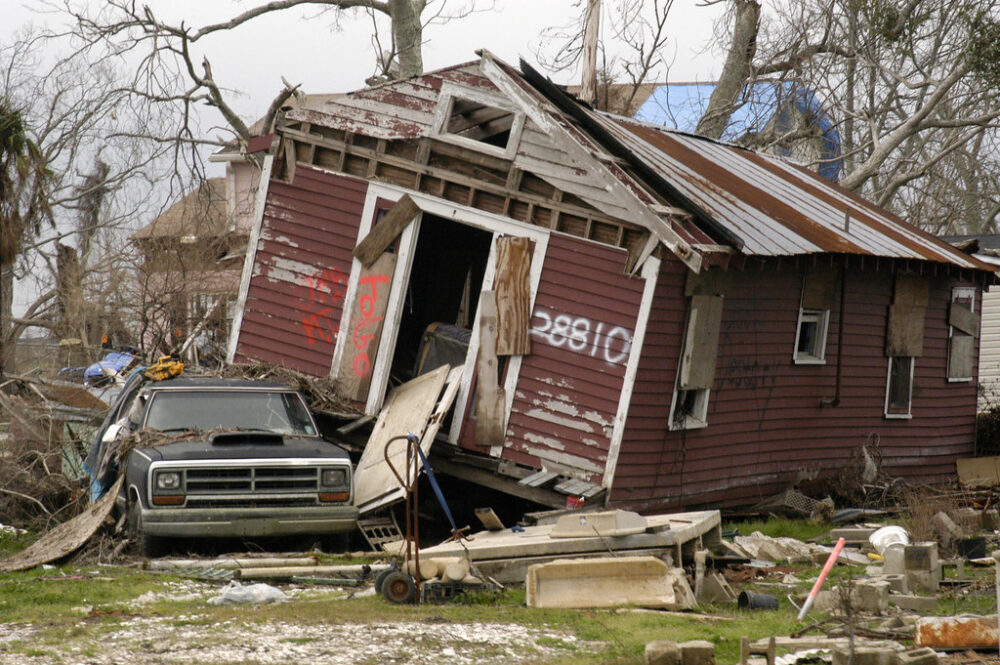
Twenty Years After Katrina: Is America Really Ready for the Next Big Storm?

Two decades after Katrina’s devastation, experts weigh in on whether America can withstand the next major storm.

©Image license via Flickr

Nearly twenty years have passed since Hurricane Katrina struck the Gulf Coast in August 2005, killing more than 1,800 people and causing over $100 billion in damage. The storm exposed major failures in infrastructure, emergency response, and disaster planning across the United States. Since then, billions have been spent to strengthen levees, improve forecasts, and modernize evacuation systems. But as stronger, wetter hurricanes become more frequent, scientists and emergency managers warn the nation’s readiness remains deeply uneven—and dangerously tested.

Read more

Scientists Stunned as Giant Antarctic Iceberg Reveals Over 1,000 Hidden Nests

Researchers discovered more than 1,000 active nests after a massive Antarctic iceberg broke away from the coast.

©Image license via Chat GPT

When a massive iceberg recently broke away from the Antarctic coast, it revealed something few scientists expected—over 1,000 active nests belonging to Antarctic petrels, a seabird that breeds only in the region’s most remote and icy areas. The discovery was made during a Norwegian Polar Institute expedition to Queen Maud Land, where researchers used drones and satellite imagery to survey the exposed terrain. The finding offers new insight into how wildlife adapts to one of Earth’s harshest environments.

Read more

Climate Change Is Rewriting the Rules of Training for the Winter Olympics

As snow disappears and seasons shift, Olympic athletes are being forced to rethink how they prepare to compete.

©Image license via Raw Pixel

Across the world’s mountain regions, athletes preparing for the Winter Olympics are confronting a new reality—warmer winters and shrinking snow seasons. Training once done on frozen slopes now happens on artificial snow or even indoors as temperatures rise and storms grow unpredictable. Coaches and competitors alike are adapting to the changing climate, testing new technologies and techniques to stay competitive. For many, the challenge isn’t just winning—it’s learning how to train when winter itself is vanishing.

Read more

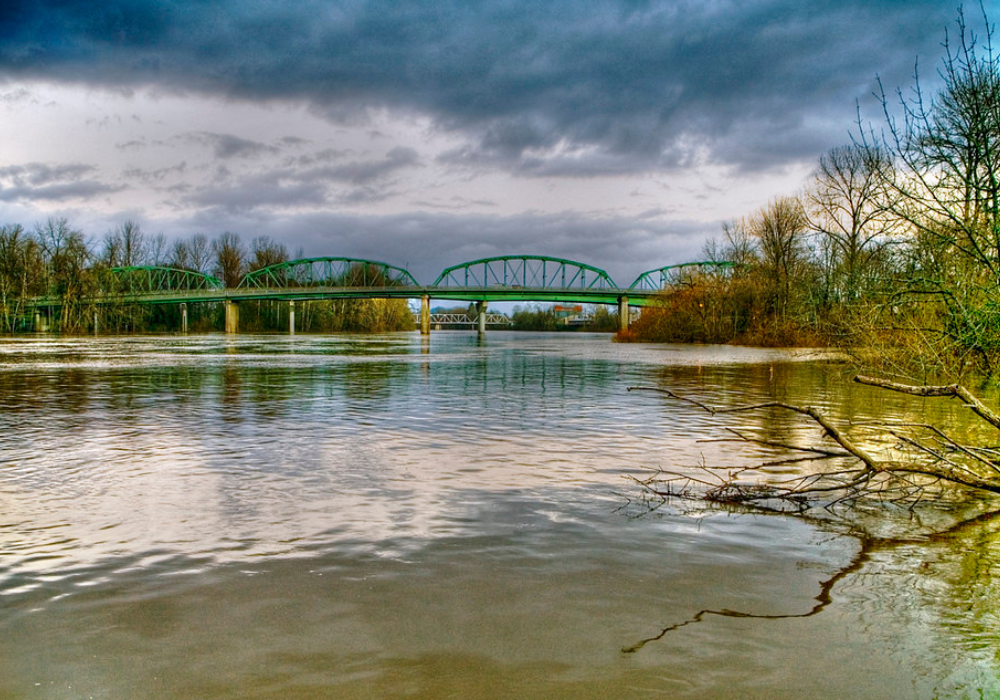
Flood Risk Rising: A Series of Storms Will Drench the West This Week

Forecasters warn that multiple Pacific storms could bring flooding, strong winds, and mountain snow to the West.

©Image license via Flickr

A powerful train of Pacific storms is set to drench the western United States this week, bringing heavy rain, gusty winds, and flooding concerns from Washington to California. Meteorologists say several back-to-back systems will funnel moisture inland, creating an atmospheric river that could drop 2 to 6 inches of rain in some areas. Burn scars and low-lying regions face the greatest flood risk, while mountain passes may see significant snowfall and dangerous travel conditions through the weekend.

Read more

America’s Ultra-Rich Are Burning Through the World’s Remaining Climate Budget

A new Oxfam report warns that America’s wealthiest are consuming a huge share of the planet’s climate safety limit.

©Image license via Canva

A new report from Oxfam, the international anti-poverty organization, and the Stockholm Environment Institute reveals that America’s richest 0.1% generate carbon emissions thousands of times higher than the world’s poorest. The study warns that this small group’s luxury lifestyles and investments are depleting the planet’s remaining “safe climate space”—the limit needed to avoid runaway warming. Oxfam researchers say the findings highlight how extreme inequality is driving environmental damage and worsening the global climate crisis.

Read more

Millions of Avoidable Deaths: Climate Change’s Growing Threat to Global Health

A new global report warns that climate change is driving millions of preventable deaths each year.

©Image license via Canva

A major study from the Lancet Countdown and Inside Climate News reveals that climate change is now causing millions of avoidable deaths worldwide. Rising heat, extreme weather, and worsening air pollution are pushing global health systems to their limits. Researchers say these deaths are not inevitable—they’re the result of inaction and slow adaptation. The report urges governments to treat the climate crisis as a health emergency before the death toll climbs even higher.

Read more

Storm Fatigue Is Real: 11 Ways Repeated Hits Wear Down Cities and Wallets

Repeated storms amplify financial and infrastructural challenges for cities and households alike.

©Image license via Pexels

Storm fatigue is a growing concern as cities and residents face the cumulative effects of frequent storms. Each event not only damages infrastructure but also strains budgets, disrupts local economies, and increases household expenses. Beyond physical destruction, communities contend with mental stress and rising insurance costs. Understanding how these repeated hits wear down urban areas and personal finances helps individuals and policymakers prepare and build resilience for future storms.

Read more

Bill Gates Sparks Controversy With His New View on Climate Change

Gates challenges dire climate predictions, urging innovation and adaptation over alarmism.

©Image license via Raw Pixel

In a memo unveiled ahead of the 2025 COP30 summit, Bill Gates issued one of his most consequential climate statements yet—challenging the “doomsday” narrative that dominates the conversation. While he affirmed that climate change poses serious risks, he insisted it will not lead to humanity’s collapse. Instead, Gates called for a strategic pivot: invest more in tackling poverty and disease, and channel the same innovation that has driven clean-energy breakthroughs into practical solutions for a warmer world.

Read more

Philadelphia’s Hidden Crisis: Billions of Gallons of Raw Sewage in Its Waterways

Aging pipes and heavier rains are overwhelming the city’s sewers, sending waste into local rivers.

©Image license via Shutterstock

Each year, billions of gallons of raw sewage and stormwater spill into Philadelphia’s rivers and creeks, contaminating waterways that flow into the Delaware River. The problem stems from a century-old combined sewer system that can’t handle modern rainfall levels. When heavy storms hit, pipes overflow—releasing untreated waste directly into the environment. Despite billions invested in green infrastructure, climate change is intensifying rainfall, making it harder than ever for the city to keep its water clean.

Read more