
Scientists say record ocean heat has nearly wiped out two cornerstone coral species across Florida’s reefs.
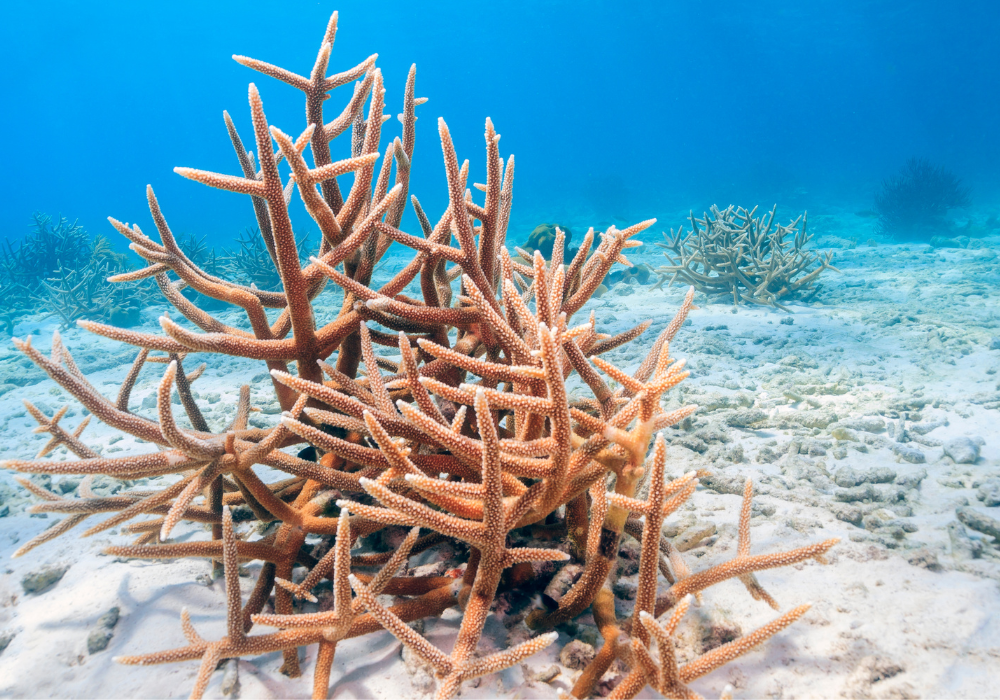
Scientists report that record-breaking ocean temperatures in 2023 have devastated Florida’s coral reefs, killing off two of the region’s most important coral species. A new survey by the National Oceanic and Atmospheric Administration (NOAA) and university researchers found that staghorn and elkhorn corals—once dominant along the Florida Keys—have suffered near-total mortality. The extreme heat triggered one of the worst bleaching events ever recorded, leaving vast stretches of reef barren and threatening the ecosystems that depend on them.
1. Record Ocean Heat Triggered a Historic Coral Die-Off

In the summer of 2023, water temperatures in the Florida Keys reached unprecedented levels—surpassing 90 degrees Fahrenheit for extended periods. Scientists with NOAA and the University of Miami reported that this prolonged heat stress caused widespread bleaching and death among reef-building corals.
Such extreme temperatures interrupt the delicate symbiosis between coral and the algae that sustain them, effectively starving the colonies. The event marked one of the most severe marine heat waves ever recorded in the region’s history.
2. Two Iconic Coral Species Have Been Nearly Wiped Out
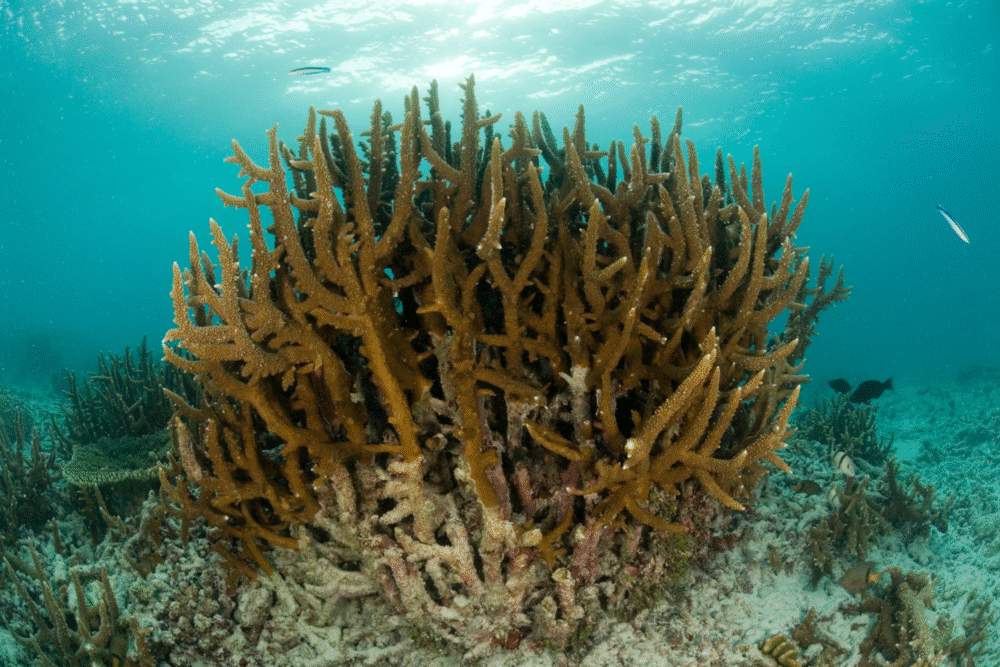
Among the hardest hit were staghorn (Acropora cervicornis) and elkhorn (Acropora palmata) corals—two keystone reef species once abundant throughout the Florida Keys. Recent surveys show near-total mortality of these corals across large areas of the reef tract.
Both species were already listed as threatened under the U.S. Endangered Species Act. Their collapse marks a significant setback for coral restoration efforts and for the overall stability of Florida’s reef ecosystem.
3. Bleaching Left Entire Reef Sections Ghostly White
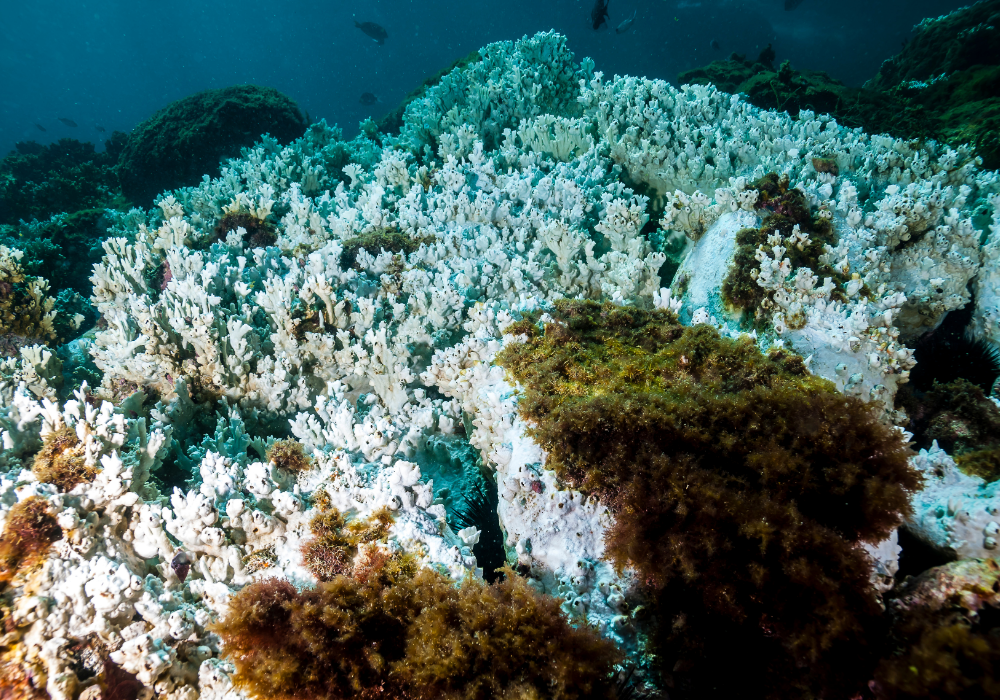
Bleaching occurs when corals expel the symbiotic algae, or zooxanthellae, that give them color and energy. Without these microscopic partners, corals turn white and become highly vulnerable to disease and starvation.
During the 2023 heat wave, bleaching began earlier and spread faster than ever recorded. Divers reported entire reefs transformed into pale, lifeless expanses—signs that many corals were unable to recover before dying.
4. Scientists Had to Evacuate Coral Nurseries to Save Them

As ocean temperatures spiked, researchers with NOAA and local aquariums scrambled to rescue vulnerable coral fragments from ocean nurseries. Teams transported live specimens to land-based tanks in an effort to preserve genetic diversity.
These emergency operations saved thousands of coral fragments that might serve as broodstock for future restoration. However, scientists caution that without large-scale cooling or global emissions reductions, returning them to the sea will remain a major challenge.
5. The Florida Reef Tract Is America’s Largest Coral System
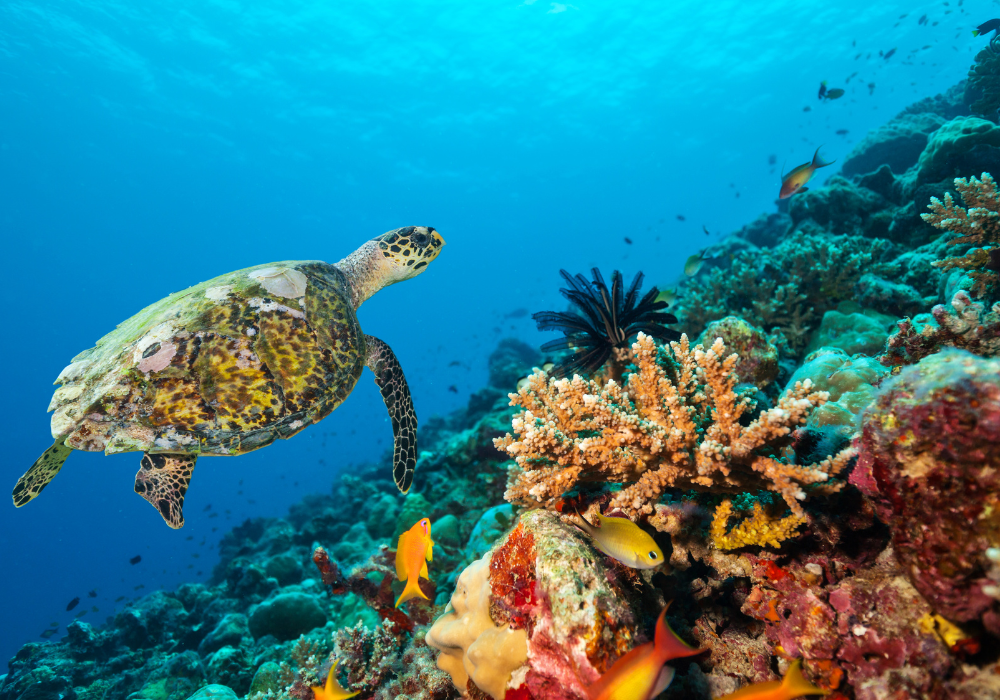
Stretching nearly 360 miles along the state’s southeast coast, the Florida Reef Tract is the only living barrier reef in the continental United States. It provides crucial coastal protection, supports fisheries, and attracts millions of tourists each year.
The loss of even a few dominant coral species can have cascading effects across this ecosystem. Researchers warn that without intervention, the reef could shift from a vibrant habitat to a barren seascape dominated by algae and rubble.
6. Rising Ocean Temperatures Are the Main Culprit

Scientists attribute the coral losses primarily to abnormally high sea surface temperatures linked to global climate change. The 2023 marine heat wave coincided with a developing El Niño pattern, which tends to trap heat in the Atlantic and Caribbean.
Long-term warming trends have made Florida’s reefs more vulnerable to even short spikes in temperature. As oceans absorb excess atmospheric heat, corals face smaller recovery windows and increasing risk of permanent die-offs.
7. Local Restoration Projects Suffered Major Setbacks
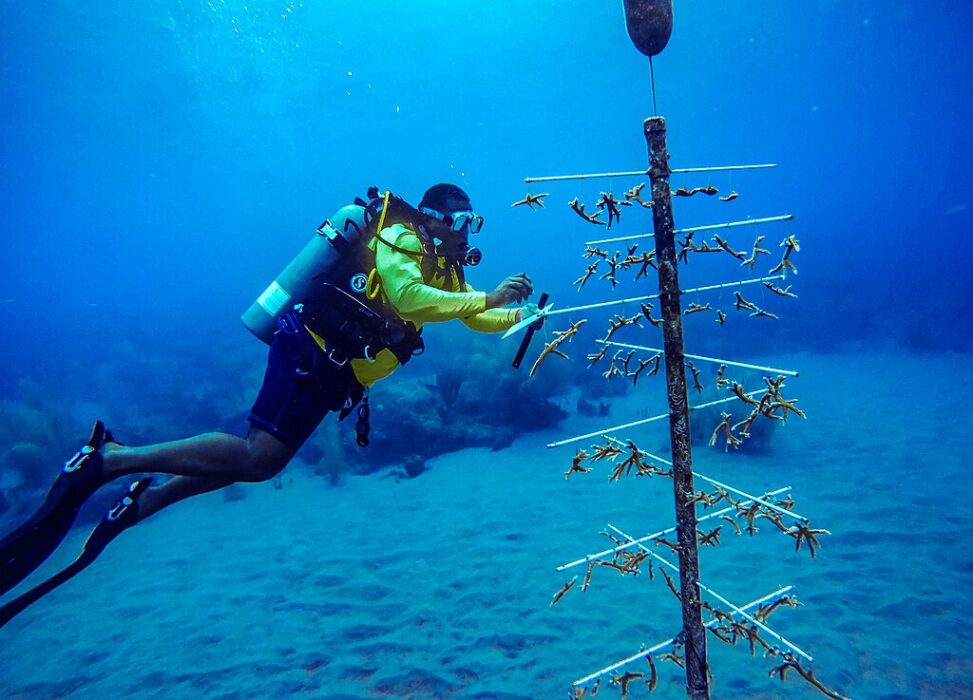
Organizations like the Coral Restoration Foundation and Mote Marine Laboratory have spent years cultivating staghorn and elkhorn corals in underwater nurseries. Many of those restored colonies were lost during the 2023 event.
Despite years of progress, the heat wave erased much of that work within weeks. Restoration experts are now reassessing strategies to breed more heat-resistant coral strains that can withstand future warming events.
8. The Heat Wave Was Global—But Florida Was Hit Especially Hard

While coral bleaching occurred throughout the Caribbean, Florida experienced some of the most extreme and prolonged warming on record. Satellite data showed thermal stress levels well beyond previous bleaching thresholds.
Scientists describe the event as part of a broader global pattern. Ocean temperatures in 2023 broke records worldwide, underscoring how climate-driven heat waves are now occurring with increasing frequency and intensity.
9. Coral Loss Threatens Hundreds of Marine Species
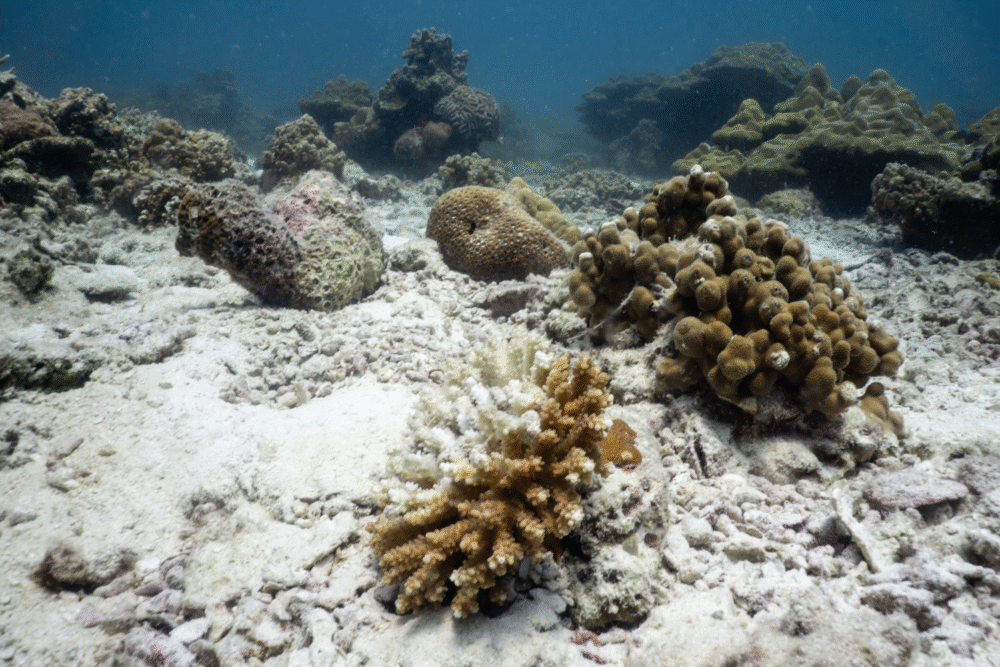
Florida’s reefs provide shelter and feeding grounds for more than 500 species of fish and countless invertebrates. The loss of staghorn and elkhorn corals—key architects of reef structure—means less habitat and protection for marine life.
This decline could ripple through the ecosystem, affecting commercially valuable fish populations and coastal communities that depend on reef-based tourism and fishing for income. Scientists say restoring these habitats is critical to maintaining ocean biodiversity.
10. Scientists Warn Recovery Could Take Decades—If It Happens at All

Even under ideal conditions, corals grow slowly—sometimes just a few centimeters a year. With ocean temperatures continuing to rise, natural recovery of Florida’s reefs could take decades, if it occurs at all.
Many researchers fear that without rapid action to curb carbon emissions and reduce local stressors like pollution, the ecosystem may never return to its former state. Some now consider parts of the reef to be in ecological collapse.
11. The Disaster Highlights Urgent Need for Climate Action

The near-eradication of two cornerstone coral species underscores the vulnerability of ocean ecosystems to rising global temperatures. Experts say Florida’s reef crisis is a warning of what could happen elsewhere as marine heat waves become more frequent.
Scientists emphasize that large-scale recovery is only possible if the root cause—climate change—is addressed. Protecting the reefs, they argue, will depend not just on restoration but on reducing greenhouse gas emissions worldwide.