
A new Oxfam report warns that America’s wealthiest are consuming a huge share of the planet’s climate safety limit.

A new report from Oxfam, the international anti-poverty organization, and the Stockholm Environment Institute reveals that America’s richest 0.1% generate carbon emissions thousands of times higher than the world’s poorest. The study warns that this small group’s luxury lifestyles and investments are depleting the planet’s remaining “safe climate space”—the limit needed to avoid runaway warming. Oxfam researchers say the findings highlight how extreme inequality is driving environmental damage and worsening the global climate crisis.
1. The World’s Wealthiest Americans Are Driving a Carbon Divide

According to Oxfam’s new analysis, the richest 0.1% of Americans produce up to 4,000 times more carbon emissions than the world’s poorest people. Their combined environmental footprint is so large that it accounts for a substantial portion of the global emissions budget that scientists say humanity must stay within to limit warming to 1.5°C.
This extreme imbalance highlights how climate change is not just a scientific or political issue but also one of inequality. The wealthiest individuals are contributing disproportionately to a crisis that affects poorer populations most severely.
2. Oxfam Warns the Planet’s “Safe Climate Space” Is Shrinking Fast
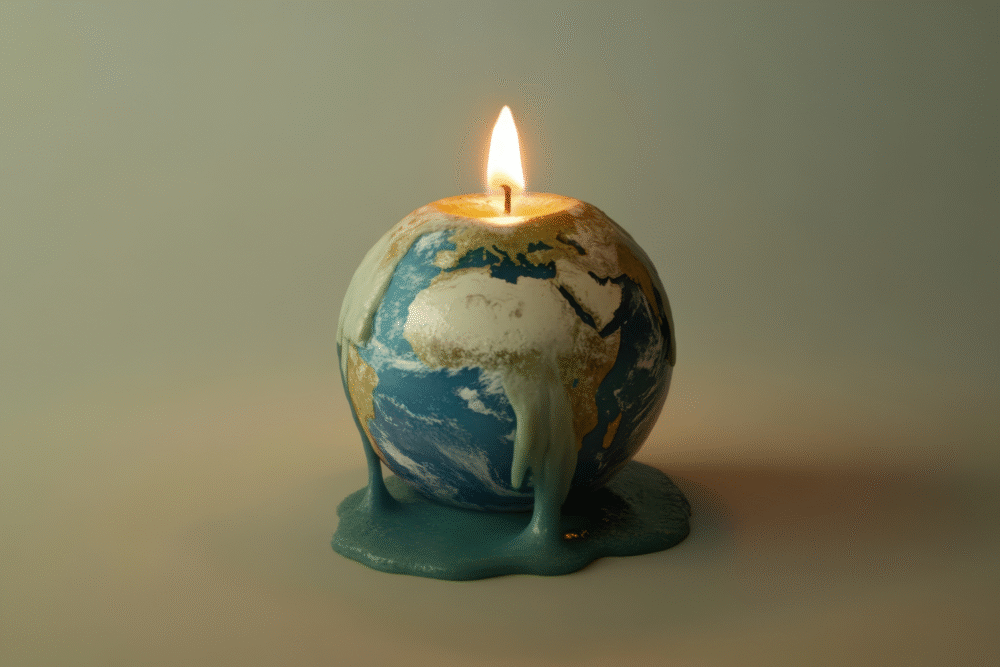
The study refers to the remaining “safe climate space” as the finite amount of carbon humanity can emit before triggering catastrophic warming. At the current rate, that space is rapidly vanishing—and the behavior of the super-rich is accelerating its depletion.
Oxfam warns that luxury consumption patterns, private jets, superyachts, and high-emission investments are effectively “running down” this global safety buffer. The report urges governments to take immediate action, arguing that every ton of carbon from the wealthiest few pushes the world closer to dangerous climate thresholds.
3. The Top 0.1% Emit More Than Some Entire Nations
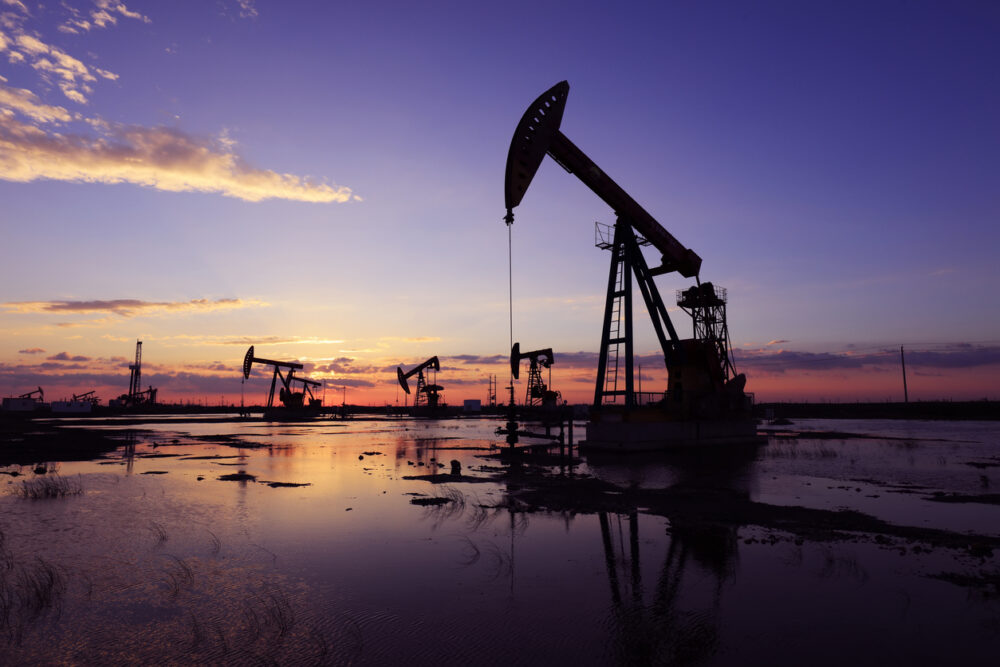
The report estimates that America’s richest 0.1%, roughly 130,000 people, collectively emit more carbon than many medium-sized countries. Their emissions come not just from travel and homes but also from financial portfolios invested in fossil fuels and heavy industries.
When their total impact is considered, the wealthiest Americans function like a small industrialized nation within a nation. Oxfam says this underscores the need to measure emissions by income group, not just geography, to fully understand who bears responsibility for global warming.
4. Luxury Lifestyles Are Fueling the Problem

From frequent private flights to owning multiple homes and superyachts, the lifestyles of the ultra-wealthy create enormous emissions. Each of these indulgences contributes significantly to the carbon footprint gap between rich and poor.
Oxfam notes that high-carbon luxury activities have become normalized among the world’s richest individuals, even as billions struggle with the effects of extreme heat, floods, and food shortages. These habits, while enjoyed by a small fraction of humanity, carry global consequences that everyone must bear.
5. Investments Are a Hidden Source of Emissions

Beyond personal consumption, the investment portfolios of the super-rich are among the largest sources of greenhouse gases. Many billionaires and multimillionaires hold significant shares in fossil fuel companies or industries that rely heavily on carbon-intensive processes.
Oxfam calculates that emissions tied to investments often exceed those from personal lifestyles. This means that financial decisions—such as choosing where to invest wealth—can have climate impacts equal to or greater than those of flying, driving, or home energy use combined.
6. Extreme Wealth and Climate Damage Are Directly Linked

Oxfam’s report argues that the climate crisis cannot be separated from the global inequality crisis. The same concentration of wealth that gives a small elite immense purchasing power also enables them to consume—and pollute—far beyond sustainable limits.
This connection reveals a deeper systemic problem: the economic model that rewards limitless growth and consumption for a few directly fuels planetary instability. Without addressing this imbalance, Oxfam warns, climate progress will remain out of reach no matter how quickly technology advances.
7. The Poorest Are Paying the Price for Others’ Emissions
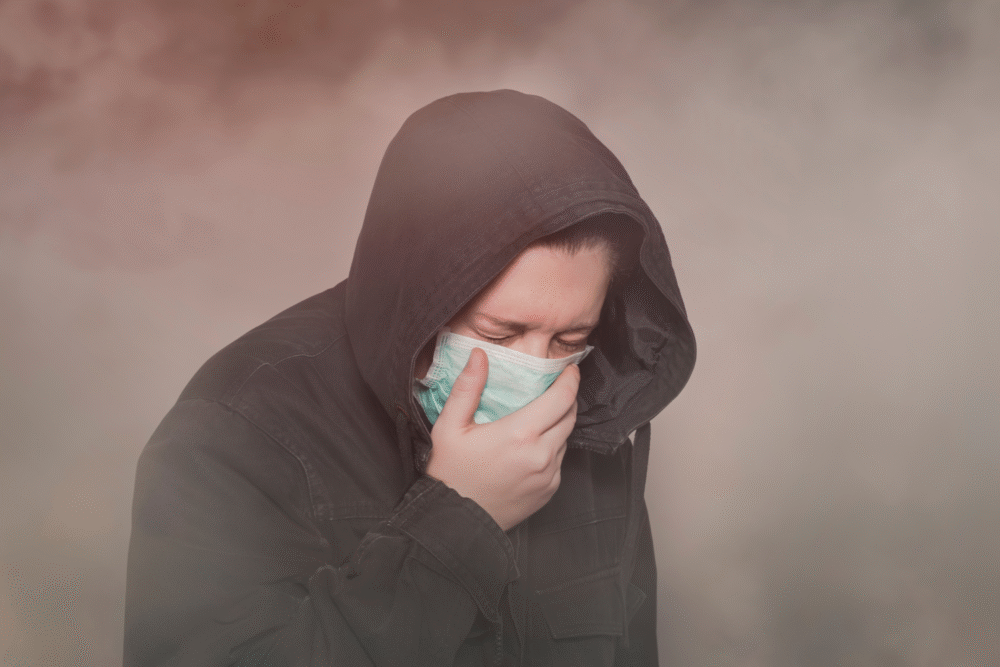
While the wealthy burn through the world’s remaining carbon budget, poorer communities are left to deal with the fallout. Low-income nations and vulnerable populations face rising sea levels, drought, and deadly heatwaves they did little to cause.
Oxfam emphasizes that climate change magnifies existing inequalities—eroding food security, damaging health, and displacing families worldwide. The report calls it a form of “climate injustice,” where those least responsible are suffering the most severe and immediate consequences.
8. Policy Experts Say Progressive Taxation Could Help

To counter the imbalance, Oxfam proposes new taxes on wealth, luxury emissions, and high-carbon investments. These “climate wealth taxes” could generate billions for renewable energy, adaptation, and global recovery efforts.
The organization points to successful pilot programs in Europe that target luxury carbon consumption. By making the biggest polluters pay proportionally for their emissions, these policies could help redistribute resources toward climate resilience in developing nations without punishing ordinary households.
9. The U.S. Stands Out Among Major Polluters
While inequality-driven emissions are a global issue, the United States leads the pack in climate disparity. The top American earners collectively release more greenhouse gases per person than any other wealthy group in the world.
Oxfam’s report suggests that this is partly due to the country’s reliance on private transportation, sprawling homes, and high-consumption culture. It also points to weak regulations on private aviation and energy-intensive industries, allowing the ultra-wealthy to continue polluting with minimal accountability.
10. Cutting Luxury Emissions Could Have a Huge Impact
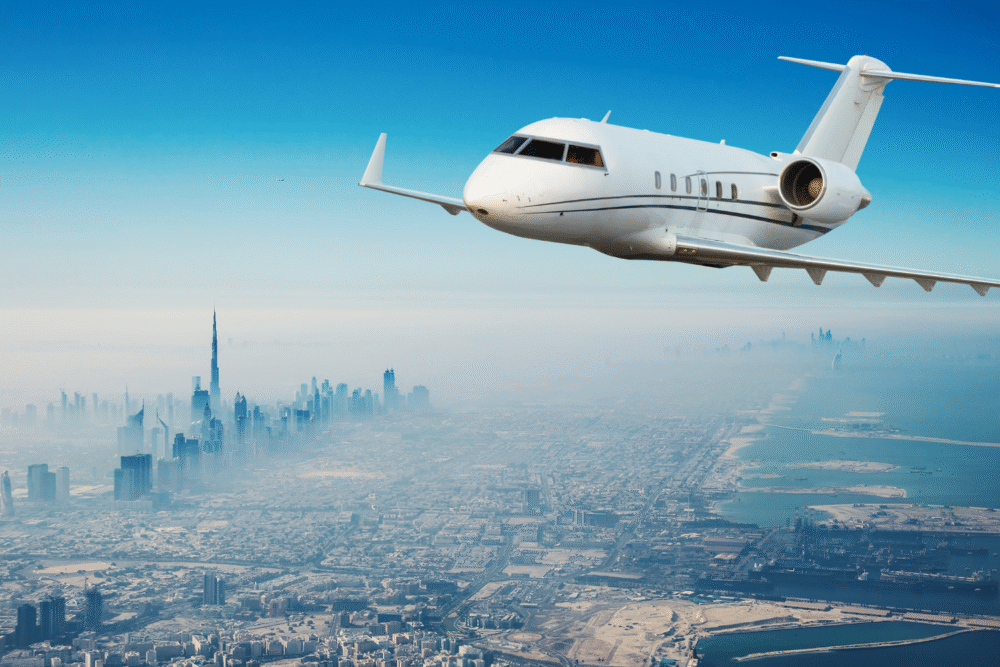
Oxfam argues that targeting the emissions of the richest 1% could make a measurable difference in curbing global warming. Reducing their carbon footprint even modestly would save billions of tons of emissions over the next decade.
Unlike systemic overhauls that take years, regulating private jets, luxury real estate, and investment practices could produce immediate results. The organization sees this as low-hanging fruit—reductions that are both achievable and ethically justified, given the vast inequality in responsibility.
11. Climate Accountability Is Becoming a Moral Issue

The growing awareness of “carbon inequality” is changing how people think about responsibility. Climate change is no longer seen only as a technical or policy challenge but as an ethical question about fairness and stewardship.
Oxfam argues that holding the wealthiest accountable isn’t about punishment—it’s about protecting shared resources for everyone else. As the effects of warming intensify, the moral divide between those causing damage and those enduring it is becoming harder for the public and policymakers to ignore.
12. Oxfam Calls for Urgent Global Action on Carbon Inequality
The report ends with a warning: without policies to curb excessive emissions from the wealthy, the world risks overshooting climate goals within the next decade. Oxfam urges governments to combine emissions reductions with wealth reform to ensure meaningful progress.
It also calls for greater transparency in how financial institutions and high-net-worth individuals report their carbon footprints. The message is clear—fighting climate change requires more than green technology. It demands confronting the economic systems that allow a privileged few to endanger the planet’s future.