
Experts warn the planet’s ability to trap CO₂ underground may be far smaller than predicted.
A new study led by the International Institute for Applied Systems Analysis (IIASA) reveals that Earth’s underground carbon storage potential may be up to ten times lower than previously assumed. Published in Nature, the research overlays geological, safety, and technical constraints on earlier optimistic estimates, concluding that only a fraction of the planet’s formations are viable for permanent CO₂ storage. The revelation suggests many climate models may overestimate the buffer we have against emissions—and underscores how limited carbon sequestration really is.
1. Scientists Discovered a Massive Overestimate in Carbon Storage
Researchers reanalyzed decades of geological data across continents and found that earlier models had vastly overstated the world’s carbon storage potential. Many past studies assumed deep rock layers were sealed tightly enough to hold pressurized CO₂ safely for centuries.
In reality, only a fraction of those formations meet the conditions needed for long-term containment. This means global estimates—once touted as sufficient to offset industrial emissions for decades—may have been inflated by as much as 90 percent.
2. Geological Barriers Make Most Sites Unsuitable
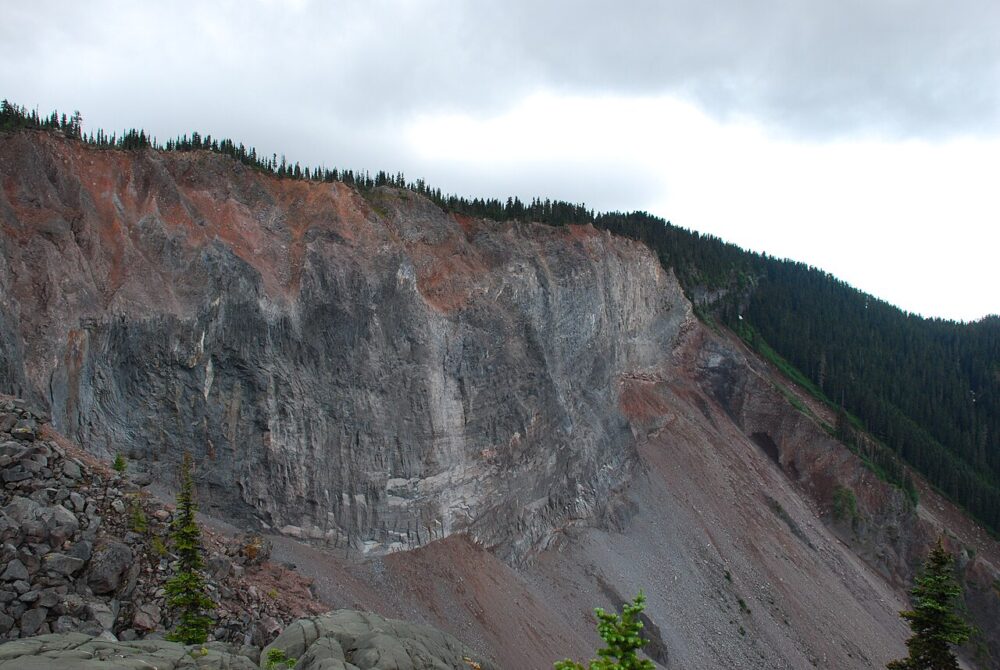
The study shows that many of the world’s supposed carbon “sinks” are too shallow, fractured, or chemically unstable to lock carbon away permanently. Rocks like sandstone and limestone can hold gas, but only under specific temperature and pressure ranges.
Even microscopic cracks in the surrounding caprock could allow stored carbon to leak upward over time. Scientists now stress that storage efforts must be far more selective, focusing only on rare formations capable of maintaining long-term pressure and stability.
3. Current Carbon Capture Projects May Store Far Less Than Planned
Existing carbon capture and storage (CCS) sites were designed using optimistic geological assumptions. The new findings suggest their true capacity could be much lower than projected, reducing the total carbon removed from the atmosphere each year.
This discrepancy may mean billions of dollars invested in large-scale storage projects are delivering less climate benefit than expected. Scientists urge governments to update capacity assessments before expanding infrastructure based on outdated data.
4. Net-Zero Climate Plans Could Be at Risk

Many national net-zero strategies rely heavily on the idea that captured CO₂ can be locked underground indefinitely. If geological storage proves far more limited, it could undermine key components of those climate pledges.
Experts warn that this revelation makes aggressive emissions cuts even more urgent. Instead of banking on long-term storage as a fail-safe, nations may need to double down on renewable energy, carbon reduction technologies, and ecosystem restoration.
5. Carbon Storage Works Better in Certain Regions

The study found that geological conditions vary dramatically worldwide. Some regions—such as parts of the North Sea, the Gulf of Mexico, and Western Australia—do have favorable rock structures for long-term storage.
Elsewhere, however, the necessary geological layers are thin or fragmented, leaving little room for large-scale carbon injection. This regional imbalance means that while some countries may succeed with CCS, others will have to find different climate solutions.
6. Storage Leaks Could Undermine Climate Goals
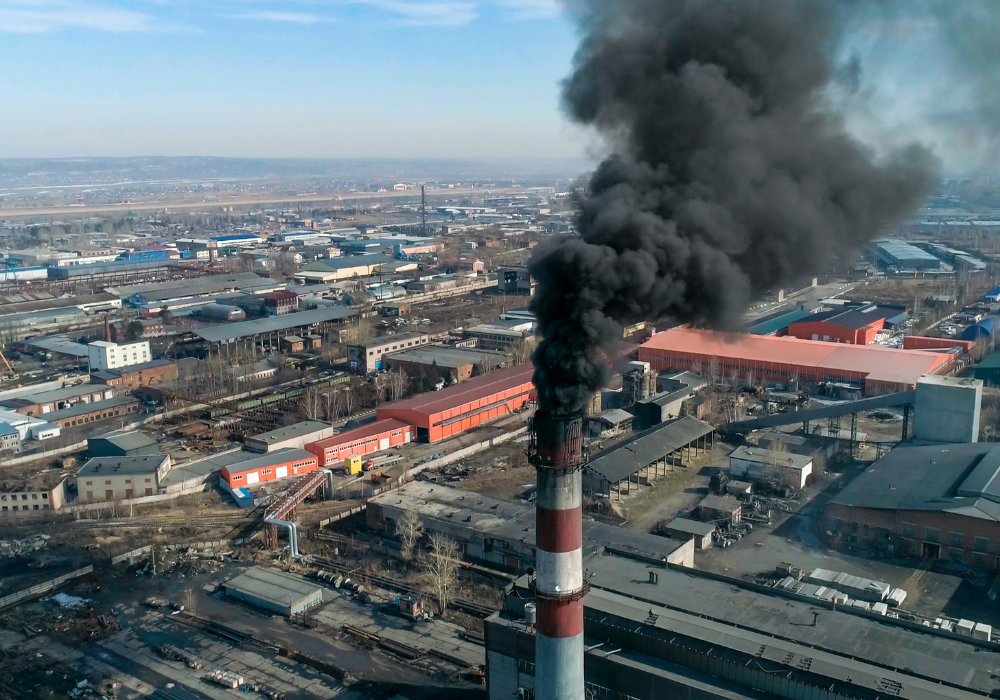
Even small leaks can have an outsized impact. If underground carbon escapes faster than expected, the entire concept of permanent sequestration becomes questionable. The leaked CO₂ would not only return to the atmosphere but could also pose risks to groundwater.
Researchers emphasize that proper site monitoring and stricter safety standards are crucial to prevent environmental damage. Without rigorous oversight, carbon storage could end up doing more harm than good.
7. Previous Models Ignored Pressure and Rock Chemistry
Earlier carbon storage models were built using simple assumptions about space and porosity—essentially treating underground layers like empty tanks. The new analysis takes into account chemical reactions and fluid pressure changes that occur once CO₂ is injected.
These reactions can reduce storage capacity over time, either by clogging pore spaces or weakening surrounding rock. It’s a reminder, scientists say, that subsurface storage isn’t static—it’s a complex, dynamic system that behaves differently than predicted.
8. Carbon Capture Alone Can’t Solve the Climate Crisis

This research adds to a growing consensus that carbon capture and storage should not be viewed as a standalone climate solution. Even under the best conditions, it can only offset a fraction of global emissions.
Experts argue that the new data reinforces the need to prioritize prevention over storage. Cutting fossil fuel use, improving energy efficiency, and protecting carbon-rich ecosystems will remain the most reliable tools in slowing global warming.
9. Alternative Storage Solutions Are Being Explored

With geological storage now looking less dependable, scientists are investigating other long-term carbon sinks. One promising area is mineralization—converting captured CO₂ into solid rock through chemical reactions with basalt.
Another involves restoring degraded soils and forests to naturally absorb carbon. While these methods can’t replace underground storage at scale yet, they may complement it as technology evolves.
10. Industry Leaders Are Reassessing Their Plans

Energy companies that have invested heavily in CCS projects are now re-evaluating their assumptions. Several major oil and gas firms had counted on large storage sites to balance their carbon output.
If those sites prove smaller than expected, corporate climate pledges may fall short. Industry experts say the focus could shift toward renewable investments and carbon recycling technologies instead of large-scale storage expansion.
11. Policymakers May Need to Redefine “Carbon Neutral”

The new findings could reshape how governments define net-zero compliance. If much of the assumed storage space is unavailable, achieving “carbon neutrality” will require stricter emission accounting and fewer offsets.
This could also drive more transparency in how countries report carbon budgets. Officials may soon need to distinguish between temporary capture and truly permanent sequestration in national climate plans.
12. The Findings Are a Wake-Up Call for Climate Action

Scientists say the study is not a reason to abandon carbon storage altogether—it’s a call for realism. Earth still has storage potential, but it’s far more limited than the optimistic models once suggested.
The discovery underscores the urgency of cutting emissions at the source rather than hoping technology will buy time. As one researcher noted, “We can’t store our way out of the climate crisis—we have to stop creating the problem in the first place.”