Your Body on Extreme Heat: What Happens When Temperatures Soar

Doctors say rising heat can strain your heart, brain, and other vital organs.

©Image license via Canva

Extreme heat poses significant challenges to the human body, interfering with its natural ability to regulate temperature. As temperatures rise, risks such as dehydration, heat exhaustion, and heatstroke become more likely, impacting vital organs and overall wellbeing. Recognizing early signs and understanding how heat affects different systems—from the cardiovascular function to skin health—is essential for staying safe and maintaining good health during periods of intense heat exposure.
Read more

Scientists Say Earth May Have 10 Times Less Carbon Storage Capacity Than We Thought

Experts warn the planet’s ability to trap CO₂ underground may be far smaller than predicted.

©Image license via Pixels

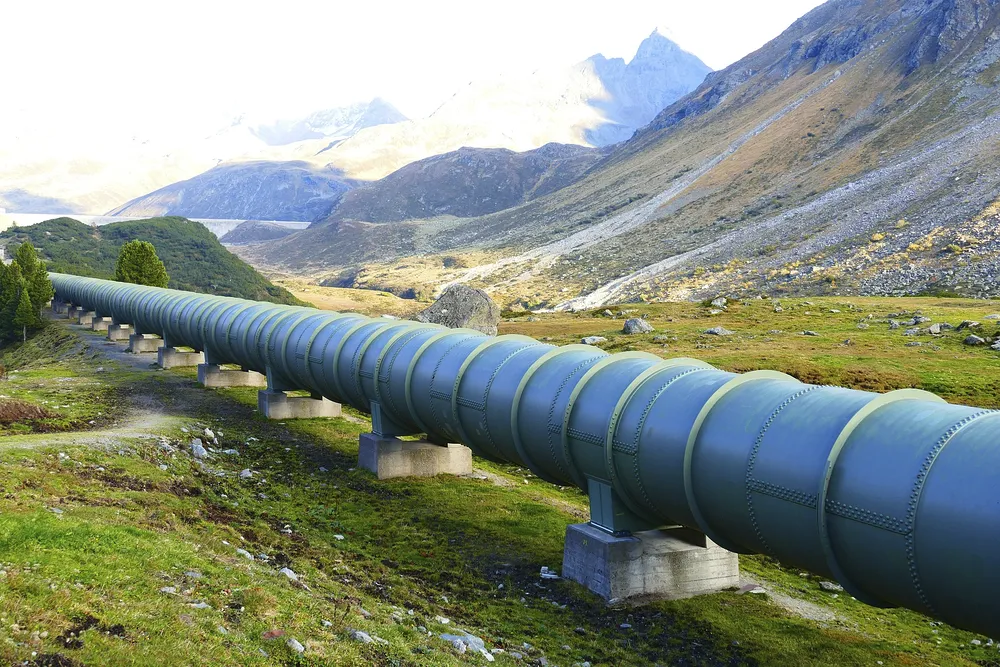
A new study led by the International Institute for Applied Systems Analysis (IIASA) reveals that Earth’s underground carbon storage potential may be up to ten times lower than previously assumed. Published in Nature, the research overlays geological, safety, and technical constraints on earlier optimistic estimates, concluding that only a fraction of the planet’s formations are viable for permanent CO₂ storage. The revelation suggests many climate models may overestimate the buffer we have against emissions—and underscores how limited carbon sequestration really is.

Read more

Scientists Revive Microbes Frozen for 40,000 Years—and They’re Alive

Researchers say the ancient organisms are active and adapting after millennia in Arctic ice.

©Image license via Wikimedia Commons/Helle Astrid Kjær

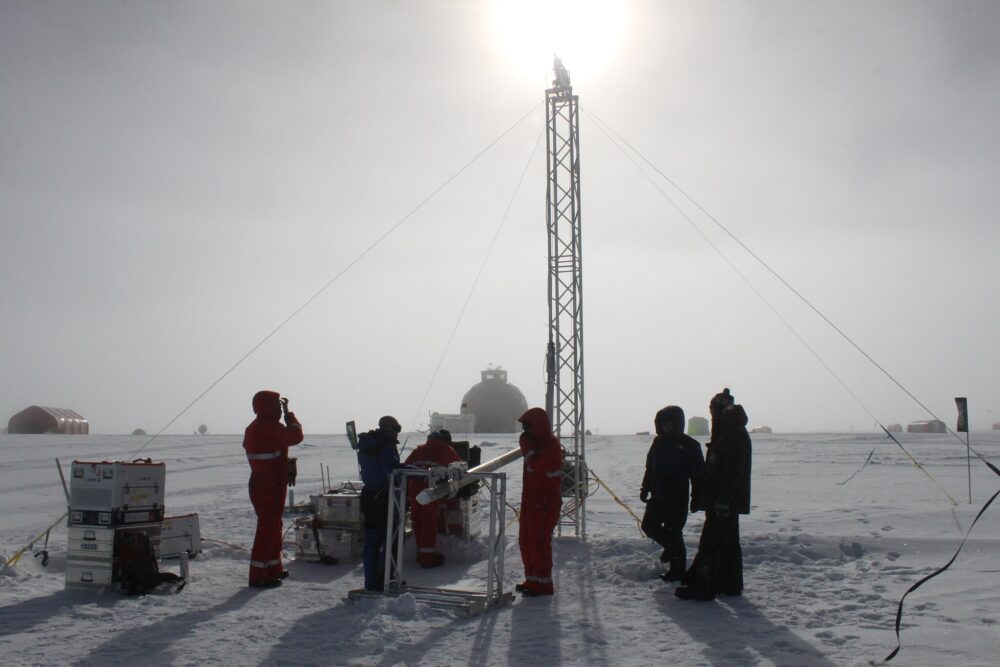
In a breakthrough that sounds like science fiction, researchers have revived ancient microbes that were trapped in Arctic permafrost for roughly 40,000 years. The study, conducted by an international team of microbiologists, revealed that the microorganisms weren’t dead—they were merely dormant. Once thawed under controlled conditions, the microbes began to metabolize and reproduce. Scientists say the discovery sheds light on how life can endure extreme cold for millennia, while also raising questions about potential ecological and biosecurity risks.

Read more

The 13 Strangest Unsolved Mysteries Experts Still Can’t Explain

From eerie signals to lost worlds, these puzzles continue to defy modern science.

©Image license via Canva

For centuries, scientists and historians have worked to uncover the truth behind the world’s strangest mysteries—yet some defy every attempt at explanation. From baffling signals deep in space to ancient civilizations that vanished without a trace, these enigmas blur the line between science and the unknown. Despite decades of research, technology, and investigation, the answers remain elusive. Here are 13 of the strangest unsolved mysteries that continue to puzzle even the brightest minds on Earth.

Read more

South Florida’s King Tides Are Surging Higher Each Year, Scientists Warn

Experts say the record-high tides are a clear preview of future sea level rise.

©Image license via Canva

Every fall, South Florida braces for its seasonal king tides—extra-high tides that now flood streets, homes, and neighborhoods even on sunny days. Scientists say these tides are getting worse each year as rising seas push water higher onto land. A new NOAA analysis shows that Miami’s tidal floods have increased fivefold since 2000, turning what was once a rare event into a yearly crisis. Experts warn these surging tides offer a glimpse of what permanent sea level rise could soon bring.

Read more

Why You Feel So Anxious—According to Science

Psychologists say anxiety is soaring as our brains struggle to keep up with modern life.

Bedroom, woman in bed, top-down view, evening light, documentary style, one person.
©Image license via Canva

If you’ve been feeling more anxious lately, you’re not alone—and science says there are clear reasons why. Rates of anxiety have surged worldwide, fueled by a mix of biological, psychological, and environmental factors. From constant digital stimulation to chronic stress and disrupted sleep, modern life is stretching the brain’s ability to cope. Psychologists say anxiety isn’t just a response to danger—it’s your mind’s alarm system running on overdrive. Understanding what triggers it is the first step toward regaining control.

Read more

What Psychoanalysis Can Teach Us About Love, Heartbreak, and the Human Mind

Psychologists say heartbreak exposes the hidden patterns that drive our relationships.

©Image license via Canva

Love is often described as an emotion, but psychoanalysts see it as a mirror—one that reflects our hidden desires, fears, and histories. More than a century after Freud, modern psychology continues to explore how unconscious processes shape both intimacy and heartbreak. From the thrill of attachment to the despair of loss, love reveals the deeper architecture of the mind. Here’s what psychoanalysis—and the science that followed—can still teach us about why we love, and why it hurts so deeply when we lose it.

Read more

11 Ancient Technologies Modern Engineers Still Can’t Recreate

Ancient engineering marvels continue to challenge modern materials science and construction techniques.

©Image license via Wikimedia Commons

Many ancient technologies demonstrate levels of sophistication that remain difficult for today’s engineers to replicate. From the mysterious gears of the Antikythera Mechanism to the durable Roman concrete and intricately patterned Damascus steel, these inventions reveal deep knowledge of materials and craftsmanship. Modern science, archaeology, and engineering continually explore these technologies, seeking to understand their construction and properties. These ancient methods offer valuable lessons about sustainability, precision, and innovation that resonate in contemporary engineering challenges.

Read more

New Research Finds Middle Age Isn’t the Unhappiest Time of Life Anymore

Experts say happiness no longer bottoms out in midlife—and may even rise with age.

Outdoors, affectionate couple, close-up composition, sunny afternoon, editorial travel photo, two people.
©Image license via iStock

The long-accepted idea of a “midlife happiness slump” may finally be fading. According to a new study published in The Journal of Economic Behavior & Organization by researchers at Dartmouth College, the familiar U-shaped curve of happiness—high in youth, low in midlife, rising again later—no longer holds true for many adults. Analyzing global well-being data from over 100 countries, the researchers found that improvements in health, work-life balance, and social connection are helping people stay happier longer into middle age and beyond.

Read more

Would a Ban on Wildlife Gene Editing Put Endangered Species at Risk?

Scientists warn that banning genetic tools could block lifesaving conservation breakthroughs.

©Image license via Canva

As extinction rates rise, scientists are exploring genetic engineering as a last-resort tool to save vulnerable species. From reviving coral reefs to protecting frogs from deadly fungi, gene editing could give conservationists unprecedented power to fight biodiversity loss. But some countries are considering bans on genetic modification in wildlife, citing ethical and ecological risks. Experts warn that an outright prohibition could halt critical progress—and might leave conservationists defenseless against the accelerating impacts of climate change.

Read more