Study Finds Inhalers Produce as Much Climate Pollution as 500,000 Cars Each Year

Experts warn that common inhalers release potent greenhouse gases into the atmosphere.

©Image license via Canva

A new study led by researchers at UCLA and Harvard has found that common inhalers emit greenhouse gases with a climate impact equivalent to more than 500,000 cars’ annual emissions. The team analyzed inhaler use in the U.S. over a decade—tracking propellant emissions from metered-dose inhalers used to treat asthma and COPD—and discovered the carbon footprint is far larger than previously estimated. While inhalers remain vital for respiratory health, the findings underscore a hidden environmental cost and a growing call for greener alternatives.
Read more

Ancient Crocodile Cousin Could Have Torn Dinosaurs to Shreds, Scientists Say

Researchers say the creature’s jaws and size made it one of the era’s deadliest hunters.

©Image license via Canva

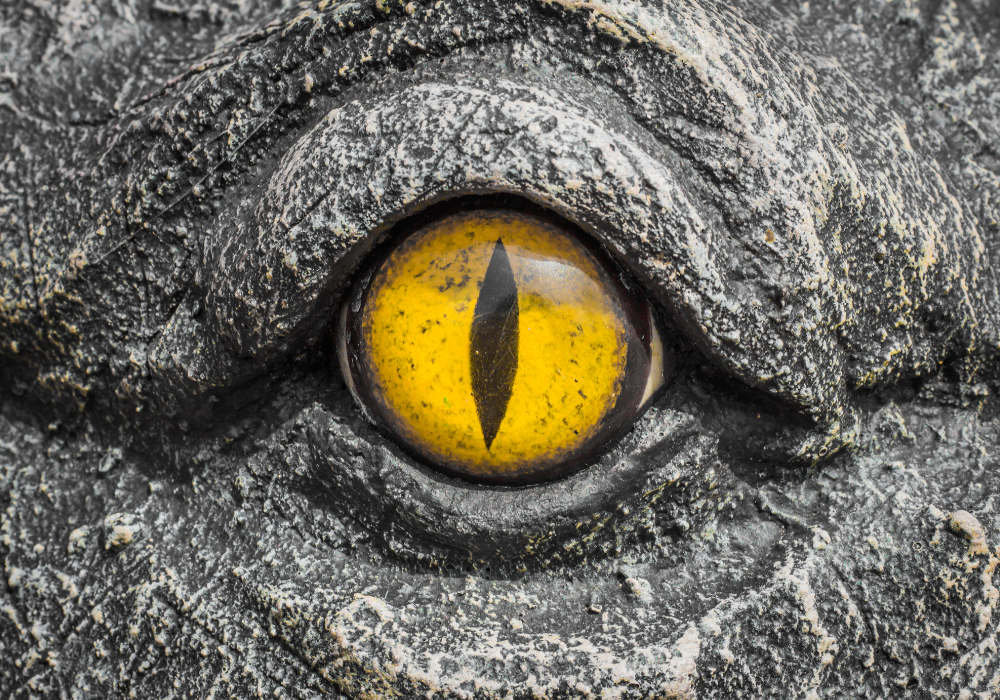
Paleontologists have uncovered a new species of crocodile relative in Patagonia that may have been capable of tearing apart dinosaurs. Named Kostensuchus atrox, this predator lived in South America during the late Cretaceous, roughly 66 million years ago. Described in New Scientist, the analysis of its fossil skull and jaws reveals robust, bone-crushing bite adaptations, suggesting it was a top aquatic predator. Its discovery in Patagonia shifts our understanding of how crocodilian ancestors diversified across Gondwana before the mass extinction at the end of the Cretaceous.

Read more

A Star May Have Blown Up and Hit Earth 10 Million Years Ago, Researchers Say

Scientists found rare isotopes that hint Earth was once struck by a stellar explosion.

©Image license via Wikimedia Commons

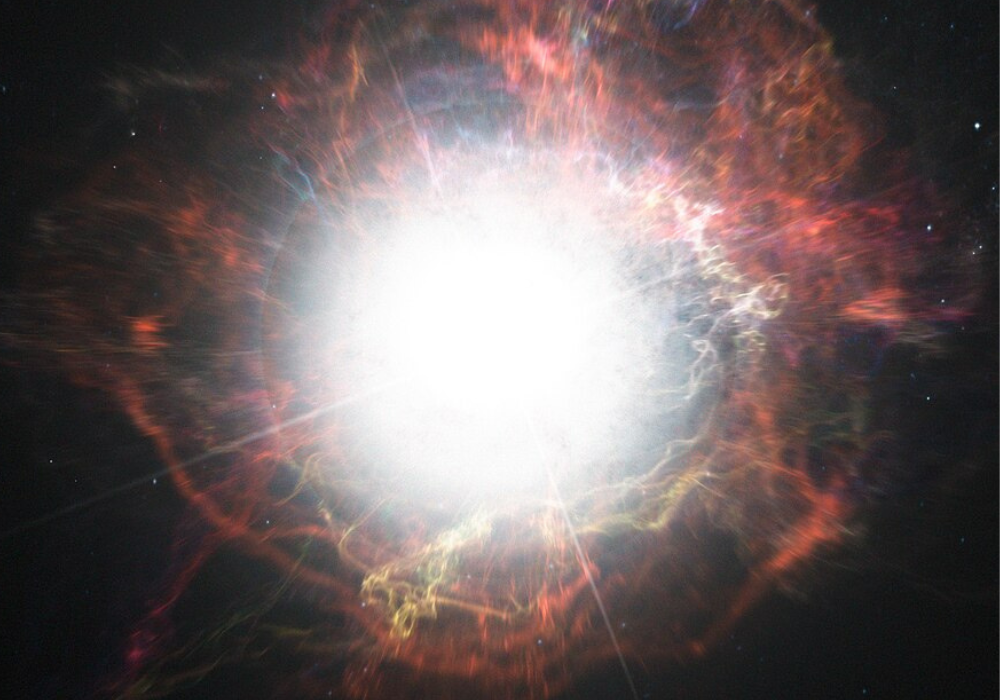
An extraordinary new study suggests that a dying star may have exploded near Earth roughly 10 million years ago—and that our planet still bears the traces of its blast. Published in Nature Astronomy, the research analyzed deep-sea sediments containing rare radioactive isotopes that likely came from a nearby supernova. Scientists say the discovery offers new evidence that Earth has been touched by cosmic forces powerful enough to alter its atmosphere—and perhaps even its evolutionary history.

Read more

Orcas Are Bringing Humans ‘Gifts’—Scientists Are Trying to Understand Why

Researchers say orcas are offering humans fish and shells in a mysterious new behavior.

©Image license via Canva

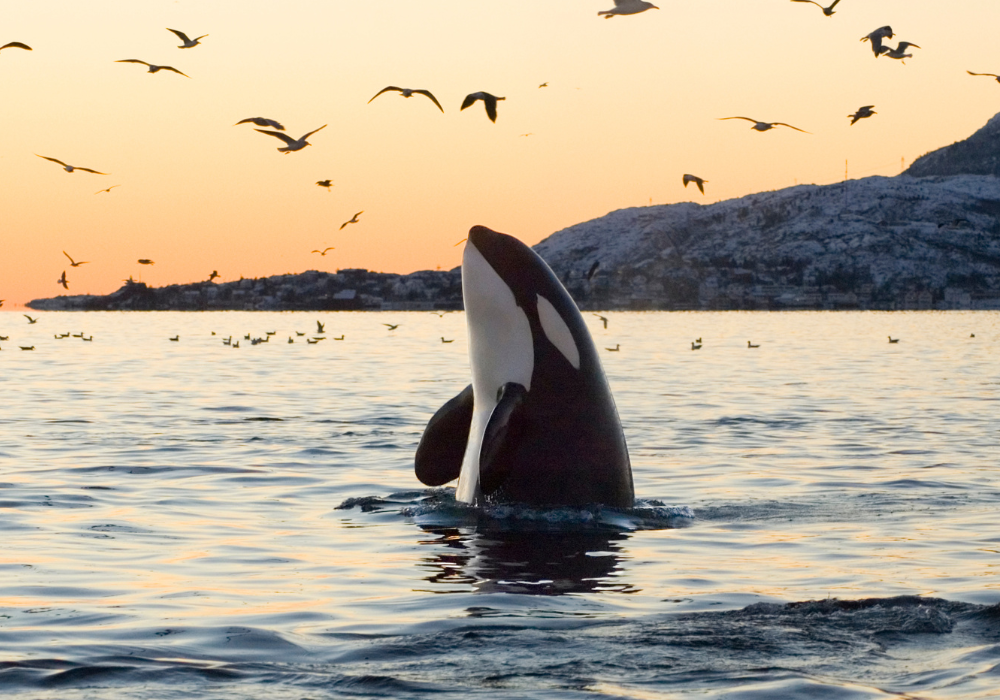
Orcas have long fascinated scientists with their intelligence and complex social lives, but a new behavior is leaving researchers baffled—and captivated. In several coastal regions, orcas have been observed bringing humans “gifts,” such as fish, seaweed, and even fragments of shell. Marine biologists are racing to understand whether this unusual exchange signals play, curiosity, or an attempt at communication. The phenomenon raises new questions about the emotional depth and social intelligence of one of the ocean’s most powerful predators.

Read more

Record Pacific Ocean Heat Is Disrupting Fall Weather Across the Globe

Scientists say unusually warm Pacific waters are driving extreme weather into late autumn.

©Image license via Canva

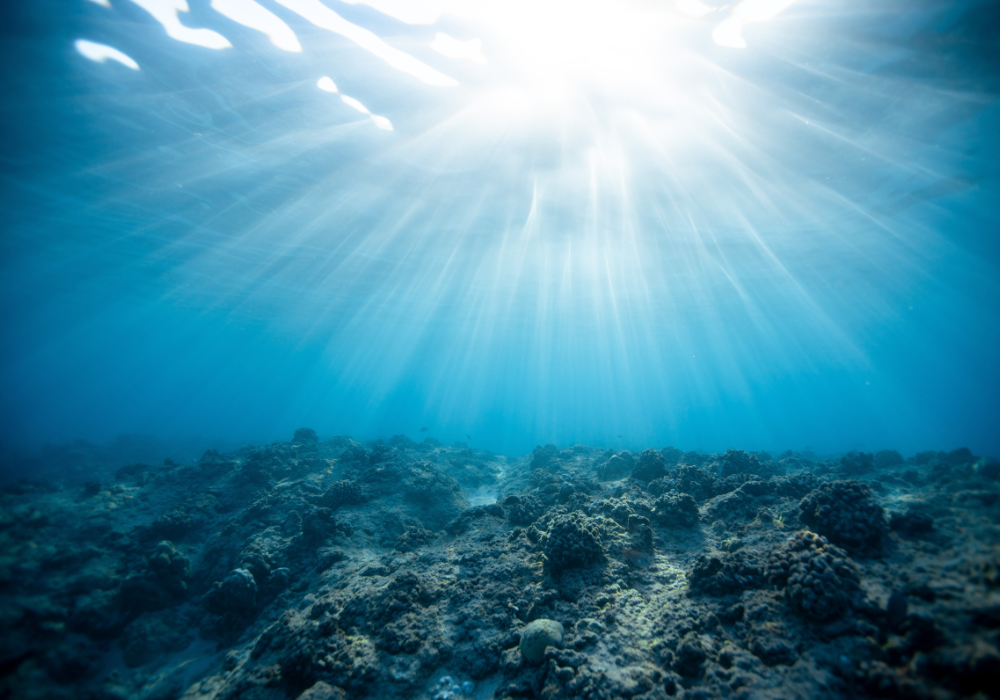
The Pacific Ocean—Earth’s largest heat reservoir—is running hotter than ever recorded, and the effects are showing up everywhere. Scientists say sea surface temperatures are now so high that the normal transition from summer to fall is being delayed across vast regions. From record heat in North America to unusual rainfall patterns in Asia, the Pacific’s warmth is reshaping global weather. Experts warn that if the trend continues, the world could experience prolonged heatwaves well into seasons that once brought relief.

Read more

Why America’s Farmland Is Drying Out—And What It Means for the Food Supply

Experts warn that worsening drought could cripple crops and drive up food prices nationwide.

©Image license via iStock

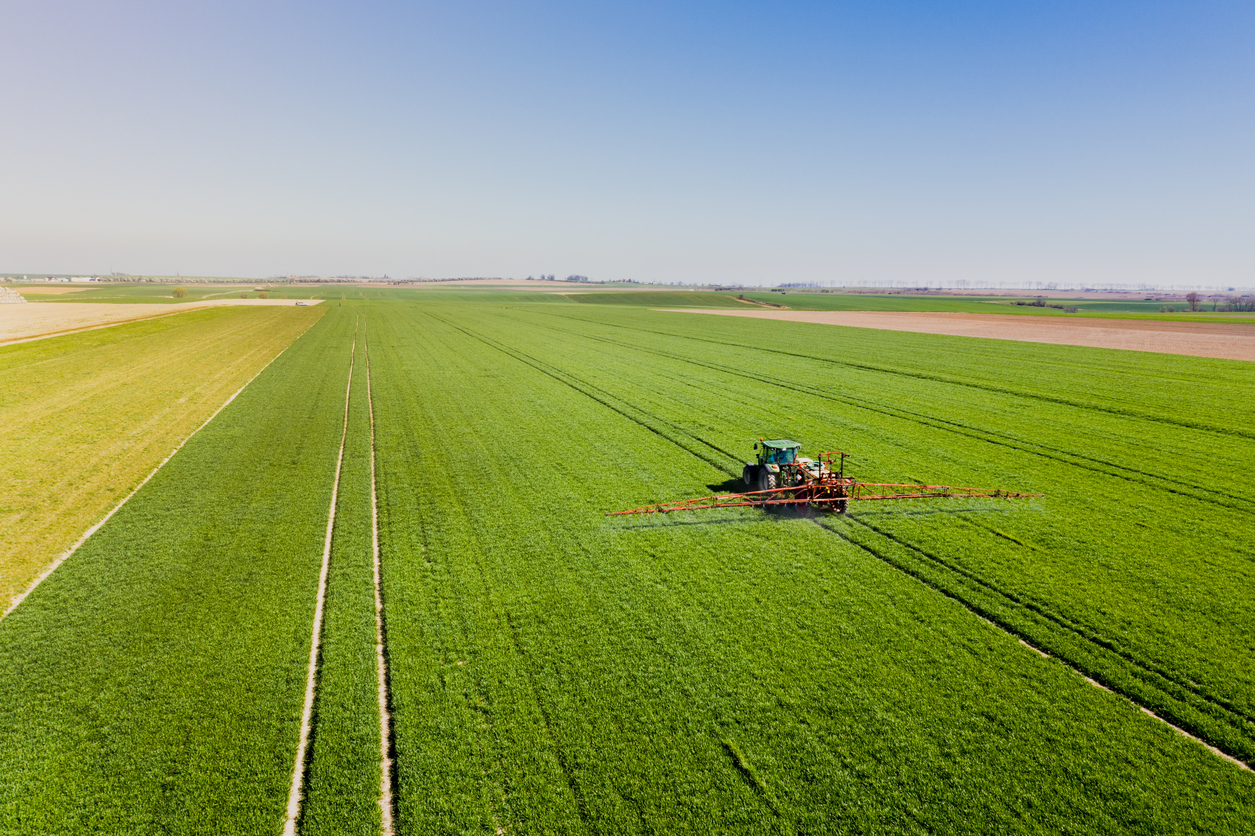
Aridification, the long-term drying of land caused by climate change, threatens U.S. agriculture in numerous ways. As water scarcity intensifies and soil conditions deteriorate, farmers face increased difficulty sustaining crop yields and livestock health. This gradual shift differs from temporary drought by affecting entire ecosystems and irrigation systems, demanding new strategies for water management and crop resilience to maintain food production over time.

Read more

10 Bizarre Brain Glitches That Will Make You Question Reality

From false memories to phantom sounds, these common glitches show that your brain isn’t always reliable.

©Image license via Canva

Everyone experiences odd moments when the brain seems to misfire—whether through misremembering details, missing obvious changes, or sensing things that aren’t there. These common brain glitches or cognitive quirks reveal the fascinating and sometimes imperfect ways our neural processing works. Understanding these everyday phenomena helps demystify memory lapses, perception errors, and attention slips without jumping to concerns about serious issues.

Read more

What It Really Means to Live Well, According to People Around the World

From Japan’s ikigai to Denmark’s hygge, cultures reveal their secrets to a good life.

©Image license via Canva

Every culture has its own vision of what it means to live well. Some focus on community and belonging, while others prize simplicity, balance, or spiritual purpose. Around the world, traditions and philosophies have emerged to help people find meaning beyond material success. These ideas highlight that happiness isn’t about constant striving—it’s about alignment, gratitude, and connection. Exploring how different societies nurture well-being offers valuable lessons for anyone seeking a richer, more balanced life filled with purpose and peace.

Read more

Why Experts Say Climate Change May Spark the Next Great Mental Health Pandemic

Extreme weather, uncertainty, and fear of the future are taking a growing toll on global mental health.

©Image license via Canva

As wildfires, floods, and heat waves intensify, experts say the planet isn’t the only thing under stress — people are, too. Psychologists warn that climate change is fueling an unseen mental health crisis, with rising anxiety, depression, and trauma linked to environmental disasters and constant fear of the future. For many, the emotional burden of living through an unstable climate is becoming overwhelming, sparking concerns that a global “climate anxiety” epidemic may already be underway.

Read more

The Trash Tsunami: Why Every Country Is Losing the Battle Against Waste

Experts warn the world’s waste is rising faster than we can recycle or contain it.

©Image license via Pixnio

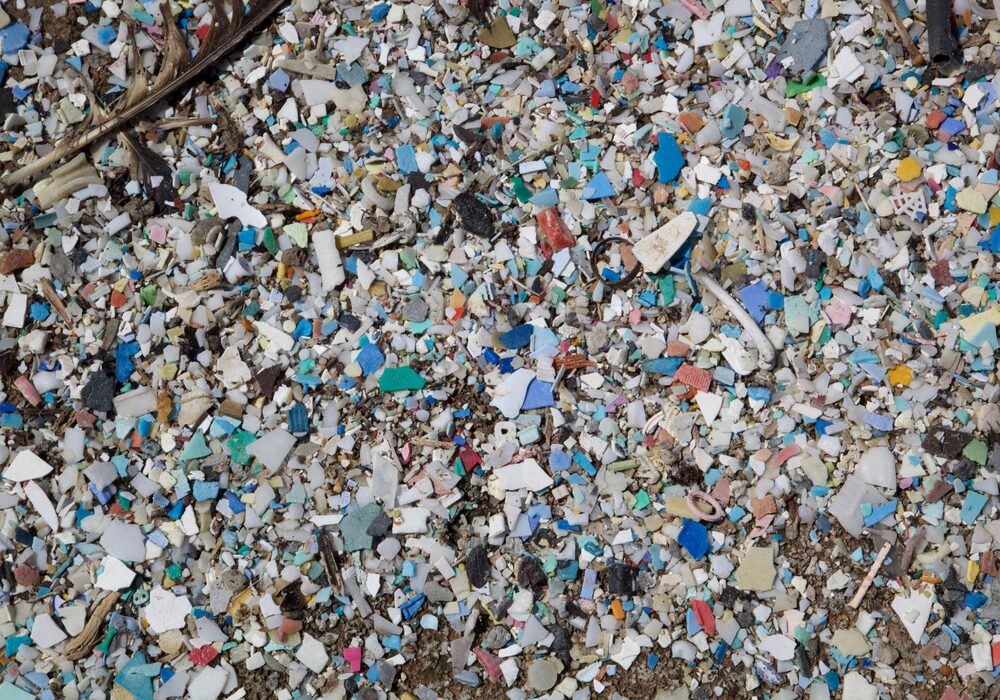
Every year, humanity produces billions of tons of garbage—and the pile is growing faster than the population itself. From overflowing landfills to plastic-choked oceans, the world’s waste crisis has become a defining environmental challenge of our time. Even the most advanced nations are struggling to manage their refuse, while developing countries face mounting health and pollution risks. Scientists now warn that without drastic changes, the planet could literally drown in its own trash within decades.

Read more