
Researchers say the creature’s jaws and size made it one of the era’s deadliest hunters.
Paleontologists have uncovered a new species of crocodile relative in Patagonia that may have been capable of tearing apart dinosaurs. Named Kostensuchus atrox, this predator lived in South America during the late Cretaceous, roughly 66 million years ago. Described in New Scientist, the analysis of its fossil skull and jaws reveals robust, bone-crushing bite adaptations, suggesting it was a top aquatic predator. Its discovery in Patagonia shifts our understanding of how crocodilian ancestors diversified across Gondwana before the mass extinction at the end of the Cretaceous.
1. Discovery in the Heart of Patagonia
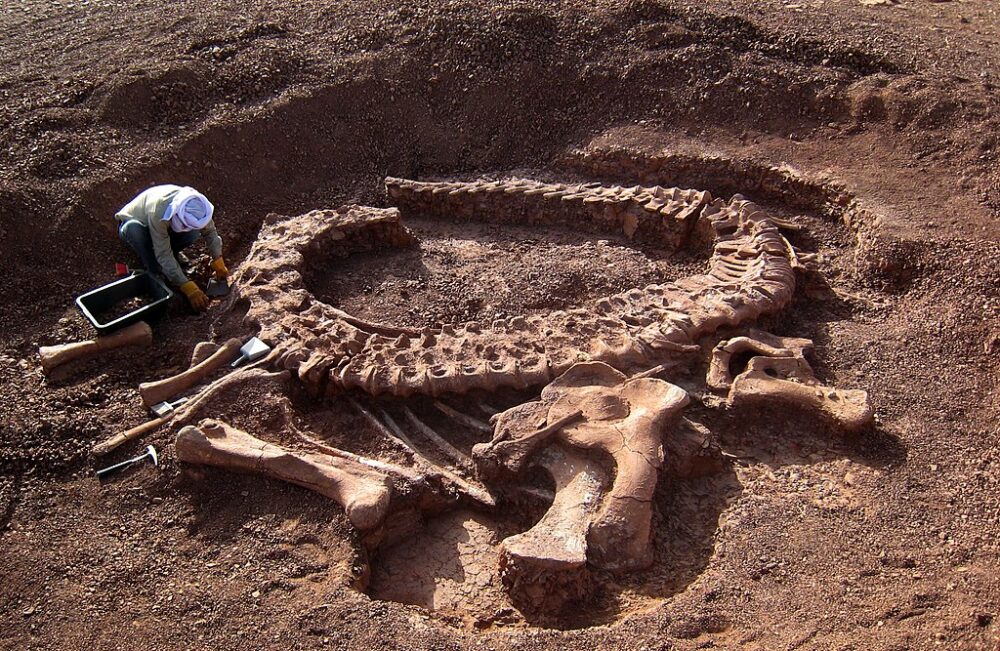
The fossils of Kostensuchus atrox were excavated from fossil beds in Patagonia, Argentina — a region rich with dinosaur remains and diverse Cretaceous ecosystems. The site includes riverine and deltaic deposits, ideal for preserving aquatic reptile fossils.
Paleontologists say this find helps fill a gap in South America’s crocodilian evolutionary record. Until now, most well-known fossil crocodile relatives came from North America, Africa, and Asia. Kostensuchus shows that formidable croc ancestors also thrived in southern continents.
2. Anatomy Built for Crushing Power
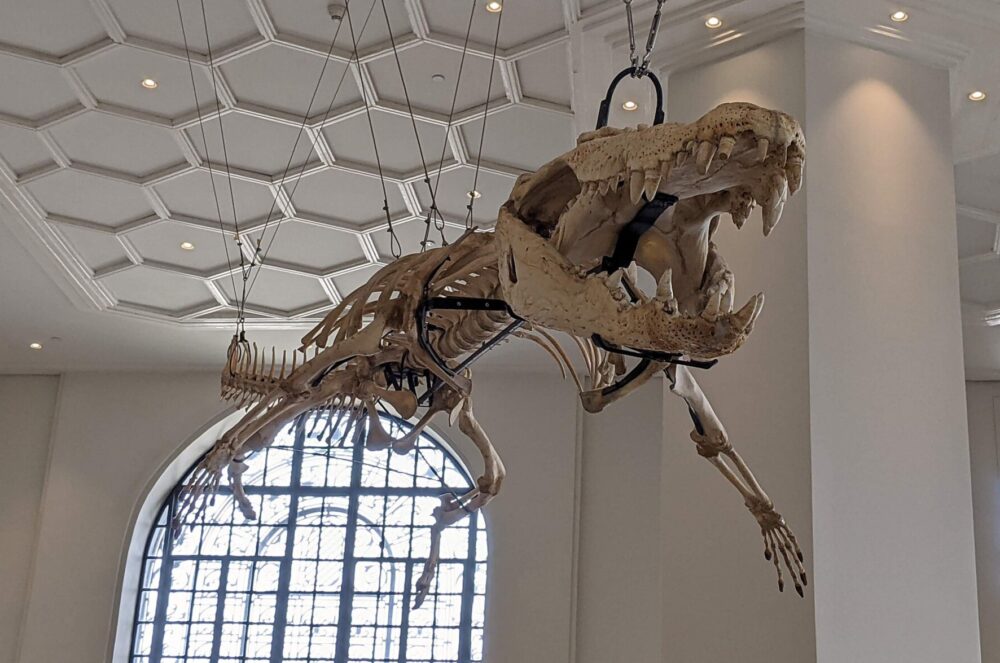
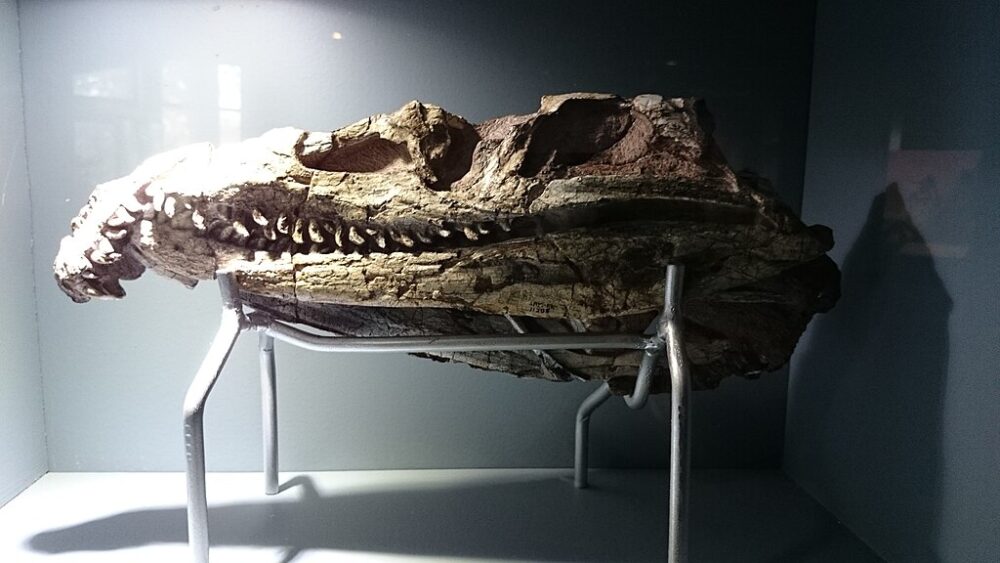
The skull and jaw structure of Kostensuchus are exceptionally robust. Its bones show dense reinforcement, and its teeth are thick and conical—ideal for gripping and crushing hides and bones.
These physical traits suggest it could handle prey much larger than fish. Its bite strength likely rivaled or exceeded many contemporaneous predators, giving it an advantage along waterways where dinosaurs might come to drink.
3. Likely a Predator of Dinosaurs and Other Reptiles
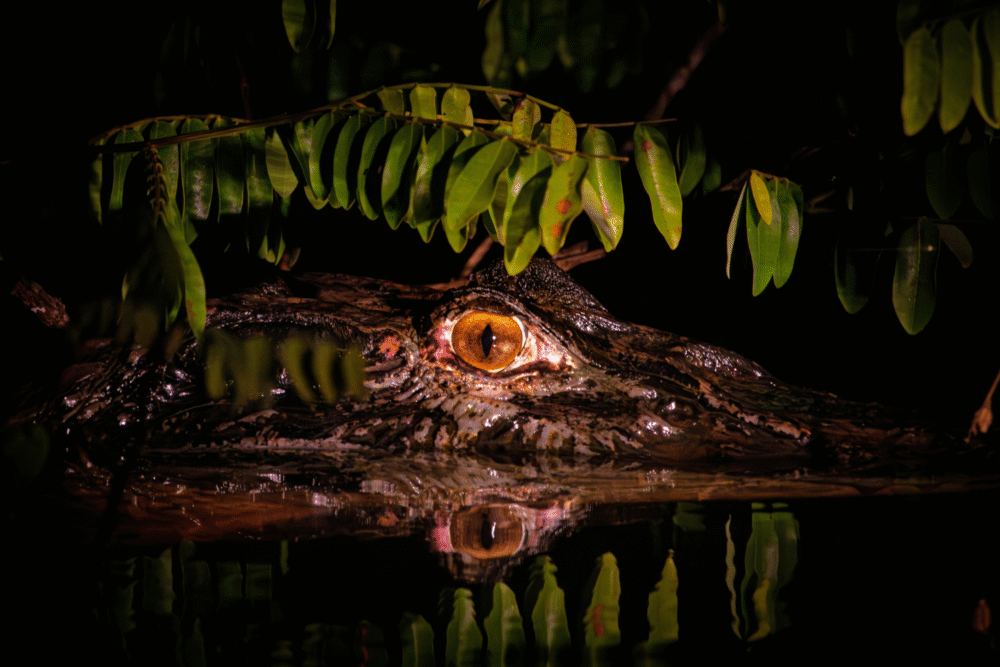
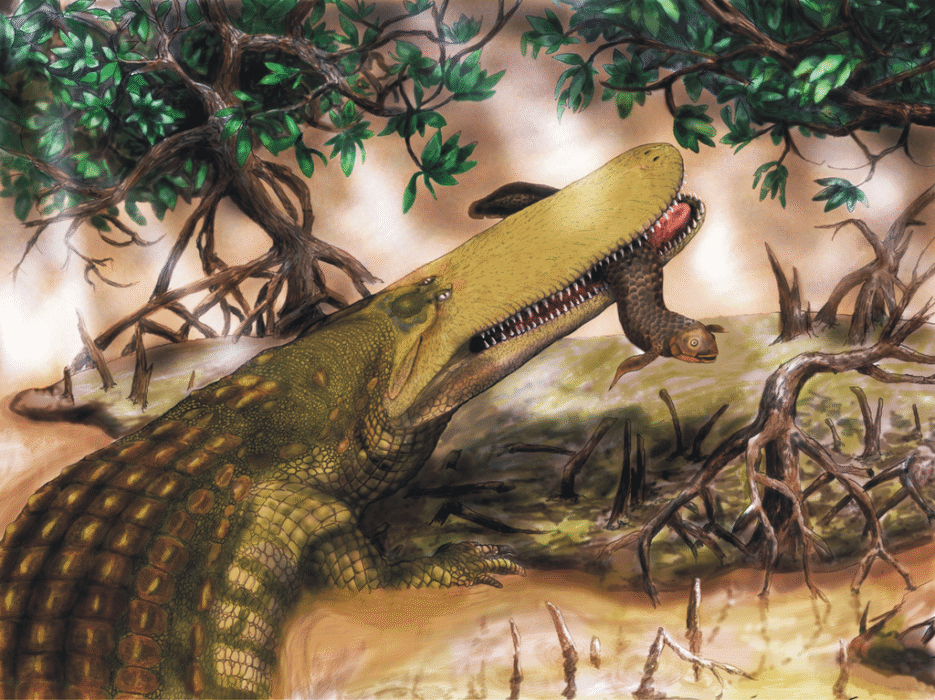
Given its size and force, Kostensuchus probably preyed on small to medium dinosaurs, crocodile relatives, turtles, and large fish. Its habitat — rivers, floodplains, and swamp edges — would bring it into contact with dinosaurs visiting water.
Its hunting strategy likely mirrored modern crocs: stealth, ambush, and powerful assault. Creatures being thirsty or crossing rivers would be vulnerable, giving Kostensuchus opportunities to strike with surprise and brute force.
4. It Probably Had Semi-Aquatic Lifestyle
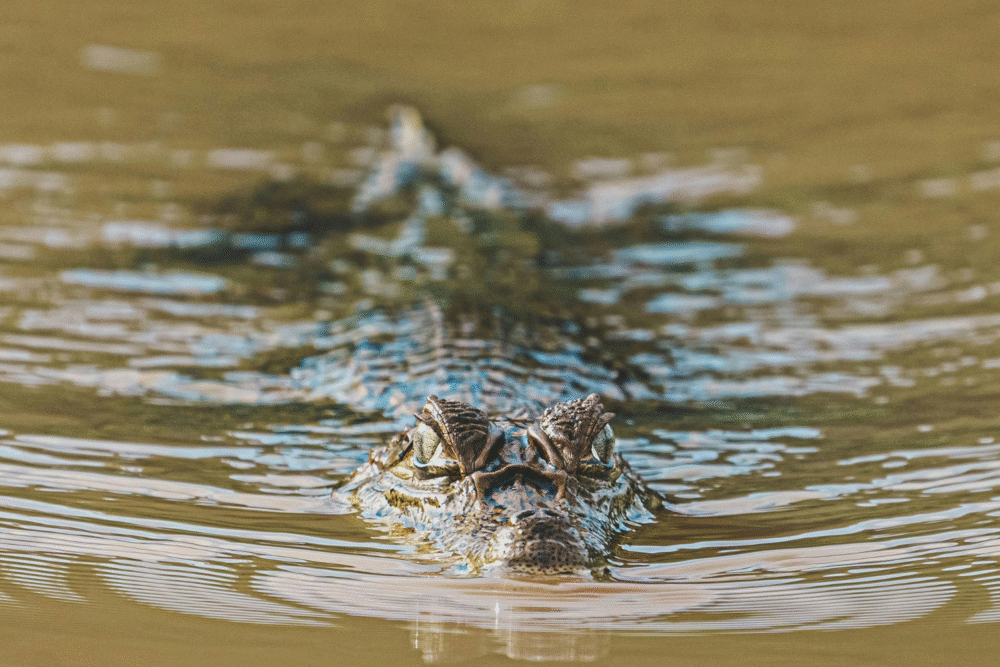
Based on limb and vertebral fossils, researchers infer Kostensuchus was adapted to both water and land. Strong legs suggest it could maneuver on shores, while a powerful tail likely gave it aquatic propulsion.
This dual ability would make it a versatile predator—capable of chasing prey into shallows or rivers. It likely ambushed from water, dragging animals deeper to drown them or use its crushing jaw to dispatch them.
5. It Expands Gondwanan Predator Ecology
Finding Kostensuchus in Patagonia implies that crocodilian lineages with top predator roles weren’t confined to northern continents. It reveals that southern ecosystems also hosted apex aquatic predators.
This challenges prior assumptions that dinosaur predators dominated all top niches. Along rivers, at least, crocodile relatives may have rivaled dinosaurs in predatory power—reshaping how we see Cretaceous predator hierarchies.
6. Its Discovery Moves Croc-Evolution Timelines
Prior models estimated that powerful croc ancestors appeared after the dinosaur extinction. But Kostensuchus shows that complex, bone-crushing morphologies existed before the end-Cretaceous event.
Its traits suggest that crocs began evolving specialized predatory adaptations while dinosaurs still ruled. This pushes back the timing of important evolutionary changes in croc lineage, indicating earlier diversification than believed.
7. Fossils Preserve Key Features Well
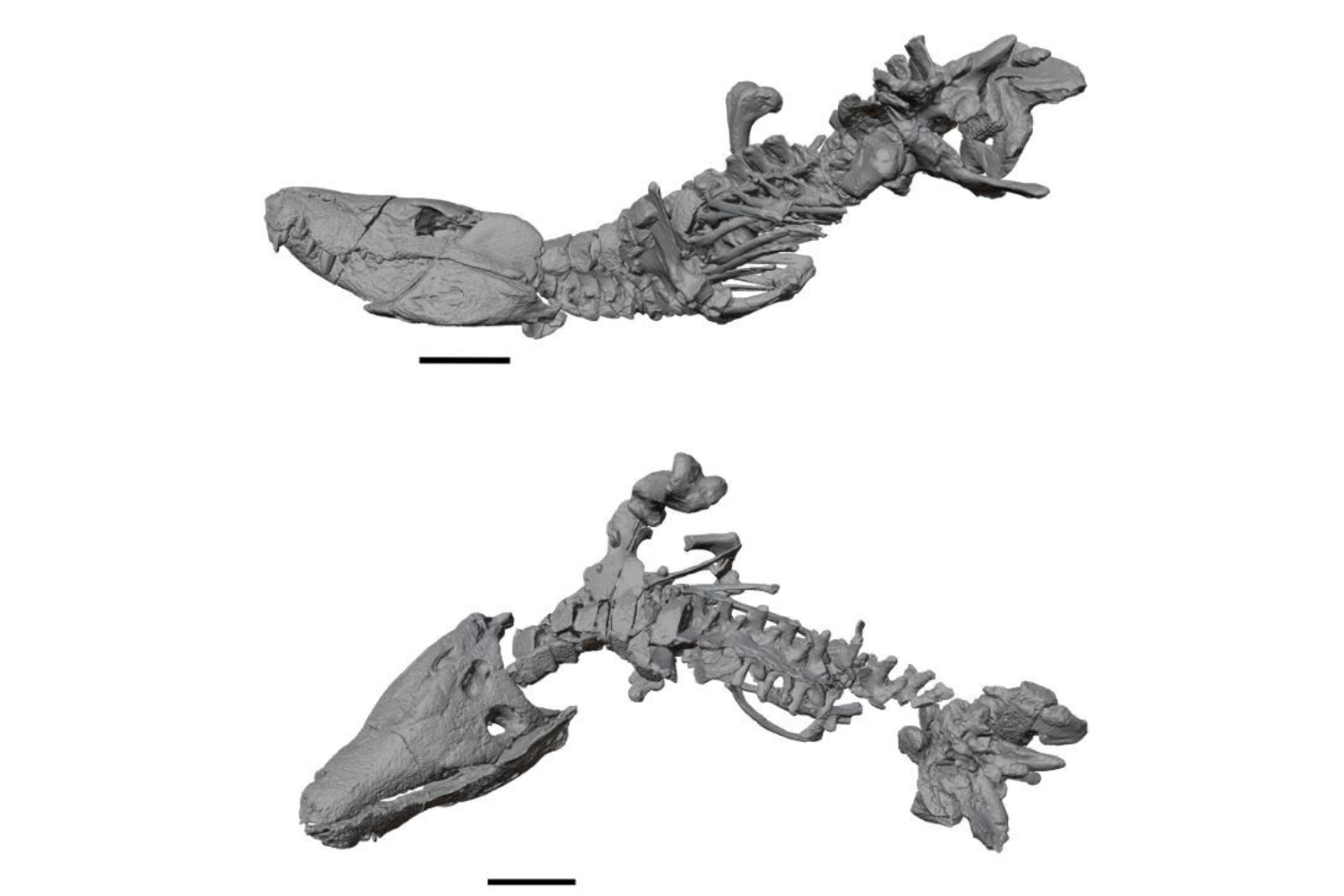
Paleontologists report that the preserved skull fragments display clear sutures, muscle attachment sites, and tooth sockets. These allow detailed reconstructions of musculature and bite mechanics.
With these anatomical insights, scientists can model exactly how Kostensuchus bit and how much force it generated. This level of detail is rare in prehistoric crocodile fossils, making this specimen especially valuable for biomechanics research.
8. It Highlights the Diversity of Ancient Croc Relatives
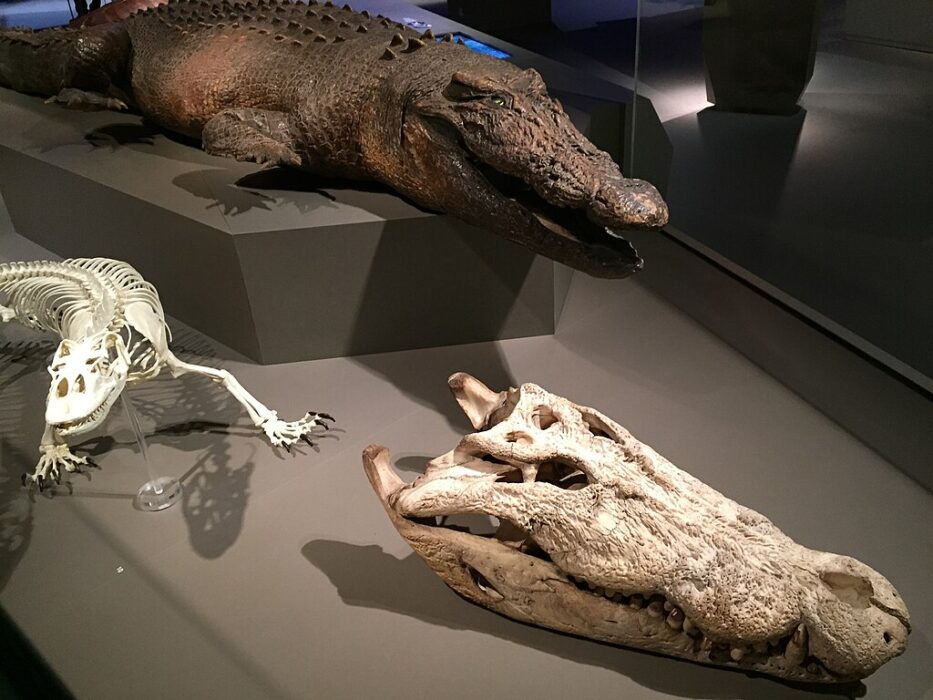
Kostensuchus adds to an emerging picture of crocodile-like reptiles being far more morphologically and ecologically varied in the Mesozoic than once thought. Some were terrestrial, some marine, and this one a powerful aquatic ambush predator.
This diversity suggests ancient croc relatives were experimenting with many ecological roles, not just passive predators. Their extinction after the Cretaceous may have narrowed their diversity, but fossils like Kostensuchus remind us of what has been lost.
9. It Forces Rethinking of Predator-Prey Interactions
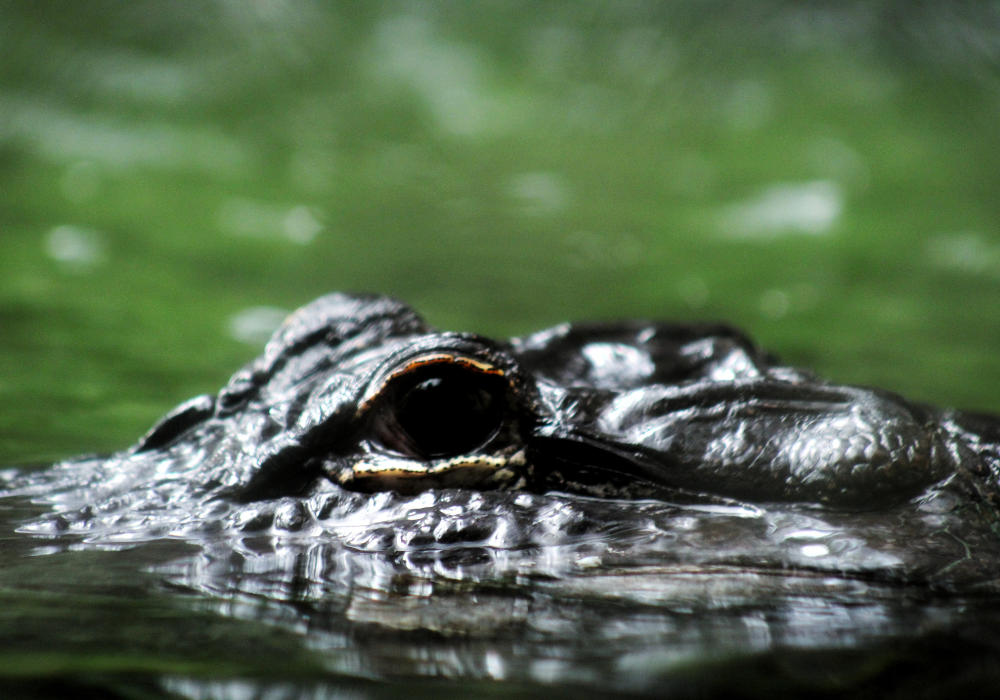
Because Kostensuchus coexisted with dinosaurs, scientists must reconsider how predation pressure shaped behavior and physiology in dinosaurs. Water-edge plants, drinking habits, and crossing behaviors may have been adapted to evade croc attacks.
Dinosaur species may have evolved particular defenses for river crossings—limb robustness, vigilance, or social behavior to mitigate threat. The presence of a powerful croc predator adds a new dimension to how dinosaurs adapted to life near water.
10. Implications for Mass Extinction Survivors
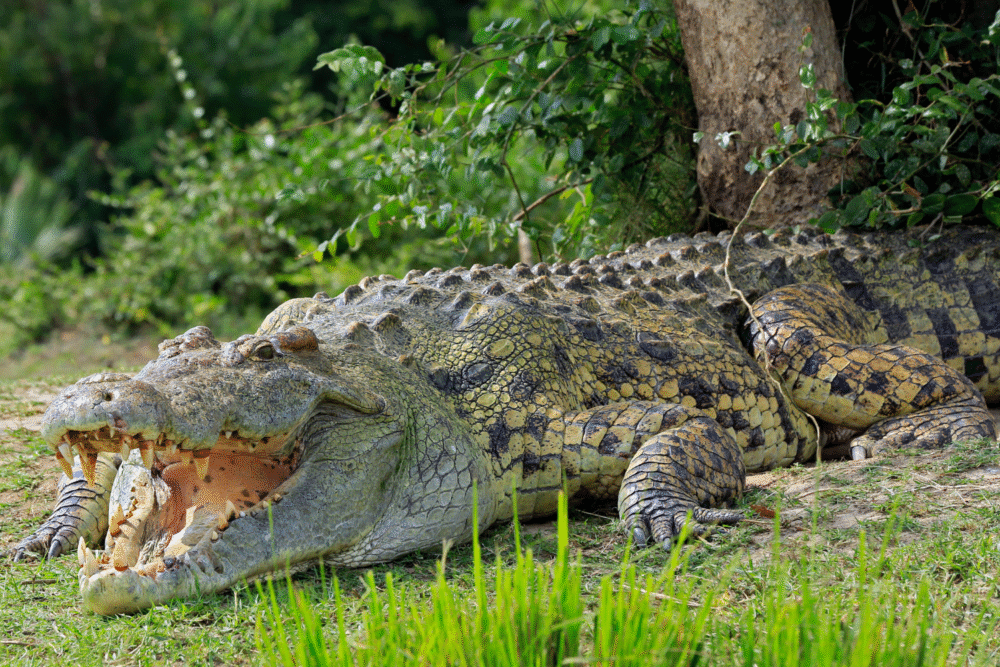
Crocodilians are among the few reptile lineages that survived the mass extinction 66 million years ago. Kostensuchus suggests they had already achieved advanced predatory design before the die-off.
This capability might have helped some groups survive where dinosaur lineages collapsed. Its lineage informs why crocs show resilience: they were evolving adaptability and biting power before catastrophic events struck.
11. More Discoveries Likely in Southern Continents
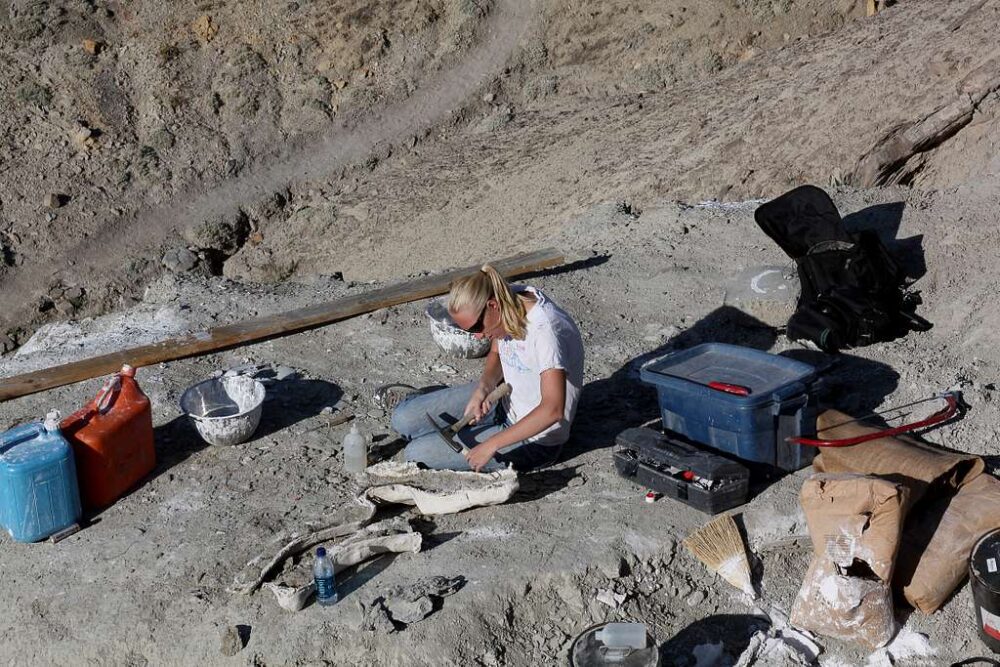
Paleontologists hope more fossils await in South America, Antarctica, and Africa that relate to such powerful croc ancestors. Kostensuchus might be the first among many similar predators yet uncovered.
Future digs in Cretaceous river systems may reveal even larger or more specialized relatives. Each new find will help complete the picture of how crocodilian diversity and predatory strategies evolved—and how they clashed with dinosaurs.