
Experts warn that common inhalers release potent greenhouse gases into the atmosphere.
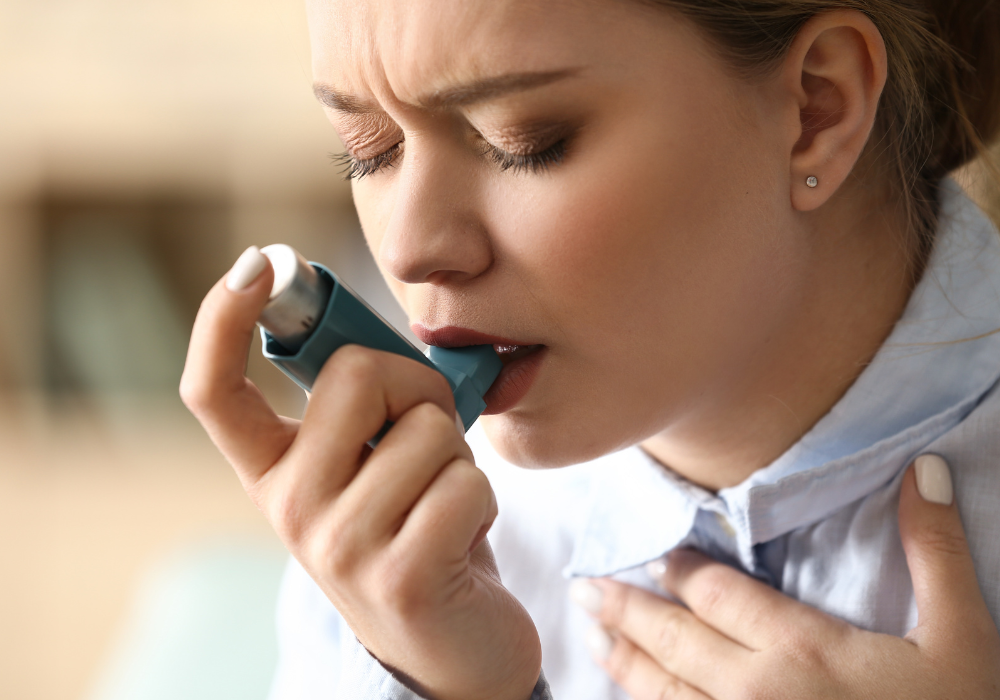
A new study led by researchers at UCLA and Harvard has found that common inhalers emit greenhouse gases with a climate impact equivalent to more than 500,000 cars’ annual emissions. The team analyzed inhaler use in the U.S. over a decade—tracking propellant emissions from metered-dose inhalers used to treat asthma and COPD—and discovered the carbon footprint is far larger than previously estimated. While inhalers remain vital for respiratory health, the findings underscore a hidden environmental cost and a growing call for greener alternatives.
1. Metered-Dose Inhalers Are the Main Culprit

Most of the emissions come from metered-dose inhalers (MDIs), which use hydrofluorocarbons (HFCs) as propellants. These gases, once common in refrigerants, are thousands of times more potent than carbon dioxide in trapping heat.
Each inhaler releases a relatively small amount, but with millions used annually, the collective impact adds up quickly. Researchers say transitioning to dry-powder or soft-mist inhalers could significantly cut this hidden source of pollution.
2. The Propellant, Not the Medicine, Drives the Emissions
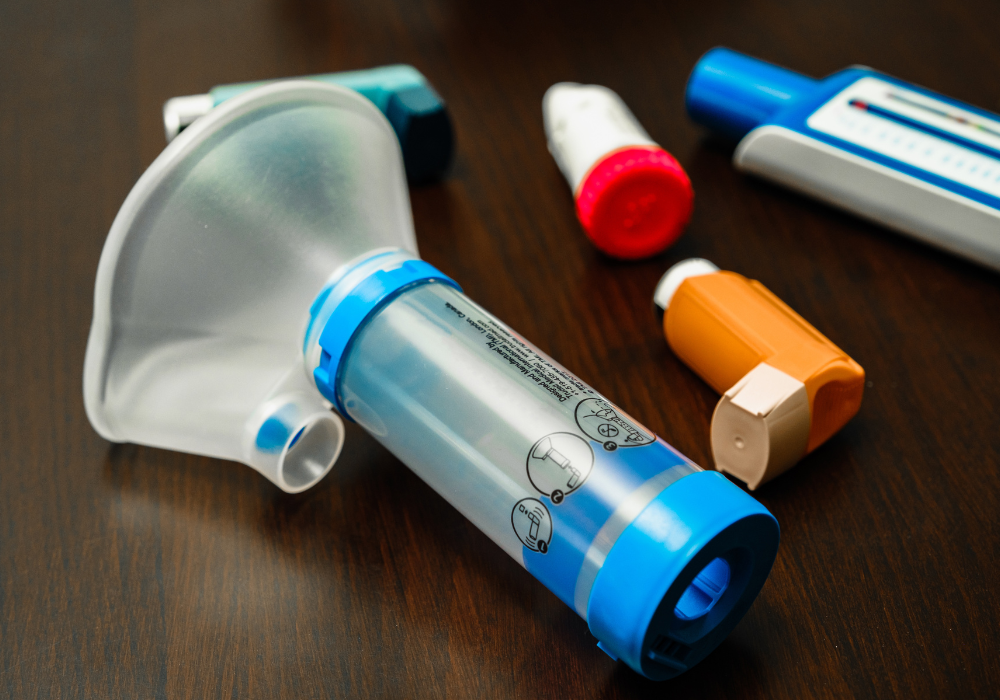
The medication itself isn’t to blame—it’s the gas that delivers it. The HFCs in MDIs push medicine into the lungs but escape into the atmosphere immediately after use.
Scientists stress that the medical benefits of inhalers remain vital, but awareness of their environmental cost is crucial. Developing new delivery systems or propellants could reduce emissions without sacrificing effectiveness.
3. Inhalers Are a Hidden Source in Healthcare’s Carbon Footprint

The healthcare sector accounts for an estimated 4–5% of global carbon emissions. Inhalers, though small in size, make up a notable portion of that total.
Researchers argue that reducing inhaler-related emissions is one of the most achievable steps in healthcare decarbonization. Unlike complex hospital infrastructure, inhalers can be switched to greener alternatives quickly through policy and prescription changes.
4. Switching to Greener Inhalers Could Make a Big Difference

Dry-powder and soft-mist inhalers don’t use HFC propellants, making them far less harmful to the climate. Studies show they can deliver the same medications effectively when prescribed correctly.
Experts estimate that if even half of current inhaler users switched to these low-impact options, healthcare-related emissions could fall by hundreds of thousands of metric tons annually—without reducing patient access or quality of care.
5. Some Countries Are Already Phasing Out High-Emission Models
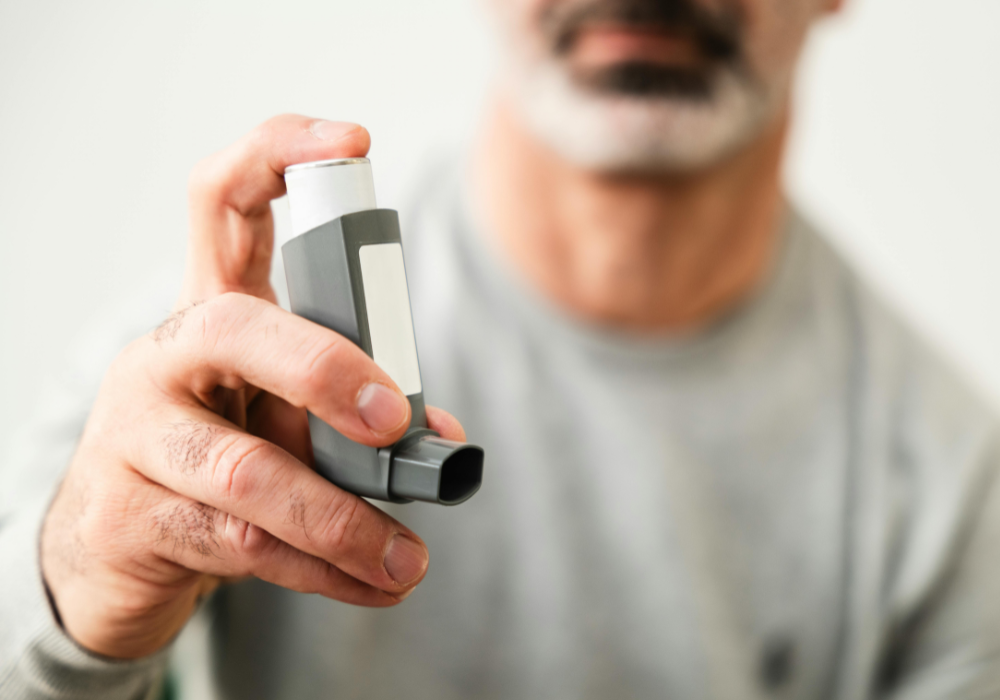
The United Kingdom and parts of Europe have begun encouraging doctors to prescribe low-carbon inhalers whenever possible. The U.K.’s National Health Service has even set targets to reduce HFC-based inhaler use by 50% before 2030.
These efforts are part of a broader push to make healthcare more sustainable. Similar initiatives could be adopted globally as awareness grows about the climate impact of medical devices.
6. Cost and Access Remain Barriers to Change

Despite their environmental benefits, low-emission inhalers can be more expensive or less familiar to patients. Some insurance plans still prioritize traditional models, creating financial barriers to switching.
Advocates argue that expanding subsidies and updating formularies could make greener inhalers accessible to everyone. Environmental responsibility, they say, should never come at the cost of patient health.
7. Doctors Are Being Urged to Discuss Inhaler Impact

Medical associations are beginning to encourage physicians to talk with patients about environmental alternatives when prescribing inhalers. These discussions focus on suitability, cost, and patient comfort.
By raising awareness in clinical settings, healthcare providers can play a direct role in reducing emissions. It’s a small but powerful step toward more climate-conscious medicine.
8. Patients Can Help Without Compromising Care

Patients who rely on inhalers can ask their doctors whether a dry-powder or soft-mist option is right for them. Experts stress that no one should stop using their prescribed inhaler without medical advice.
Simple actions like proper disposal, recycling plastic parts, and preventing waste by using inhalers correctly can also help reduce emissions on a personal level.
9. Pharmaceutical Companies Are Developing Cleaner Propellants

Major pharmaceutical companies are now investing in new propellant technologies that have a lower global warming potential. These next-generation inhalers aim to maintain the same ease of use while cutting emissions by up to 90%.
Several are already in late-stage trials, with potential rollout expected within a few years. Experts believe innovation from the industry will be key to balancing medical necessity with environmental responsibility.
10. The Study Highlights a Broader Climate Message

The findings underscore a growing realization: even essential healthcare practices can carry environmental costs. Researchers say the inhaler study is a reminder that small, everyday products can have surprisingly large collective impacts.
The challenge is finding solutions that protect both people and the planet. As climate change intensifies, the medical community is being called to lead by example—by reducing emissions without compromising care.