The World Just Reached Its First Climate Tipping Point—Coral Reefs Paid the Price

A new global report warns coral reefs have entered a collapse phase as ocean temperatures keep rising.

Coral reef, bleached white corals, scattered color patches, clear daylight underwater, documentary style, no people.
©Image license via iStock

A new Global Tipping Points Report 2025, led by the University of Exeter and involving more than 160 scientists across 87 institutions, has concluded that warm-water coral reefs have become the first major ecosystem on Earth to cross a climate tipping point. The report finds that at roughly 1.4°C of global warming—above the estimated 1.2°C threshold for reef survival—mass bleaching and coral mortality have become unavoidable. Researchers say this marks a profound shift in the planet’s ecological balance, with ripple effects expected to impact marine biodiversity, fisheries, and global coastal communities.

Read more

The 2,000-Year-Old Philosophy Helping People Stay Calm in a Chaotic World

An ancient philosophy once practiced by emperors is helping people navigate today’s mental health challenges.

©Image license via Wikimedia Commons

In an age defined by constant news alerts, uncertainty, and emotional overload, a 2,000-year-old philosophy is making a surprising comeback. Stoicism—once practiced by Roman thinkers like Marcus Aurelius, Seneca, and Epictetus—is being rediscovered by psychologists, business leaders, and everyday people seeking calm amid chaos. Centered on rational thinking, emotional control, and focusing only on what we can influence, Stoicism offers timeless guidance for a modern world that often feels out of control. Its ancient lessons are proving more relevant than ever today.

Read more

What Earth’s Layered Rocks Really Tell Us About Our Planet’s Turbulent Past

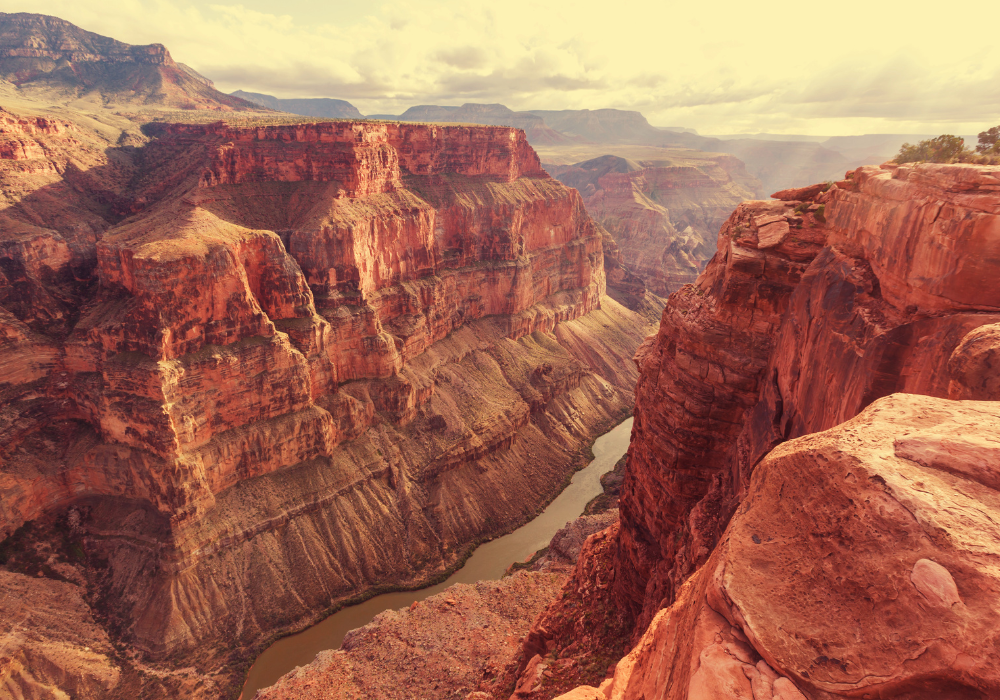
The stripes in canyon walls reveal Earth’s violent climate shifts and evolving life.

©Image license via Canva

At first glance, the striped cliffs and layered stones that shape Earth’s landscapes seem quiet and unremarkable. But to geologists, they’re vivid records of chaos—snapshots of a planet in constant upheaval. Each layer captures ancient oceans, volcanic eruptions, asteroid impacts, and the rise and fall of entire species. These “boring” rocks are, in truth, Earth’s autobiography—written over billions of years in sand, mud, and ash. Reading them reveals just how restless and remarkable our planet has always been.

Read more

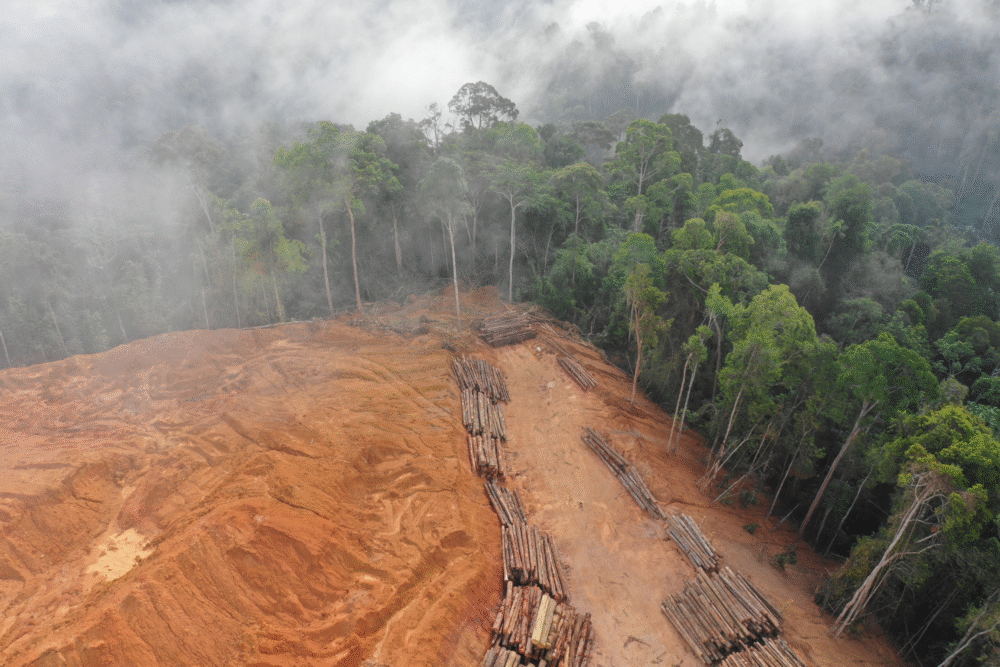
Amazon Deforestation Is Fueling Chaos: Stronger Storms, Hotter Heat, and Fiercer Winds

New research shows deforestation is amplifying extreme weather far beyond the Amazon.

©Image license via Canva

The destruction of the Amazon rainforest isn’t just erasing trees—it’s rewriting weather patterns across an entire continent. A new study published in Nature Communications Earth & Environment reveals that large-scale deforestation is driving more intense rainfall, hotter temperatures, and stronger winds in South America and beyond. By disrupting the Amazon’s natural water cycle, humans are destabilizing one of Earth’s key climate regulators. Scientists say the consequences of this imbalance could intensify storms, droughts, and heatwaves around the world.

Read more

The Brain’s Hidden Network May Hold the Secret to Consciousness

New research maps brain connections that appear to spark self-awareness and thought.

©Image license via Canva

Neuroscientists may be closer than ever to understanding one of humanity’s greatest mysteries: consciousness itself. A new study published in Nature Neuroscience used advanced brain imaging to identify a network of regions that appear to work together whenever a person becomes aware of something—whether it’s a sound, an image, or a thought. The findings suggest that consciousness isn’t confined to a single brain area but instead emerges from communication between deep structures and higher cortical regions.

Read more

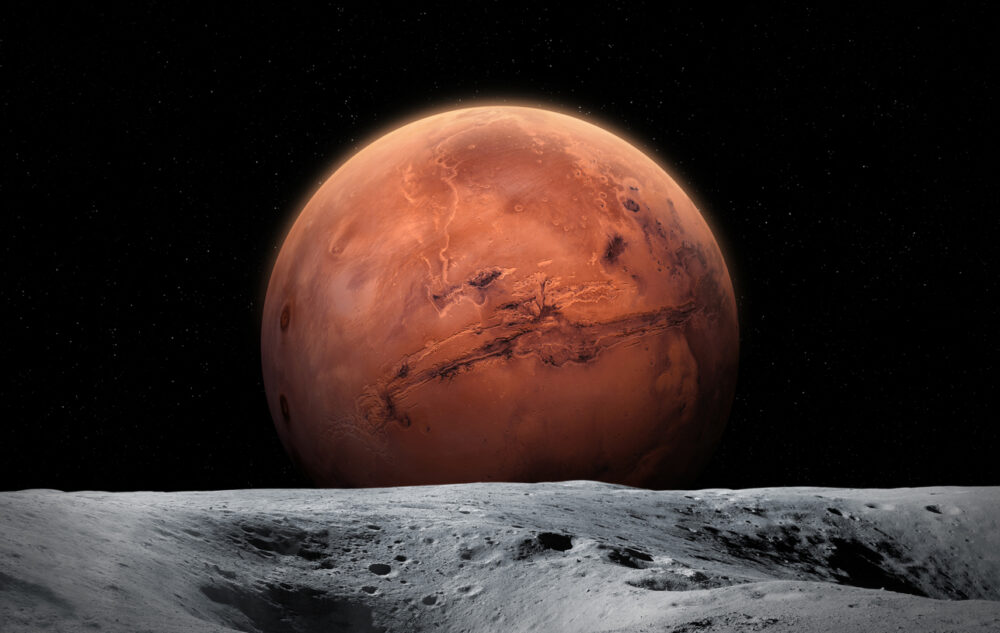
Why Mars Died: Scientists Uncover the Forces That Made It a Frozen Desert

New research reveals how Mars lost its magnetic field, atmosphere, and water.

Gray rocky moon foreground, Mars looming above, centered wide shot, deep space night, editorial travel photo, no people.
©Image license via NASA

Billions of years ago, Mars looked far more like Earth—warm, wet, and possibly capable of supporting life. But something went catastrophically wrong. New research combining data from NASA’s MAVEN mission and geological studies has helped scientists piece together how Mars lost its water, atmosphere, and habitability. The culprit appears to be the planet’s cooling core and the collapse of its magnetic field. Once that protective shield vanished, the solar wind stripped Mars bare, transforming it into the frozen desert we see today.

Read more

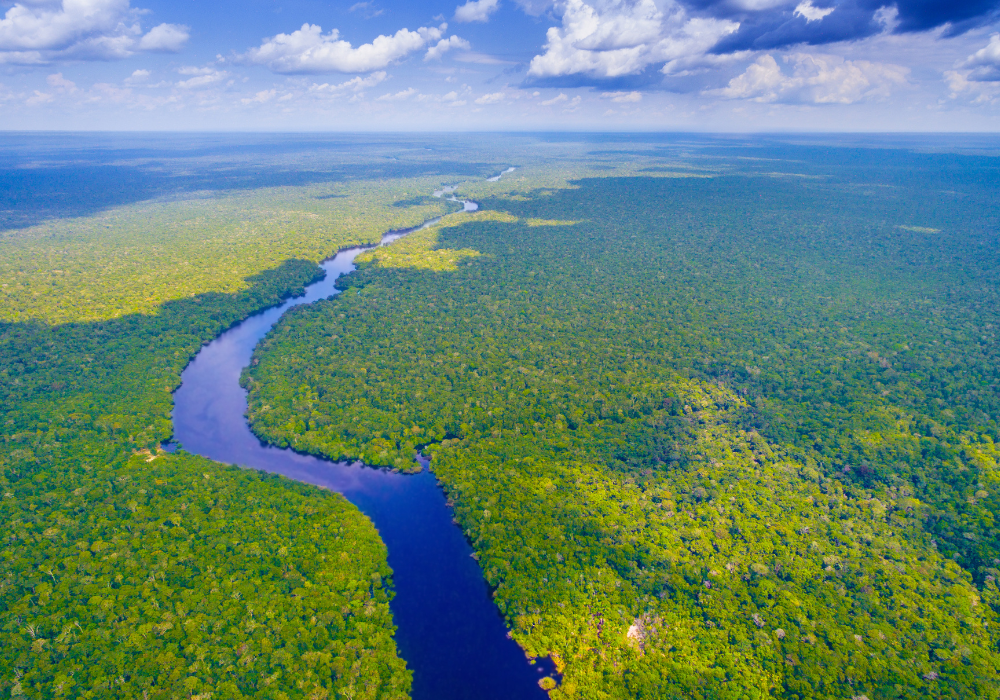
Climate Change Is Making Amazon Trees Grow Bigger—But There’s a Catch

Experts warn faster growth could shorten tree lifespans and disrupt carbon storage.

©Image license via Canva

Scientists studying the Amazon rainforest have discovered that rising carbon dioxide levels and warmer temperatures are making trees grow faster and larger than before. Published in Nature, the research analyzed decades of growth data and satellite imagery across the Amazon Basin. While the accelerated growth might sound like good news for carbon absorption, experts warn that it comes with serious risks. Faster-growing trees tend to die younger, potentially undermining the rainforest’s ability to store carbon and stabilize the global climate.

Read more

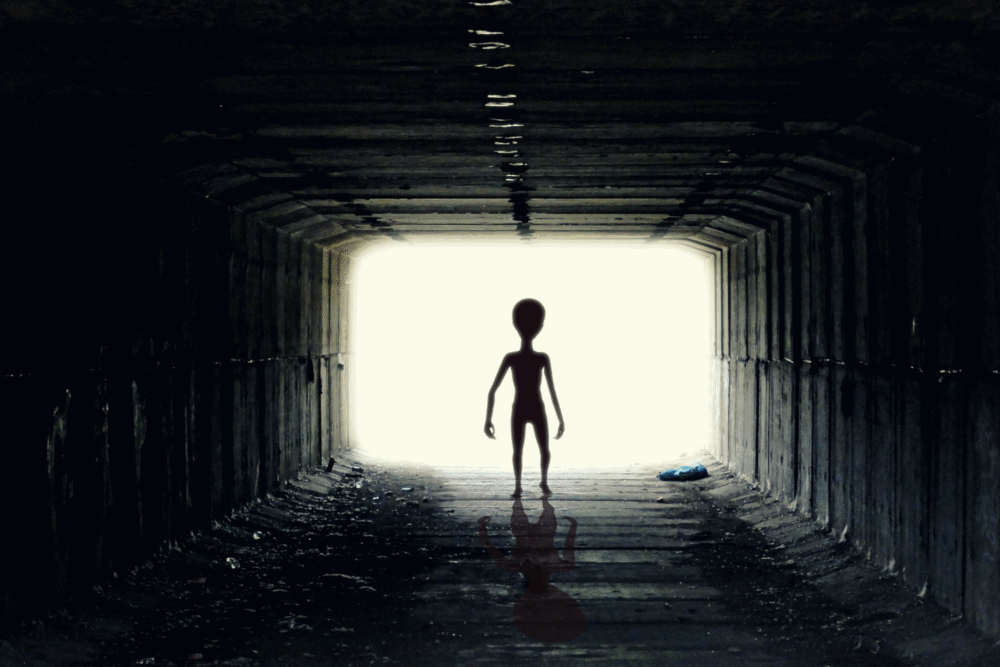
The Odds of Alien Life May Be Higher Than You Think, According to New Research

New data from NASA’s exoplanet missions suggest life may be surprisingly common.

©Image license via Canva

For decades, scientists debated whether Earth might be the only world to host life. But recent discoveries suggest the universe could be far more alive than we imagined. Thanks to NASA’s Kepler and TESS missions, astronomers have confirmed thousands of exoplanets—planets orbiting other stars—and identified many that could sustain liquid water. Combined with what we’ve learned about Earth’s most extreme life forms, these findings suggest the odds of life elsewhere may be higher than ever before.

Read more

NASA’s Asteroid Deflection Test Worked — But the Results Baffled Scientists

Scientists say the asteroid behaved in unexpected ways after NASA’s direct-hit experiment.

©Image license via NASA

When NASA’s DART spacecraft slammed into the asteroid Dimorphos in 2022, the mission was declared a groundbreaking success—it proved that humanity could alter the path of a celestial body. But new data have revealed a surprising twist: the impact caused a series of puzzling effects scientists didn’t anticipate. Published in Nature Astronomy, the findings suggest the asteroid’s response was far more chaotic than models predicted, raising new questions about what would happen if Earth ever needed to deflect a real threat.

Read more

If You Feel Like You Don’t Belong, Science Has Some Surprising Advice

Psychologists say belonging isn’t about fitting in—it’s about changing how you see yourself.

©Image license via Canva

Almost everyone, at some point, feels like they don’t quite belong—at work, in social circles, or even within their own families. But psychologists say this feeling isn’t a sign that you’re broken—it’s a reflection of how the human brain evolved to detect social threat. New research in psychology and neuroscience shows that belonging isn’t about perfect compatibility with others—it’s about connection, self-acceptance, and perception. Here’s what science says you can do when that lonely “outsider” feeling strikes.

Read more