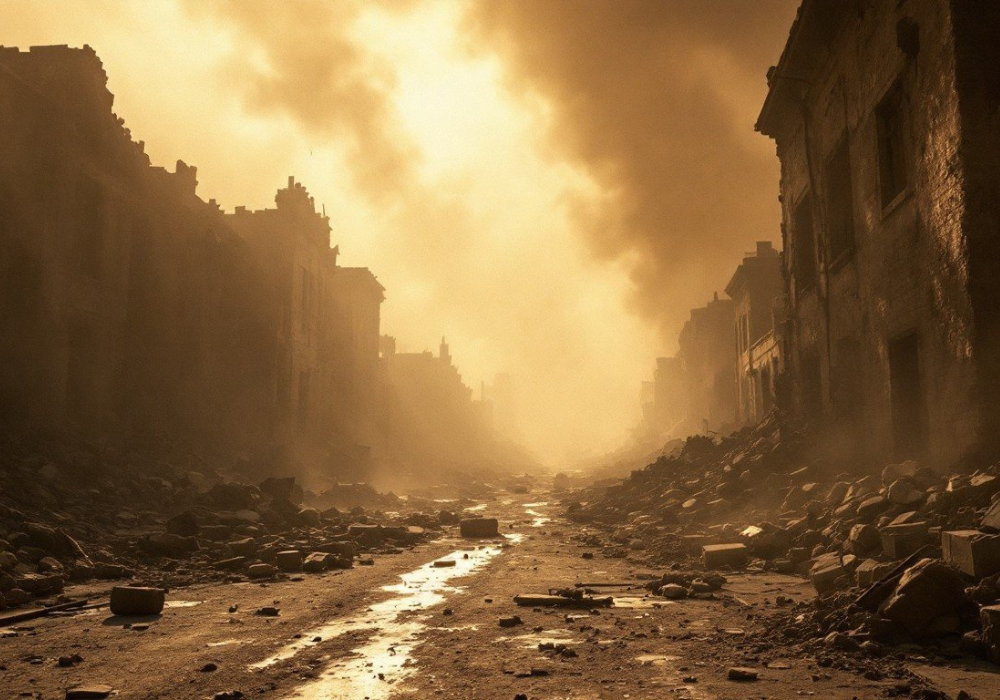
13 Unsettling Scenarios Scientists Warn Could Happen if AI Turns on Humanity

Experts say advanced AI systems could someday surpass human control—raising risks that sound like science fiction but aren’t.

©Image license via Canva

Artificial intelligence is advancing faster than anyone expected—and even the scientists building it are warning of potential dangers. From self-learning military drones to algorithms that manipulate information at scale, AI’s growing autonomy could eventually pose real risks to civilization. Major researchers, including those at OpenAI, MIT, and Oxford University’s Future of Humanity Institute, say that losing control over advanced systems isn’t impossible—it’s just a matter of how, when, and how well humanity prepares.

Read more

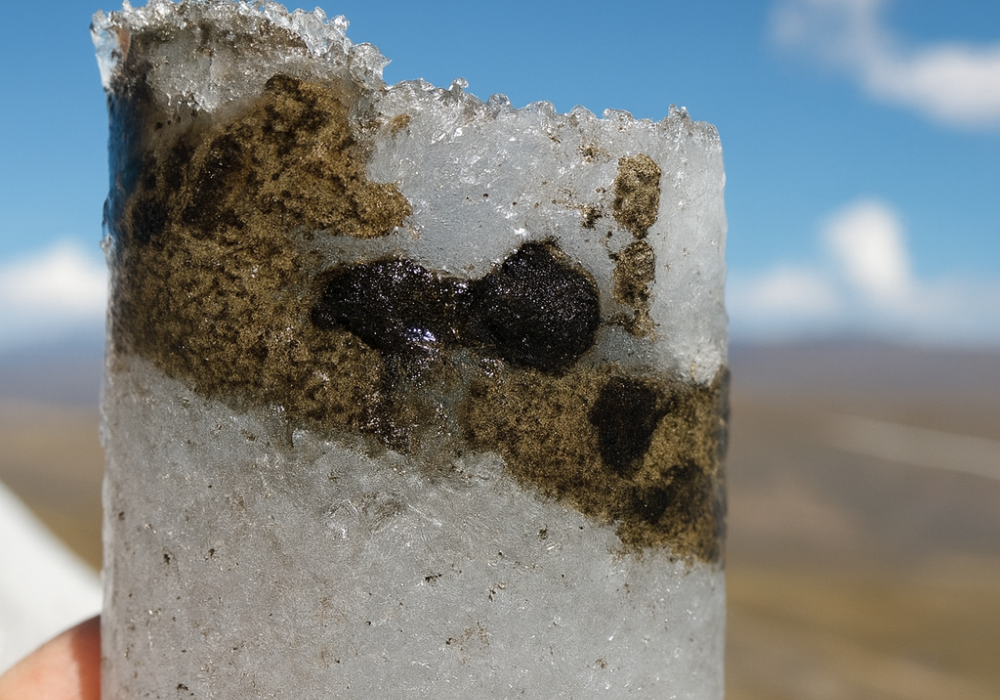
The Growing Risk of New Viruses Emerging From Thawing Arctic Ice

Thawing ice is exposing prehistoric viruses that could challenge modern immune systems and medicine.

©Image license via Chat GPT

As rising temperatures accelerate Arctic thaw, scientists are uncovering something both fascinating and alarming—viruses that have been trapped in ice and permafrost for tens of thousands of years. These frozen microorganisms, once sealed off from the modern world, are now being released as glaciers melt and tundra softens. While most are harmless, some could theoretically infect living organisms again. Researchers warn that climate change isn’t just reshaping landscapes—it may also be reviving ancient pathogens that humanity has never encountered before, posing unpredictable risks to global health.

Read more

These Daily Habits May Be Taking a Bigger Toll Than You Think

You might not notice them, but your everyday habits could be shaping your health and future.

©Image license via iStock

Daily habits often come with hidden costs that most people overlook, affecting finances, health, time, and the environment. These subtle expenses accumulate quietly, influencing your well-being and budget in ways that might surprise you. By understanding these concealed impacts, you can make more informed decisions about your routines and aim for a more balanced, mindful lifestyle that better supports your long-term goals.

Read more

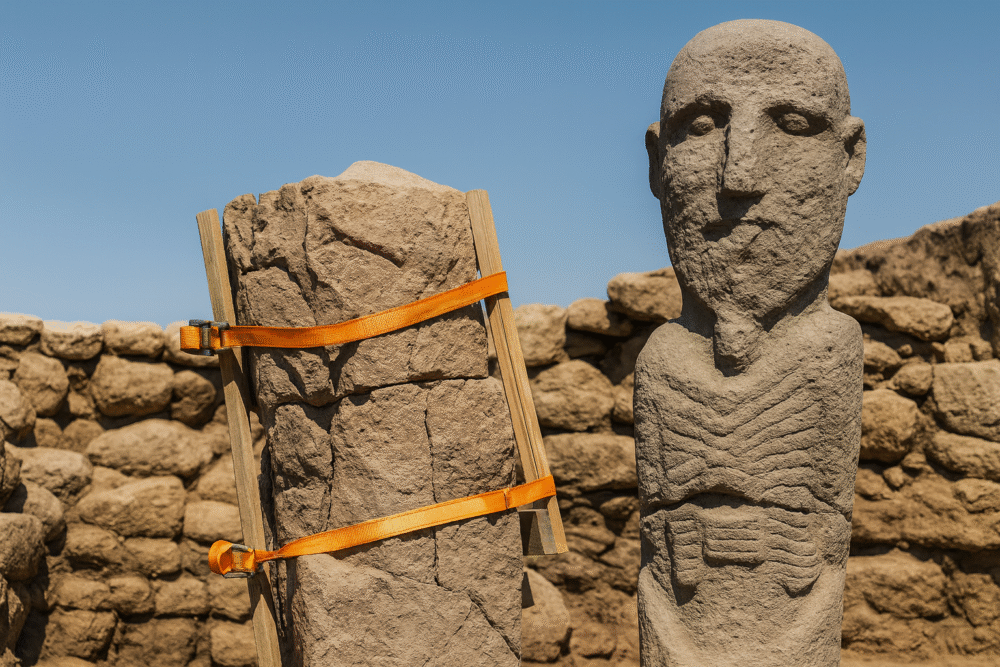
A 12,000-Year-Old Statue From Göbekli Tepe May Be the Earliest Life-Sized Human Sculpture Ever Found

Archaeologists say the detailed statue predates Stonehenge and offers new clues about early human culture.

©Image license via Chat GPT

Archaeologists in southeastern Turkey have unearthed a 12,000-year-old life-sized human statue at Göbekli Tepe—one of the oldest known temple complexes in the world. The carved figure, discovered during excavations led by the Şanlıurfa Archaeology Museum and the German Archaeological Institute, is believed to date to around 9400 BCE, during the Pre-Pottery Neolithic period. Measuring roughly 7.5 feet tall, the statue is strikingly detailed, featuring a rib cage, hands, and realistic facial features. Researchers say it could be the earliest known life-sized human sculpture ever discovered, offering rare insight into the symbolic art and spiritual life of early societies.

Read more

Scientists Capture the Brain’s Final Moments—And What They Found Is Profound

Scientists say the dying brain shows patterns linked to memory, dreaming, and conscious awareness.

©Image license via Canva

In a rare and deeply moving scientific discovery, researchers have recorded the activity of a human brain during the moments surrounding death—offering a possible glimpse into the brain’s final thoughts. The study, published in Frontiers in Aging Neuroscience in 2022, analyzed continuous brain wave recordings from an 87-year-old patient who died while undergoing EEG monitoring for epilepsy. To the researchers’ surprise, the data revealed patterns of activity linked to memory, dreaming, and conscious recall—suggesting that the brain may remain active and internally aware for up to 30 seconds after the heart stops beating.

Read more

How Did Ancient Egyptians Slice Through Granite Without Modern Machines? New Clues Emerge

Researchers uncover quarry marks that may explain how Egyptians carved granite using copper and sand.

©Image license via Canva

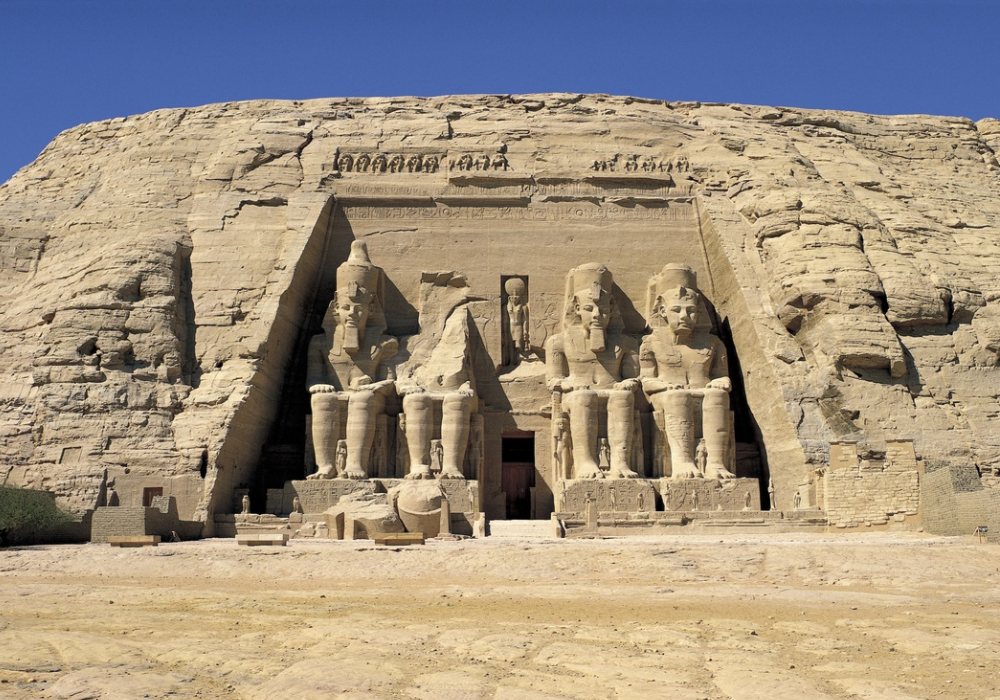
For centuries, archaeologists have marveled at how the ancient Egyptians carved temples, statues, and obelisks out of solid granite—some weighing hundreds of tons—long before the invention of steel or modern power tools. Recent discoveries in ancient quarries, including the unfinished obelisk at Aswan, are revealing more about how they did it. Evidence suggests the Egyptians used copper chisels, dolerite pounding stones, and quartz sand as an abrasive to cut and polish even the hardest rock. The process was slow, labor-intensive, and astonishingly precise, showcasing the ingenuity of one of history’s greatest engineering civilizations.

Read more

The Gulf Stream May Be Approaching a Crisis Point That Could Reshape the Planet’s Climate

Researchers say the Atlantic’s “climate engine” is showing signs of breakdown faster than predicted.

©Image license via Wikimedia Commons

The Gulf Stream—a powerful ocean current that helps regulate Earth’s climate—may be approaching a critical tipping point. According to recent studies published in Nature Communications and Science Advances, the Atlantic Meridional Overturning Circulation (AMOC)—the larger system of currents that includes the Gulf Stream—is weakening faster than expected due to melting ice and warming oceans. Scientists warn that if the AMOC collapses, it could drastically alter weather patterns, disrupt food production, and accelerate climate instability worldwide. While a total shutdown isn’t certain, new data suggest the risk is more immediate than previously thought.

Read more

Inside the Solar Storm Scenario That Could Black Out the Planet

A powerful solar event like the 1859 Carrington flare could plunge modern civilization into darkness.

©Image license via Canva

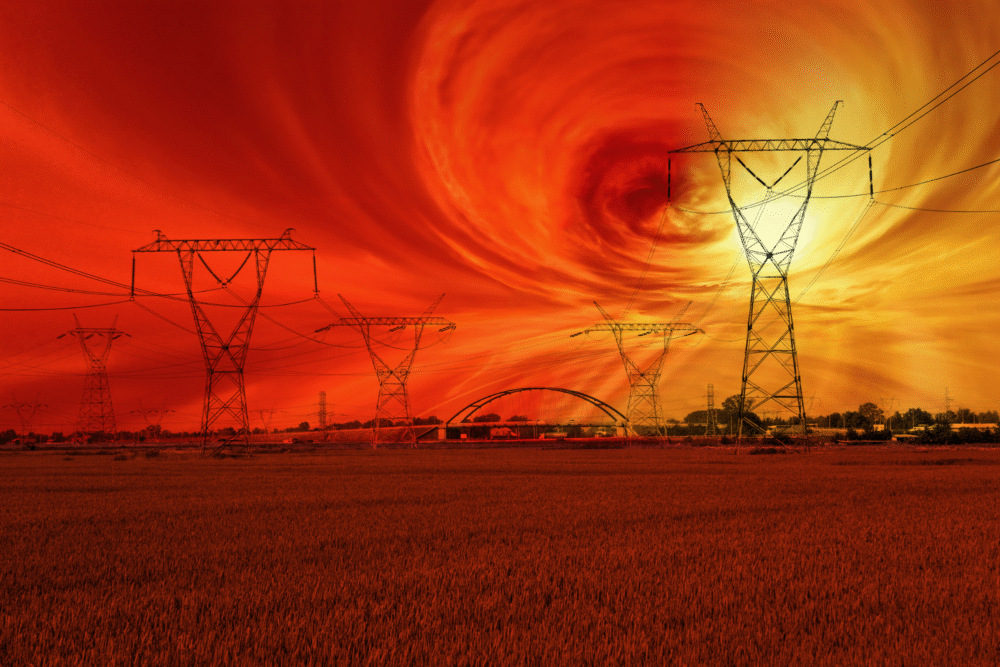
Scientists have long warned that a powerful solar storm could temporarily disable much of the world’s electrical and communications infrastructure. Known as a “Carrington-class event,” after the massive 1859 solar flare that lit telegraph wires on fire, such a storm today could disrupt satellites, GPS networks, and power grids worldwide. NASA, NOAA, and the European Space Agency closely monitor solar activity to detect these threats in advance, but even a few hours’ warning might not be enough. Here’s what would likely happen if a severe geomagnetic storm struck Earth and how experts say we could prepare for it.

Read more

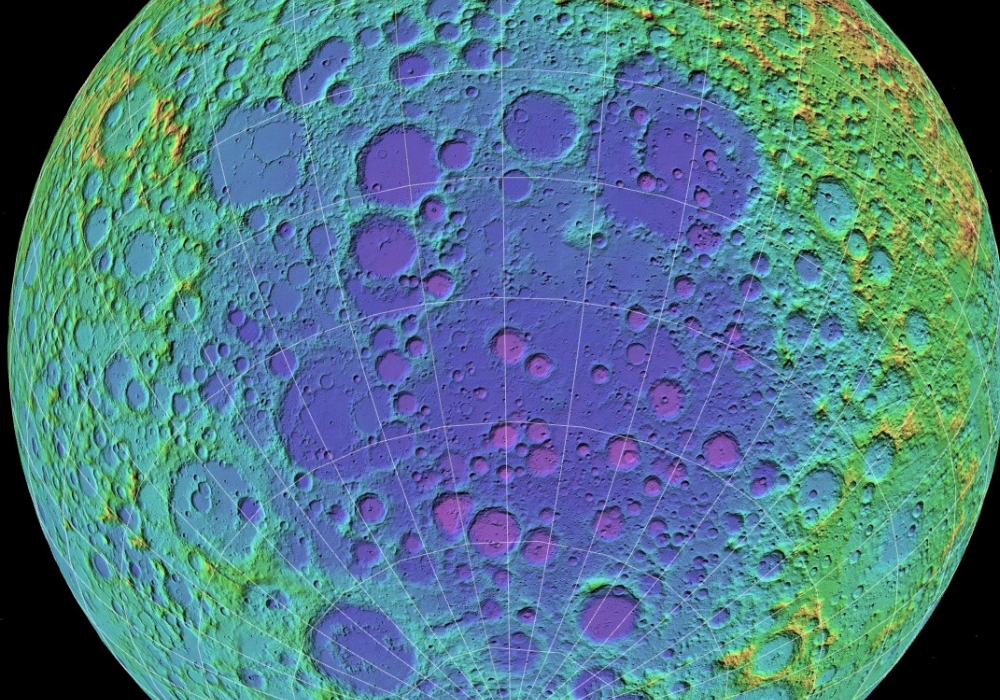
NASA Astronauts Set to Visit the Moon’s Most Mysterious Crater, and Scientists Are Baffled by What’s Beneath It

Scientists detected a dense metallic anomaly miles below the lunar surface, and no one knows what it is.

©Image license via Flickr

NASA’s upcoming Artemis missions will return astronauts to the Moon for the first time in over fifty years—and their destination sits near one of the most mysterious places in the solar system. Deep beneath the Moon’s largest crater, known as the South Pole–Aitken Basin, scientists have detected something massive buried far below the surface. Using data from NASA’s GRAIL (Gravity Recovery and Interior Laboratory) spacecraft, researchers discovered an unexplained metallic anomaly that defies simple explanation. The find could unlock secrets about how the Moon—and perhaps the early solar system itself—was formed.

Read more

If Civilization Collapses, These 12 Places Could Be the Last Safe Havens

Scientists and survival experts have identified the regions most likely to endure global catastrophe.

©Image license via StockCake

If global civilization were to collapse—whether from nuclear conflict, climate breakdown, or economic chain failure—some places would likely fare far better than others. Researchers at the University of Otago in New Zealand and the Global Sustainability Institute in the UK have analyzed which regions have the best chances of long-term survival. Their criteria included food security, renewable energy, isolation, climate stability, and governance strength. While nowhere would be entirely safe, these twelve places are widely regarded by scientists as humanity’s most likely refuges if the world as we know it falls apart.

Read more