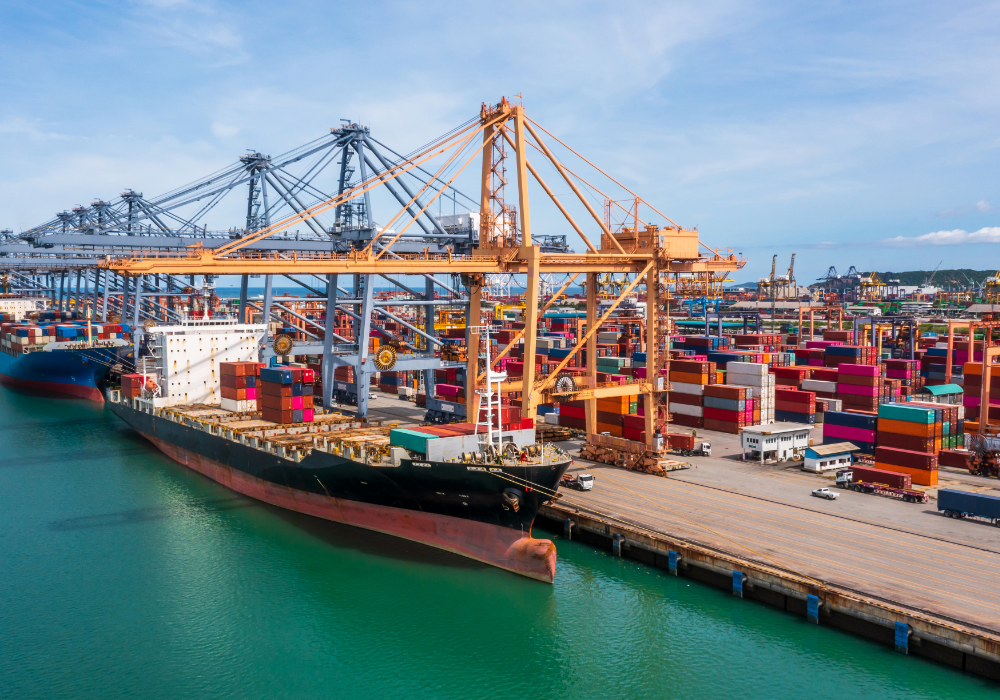
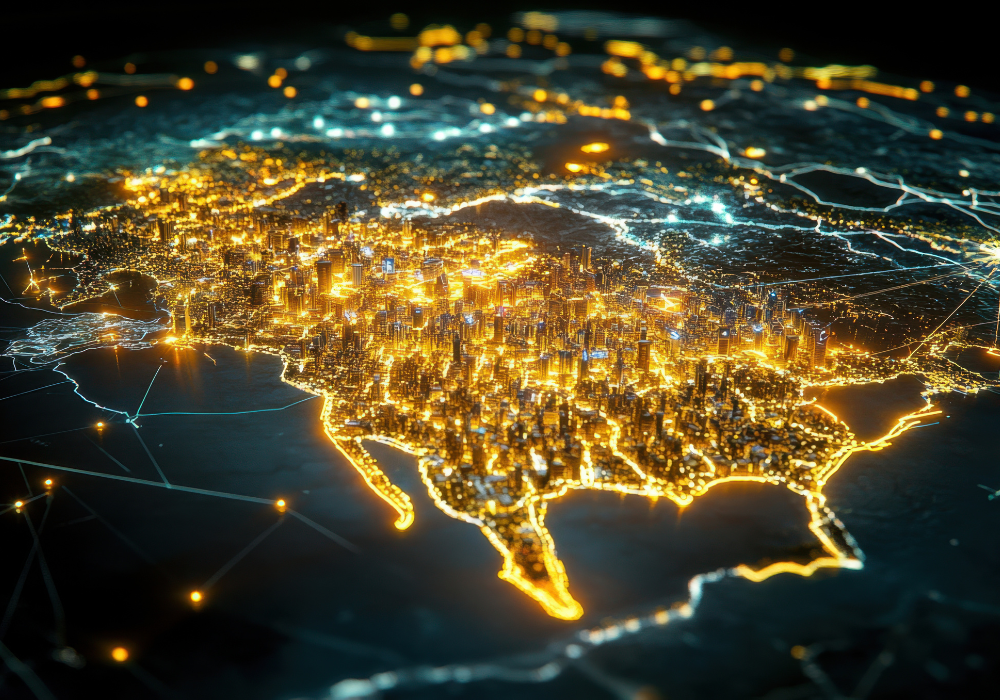
Climate Change Is Hitting Alaska Hard—Just Not in the Ways You’d Think

As powerful typhoons shift north, Alaska now faces extreme storms and flooding once unheard of in its history.

©Image license via Canva

Alaska’s climate is moving fast—and now, storms once reserved for tropical regions are barreling into the Last Frontier. Scientists report that typhoons and intense rainfall are pushing storm systems farther north, triggering floods and erosion in places unprepared for such weather. Coastal towns and remote terrain that once withstood stable seasonal cycles are now grappling with infrastructure collapse and community upheaval. What’s happening in Alaska is a stark reminder that climate change isn’t just warming the world—it’s reshaping it in unpredictable, often devastating ways.

Read more

They’ve Been Called Crazy for Years—But Were the Doomsday Preppers Right All Along?

©Image license via Canva

For decades, doomsday preppers were viewed as fringe survivalists—people stockpiling food, building bunkers, and expecting catastrophe. But the past few years have changed that perception. Between the pandemic, extreme weather, cyberattacks, and rising geopolitical instability, preparedness no longer seems outlandish. According to FEMA, more than 60% of Americans now keep at least some emergency supplies on hand, a number that continues to rise. Whether driven by caution or practicality, modern prepping reflects a growing realization that global systems—from power grids to food chains—are more fragile than most people once believed.

Read more

If the Internet Crashed Tomorrow, Here’s How Fast Civilization Would Unravel

Experts say a global internet shutdown could paralyze communication, collapse markets, and test modern society’s limits within hours.

©Image license via Canva

Nearly every part of daily life now depends on a constant internet connection—from banking and hospitals to shipping routes and power grids. But what if, suddenly, it all went dark? Cybersecurity experts warn that a worldwide internet crash, whether from a massive solar storm, cyberattack, or critical network failure, could bring civilization to a standstill within hours. Here’s what would likely happen—and how quickly the effects would spread across every corner of modern life.

Read more

The Hidden Systems You’ve Been Funding Without Realizing It

Most people have no idea how many invisible systems their money helps sustain.

©Image license via Canva

Every paycheck, purchase, and utility bill you pay helps fund more than just your daily needs. Behind the scenes, a web of hidden systems—from insurance backstops to environmental fees—collects billions each year, often without public awareness. Economists say these mechanisms keep parts of society running, yet few citizens understand where their money actually goes. Whether through taxes, surcharges, or obscure trust funds, your hard-earned dollars are constantly at work in ways you rarely see.

Read more

You Eat Them Every Day—But These Popular Foods Come at a Human Cost

Behind supermarket shelves lies a global system where exploitation and forced labor still shape what we eat.

©Image license via Canva

Many of the foods we enjoy every day—coffee, chocolate, seafood, and sugar—come from supply chains linked to human rights abuses. Investigations by the U.N., the U.S. Department of Labor, and major watchdog groups have traced child labor, unsafe conditions, and unfair wages to farms and factories that feed global markets. While companies promise reform, progress remains uneven. Here’s a closer look at the everyday foods tied to exploitation—and what’s being done to change how they’re produced.

Read more

11 Old-Fashioned Etiquette Rules That Still Impress Everyone You Meet

These classic manners may seem outdated—but experts say they can still make all the difference today.

©Image license via Canva

In a fast-paced, digital world, old-fashioned manners can feel like relics of another time. But many of those “outdated” rules of etiquette still hold surprising power. From handwritten thank-you notes to genuine listening, the habits once taught in finishing schools now stand out precisely because they’re rare. Psychologists and business experts alike say these gestures build trust, boost credibility, and leave lasting impressions. Here are the classic etiquette rules that may seem old—but still quietly open doors today.

Read more

Why Optimism Can Feel Impossible—10 Forces That Make Hope Harder

Understanding why various psychological and external pressures undermine maintaining hope daily.

Modern living room, pensive woman foreground, relaxed composition, bright daylight, documentary style photo, one person.
©Image license via Canva

Optimism often feels out of reach due to a mix of mental patterns and external challenges that quietly chip away at hope. From chronic stress and negative self-talk to the influence of social environments and cultural attitudes, multiple forces work against a hopeful outlook. Recognizing these factors helps us see why staying optimistic requires more than wishful thinking—it demands awareness, resilience, and practical strategies to balance realism with positivity.

Read more

If Global Trade Stops, These 10 Countries Could Run Out of Food Fast

Experts warn that a sudden collapse in food imports could trigger humanitarian crises in vulnerable nations within weeks.

©Image license via Canva

The global food system is far more fragile than most people realize. A disruption in trade—caused by conflict, climate disasters, or supply-chain collapse—could leave some nations facing severe shortages within days. According to the United Nations and the Global Food Security Index, dozens of countries depend heavily on imported grain, fertilizer, and fuel to feed their populations. If global shipping stopped tomorrow, a handful of nations would be hit hardest, exposing just how interconnected—and precarious—the world’s food supply really is.

Read more

How a Global Power-Grid Failure Could Plunge Civilization Into Chaos Overnight

Scientists say a global blackout could unravel modern life faster than any other man-made disaster.

©Image license via Canva

Electricity powers nearly every function of modern civilization—from hospitals and transportation to communication and finance. But experts warn that the global power grid, a vast network connecting billions of people, is far more fragile than most realize. A single cascading failure caused by a cyberattack, solar storm, or infrastructure breakdown could disable critical systems within hours. Without power, water stops flowing, food distribution halts, and digital communication disappears. Scientists say such an event could unravel modern life faster than any previous crisis—and humanity is dangerously unprepared.

Read more

China’s Energy Collapse Is Rippling Around the World — Here’s Why It Matters

Analysts say China’s deepening energy crisis could disrupt trade, raise prices, and slow global recovery.

©Image license via Canva

China is confronting a worsening energy crisis that’s reverberating throughout the global economy. Rolling power shortages, soaring coal prices, and rising industrial demand are straining the world’s second-largest economy—and the effects are spreading across supply chains worldwide. According to recent data from the International Energy Agency and China’s National Bureau of Statistics, electricity consumption continues to climb faster than generation capacity, especially during seasonal peaks. Analysts warn that this growing imbalance could disrupt exports, raise global prices, and slow economic growth far beyond China’s borders.

Read more