
New research maps brain connections that appear to spark self-awareness and thought.

Neuroscientists may be closer than ever to understanding one of humanity’s greatest mysteries: consciousness itself. A new study published in Nature Neuroscience used advanced brain imaging to identify a network of regions that appear to work together whenever a person becomes aware of something—whether it’s a sound, an image, or a thought. The findings suggest that consciousness isn’t confined to a single brain area but instead emerges from communication between deep structures and higher cortical regions.
1. Consciousness Has Long Eluded Scientific Definition
For centuries, scientists and philosophers have debated what consciousness is and where it resides. While most agree it involves awareness of self and surroundings, pinpointing its neural origin has been extraordinarily difficult.
Earlier studies focused on isolated regions such as the prefrontal cortex, but new evidence indicates that awareness may depend on the coordination of multiple brain areas rather than one control center.
2. The New Research Used Advanced Brain Imaging
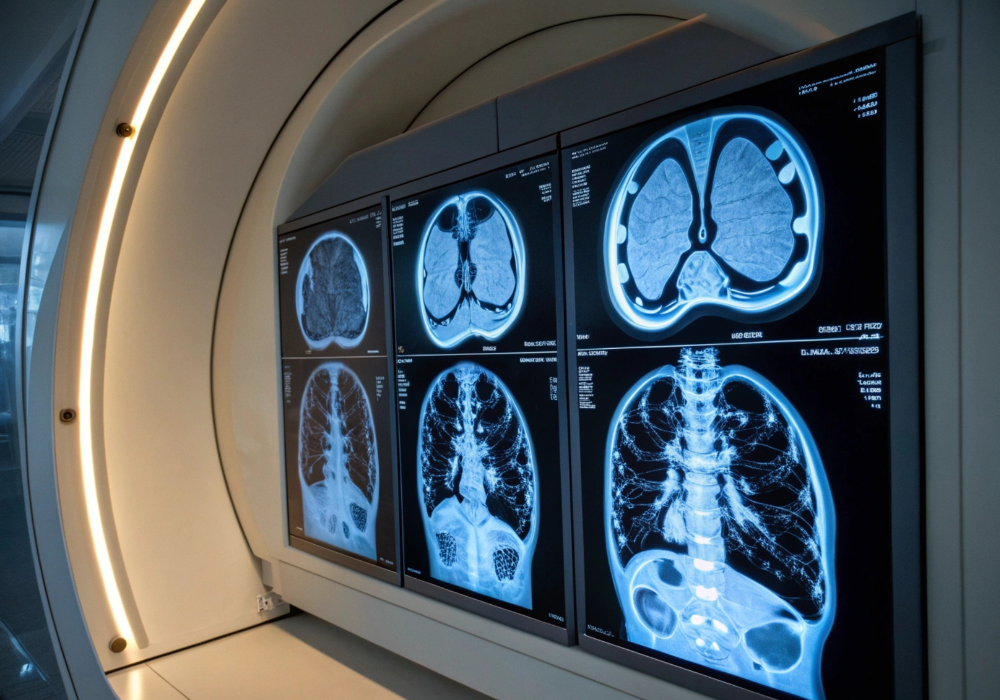
Researchers used high-resolution functional MRI scans and intracranial recordings from patients undergoing neurological monitoring. By comparing brain activity during moments of awareness and non-awareness, they identified specific patterns of synchronized firing.
This approach allowed scientists to observe how information travels between brain regions in real time, providing the clearest view yet of the network that supports conscious experience.
3. The Key Regions Are Deep Inside the Brain
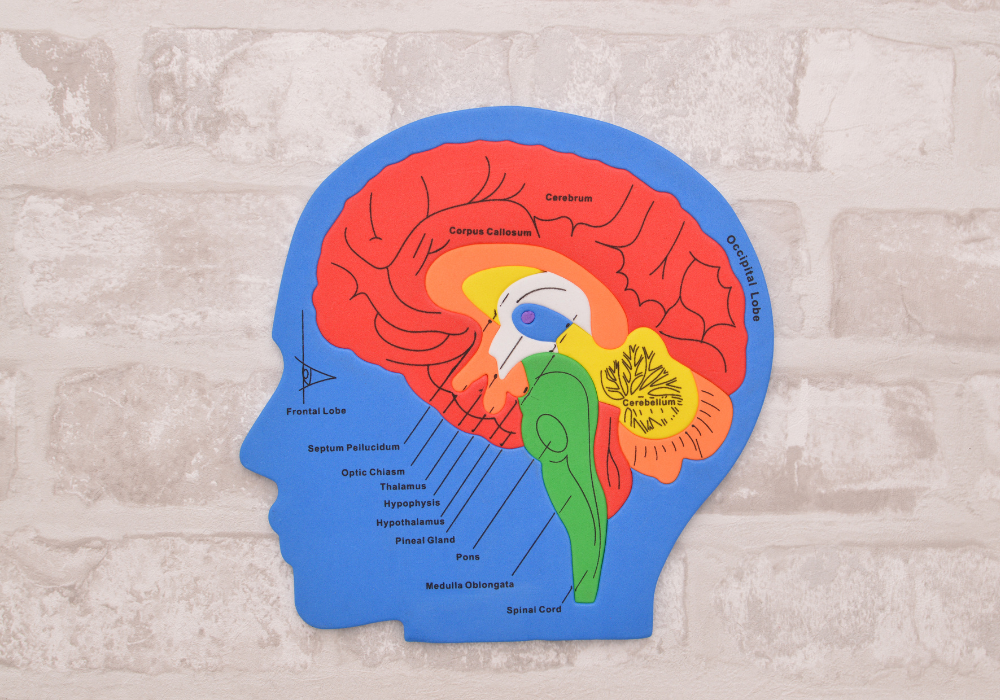
The study found that activity between the thalamus, the posterior cingulate cortex, and parts of the brainstem consistently correlated with awareness. These areas help integrate sensory information and maintain alertness.
Rather than acting independently, these structures appear to work in concert—suggesting that consciousness arises when deep and cortical regions communicate efficiently.
4. The Thalamus Acts as a Central Relay
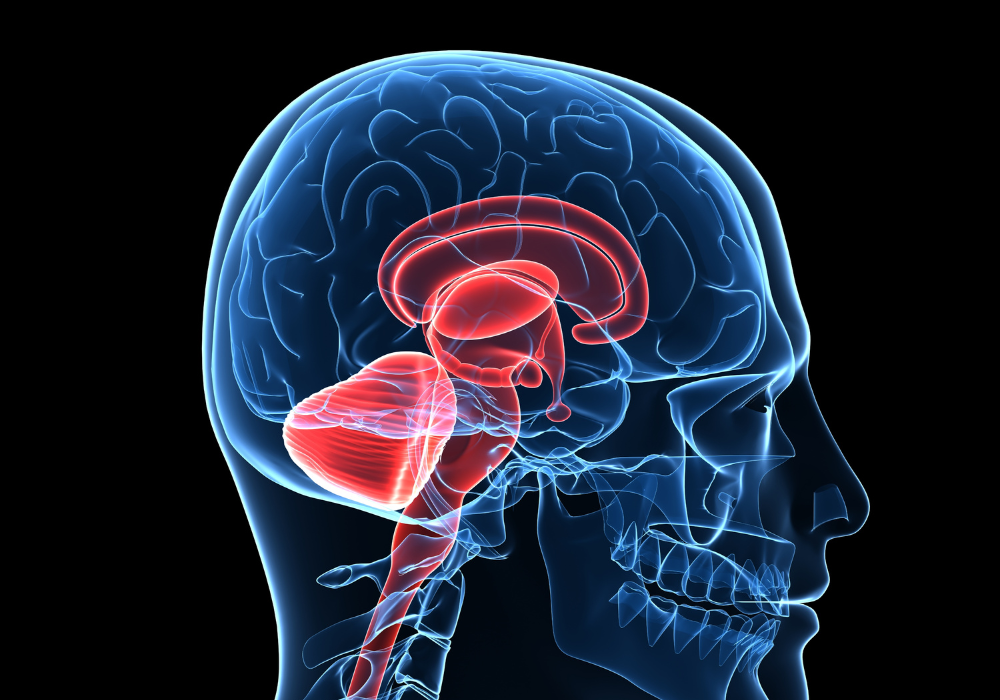
The thalamus, located near the brain’s center, filters incoming sensory data and relays it to higher processing areas. When thalamic communication falters, awareness can fade, as seen in anesthesia or coma.
This supports the idea that consciousness depends on dynamic information exchange. When the thalamus and cortex are in sync, sensory input becomes part of conscious experience; when that link weakens, awareness dims.
5. Brainstem Activity Plays a Foundational Role
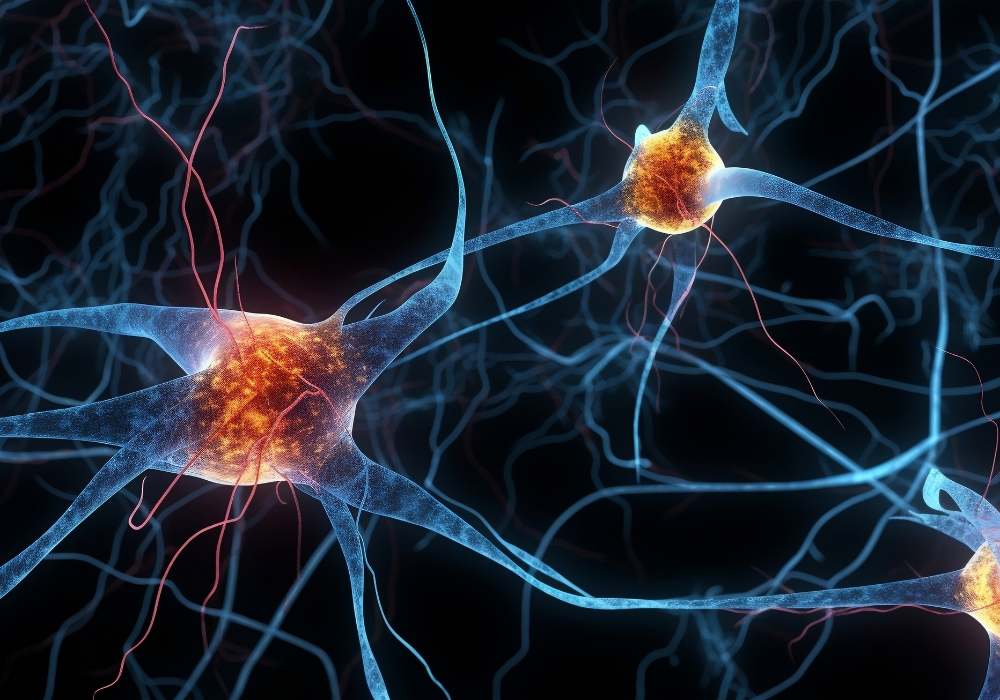
The brainstem regulates arousal, sleep, and wakefulness—basic states necessary for consciousness. The new findings show that signals from the brainstem help “ignite” cortical networks involved in perception.
In other words, while higher regions interpret experiences, the brainstem provides the underlying energy that allows consciousness to exist at all. Without its activation, awareness cannot be sustained.
6. The Posterior Cortex Is Where Sensory Experience Takes Shape
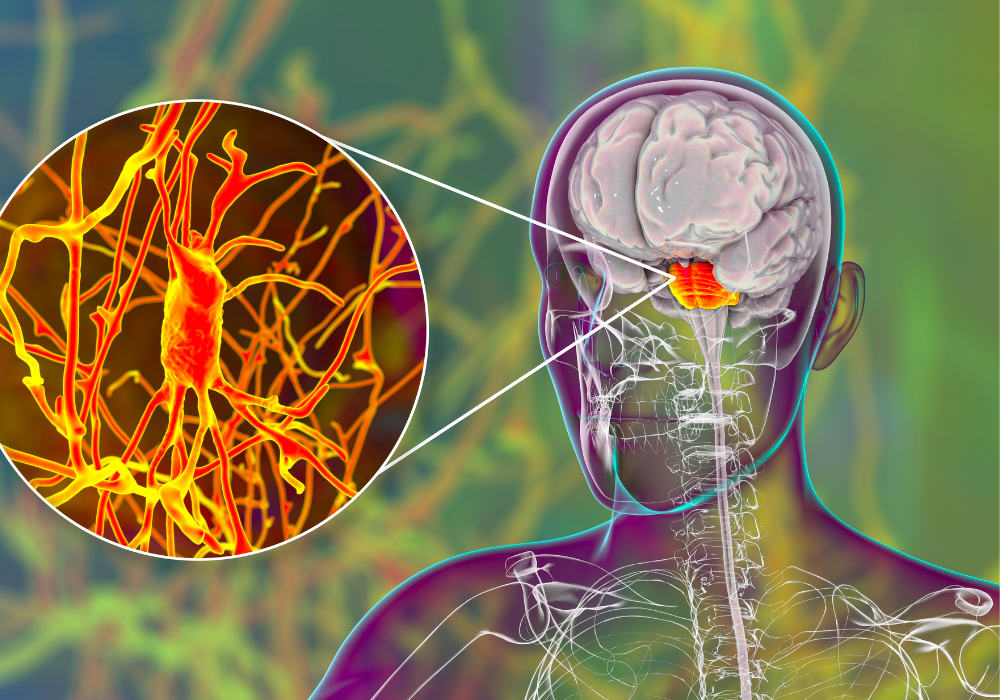
Researchers found that the posterior parts of the cortex—especially the parietal and occipital regions—light up when people consciously perceive images or sounds. These areas help create the rich sensory world we experience.
This supports theories that consciousness depends heavily on how the brain integrates sensory information rather than on reasoning or decision-making alone.
7. Communication Between Networks Is Crucial
The study revealed that conscious awareness occurs when deep and cortical structures fire rhythmically in sync. This synchronization allows information to flow freely across brain networks.
When communication breaks down—due to injury, anesthesia, or certain disorders—people may remain biologically awake but lose awareness. This network coordination may be the true “engine” behind conscious experience.
8. The Findings Bridge Competing Theories
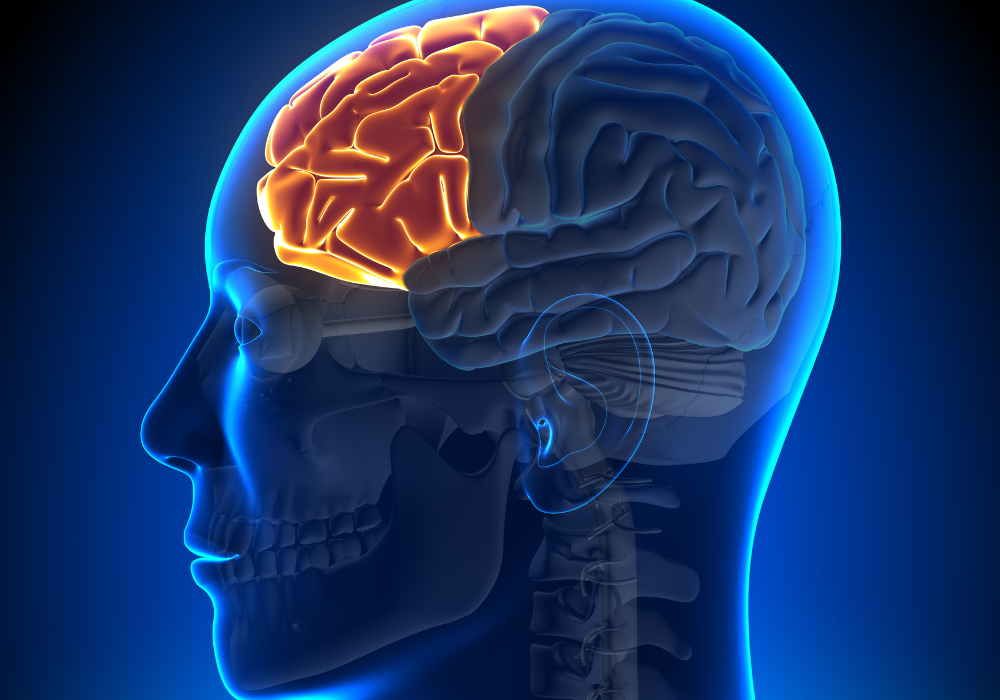
Two major theories of consciousness have long competed: one emphasizing the prefrontal cortex, and another focusing on sensory regions. The new research suggests both are partly right.
Consciousness appears to require both bottom-up sensory integration and top-down coordination. It’s not a single switch but a dynamic interaction between multiple systems that generate awareness moment by moment.
9. These Insights May Help Treat Disorders of Consciousness
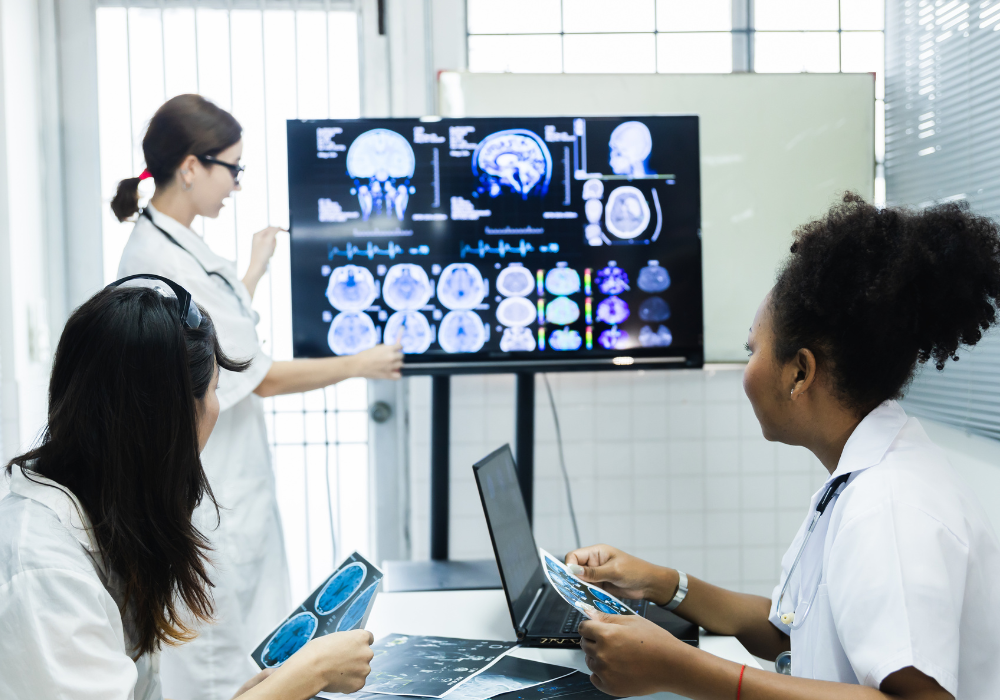
Understanding how awareness arises could transform the treatment of conditions such as coma, vegetative states, or anesthesia recovery. Clinicians may eventually use brain stimulation to restore synchronized communication between key regions.
This could lead to new therapies that help patients regain consciousness or improve diagnosis by distinguishing between levels of awareness in nonresponsive individuals.
10. Artificial Intelligence Research Is Paying Close Attention

Neuroscientists and AI developers are exploring how the brain’s communication networks might inspire new models of machine awareness. While true artificial consciousness remains speculative, mapping these biological circuits offers valuable insight.
Understanding how the human brain integrates information could help engineers design systems that mimic flexible, self-monitoring intelligence—one of the defining traits of consciousness itself.
11. The Research Aligns With Previous Observations

Studies using EEG and PET scans have shown similar results: when people lose consciousness under anesthesia, communication between the thalamus and cortex sharply declines. When awareness returns, the connections reactivate.
The new findings confirm that pattern, reinforcing the view that consciousness is a network property rather than a function of a single brain area.
12. A Step Toward Understanding the Mind Itself
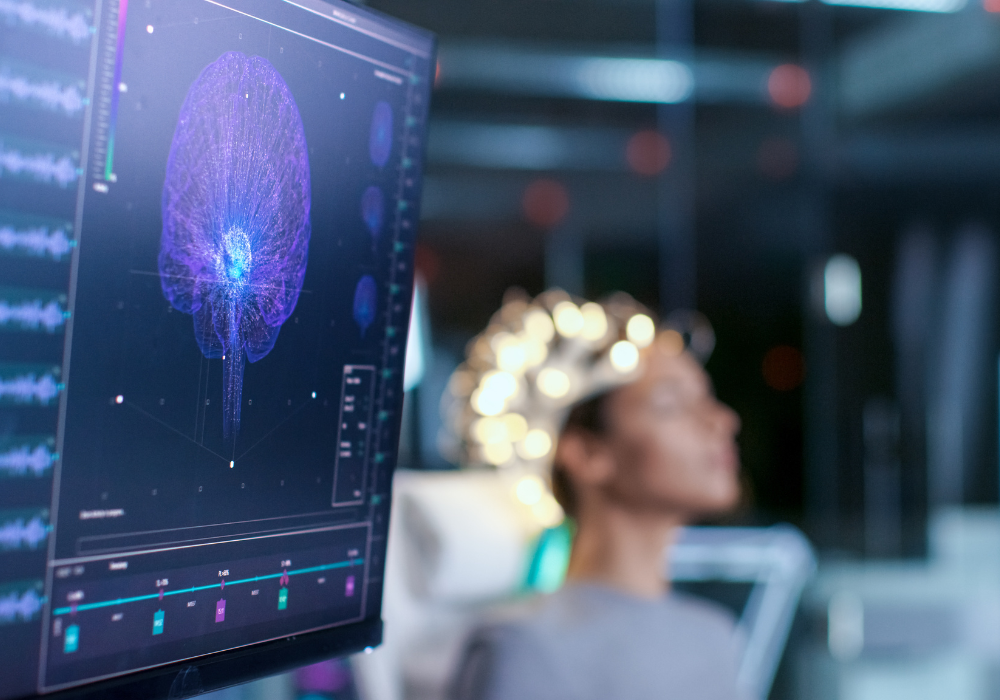
Scientists caution that this discovery doesn’t explain consciousness entirely—but it brings the field closer than ever. By identifying the brain’s core awareness network, researchers now have a framework to explore how subjective experience emerges from neural activity.
While the full mystery remains, the evidence is clear: consciousness arises from coordinated patterns deep within the brain, a complex interplay that defines what it means to be aware and alive.