Scientists Say to Wash Your Hands Immediately After Touching These Everyday Items

Scientists warn that everyday objects can accumulate surprising amounts of bacteria if hygiene slips.
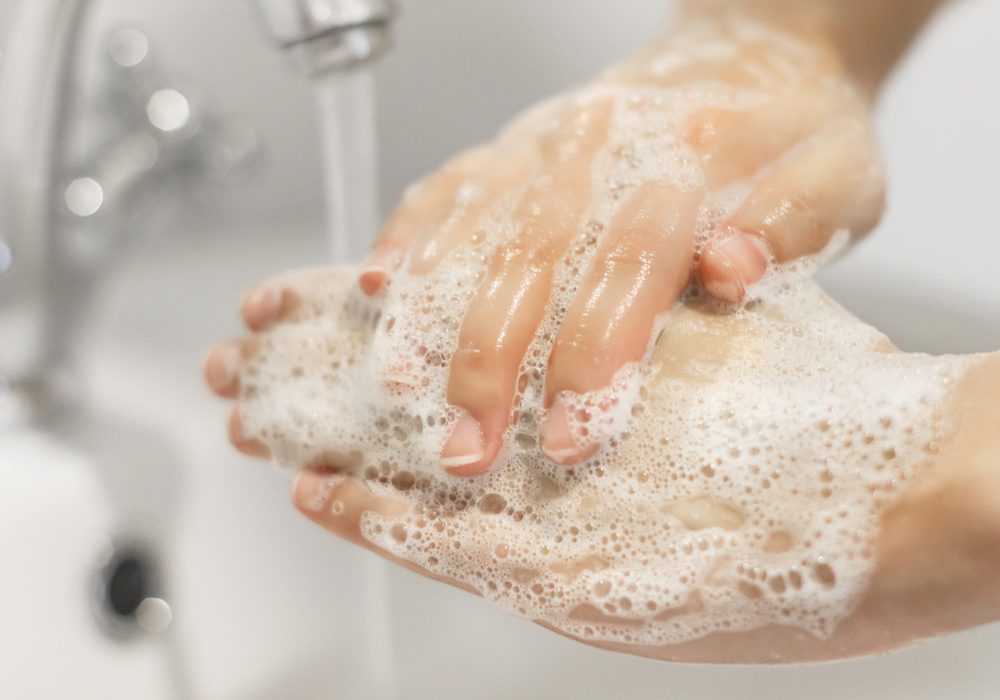
©Image license via Canva

You may not realize it, but many of the objects you touch every day collect surprising amounts of bacteria, viruses, and other microbes. While most aren’t dangerous on their own, they can transfer germs to your hands—especially when shared, handled frequently, or rarely cleaned. Public-health researchers say proper and timely handwashing remains one of the most effective ways to reduce illness. These commonly touched items tend to harbor microbes because they’re handled often, exposed to public environments, or difficult to disinfect thoroughly.

Read more

New Experiments Are Blurring the Line Between Life and Death

New research reveals the body stays active after death, prompting scientists to rethink when life truly ends.

©Image license via Canva

Researchers are reexamining what the boundary between life and death truly means, thanks to emerging work from neuroscientists, biologists, and medical researchers studying how the body behaves after the heart stops. Some of the most discussed findings come from experiments at Yale School of Medicine, where scientists restored limited cellular activity in pig organs after death. Other studies are exploring how cells, genes, and tissues remain active far longer than once believed. Together, this research suggests the body’s shutdown process is far more gradual and complex than the traditional definition of death implies.

Read more

Cut Your Calories by 30% — New Study Says It Could Slow Brain Aging

Researchers found that long-term calorie reduction may help protect the brain from age-related decline.

©Image license via Canva

A major long-term study led by researchers at the National Institute on Aging has uncovered a striking connection between calorie intake and brain health. The team found that reducing daily calories by about 30% helped protect the brain from many normal signs of aging, including structural decline and cognitive slowdown. While these findings come primarily from controlled animal research, they offer an intriguing possibility: eating a little less over time may help keep the brain sharper, healthier, and more resilient as we grow older.

Read more

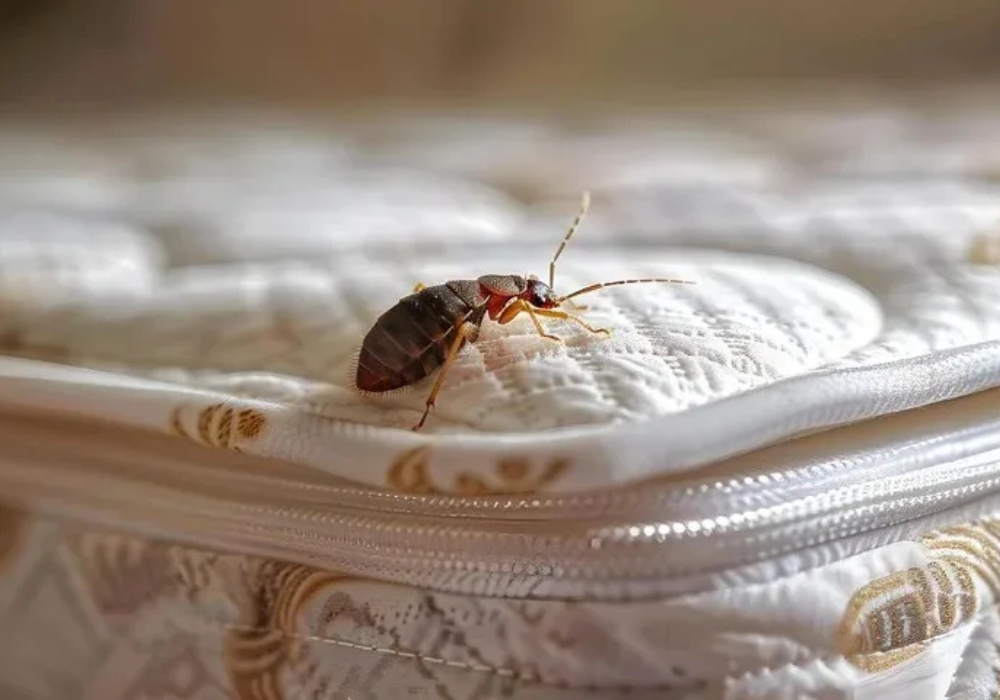
See a Bedbug in Your Hotel? Experts Say Don’t Touch Anything Until You Do This

A few quick steps can keep bedbugs from spreading to your luggage—or following you home.

©Image license via hadlowpestsolutions.com

Finding a bedbug in your hotel room can derail a trip instantly, but experts say the right steps can prevent the insects from spreading to your luggage—or following you home. Bedbugs are excellent hitchhikers and can hide in cracks, fabrics, or furniture seams without being noticed. They don’t transmit disease, but they can cause bites, infestations, and costly treatments once they enter a home. Knowing exactly what to do when you see one can help you protect your belongings, avoid further exposure, and work with hotel staff to resolve the problem safely.

Read more

What Doctors and First Responders Really Mean When They Use These Secret Codes

These coded phrases help doctors and emergency crews respond fast without alarming the public.

©Image license via Canva

Hospitals and first responders use coded language to communicate quickly during emergencies without alarming patients or visitors. These short, color-based or number-based alerts help staff coordinate responses to everything from cardiac arrests to security threats. While the public may hear these messages without knowing what they mean, each code carries important instructions that guide medical teams through high-pressure situations. Understanding how these codes work offers a rare look behind the scenes at how hospitals stay organized and protect patient safety when every second matters.

Read more

Universal Newborn Hepatitis B Vaccines Scrapped by CDC Panel — What Parents Should Know

Advisers say the birth-dose proposal needs more review, leaving current vaccination practices unchanged for now.

©Image license via Canva

A major change in U.S. vaccine policy is underway. In early December 2025, the CDC’s Advisory Committee on Immunization Practices (ACIP) voted to end its long-standing recommendation that all newborns receive a hepatitis B vaccine within 24 hours of birth. The panel concluded that for infants whose mothers test negative for the virus, vaccination should be a decision made between parents and physicians. While the vaccine remains recommended for babies born to mothers who have hepatitis B or whose status is unknown, the shift marks one of the most significant reversals in modern childhood immunization guidance.

Read more

Scientists Discover a “Bone Switch” That Could Reverse Osteoporosis

A breakthrough in bone biology may allow new treatments that actually restore density, not just prevent decline.

©Image license via Canva

Osteoporosis affects hundreds of millions of people worldwide, especially older adults, and it often leads to painful fractures and long-term mobility issues. Current treatments mostly work by slowing bone loss, but they don’t do much to rebuild the bone that’s already gone. Now, scientists have identified a key molecular “switch” called PDE4B that appears to control how bone-forming cells behave. When this switch is blocked in lab tests, bones become stronger and denser. Researchers say this could lead to entirely new treatments that help the body grow stronger bones—even after osteoporosis has already set in.

Read more

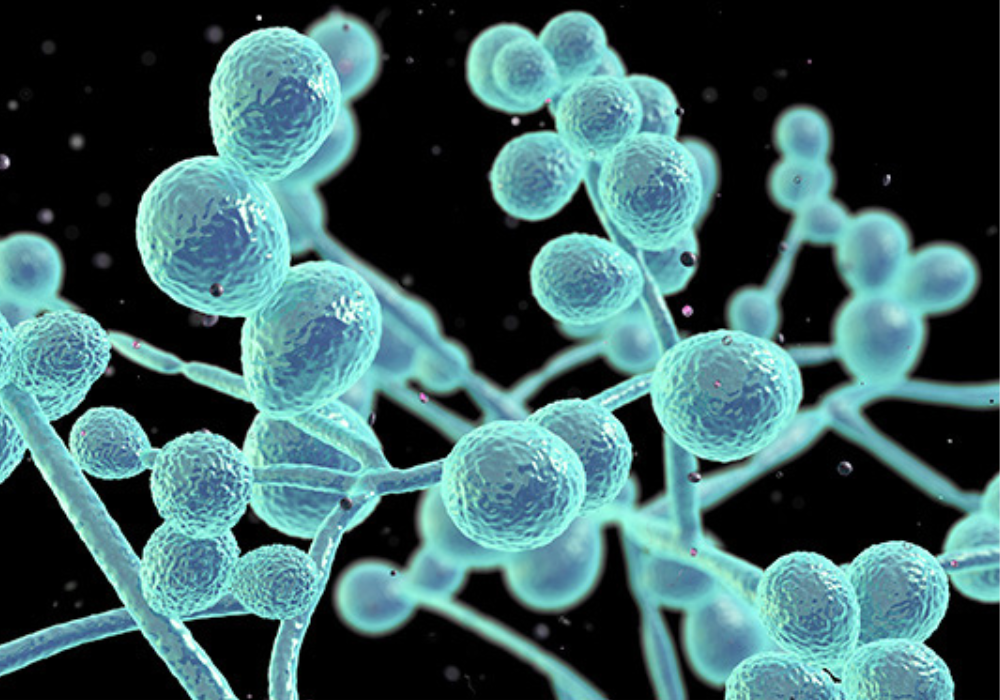
What If Your Everyday Infection Became Untreatable? Scientists Warn It’s Happening

A fast-spreading fungal infection is evolving resistance to common treatments, alarming researchers worldwide.

©Image license via UC Davis Health

A common fungal infection many take for granted is becoming harder — sometimes impossible — to treat. According to recent research, rising drug resistance in Candida infections (like vaginal or oral thrush) means that standard antifungal medicines are failing more often. Scientists warn that fewer treatment options, persistent recurrences, and increased resistance could turn a once-simple infection into a stubborn, chronic problem. As clinics around the world report rising resistance, experts say it’s time to pay serious attention before a manageable disease becomes a medical nightmare.

Read more

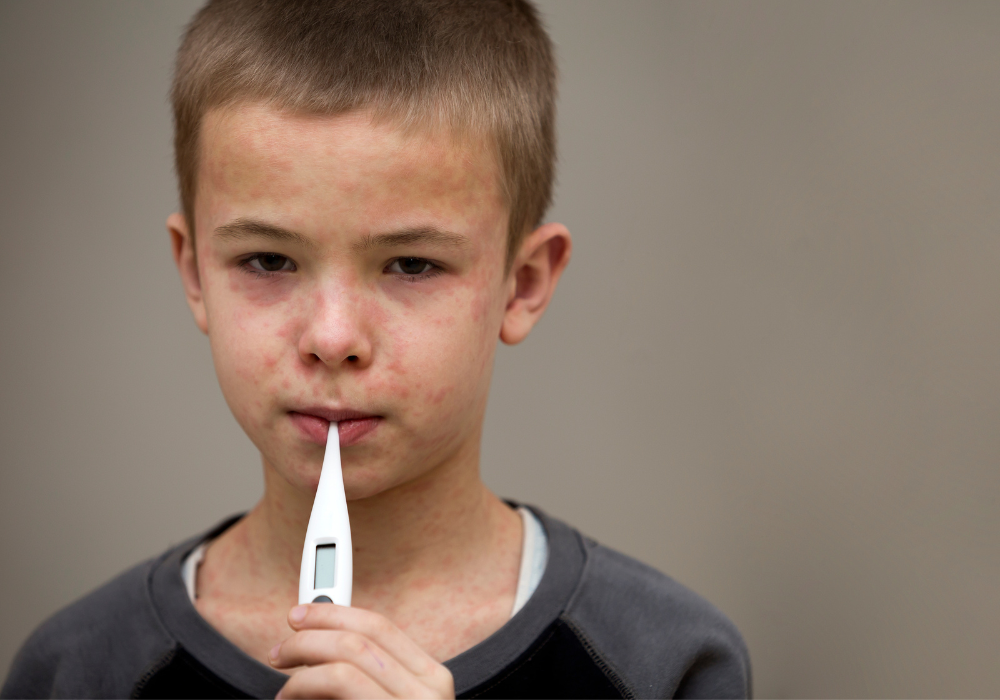
This Devastating Illness Has No Cure — And Cases Are Climbing Fast Worldwide

Health experts are raising alarms as a once-controlled disease resurges in several countries with no known cure.

©Image license via Canva

Scientists are sounding the alarm after a once-declining disease suddenly began spreading again in multiple parts of the world. Although measles is preventable through vaccination, the illness has no cure once contracted—and rising infection rates are now prompting renewed concern among global health officials. Many experts say the resurgence is tied to falling vaccination rates, delayed childhood immunizations, and worsening misinformation. As countries scramble to contain outbreaks, the situation reveals how quickly a nearly eliminated disease can return when immunity gaps widen.

Read more

Ultra-Processed Foods Are Harming Every Organ in Your Body, Experts Warn

New evidence suggests these foods can disrupt your biology in ways scientists are only beginning to understand.

©Image license via Canva

Ultra-processed foods may be doing far more damage to the human body than previously believed. According to a comprehensive new review, these products don’t just contribute to weight gain—they affect every major organ system, including the brain, heart, liver, gut, hormones, and immune defenses. Researchers found over 45 distinct health pathways linked to ultra-processed foods, revealing that their additives, refined ingredients, and chemical modifications can alter biological function. Scientists now argue that the issue isn’t just poor nutrition but the way these foods fundamentally rewire how the body operates.

Read more