These “Healthy” Supplements May Carry Serious Heart and Liver Risks

New medical research exposes hidden risks of supplements marketed as ‘natural’ and ‘safe’.

©Image license via Canva

You’d never suspect that something labeled “natural” could quietly sabotage your health—but that’s exactly what some popular supplements are doing.

Doctors and researchers are increasingly sounding the alarm about pills that can lead to heart attacks, liver damage, and even death. According to data from the National Institutes of Health, liver injuries tied to dietary supplements have surged in recent years. Worse, many of these products are unregulated, misleadingly marketed, or taken in unsafe doses.

Before you reach for your next capsule or powder, you need to know what the risks are—and whether you’re playing Russian roulette with your health.


Read more

Why About 90% of People Are Right-Handed Across the Globe

Researchers say brain development and evolution both play a role in hand preference.

©Image license via Canva

Roughly 90 percent of people around the world are right-handed, a pattern that shows up across cultures, time periods, and geographic regions.

That consistency has fascinated scientists for decades, because it suggests handedness isn’t simply a matter of habit, training, or social pressure. Instead, it points to something deeper happening during brain development, long before a person learns to write, eat, or throw a ball.

Research highlighted in recent studies shows that hand preference is shaped by a combination of biology, early development, and evolutionary forces. From movements observed before birth to how the brain organizes language and motor control, clues emerge surprisingly early.

Click through to explore why right-handedness is so dominant and how left-handedness fits into the picture.

Read more

What That Small Colored Dot on a Restaurant Window Can Say About Food Safety

These small markers are tied to health inspections and can offer a quiet clue about kitchen standards.

©Image license via Planet Sage/Chat GPT

If you’ve ever spotted a small colored dot or sticker on a restaurant window, it can feel like you’ve stumbled onto a hidden code about cleanliness. In reality, these markers mean different things depending on where you are, and sometimes they aren’t meant for diners at all.

Some jurisdictions use bold public grading systems (like color placards or letter grades), while others use quieter visual cues that help inspectors track timing, follow-ups, or posting requirements. This matters because food safety is a real, everyday concern, and the way inspection information is shared can be confusing. A dot might be a clue, but it’s rarely the whole story.

Click through to see when window markers really do connect to inspections, what they typically signal, and how to check the most reliable information before you decide where to eat.

Read more

This Gut Pain Pathway Helps Explain Why IBS Is More Common in Women

The study points to a biological explanation for long-standing IBS disparities.

©Image license via Canva

Irritable bowel syndrome affects millions of people worldwide, yet one pattern has puzzled doctors for decades: women are diagnosed far more often than men. For years, that difference was often attributed to stress, lifestyle, or reporting habits, without a clear biological explanation.

Many patients were left feeling dismissed, especially when tests showed no visible damage in the gut. New research is beginning to change that picture. In a study published in Nature, scientists identified a previously unknown gut pain pathway that appears to be more active in females and influenced by estrogen.

The findings suggest that biological differences in how pain signals travel through the digestive system may help explain why IBS is more common and often more severe in women.

Click through to learn why it matters, and what it could mean for future treatment.

Read more

A Growing Number of Young Adults Are Reporting the Same Health Issue

New national data show obesity and related physical conditions are rising among young adults.

©Image license via Canva

Young adulthood is often described as the healthiest stage of life, a period when serious physical health problems are supposed to feel distant and avoidable. But new national health data suggest that assumption is no longer holding up.

A growing number of people in their 20s and early 30s are reporting the same physical health issues, especially conditions linked to weight, metabolism, and long-term cardiovascular risk. Public health researchers say this shift is not about sudden personal failure or lack of motivation.

Instead, it reflects broad changes in how modern life functions, from food availability and work patterns to sleep disruption and reduced daily movement. These early adult years matter more than many people realize, because physical health patterns established now often shape outcomes decades later.

Click through and learn how Gen Z and Millennials are suffering from health problems they shouldn’t have to face.

Read more

Why People Sometimes Die in Their Sleep, According to Doctors

Doctors explain the medical conditions most often involved in deaths that occur during sleep.

©Image license via Canva

When someone dies during sleep, it often feels sudden and unsettling. Doctors say sleep itself is almost never the cause. Instead, nighttime deaths usually happen because underlying medical conditions become more dangerous when the body is resting. During sleep, changes in heart rhythm, breathing, blood pressure, and brain activity can trigger serious events in people who are already vulnerable. Understanding what physicians know about these situations helps explain why deaths sometimes occur overnight and why they are usually linked to identifiable health risks rather than sleep alone.

Read more

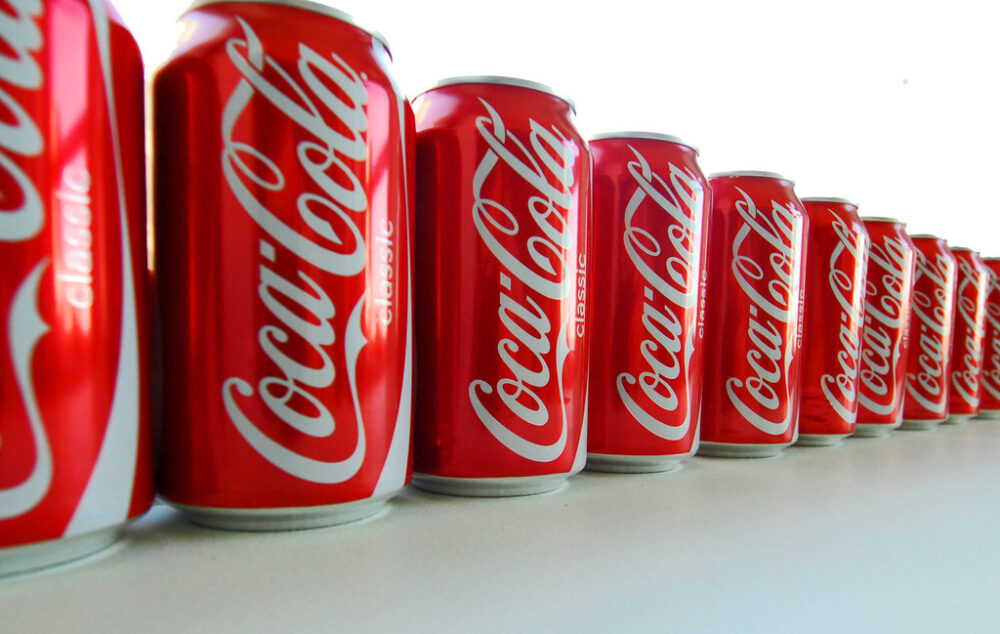
Health Experts Say Coca-Cola Is So Unhealthy It Shouldn’t Be Sold

New global research links sugary drinks to millions of serious disease cases each year.

©Image license via Flickr/Eric Kilby

Health experts are renewing criticism of sugary drinks like Coca-Cola after major new research quantified just how much damage they may be causing worldwide. A large study published in Nature Medicine found that sugar-sweetened beverages are linked to millions of new cases of type 2 diabetes and cardiovascular disease every year. Researchers say these findings go far beyond general warnings about “empty calories,” raising urgent questions about how products like soda are marketed, regulated, and consumed as everyday drinks.

Read more

Scientists Reveal the Surprising Reason You Wake Up Just Before Your Alarm

Your brain quietly prepares you to wake up before the alarm ever has a chance to ring.

©Image license via Canva

Most people have experienced that uncanny moment when they wake up naturally just minutes before their alarm goes off. According to an article in ScienceAlert summarizing research by sleep scientists from The Conversation and the University of the Sunshine Coast, this isn’t random chance—it’s your body clock at work. Researchers explain that a tiny region in the brain called the suprachiasmatic nucleus acts as a precise internal timer, coordinating hormones and sleep-wake signals to prepare your body for morning even before any sound is heard.

Read more

This One Overlooked Factor Predicts Longevity Better Than Diet or Exercise, Study Finds

New research shows getting enough sleep may matter more for life expectancy than you realized.

©Image license via Shutterstock

A new study from Oregon Health & Science University (OHSU) has found that one factor predicts how long you’ll live better than diet or exercise: sleep duration. Led by sleep physiologist Andrew McHill, PhD, and published in the journal Sleep Advances, the research compared self-reported sleep habits with life expectancy data across the United States. What the team found was surprising: consistently getting less than seven hours of sleep each night correlated more strongly with shorter life expectancy than many traditional lifestyle factors. The finding doesn’t downplay healthy eating or exercise, but it does put sleep front and center.

Read more

Dick Van Dyke Just Turned 100 and Says This Simple Habit Keeps Him Young

The legendary performer says one lifelong routine has helped him stay energetic, flexible, and optimistic.

©Image license via Wikimedia Commons

Dick Van Dyke has reached an extraordinary milestone: turning 100, and he says one simple habit has played a major role in keeping him active and upbeat. In interviews over the past decade, including conversations with CBS Sunday Morning and NPR, Van Dyke has repeatedly credited regular daily exercise, especially light workouts and dancing, for helping him stay strong and mobile well into his later years. He believes movement is essential at any age. His approach shows how staying active can support balance, mood, energy, and long-term independence.

Read more