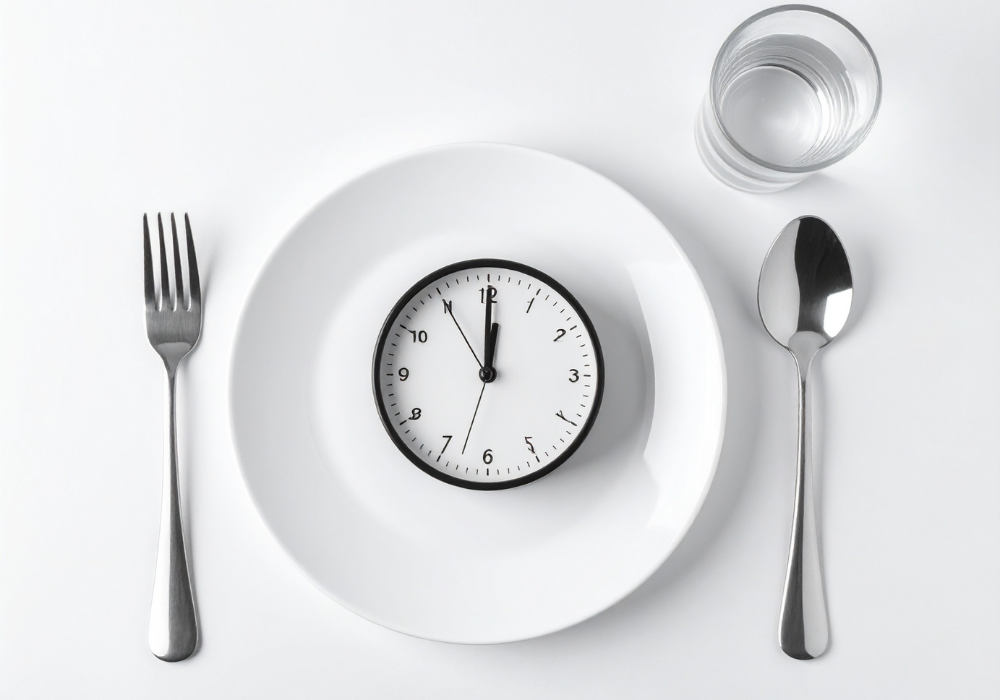
New Study Raises Doubts About the Benefits of Intermittent Fasting

Researchers found meal timing alone didn’t improve key metabolic markers.
©Image license via Canva

Intermittent fasting and time-restricted eating have become mainstream diet trends, often touted as metabolic and heart-health boosters.

But a new study found that when women ate the same number of calories, narrowing their eating window didn’t improve blood sugar, blood pressure, cholesterol, or other key markers after two weeks.

Researchers also observed shifts in circadian rhythms tied to meal timing, hinting that the timing of food influences internal clocks. But when it comes to metabolic improvements, energy balance remains crucial.


Read more

Is a Baldness Cure Finally Within Reach? What Research Shows

Researchers are seeing meaningful progress after decades of setbacks.

©Image license via Canva

A baldness “cure” isn’t a single solution. Hair loss happens for different reasons, and most people asking this question are talking about pattern hair loss, where follicles gradually shrink but often remain alive for years. That distinction matters, because living follicles can sometimes be reactivated.

For decades, treatment options barely changed. Most therapies focused on slowing loss rather than restoring growth. That’s why recent research aimed at waking up dormant follicles has generated renewed optimism.

At UCLA, researchers behind a topical compound now developed by Pelage Pharmaceuticals have reported encouraging early trial results, suggesting hair loss science may finally be entering a new phase.

Read more

If Your Vision Suddenly Acts Weird, This Could Be the Reason

Sudden flashes, blind spots, or zigzags don’t always come from your eyes.

©Image license via Planet Sage/Chat GPT

If your vision suddenly flickers, blurs, or fills with shimmering shapes, it can feel frightening, especially if it happens without warning. Many people immediately worry about eye damage, a stroke, or something permanently wrong, because vision changes are hard to ignore and difficult to explain in the moment.

In many cases, the cause is not the eye itself. These strange visual effects can start in the brain and often fade on their own within a short period of time, leaving no lasting damage.

Knowing what an ocular migraine is, what it typically looks like, and how to respond can help you stay calm, protect yourself during an episode, and recognize when medical care is actually needed.

Read more

Norovirus Is Spreading Again—Here’s What You Should Know

It spreads fast, hits hard, and often shows up before you realize what’s happening.

©Image license via Canva

Norovirus is often brushed off as a short-lived stomach bug, but its ability to spread with astonishing speed makes it far more disruptive than many people expect. One infected person can unknowingly trigger outbreaks in homes, schools, workplaces, and travel settings within a matter of days.

What sets norovirus apart is how little exposure it takes to get sick and how long the virus can linger on surfaces. People are frequently contagious before symptoms appear, which allows the virus to move through groups silently and efficiently.

Understanding how norovirus spreads, how long it remains contagious, and what actually helps stop transmission can mean the difference between a brief illness and a much wider outbreak that keeps cycling through a community.

Read more

The Hidden Way Tattoos Could Change Your Immune System

Ink doesn’t just sit in your skin; what it does next could surprise your immune system.

©Image license via Canva

When you get a tattoo, needles deposit pigment deep into the skin. Most people think the ink stays right where it was placed. But science is beginning to show the story is more complex. Tattoo ink can travel, interact with the immune system, and remain in the body for months or years.

Recent studies in animal models and human tissue show that tattoo pigments don’t always stay in the dermis. They can drain into the lymphatic system, where immune cells try to clean them up. That process can trigger inflammation, change immune responses, and even alter how the body reacts to vaccines.

Researchers stress that this does not mean tattoos are inherently dangerous, but it does mean the immune system may respond in unexpected ways when ink leaves the skin and enters deeper tissue.

Read more

Study Says People With This Blood Type May Be More Likely to Live to 100

One blood marker appears again and again among centenarians, but the reason remains elusive.

©Image license via Canva

Blood type is something most people think about only during medical emergencies. Yet researchers studying people who live past 100 have noticed something unexpected. Certain blood types appear more often among centenarians than in the general population, raising questions about whether biology plays a quiet role in extreme longevity.

These findings do not suggest destiny or guarantees. Longevity is shaped by genetics, environment, lifestyle, and chance. Still, the repeated appearance of specific blood groups has been enough to keep scientists looking closer.

What they have found so far is subtle, inconsistent across populations, and far more complicated than a single letter on a medical chart.

Read more

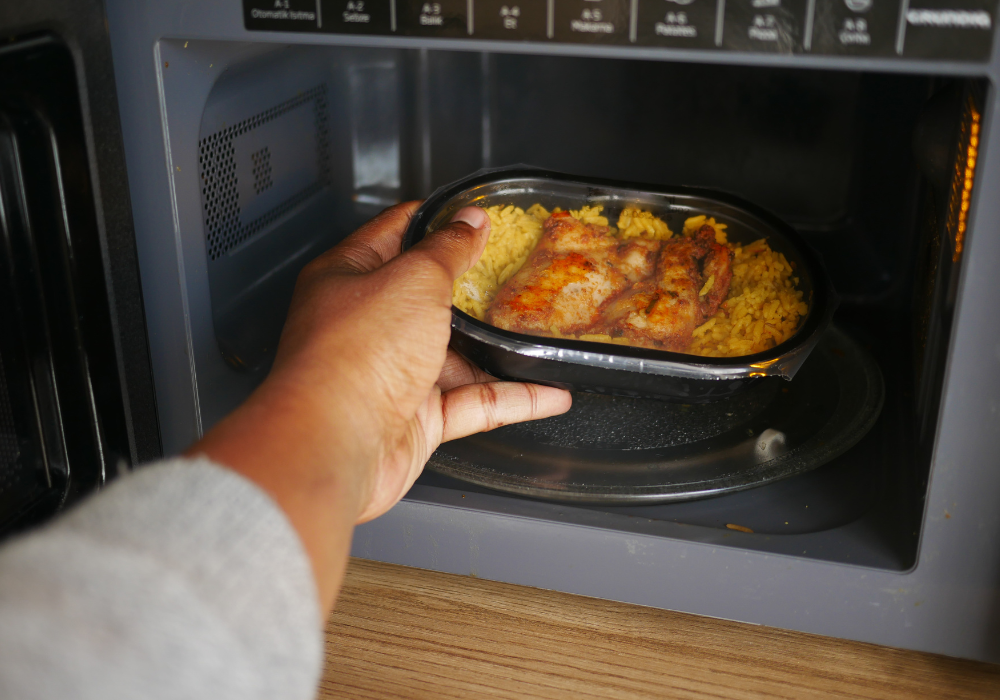
Why Scientists Say You Really Need to Stop Microwaving Food in Plastic

New research shows heat can release chemicals from plastic directly into your food.

©Image license via Canva

Most people don’t think twice before sliding a plastic container into the microwave. It feels harmless, routine, and built into modern life, especially when the container says it’s made for the job. That habit has been around for decades, largely because plastic promised speed and convenience at a time when few people questioned what heat might do to it.

Recently, however, scientists have started taking a closer look at that everyday ritual. Research compiled by groups such as the Food Packaging Forum and other peer-reviewed studies has examined how plastic food packaging behaves under real kitchen conditions, including microwaving.

Their findings suggest that heat can increase the movement of chemicals from plastic into food, prompting researchers to rethink assumptions about safety and long-term exposure.

Read more

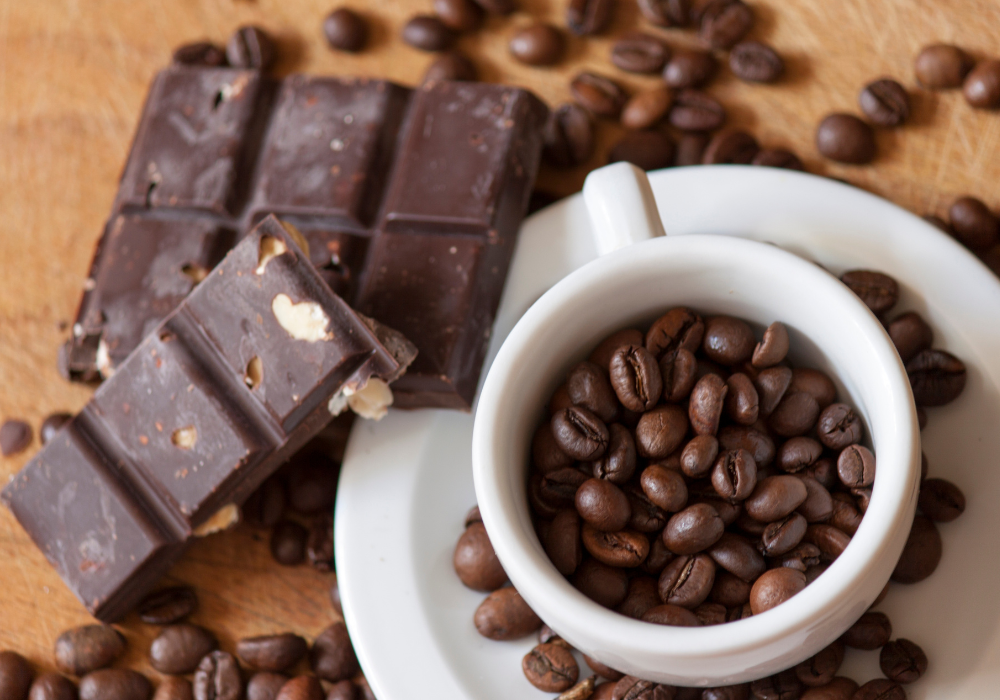
People Who Eat Chocolate and Drink Coffee May Be Aging More Slowly, Says New Study

New research links a shared compound in coffee and chocolate to signs of slower biological aging.

©Image license via Canva

Most people think of coffee and chocolate as simple pleasures—part of a morning routine or an occasional treat, not something that belongs in serious aging research. But a recent study conducted by researchers at the University of Bologna took a closer look at a naturally occurring compound found in both foods and uncovered an intriguing pattern.

By analyzing blood samples alongside biological aging markers, the research explored whether certain dietary compounds are linked to how quickly the body appears to age at a cellular level.

The findings don’t promise longevity or shortcuts to health, but they do suggest that everyday foods may quietly influence long-term aging in ways scientists are only beginning to understand.

Read more

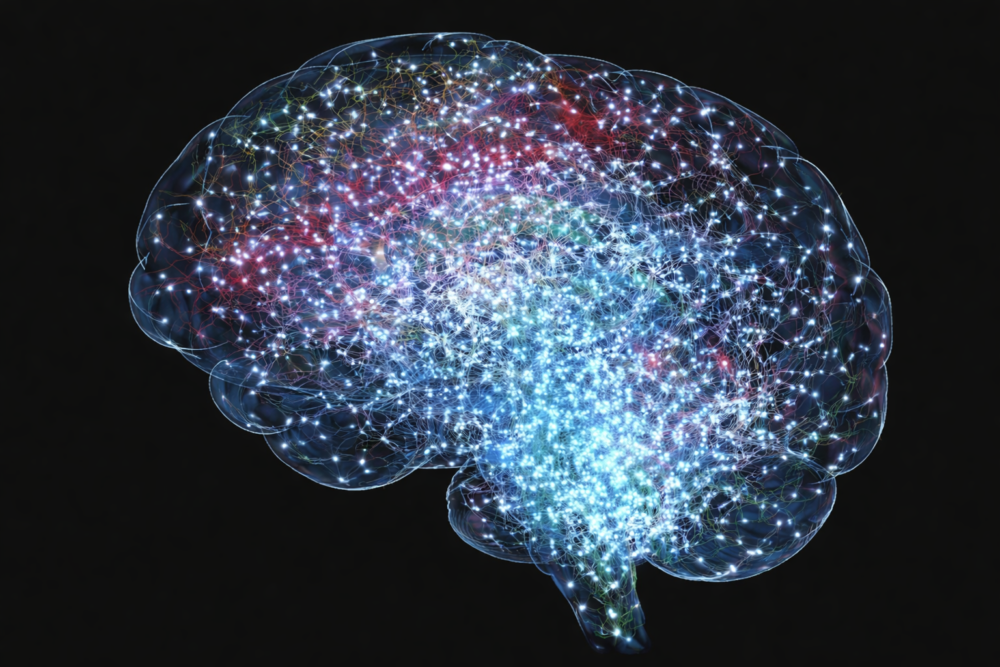
A Study Found a Way to Repair Alzheimer’s Damage in Mice — Not Just Slow It

By correcting a basic energy imbalance in the brain, researchers reversed memory and damage in mice.

©Image license via

Alzheimer’s disease is often described as a slow, irreversible decline, where treatments can only delay symptoms rather than repair damage. But new research is challenging that assumption by focusing on something more basic than plaques or proteins: energy inside brain cells.

Scientists studying Alzheimer’s-like disease in mice found that restoring a key energy molecule helped reverse memory problems and normalize damaged brain cells, even at advanced stages.

The findings don’t mean a cure exists, and they don’t apply directly to humans yet. But they do suggest the brain may be more resilient than once believed.

Click through and learn what researchers did, what they observed, and why this energy-focused approach is drawing serious attention.

Read more

What Happens to Your Sleep When You Spend the Night Under the Stars

One night outside can quietly shift how your body sleeps, and you may not notice it happening.

©Image license via Planet Sage/Chat GPT

Sleeping outside sounds like a novelty, something reserved for camping trips or childhood memories. But scientists who study sleep and circadian rhythms have found that even short exposure to natural light and temperature cycles can noticeably change how the body sleeps.

Research led by sleep scientist Kenneth Wright at the University of Colorado Boulder has shown that time outdoors can shift melatonin timing and improve alignment between the body clock and the natural day–night cycle.

That matters right now because modern indoor life keeps people surrounded by artificial light and controlled temperatures, both of which disrupt sleep.

Click through to learn what happens when you sleep outside and what science suggests the body may be responding to.

Read more