
Sudden flashes, blind spots, or zigzags don’t always come from your eyes.

If your vision suddenly flickers, blurs, or fills with shimmering shapes, it can feel frightening, especially if it happens without warning. Many people immediately worry about eye damage, a stroke, or something permanently wrong, because vision changes are hard to ignore and difficult to explain in the moment.
In many cases, the cause is not the eye itself. These strange visual effects can start in the brain and often fade on their own within a short period of time, leaving no lasting damage.
Knowing what an ocular migraine is, what it typically looks like, and how to respond can help you stay calm, protect yourself during an episode, and recognize when medical care is actually needed.
1. What an ocular migraine actually is
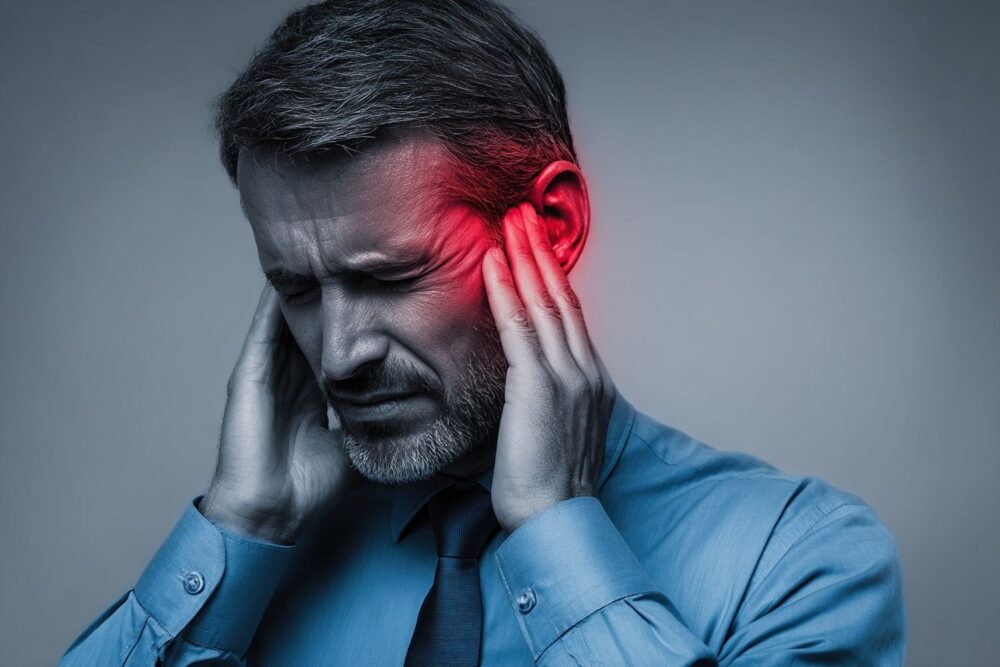
An ocular migraine is a neurological event that temporarily affects vision. It is linked to changes in brain activity, often involving blood flow or nerve signaling in areas that process sight.
Unlike classic migraines, ocular migraines may cause little or no head pain. The defining feature is visual disturbance, which can occur in one eye or across the visual field, depending on the type.
2. What people commonly see during an episode

Visual symptoms often start small and then spread. People report flashing lights, zigzag lines, shimmering arcs, blind spots, or patterns that look like static or cracked glass.
These effects usually move or change shape as the episode progresses. They can interfere with reading, driving, or focusing, which is why stopping what you’re doing is often necessary.
3. How long ocular migraines usually last

Most ocular migraines last between 10 and 60 minutes. The visual symptoms gradually build, peak, and then fade away.
Once the episode ends, vision typically returns to normal. Some people feel tired, sensitive to light, or mildly uncomfortable afterward, but there is usually no permanent vision loss.
4. Why they can happen without head pain

Many people associate migraines with intense headaches, but ocular migraines don’t always include pain. The visual symptoms can occur on their own.
This happens because the neurological changes affect visual processing areas without triggering the pathways that cause head pain. That pain-free presentation is one reason ocular migraines are often mistaken for eye problems or emergencies.
5. What to do the moment your vision starts acting strange

When visual symptoms begin, the safest step is to stop what you’re doing immediately. If you’re driving, pull over. If you’re working or walking, sit down somewhere stable and safe. Trying to push through an episode can increase risk, especially if your vision is partially blocked.
Move to a quiet, dim environment if possible. Bright lights, screens, and visual strain can make symptoms feel worse. Closing your eyes or covering them lightly may help reduce stimulation while the episode runs its course.
Stay calm and monitor the timing and symptoms. If vision returns to normal within an hour and no other symptoms appear, it is likely an ocular migraine. If symptoms worsen, last longer, or include weakness or confusion, seek medical care right away.
6. Common triggers doctors often point to

Ocular migraines can be triggered by stress, lack of sleep, dehydration, skipped meals, or sudden changes in routine. Bright or flickering lights are another common trigger.
Certain foods, caffeine changes, and hormonal shifts may also play a role. Triggers vary widely, which is why keeping note of patterns can be helpful.
7. How ocular migraines differ from eye problems

Eye conditions usually affect only one eye and do not produce moving or shimmering patterns. Ocular migraines often affect vision in a way that feels broader or more dynamic.
Covering one eye at a time during an episode can sometimes help determine whether the issue is neurological or eye-related, though this is not a substitute for medical evaluation.
8. When to be more cautious

If visual changes come with weakness, slurred speech, confusion, or severe headache, they should be treated as a medical emergency. These symptoms are not typical of ocular migraines.
First-time episodes, sudden changes in pattern, or symptoms lasting longer than an hour should also be evaluated by a healthcare professional to rule out other causes.
9. Who tends to experience ocular migraines
Ocular migraines can affect people of any age but are more common in adults with a history of migraines or sensitivity to visual triggers.
They may occur occasionally or recur over time. Some people experience them only a few times in their life, while others have more frequent episodes.
10. How doctors usually approach diagnosis

Diagnosis is often based on symptom history rather than a single test. Doctors look at how the visual changes start, spread, and resolve.
Eye exams or imaging may be used to rule out other conditions, especially if symptoms are unusual or concerning.
11. What most people should take away

Ocular migraines can look dramatic and feel alarming, but they are usually temporary and not dangerous on their own. Understanding what’s happening can reduce fear and help you respond appropriately.
Knowing when to rest, when to avoid risk, and when to seek care gives you control over a situation that often feels sudden and confusing the first time it happens.