Understanding the Threat of “Flesh-Eating” Parasites and How They Are Monitored

Flesh-eating parasites can cause serious skin damage, but global systems help track their spread.
©Image license via Planet Sage/Chat GPT

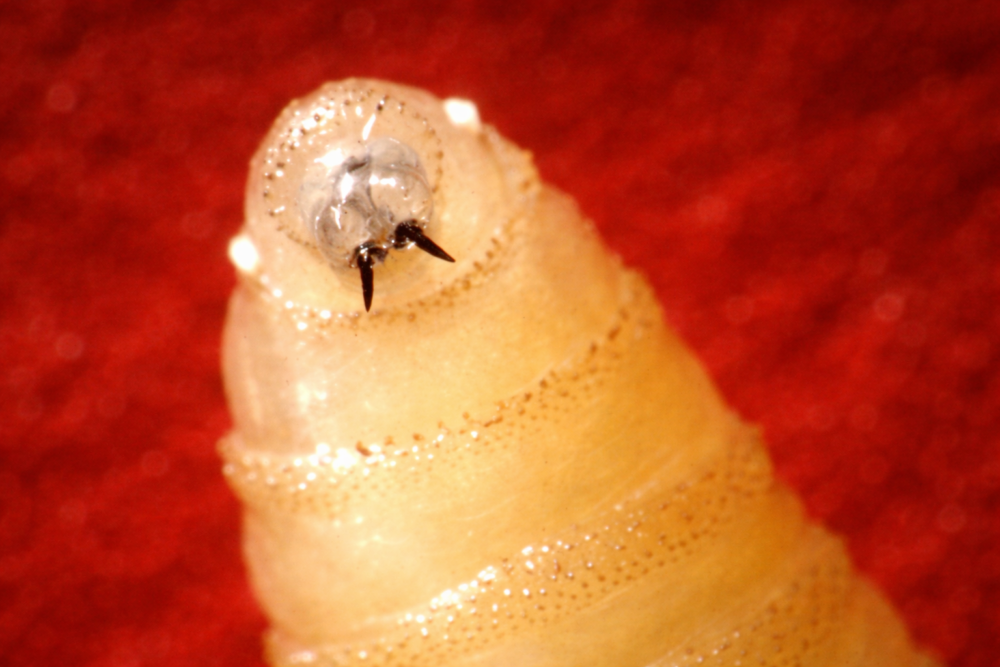
Flesh-eating parasites aren’t science fiction, but their name is more dramatic than medically accurate. These organisms, like those causing leishmaniasis, can destroy healthy tissue by disrupting the body’s own immune response.

They’re typically transmitted through insect bites and favor warm, humid environments. Public health organizations such as the CDC and World Health Organization monitor outbreaks through disease surveillance networks, which help track cases and identify emerging risks before they escalate into larger epidemics.


Read more

Girls Are Hitting Puberty Younger — Here’s What Science Says

What researchers are learning about the causes, risks, and long-term effects.

©Image license via Canva

More girls are showing early signs of puberty, sometimes as young as 8 or even younger, and it is leaving many families feeling caught off guard. Doctors have tracked a long-term shift toward earlier development, especially for breast development and first periods.

Researchers do not point to one single cause. Instead, they link the trend to a mix of factors like higher childhood body weight, stress, and possible exposure to hormone-disrupting chemicals, with patterns also shaped by environment and inequality.

Early puberty is not automatically dangerous, but it can raise real health and emotional risks. Knowing what is normal, what is early, and when to check in with a pediatrician can make the experience far less scary for kids and parents alike.

Read more

Why Millions of Your Mother’s Cells Continue to Live Inside You

Maternal cells can linger in your body for decades, shaping tissues and influencing immunity.

Home interior, mother and baby embrace, close-up composition, soft natural light, documentary style, people present.
©Image license via Canva

Inside most of us, a small population of our mother’s cells continues to live quietly. This biological phenomenon, known as microchimerism, begins during pregnancy when maternal cells cross the placenta and take up residence in the developing fetus. These cells can persist in the body for decades, often blending into tissues like the heart, liver, or brain. Research from institutions like UC San Diego and NASA continues to uncover their long-term effects on health.

Read more

What Scientists Understand About a Low-Calorie Sugar That Doesn’t Spike Insulin

A closer look at how certain sweeteners avoid raising insulin while still delivering sweetness

©Image license via Planet Sage/ChatGPT

Not all low-calorie sweeteners affect the body in the same way, especially when it comes to insulin response. Some alternatives, often used in drinks and packaged foods, show little to no effect on blood sugar or insulin levels. Scientists study how these compounds are absorbed and processed, noting differences in digestion, hormonal triggers, and even gut microbe activity. Understanding these distinctions can help people make more informed choices about sweeteners and metabolic health.

Read more

Millions of Americans Are About to Lose Health Coverage and Many Don’t Know It

A little-noticed change is setting off consequences few people are prepared for.

©Image license via Canva

For a while, health insurance felt unusually stable. Once people were enrolled, coverage often renewed automatically, and many assumed that meant they were safe. That sense of security lingered even as emergency rules quietly expired in the background.

What followed wasn’t a single cutoff or headline moment. It was a slow return to paperwork, deadlines, and eligibility reviews—steps that millions of families hadn’t dealt with in years. For many, the change went unnoticed until something went wrong.

Slide by slide, this story explains how millions have already lost coverage, why the fallout is still unfolding, and how ordinary families are getting caught in the gaps.

Read more

New Study Links Tattoos to Higher Risk of Skin Cancer

Tattoos might not be “just ink” once your skin starts changing.

©Image license via Canva

A tattoo can feel permanent in the best way, like a story you chose to wear. But a new wave of research is asking a slightly uncomfortable question: could tattoos also change your long-term skin cancer risk, especially melanoma?

The science is messy, not definitive, and honestly a little surprising. One Swedish study found a higher melanoma risk among tattooed people, while U.S. research hints heavy tattooing might even correlate with lower risk. That contradiction is where things get interesting.

Read more

Scientists Say Your Sense of Smell May Detect Death Before the Brain Does

Researchers uncover surprising links between smell and the body’s final signals.

Most of us think of death as something sudden or distant, an event that arrives without warning. But a growing body of research suggests the human body may begin sensing the end much earlier than we realize.

Scientists are finding that subtle biological signals can emerge well before obvious decline, and some of the earliest may involve changes in smell. It’s an unsettling idea, but one that highlights how closely our senses are tied to overall health.

Researchers say the nose, often overlooked, may detect internal shifts that signal the body is beginning its final transition long before consciousness fades.

Read more

A Strange “Third State” Between Life and Death Is Forcing Scientists to Rethink Consciousness

This in-between state challenges long-held ideas about where life truly begins and ends.

©Image license via Canva

Scientists are beginning to explore what some describe as a “third state” that exists between life and death, where cells remain active even after the body has stopped functioning. Research has shown that certain genes and cellular processes continue for hours, or even days, after death.

Some experts suggest this liminal phase could hold clues about consciousness and how life is defined at the cellular level. While highly debated, these findings challenge traditional views of where life ends—and hint at mysteries science is only beginning to uncover.

Read more

Is Waking Up at 5 a.m. Actually a Bad Idea?

Sleep science suggests early mornings don’t work the same way for everyone.

©Image license via Canva

Waking up at 5 a.m. has become trendy in productivity culture, but sleep and health experts say that early alarm isn’t a one-size-fits-all shortcut to a better day. Your body clock, known as your circadian rhythm, regulates sleep and wakefulness based on light exposure and genetics, and it doesn’t run the same for everyone.

Most adults are neither natural early birds nor perfectly matched to a pre-sunrise routine, so forcing a 5 a.m. start can lead to grogginess, lower performance, and even health problems when sleep is lost or mistimed.

Instead of fixating on a specific hour, experts recommend aligning your wake-up time with your biological rhythm, keeping it consistent each day, and making sure you actually get enough sleep.

Read more

Scientists Have Noticed These 10 Experiences People Report at the Moment of Death

Researchers say these shared experiences appear across cultures, ages, and medical settings.

©Image license via Canva

Near-death experiences often reveal a range of vivid sensations and perceptions occurring at the moment of death. These phenomena include seeing lights, feeling peace, or sensing loved ones, with explanations rooted in neurological activity.

The neuropsychology unit at the University of Southampton reports that such experiences reflect complex brain processes rather than purely supernatural events.

Understanding these reports helps clarify the interplay between consciousness and brain function as life ends, highlighting both biological and psychological factors involved.

Read more