
Advisers say the birth-dose proposal needs more review, leaving current vaccination practices unchanged for now.

A major change in U.S. vaccine policy is underway. In early December 2025, the CDC’s Advisory Committee on Immunization Practices (ACIP) voted to end its long-standing recommendation that all newborns receive a hepatitis B vaccine within 24 hours of birth. The panel concluded that for infants whose mothers test negative for the virus, vaccination should be a decision made between parents and physicians. While the vaccine remains recommended for babies born to mothers who have hepatitis B or whose status is unknown, the shift marks one of the most significant reversals in modern childhood immunization guidance.
1. The Universal Birth Dose Has Been Removed

The ACIP vote ends the automatic practice of giving every newborn a hepatitis B shot before discharge from the hospital. Instead, parents and healthcare providers will now decide whether to give the birth dose or delay vaccination until two months of age. Babies whose mothers test positive for hepatitis B, or whose test results are unavailable, will still receive the vaccine immediately after birth.
This marks a significant shift from the nearly three-decade standard of universal newborn vaccination. The change affects the majority of U.S. infants, since most mothers test negative for hepatitis B. Hospitals are now preparing for varied approaches based on parental choice and clinical guidance.
2. Why the Committee Reconsidered the Long-Standing Policy

Committee members noted that most pregnant individuals receive prenatal screening for hepatitis B, making the immediate birth dose less necessary for many infants. They also pointed out that several high-income countries use a risk-based approach rather than universal vaccination at birth, relying on strong prenatal testing and follow-up systems.
Importantly, the committee did not cite new safety concerns related to the vaccine. Instead, the change reflects shifting attitudes toward parental decision-making and reconsideration of long-standing recommendations. The move has generated debate among medical experts who say the decision was not driven by new scientific evidence.
3. The Old Policy Nearly Eliminated Infant Hepatitis B

When universal newborn hepatitis B vaccination was adopted in the U.S. in the early 1990s, infant and childhood infections dropped by more than 90%. This dramatically reduced long-term risks of liver disease, cirrhosis, and liver cancer associated with chronic hepatitis B infection. Public health officials widely consider the policy one of the most successful immunization efforts of its era.
Because the birth dose offered immediate protection regardless of a mother’s testing status or follow-up care, it acted as a crucial safety net. Many experts worry that removing a universal approach could undo decades of progress, particularly in communities with inconsistent access to prenatal care.
4. Delaying Vaccination May Increase Infection Risk

Infants who acquire hepatitis B at birth or early childhood have a very high likelihood of developing lifelong chronic infection. Without the birth-dose vaccine, babies may be more vulnerable if a mother’s hepatitis B test was falsely negative or if she becomes infected late in pregnancy. These rare but documented cases pose serious long-term health risks.
Chronic hepatitis B infection in infants can lead to severe complications later in life, including liver scarring and cancer. Critics of the new policy warn that even small increases in early infections could have long-term consequences for public health.
5. Medical Organizations Have Been Quick to Respond

Many pediatricians, infectious-disease specialists, and medical associations expressed concern about the vote. They argue that the universal birth dose was a cornerstone of infant health protection and that removing it may create confusion for families and healthcare providers. Without clear national standards, they fear inconsistencies in care may emerge.
Some experts also worry that changing a long-standing guideline without new scientific findings could undermine public trust in vaccination. They emphasize that the hepatitis B vaccine remains safe, effective, and essential for preventing infections in early life.
6. Parents Now Need to Make a More Informed Choice

With the universal recommendation removed, parents must now discuss hepatitis B vaccination timing with their healthcare providers. Families will need to review prenatal test results, assess potential risks, and determine whether to give the birth dose or begin the series later in infancy. This places more responsibility on parents to understand the implications of delaying the vaccine.
Medical professionals emphasize that the vaccine itself has not changed and remains an important part of the childhood immunization schedule. The decision simply shifts from automatic to selective, depending on family preference and clinical guidance.
7. Experts Warn the Decision May Widen Health Gaps

Public-health leaders caution that the new policy could disproportionately affect families who face barriers to prenatal care or lack consistent pediatric follow-up. These groups were historically protected by the universal birth dose, which ensured that all infants received early immunity regardless of circumstances.
Because hepatitis B can spread unknowingly during late pregnancy or early childhood, uneven vaccination practices may lead to higher infection rates in underserved communities. Critics say the change could unintentionally deepen existing health disparities across the country.
8. The U.S. Now Moves Closer to International Models

Several developed countries already use a risk-based approach to newborn hepatitis B vaccination, relying on strong screening systems and scheduled follow-up appointments. By removing universal birth vaccination, the U.S. aligns more closely with these models, though experts note that international health systems differ significantly in structure and access.
Supporters of the change argue that targeted vaccination remains effective when prenatal screening is reliable. Opponents counter that screening and follow-up in the U.S. are inconsistent across regions, making a universal approach more protective in practice.
9. The Policy Still Requires Final Approval
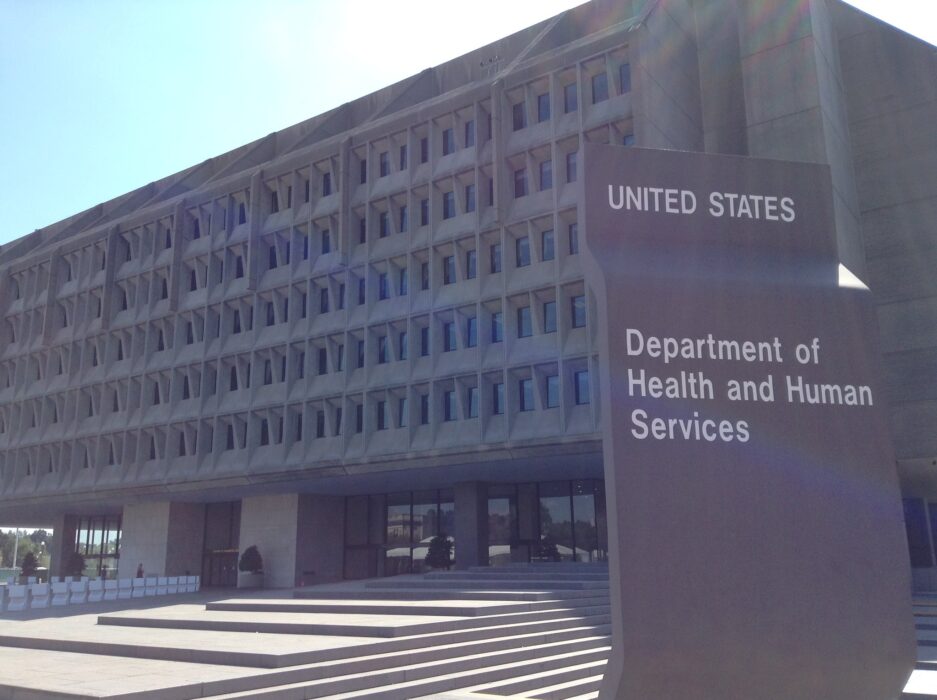
Although ACIP sets national immunization recommendations, its decisions are not binding until formally accepted by the CDC or the Department of Health and Human Services. Until that approval occurs, hospitals may continue following previous guidance. The possibility of revisions or delays remains as public response grows.
Some states may adopt their own guidelines regardless of federal recommendations. State-level health departments have the authority to maintain universal newborn vaccination requirements based on local needs and public-health priorities.
10. The Decision Reflects Broader Vaccine Policy Changes

The shift comes during a period of reevaluation within federal immunization policy. Several long-standing vaccine recommendations are under review, and the hepatitis B decision is part of this broader reconsideration. The change has renewed debates about how much influence parental autonomy, scientific evidence, and political pressures should have in shaping national health guidelines.
Because no new safety concerns prompted the removal of the universal birth dose, many experts view this as a precedent-setting moment that could impact future vaccine policies across childhood schedules.
11. Parents Should Stay Informed and Consult Their Physicians

Expectant parents are encouraged to discuss the timing of hepatitis B vaccination with their healthcare providers well before delivery. Understanding personal medical history, prenatal testing, and possible risk factors is essential for making an informed choice. Providers can explain the benefits of early protection and the implications of delaying the vaccine.
Because guidance may evolve as the CDC reviews the committee’s vote, staying updated through reputable medical sources is important. Clear communication with pediatricians ensures that infants receive timely and appropriate protection based on the latest recommendations.