Scientists Discover a Compound That Could Turn Back the Clock on Your Immune System

A natural compound linked to gut bacteria may help rejuvenate aging immune cells, scientists say.

©Image license via Planet Sage/Chat GPT

Scientists have identified a natural compound called urolithin A that may help reverse signs of immune aging, offering a promising new path for keeping the body’s defenses strong as we get older. The compound, which forms in the gut when certain foods are digested, appears to restore energy and function in T cells that weaken with age. While research is still early, the findings suggest it may be possible to “recharge” older immune cells and help the body respond better to infections, vaccines, and disease.

Read more

What Happens at Ages 9, 32, 66 and 83? Inside the Brain’s Lifespan Map

Scientists say the brain hits four major wiring shifts that shape how we think, age, and adapt.

©Image license via Canva

Researchers studying thousands of brain scans have identified four key ages when the brain undergoes major wiring changes: 9, 32, 66, and 83. These transitions mark turning points in how the brain organizes information, forms connections, and supports thinking, memory, and emotional control. While each age reflects a different stage of development or aging, the findings show that the brain continues changing throughout life rather than following a steady decline. Scientists say understanding these milestones may help explain why certain abilities sharpen or fade at specific ages.

Read more

A Common Virus Infects Nearly Everyone — And Scientists Say It May Trigger Lupus

New research suggests a near-universal virus may play a surprising role in the autoimmune disease lupus.

©Image license via Canva

Nearly everyone becomes infected with Epstein–Barr virus at some point in life, usually without serious symptoms. But new research indicates this incredibly common virus may play a key role in triggering lupus, a chronic autoimmune disease that affects millions worldwide. Scientists have discovered molecular interactions showing how EBV can disrupt the immune system and potentially set the stage for autoimmunity. While the virus alone does not cause lupus, the emerging connection is giving researchers new clues about how the disease develops and who may be at higher risk.

Read more

Scientists May Have Discovered How to Reverse Kidney Damage—And It Could Change Everything

Researchers are uncovering new ways to repair kidney tissue once believed to be permanently damaged.

©Image license via Canva

Kidney disease has long been considered progressive and irreversible, but recent studies in regenerative medicine, stem cell biology, and molecular repair pathways are challenging that belief. Scientists have identified mechanisms that help damaged kidney cells heal, regenerate, or regain some function—findings first demonstrated in laboratory settings and early-stage research. While no cure exists yet, these discoveries could pave the way for future treatments that slow, stop, or even partially reverse kidney damage in patients.

Read more

Woman Born Missing Most of Her Brain Just Turned 20 — Defying Every Medical Expectation

Doctors said she wouldn’t survive infancy. Two decades later, her journey is rewriting what we know about a rare brain condition.

©Image license via Canva

A young woman from Nebraska has reached her 20th birthday despite being born with hydranencephaly, a rare condition in which most of the brain’s cerebral hemispheres are absent and replaced by fluid. Doctors predicted she would not live past a few months, yet she continues to surpass every expectation. With much of her survival tied to her intact brainstem and cerebellum, her story is offering new insight into the human brain’s resilience and raising awareness of this extraordinarily rare condition.

Read more

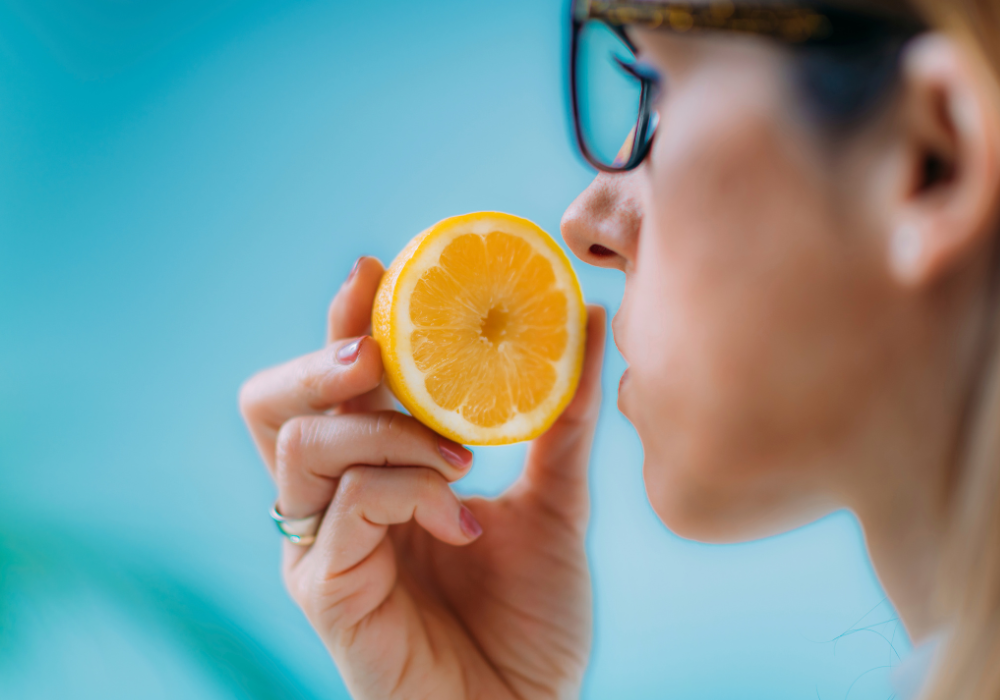
Your Sense of Smell Could Predict How Long You’ll Live, New Study Finds

Scientists say that a declining sense of smell in older adults may signal hidden health risks long before other symptoms appear.

©Image license via Canva

A surprising new study has found that your nose might know more about your health than you think. Researchers discovered that older adults with a poor sense of smell were significantly more likely to die within the following decade than those with normal olfactory function. Scientists believe smell loss could be an early warning sign of underlying issues—from neurodegenerative diseases to general aging of the nervous system—making it a powerful yet overlooked predictor of overall longevity.

Read more

Amish Kids Hardly Ever Have Allergies—Here’s the Surprising Reason Why

Scientists say growing up close to farm animals may help protect Amish children from allergies.

©Image license via Public Domain Pictures

A study led by researchers at the University of Chicago and published in The New England Journal of Medicine helped explain why Amish children rarely develop allergies or asthma. The team compared Amish kids with those from a similar farming community, the Hutterites, and found key immune differences. Early exposure to barn dust and animal microbes appeared to strengthen the Amish children’s immune systems, teaching their bodies to tolerate allergens that trigger reactions in most people today.

Read more

The Shingles Vaccine Isn’t Just for Rashes — It Could Protect Your Heart and Brain

A new study reveals the shingles shot may lower the risk of stroke, heart disease, and even dementia.

©Image license via Canva

The shingles vaccine was designed to prevent a painful viral rash that strikes millions of older adults. But scientists now say it may deliver a far greater benefit than anyone expected. A new large-scale study found that people who received the shingles shot had a significantly lower risk of heart attacks, strokes, and certain types of dementia in the years that followed. Researchers believe the vaccine may reduce inflammation that contributes to cardiovascular and neurological decline. If confirmed, the discovery could reshape how doctors view one of medicine’s most overlooked vaccines.

Read more

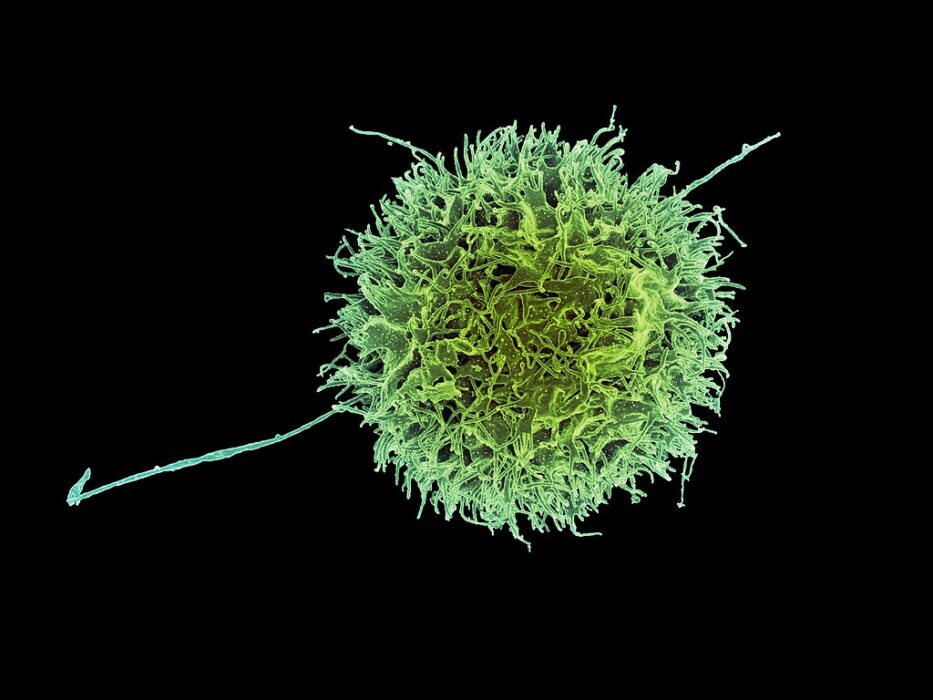
Scientists Uncover a ‘Natural Cancer Killer’ That Outperforms Standard Therapy

Researchers at MIT and Harvard show donor “natural killer” cells outperform conventional therapies in early cancer trials.

©Image license via Wikimedia Commons

In a breakthrough study led by Massachusetts Institute of Technology and Harvard Medical School researchers, “natural killer” (NK) cells—enhanced immune cells taken from healthy donors—demonstrated superior tumor-killing ability and a safer profile compared with standard treatments in animal models. The team modified the NK cells so they escaped rejection and targeted cancer more precisely. Published in 2025, the work builds on more than 600 NK-cell clinical trials and signals a major shift in cancer immunotherapy.

Read more

You’re Getting Plenty of Protein — Here’s What You’re Missing

Scientists say the real key to better health isn’t more protein — it’s balancing the right amino acids.

©Image license via Canva

Protein is one of the most talked-about nutrients in modern diets — and one of the most misunderstood. While most adults consume more than enough of it each day, new research shows that what kind of protein matters just as much as how much. Scientists studying amino acid balance have found that a poor mix of proteins — heavy on some types, lacking in others — may hinder muscle repair, metabolism, and even longevity. The finding challenges the “more is better” mindset and suggests that a smarter balance could be the real secret to better health.

Read more