You’re Having a Heart Attack Alone — Here’s What Doctors Say You Must Do Immediately

Cardiologists say panic and hesitation kill more people than the heart attack itself — timing is everything.
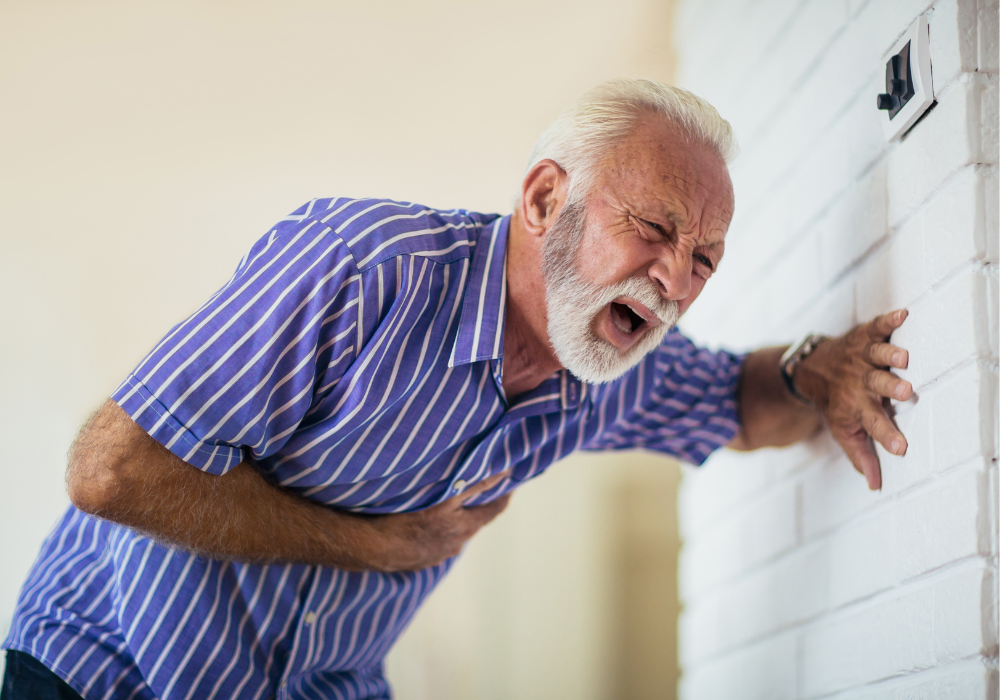
©Image license via Canva

Chest pressure, dizziness, or a tightening sensation that won’t go away — you know something’s wrong, and no one’s around to help. Experts say this is the most dangerous scenario a person can face, because hesitation costs lives. A heart attack cuts off oxygen to the heart muscle, and within minutes, that damage can become irreversible. Cardiologists stress that survival depends on three things: recognizing the symptoms, calling for help immediately, and taking the right actions while you wait. Those crucial first moments can make the difference between recovery and cardiac arrest.

Read more

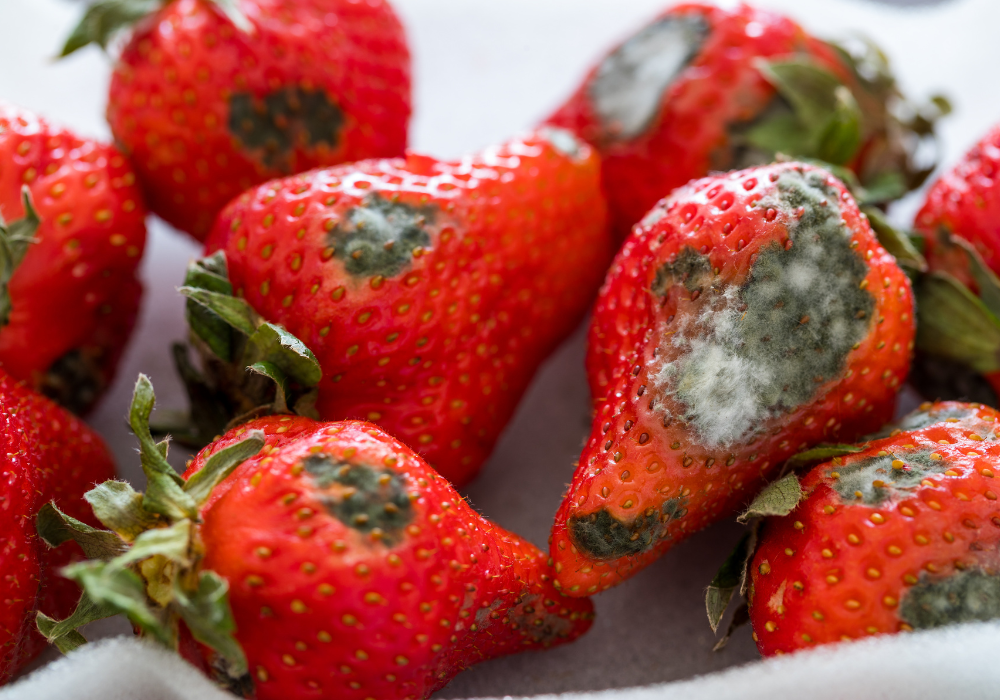
Think You Can Just Cut Off the Mold on Food? Science Says It’s Not Always That Simple

Experts say cutting off the fuzzy part doesn’t always make food safe — here’s what science actually shows.

©Image license via Canva

When you spot a patch of mold on bread, fruit, or cheese, it’s tempting to just slice it off and keep eating. But toxicologists say that’s not always safe — and in some cases, it can be downright dangerous. Mold doesn’t just grow on the surface; its roots can spread deep into food, carrying invisible toxins. A new Live Science interview explains which foods are fine to salvage and which are better off in the trash.

Read more

People Who Died and Came Back Describe What They Saw on the Other Side

From peaceful light to total darkness, survivors describe what they experienced after their hearts stopped.

©Image license via Canva

It’s one of humanity’s deepest questions — what happens when we die? People who have briefly crossed that line and returned say the experience is nothing like what they expected. Some recall overwhelming peace or bright light, while others describe darkness, confusion, or vivid sensations of leaving their bodies. Doctors call these “near-death experiences,” and while science has theories, no one fully understands why they feel so real. Here’s what those who’ve died — and come back — remember most.

Read more

The Italian Eating Habits That Help You Stay Slim Without Counting Calories

Forget fad diets—Italy’s slow, structured approach to meals could be the secret to lasting weight control.

©Image license via Canva

Italians have long been admired for their effortless relationship with food—enjoying pasta, wine, and dessert without the guilt or constant calorie counting. But their secret isn’t about restriction; it’s about rhythm. Studies show that Italians tend to eat on a consistent schedule, savor meals slowly, and avoid the all-day snacking common elsewhere. These habits help regulate hunger, improve digestion, and naturally limit overeating—offering a balanced, sustainable approach to eating that keeps both body and mind satisfied.

Read more

Heat Waves Are Causing a Surge in Chronic Kidney Disease, Scientists Say

Doctors are sounding the alarm as rising global temperatures put millions of outdoor workers at kidney risk.

©Image license via Canva

A new wave of research reveals that extreme heat exposure is causing a silent but growing epidemic of chronic kidney disease among outdoor workers. From Central America’s sugarcane fields to construction sites across the southern United States, doctors are seeing alarming rates of kidney damage linked to heat stress and dehydration. Scientists warn that as global temperatures rise, millions more laborers could face permanent health consequences — making this one of climate change’s most urgent human impacts.

Read more

New Cancer Vaccine Stops Multiple Tumor Types in Mice—And Doctors Are Paying Attention

A new experimental vaccine blocked several aggressive cancers in mice, raising hope for future human use.

©Image license via Canva

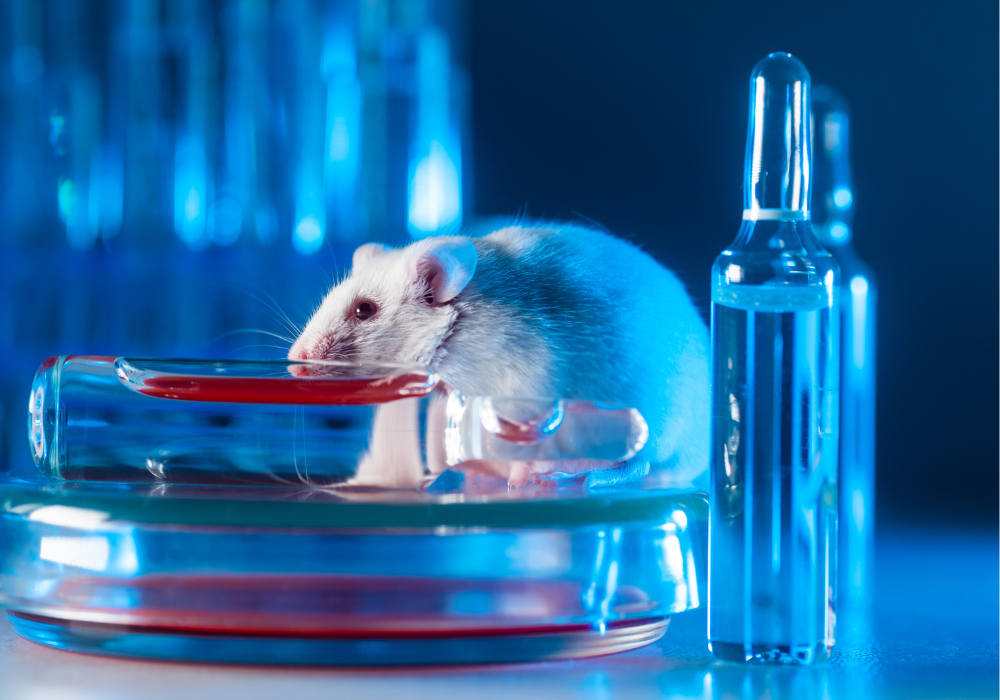
Researchers at the University of Massachusetts Amherst have developed an experimental cancer vaccine that successfully prevented multiple tumor types in mice. The shot uses biodegradable nanoparticles to deliver tumor-specific antigens, teaching the immune system to recognize and destroy emerging cancer cells. In preclinical trials, it protected mice from melanoma, pancreatic cancer, and triple-negative breast cancer. While the results are preliminary, scientists say the breakthrough could pave the way for a universal cancer-prevention vaccine in the future.

Read more

When Clocks ‘Fall Back’ an Hour, Here’s How It Quietly Messes With Your Body

That extra hour may feel harmless, but scientists say the time change can disrupt your body in surprising ways.

©Image license via Canva

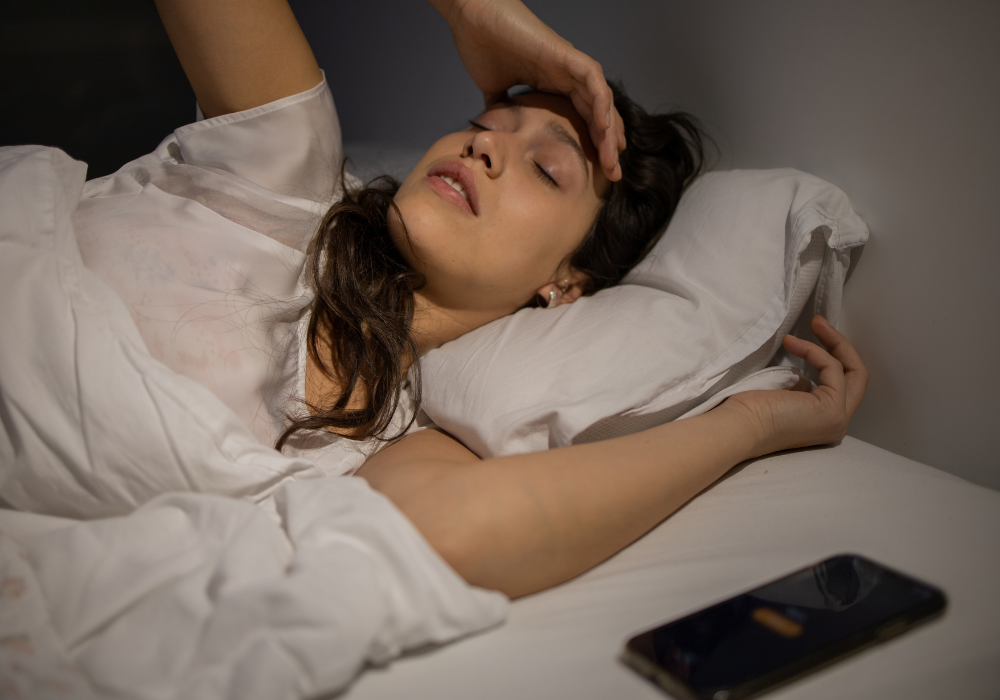
As daylight saving time ends, millions of Americans will turn their clocks back one hour and enjoy what feels like an extra hour of sleep. But sleep experts say the shift isn’t as harmless as it seems. Even a one-hour change can throw off your circadian rhythm, affect heart health, and alter your mood for days. While most people adjust quickly, scientists warn that the “fall back” transition still takes a measurable toll on the human body.

Read more

Food Allergies Are Soaring — How Science Is Racing to Keep Up

Researchers are uncovering why food allergies are rising and testing new ways to prevent and treat them.

©Image license via Canva

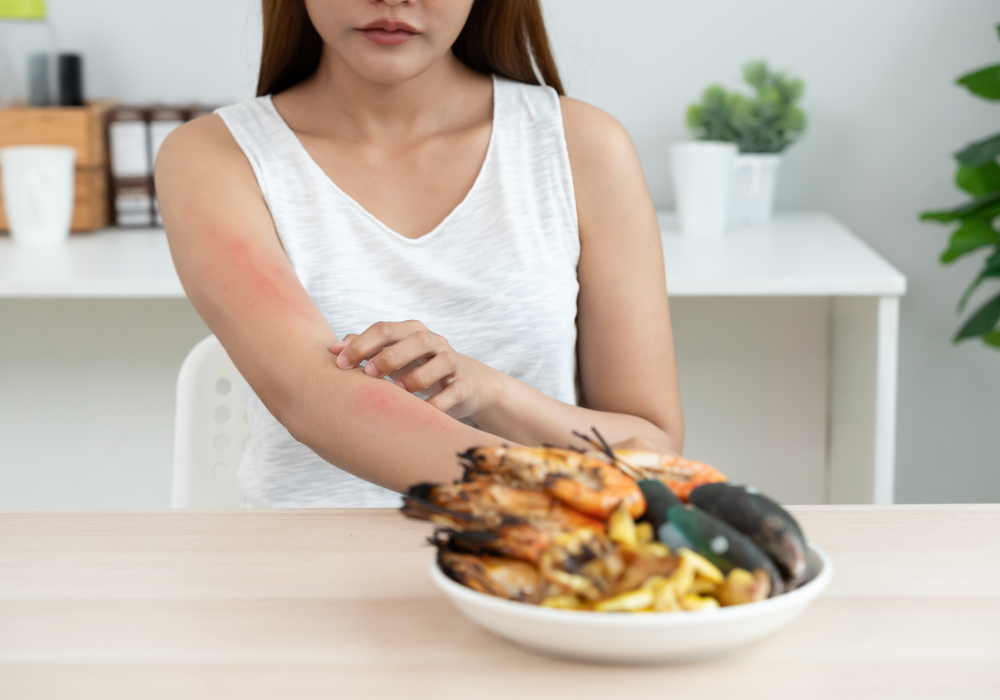
Food allergies are on the rise worldwide, affecting millions more people than ever before — especially children. Scientists say environmental changes, altered gut microbiomes, and reduced early exposure to certain foods may be driving the surge. In response, researchers are developing new therapies, from oral immunotherapy and biologic drugs to early-introduction guidelines for infants. The growing body of research offers hope that science can slow — and perhaps one day reverse — this alarming upward trend.

Read more

Pancreatic Cancer Breakthrough: Experts Tie the Disease to This Common Lifestyle Factor

A new study finds a strong link between pancreatic cancer risk and a lifestyle factor most people overlook daily.

©Image license via Canva

In the landmark study titled Oral Microbiome Composition Linked to Pancreatic Cancer Risk, researchers followed 122,000 participants over nearly nine years and found that specific oral bacteria and fungi were tied to a significantly increased risk of developing pancreatic cancer. The team identified three key periodontal pathogens—and dozens of other microbial species—that were present years before diagnosis. This discovery reveals how everyday oral health may play a deeper role in cancer prevention than previously understood.

Read more

The Hidden Ways Climate Change Is Making Us More Susceptible to Illness

Scientists say rising heat, pollution, and stress on the planet may weaken immune responses, increasing disease risk.

©Image license via Canva

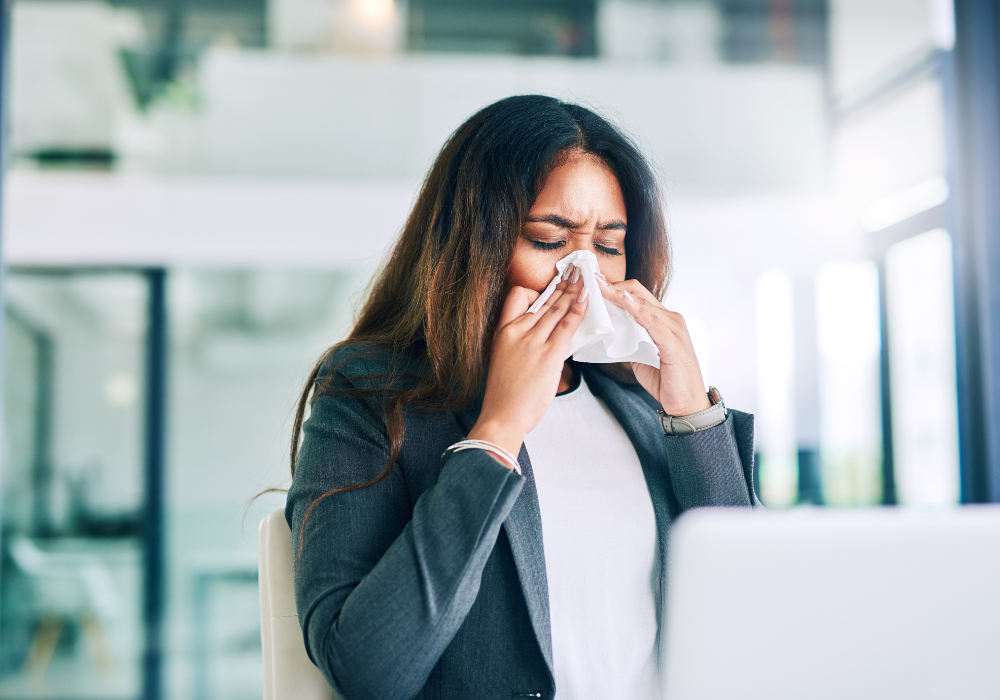
Climate change isn’t just reshaping the planet—it’s affecting our bodies in ways scientists are only beginning to understand. New research shows that rising global temperatures, worsening air pollution, and changes in ecosystems are weakening the human immune system. Heat stress, nutrient loss in crops, and exposure to new pathogens all play a role. Experts warn this could make populations more vulnerable to infections, allergies, and chronic illness as the planet continues to warm.

Read more