
That extra hour may feel harmless, but scientists say the time change can disrupt your body in surprising ways.

As daylight saving time ends, millions of Americans will turn their clocks back one hour and enjoy what feels like an extra hour of sleep. But sleep experts say the shift isn’t as harmless as it seems. Even a one-hour change can throw off your circadian rhythm, affect heart health, and alter your mood for days. While most people adjust quickly, scientists warn that the “fall back” transition still takes a measurable toll on the human body.
1. Your Internal Clock Gets a Surprise
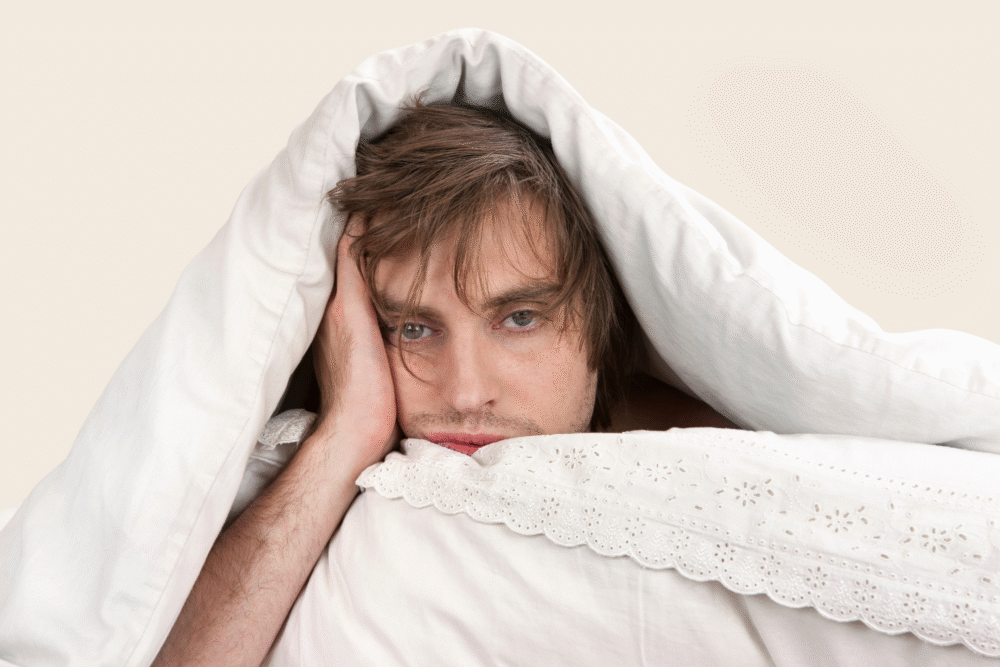
When clocks fall back, that extra hour doesn’t automatically sync with your body’s circadian rhythm. Your internal clock still runs on the old schedule, regulating sleep, hormone release, and alertness based on sunlight rather than the numbers on a clock.
Because morning light arrives later by the new time, your body’s cues for waking and sleeping become misaligned. This mismatch can leave you groggy in the morning or wide awake at night for several days until your biological clock adjusts to the seasonal shift.
2. Early Rising May Feel Easier, But Not Always

At first, the time change feels like a gift—an extra hour of sleep that makes waking up seem effortless. But the effect is temporary. Your body’s sleep-wake rhythm still expects the old schedule, which can cause you to feel slightly off once the novelty wears off.
Many people notice subtle fatigue or irritability as their body’s internal timing catches up with the new daylight cycle. This small shift can also affect concentration and reaction time, especially in the first few mornings after the switch.
3. Evening Darkness Comes Earlier for Your Body

Once clocks fall back, darkness descends earlier than your body anticipates, tricking your internal rhythm into thinking it’s later than it really is. This early onset of darkness can shift melatonin release, making you feel sleepy sooner than usual.
As evening light disappears, energy levels dip earlier in the day. For many, this change disrupts dinner routines, exercise habits, and even social activities. The combination of shorter daylight and earlier nightfall can also set the stage for mild mood changes or seasonal fatigue.
4. Your Sleep Quality May Drop Even With More Time in Bed
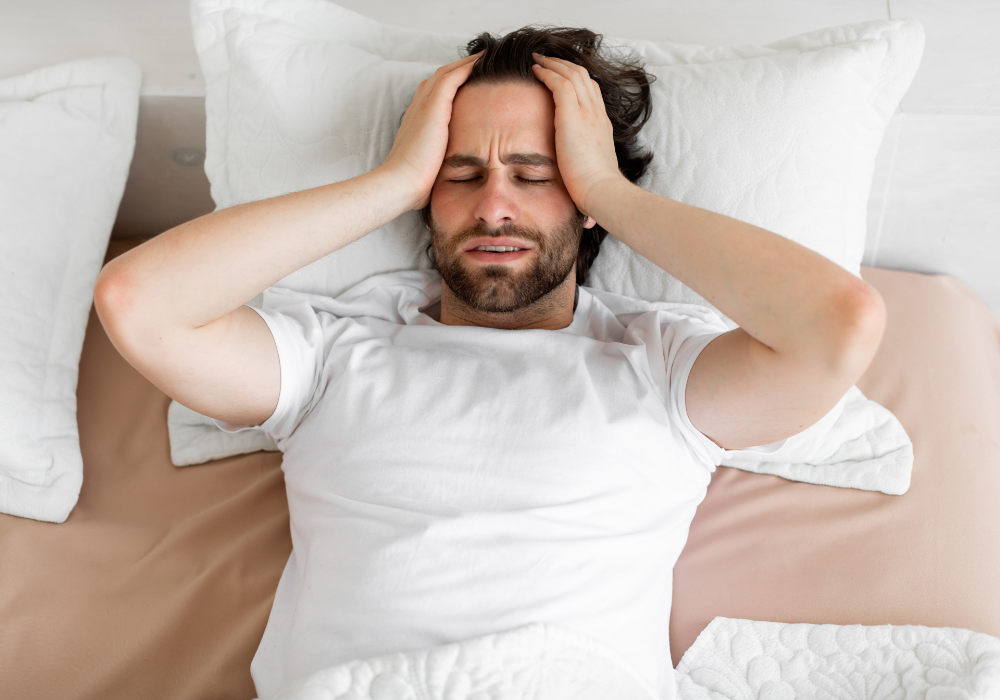
It might seem that gaining an hour means better sleep, but quality often suffers. Your body’s clock resists abrupt shifts, which can make it harder to fall asleep or stay asleep through the night. Even subtle disruptions can fragment rest or cause lighter sleep cycles.
In the days after the switch, your brain struggles to coordinate its timing with external cues, resulting in less efficient rest. For many people, this creates a short-lived phase of tossing, turning, and waking up at odd hours despite technically getting more sleep.
5. Mood and Mental Health Can Be Affected

The shorter days and darker evenings after the time change can subtly affect mood. Reduced light exposure impacts serotonin levels and can heighten irritability, sadness, or sluggishness in some people, particularly those vulnerable to seasonal affective disorder.
This effect is most noticeable in the first week after clocks fall back. Even small disruptions to the sleep-wake cycle can influence emotional balance. Experts suggest getting morning sunlight, maintaining consistent routines, and exercising to counteract the physiological slowdown that accompanies the sudden loss of evening daylight.
6. Small Impacts on Cardiovascular Health Have Been Noted

Research shows that abrupt changes to sleep and daily timing can momentarily stress the cardiovascular system. Although the fall transition is less risky than spring’s “loss” of an hour, even small disruptions can affect heart rate, blood pressure, and inflammation.
In the days following the time change, studies have observed slight increases in hospital visits for cardiac issues, especially among those with preexisting conditions. While these effects are short-term, they underscore how finely tuned the body is to consistency—and how even one-hour shifts can momentarily throw it off balance.
7. Cognitive Performance Can Dip Temporarily

The brain depends on steady circadian rhythms for focus and memory, and when those rhythms are disrupted, attention and reaction time can drop. This makes it more difficult to stay alert during tasks that require concentration, especially early in the day.
The adjustment period after clocks fall back mimics mild jet lag. For workers, students, and drivers, that can mean slightly slower responses and lapses in focus. Within a few days, the brain typically recalibrates, but until then, many people experience subtle dips in cognitive performance.
8. Shift Workers and Sleep-Deprived Individuals Are Especially Vulnerable

People who already have irregular schedules—such as shift workers or chronic short sleepers—feel the effects of the time change more intensely. Their circadian systems are already strained, so an added disruption can worsen fatigue and reduce sleep efficiency.
Even though the clock grants an extra hour, many don’t use it for rest. Instead, inconsistent timing magnifies the body’s stress response and can increase irritability, slow recovery, and affect work accuracy. For these groups, adaptation often takes longer and demands more careful sleep routines.
9. Your Body’s Systems Work Less Efficiently for a Few Days

The circadian clock doesn’t only control sleep—it regulates digestion, metabolism, and hormone balance. When time abruptly shifts, these internal systems lose coordination temporarily, creating short-lived inefficiencies across the body.
Some people notice increased hunger, indigestion, or changes in appetite as their body adjusts. Others experience minor fatigue or dips in energy. These effects usually resolve within a week as the body’s master clock synchronizes again with light cues, restoring normal physiological balance.
10. Morning Sunlight Becomes the Key to Adjustment

After the time change, morning sunlight becomes the single most powerful cue for resetting your biological clock. Exposure to natural light early in the day helps recalibrate circadian rhythms and improve alertness.
Experts recommend stepping outside soon after waking, keeping blinds open, and avoiding bright screens before bed. These habits strengthen your body’s light-dark cues, helping it adapt faster to the seasonal shift and minimize the fatigue and mood dips that can follow the fall-back transition.
11. Health Experts Say Ending Time Changes Could Help
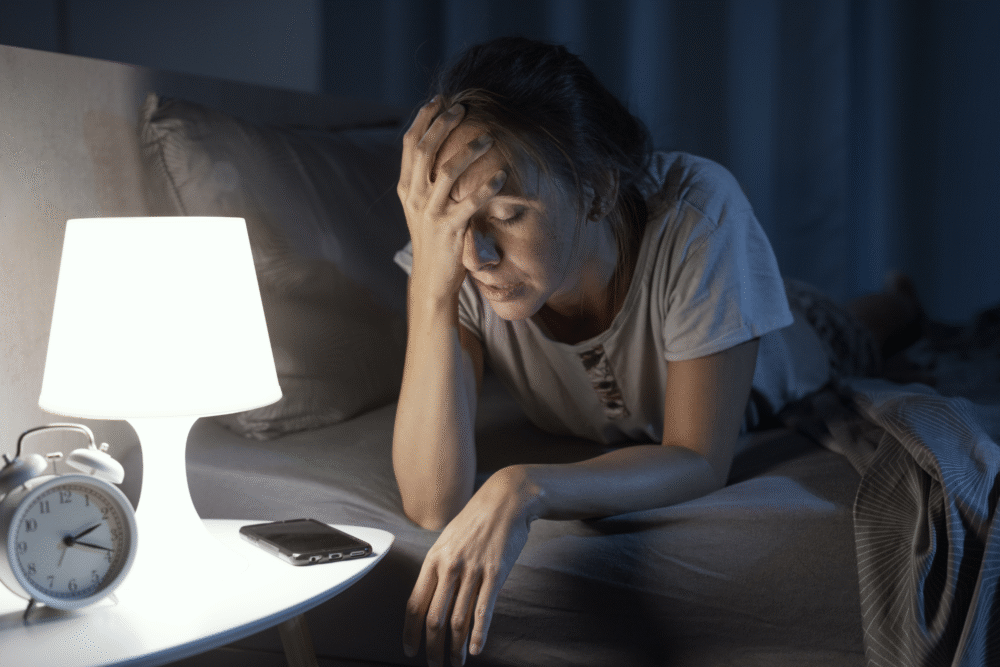
Many researchers and medical organizations argue that biannual clock changes cause needless stress on public health. Even minor disruptions in sleep timing have been linked to increased risks of accidents, heart problems, and mental fatigue.
Advocates for eliminating the time change say permanent standard time better aligns with natural light patterns and supports healthier sleep. Maintaining a consistent clock year-round could reduce these recurring adjustment effects and improve well-being across the population.
12. Most People Adjust, But Awareness Still Matters

For most healthy adults, the discomfort from falling back lasts only a few days, but paying attention during that transition is important. Understanding how the shift affects mood, focus, and sleep can help you plan around it.
Experts recommend keeping a steady bedtime, limiting caffeine late in the day, and getting outside during daylight hours to help your body adapt. Even a one-hour shift is enough to remind us how sensitive our internal clocks are—and how much consistency matters for overall health.