Deforestation Isn’t Just Killing Trees—It’s Fueling a Global Health Crisis

Scientists warn that deforestation is increasing disease outbreaks by disrupting ecosystems and driving wildlife closer to humans.
©Image license via Canva

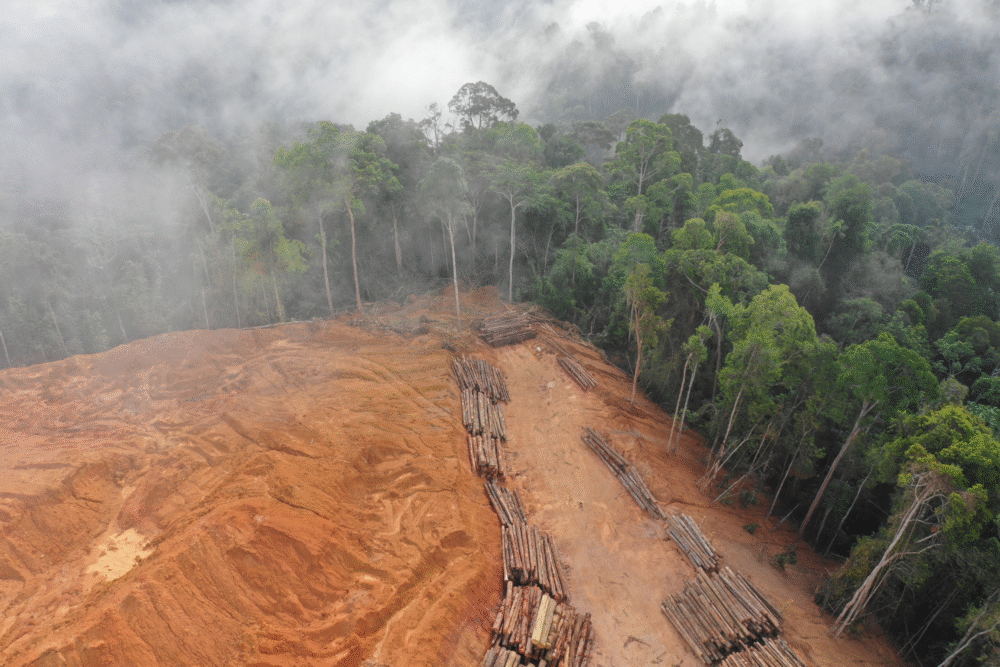
As forests disappear, scientists say the risks to global health are growing. Deforestation doesn’t just destroy habitats—it alters the balance between humans, animals, and pathogens. Studies show that clearing forests for agriculture and development exposes people to new diseases carried by displaced wildlife, including viruses linked to Ebola, malaria, and COVID-like outbreaks. Combined with loss of biodiversity and rising temperatures, these changes are creating the perfect conditions for future pandemics and worsening public health crises worldwide.


Read more

You’re Not Just Tired — Climate Change Is Rewiring Your Body Clock

Scientists say rising temperatures and shifting seasons are quietly throwing our bodies out of rhythm.

©Image license via Canva

If you’ve been feeling unusually tired, anxious, or out of sync, the planet’s changing climate may be partly to blame. Scientists are finding that warmer nights, longer summers, and disrupted daylight cycles can confuse the body’s internal clock — the system that regulates sleep, hormones, and mood. These subtle shifts don’t happen overnight, but over time, they’re affecting how well we rest, focus, and even cope with stress in a rapidly warming world.

Read more

These Daily Habits May Be Taking a Bigger Toll Than You Think

You might not notice them, but your everyday habits could be shaping your health and future.

©Image license via iStock

Daily habits often come with hidden costs that most people overlook, affecting finances, health, time, and the environment. These subtle expenses accumulate quietly, influencing your well-being and budget in ways that might surprise you. By understanding these concealed impacts, you can make more informed decisions about your routines and aim for a more balanced, mindful lifestyle that better supports your long-term goals.

Read more

Scientists Capture the Brain’s Final Moments—And What They Found Is Profound

Scientists say the dying brain shows patterns linked to memory, dreaming, and conscious awareness.

©Image license via Canva

In a rare and deeply moving scientific discovery, researchers have recorded the activity of a human brain during the moments surrounding death—offering a possible glimpse into the brain’s final thoughts. The study, published in Frontiers in Aging Neuroscience in 2022, analyzed continuous brain wave recordings from an 87-year-old patient who died while undergoing EEG monitoring for epilepsy. To the researchers’ surprise, the data revealed patterns of activity linked to memory, dreaming, and conscious recall—suggesting that the brain may remain active and internally aware for up to 30 seconds after the heart stops beating.

Read more

Your Body on Extreme Heat: What Happens When Temperatures Soar

Doctors say rising heat can strain your heart, brain, and other vital organs.

©Image license via Canva

Extreme heat poses significant challenges to the human body, interfering with its natural ability to regulate temperature. As temperatures rise, risks such as dehydration, heat exhaustion, and heatstroke become more likely, impacting vital organs and overall wellbeing. Recognizing early signs and understanding how heat affects different systems—from the cardiovascular function to skin health—is essential for staying safe and maintaining good health during periods of intense heat exposure.

Read more

Study Finds Inhalers Produce as Much Climate Pollution as 500,000 Cars Each Year

Experts warn that common inhalers release potent greenhouse gases into the atmosphere.

©Image license via Canva

A new study led by researchers at UCLA and Harvard has found that common inhalers emit greenhouse gases with a climate impact equivalent to more than 500,000 cars’ annual emissions. The team analyzed inhaler use in the U.S. over a decade—tracking propellant emissions from metered-dose inhalers used to treat asthma and COPD—and discovered the carbon footprint is far larger than previously estimated. While inhalers remain vital for respiratory health, the findings underscore a hidden environmental cost and a growing call for greener alternatives.

Read more

Why Women Outlive Men — What a 1,176-Species Study Reveals

A sweeping study suggests genetics may help explain why females live longer than males across species.

©Image license via Canva

For centuries, people have observed that women tend to outlive men, but the reasons were never fully clear. Now, a sweeping new study of 1,176 species led by researchers at University College London and published in Science Advances offers fresh insight. The team found that females generally live longer than males not just in humans but across the animal kingdom. Their findings point to genetics—specifically the presence of two X chromosomes—as a likely driver of this remarkable survival advantage.

Read more

Scientists Turn Skin Cells Into Human Egg Cells in Groundbreaking Study

Researchers used cloning-style techniques to reprogram skin cell nuclei into eggs, with early embryos formed.

©Image license via Flickr

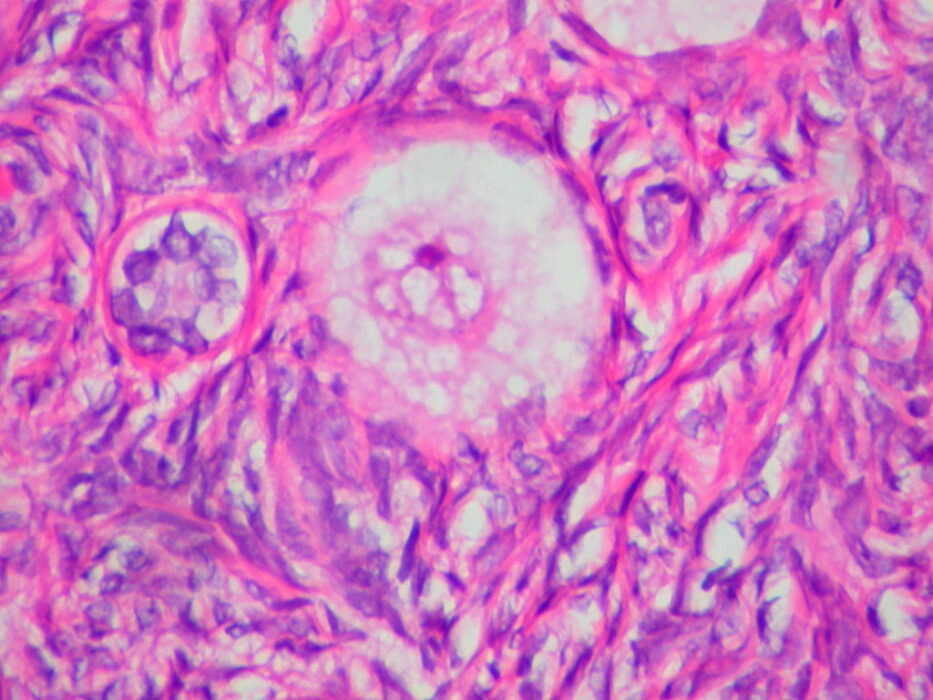
In a pioneering proof-of-concept, scientists at Oregon Health & Science University successfully converted human skin cells into “functional” egg-like cells. The method involves transferring the nucleus of a skin cell into a donor egg cell stripped of its nucleus, then inducing it to shed extra chromosomes—a process the team calls “mitomeiosis.” Some of these lab-generated eggs were fertilized in vitro, producing early-stage embryos. However, many embryos showed chromosomal abnormalities and none developed past day six, signaling that this innovation remains in its experimental phase.

Read more

U.S. Prescription Drug Prices Keep Climbing—Here’s Why They’re So High

Experts point to limited regulation, market power, and rising demand as reasons U.S. drug costs stay high.

©Image license via Fllickr

Prescription drug prices in the United States remain notably higher than in many other countries due to a variety of interconnected factors. These include minimal government price regulation, costly research and development, patent protections that limit competition, and complicated roles played by pharmaceutical companies, insurers, and pharmacy benefit managers. Understanding these elements offers clarity on why medications can be so expensive and highlights the challenges in balancing innovation, safety, and affordability.

Read more

10 Things to Eat and Drink Before and After Getting the Flu Shot, According to Doctors

Hydrating well and choosing nutrient-rich foods support immune response before and after vaccination.

©Image license via Canva

Getting a flu shot is a simple step toward protecting your health, but what you eat and drink around the time of vaccination can influence how your body responds. Staying hydrated and consuming foods rich in vitamins, antioxidants, and anti-inflammatory properties helps reduce side effects and bolster immune function. Avoiding alcohol and excessive sugar ensures a smoother recovery and optimal vaccine effectiveness, say experts from the CDC and Mayo Clinic.

Read more