Tylenol Doesn’t Cause Autism, Scientists Confirm—So What Are the Real Factors?

Researchers debunk the Tylenol-autism link and highlight what studies actually show.
©Image license via Canva

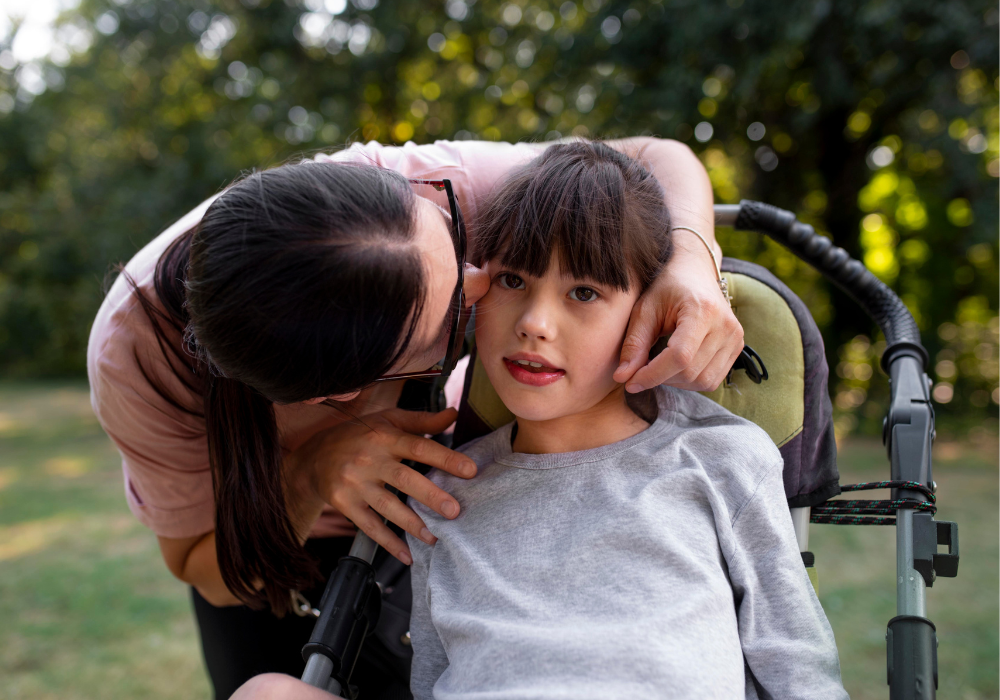
Autism spectrum disorder arises from multiple contributing factors rather than a single cause. Genetics provide a foundation, but environmental exposures, prenatal influences, and early brain development also shape outcomes. Science continues to explore how these elements interact, emphasizing that understanding autism requires recognizing its multifaceted origins. Reliable sources like the CDC, WHO, and Harvard T.H. Chan School of Public Health stress the importance of evidence-based information to avoid common misconceptions.


Read more

11 Everyday Habits That Support Your Immune System

Incorporating simple daily habits can strengthen your immune system and enhance overall health.

©Image license via Canva

Maintaining a strong immune system hinges on consistent daily choices that support the body’s defenses. From eating nutrient-rich foods to managing stress and practicing good hygiene, these habits work together to keep your immune response resilient. Understanding and adopting practical lifestyle changes can help you feel more energized and better equipped to ward off illnesses, creating a foundation for lasting wellness.

Read more

New Medical Guidelines Warn Pregnant Women Against Using Cannabis

Doctors cite growing evidence of risks to fetal brain development and long-term child health.

Window with white curtains, pregnant woman foreground, side profile composition, morning natural light, documentary style, one person.
©Image license via Canva

Medical groups including the American College of Obstetricians and Gynecologists (ACOG) and the American Academy of Pediatrics have issued strong new guidelines warning that pregnant women should avoid using cannabis. They emphasize there’s no known safe level of THC during pregnancy, because it can cross the placenta and may harm fetal brain development. Studies link prenatal cannabis use with risks like low birth weight, preterm delivery, and later behavioral or attention problems. Health experts hope clearer rules will help mothers protect their unborn babies.

Read more

Scientists Say Feline Dementia May Unlock Clues to Alzheimer’s

New studies suggest feline dementia may mirror early changes seen in Alzheimer’s patients.

© Image license via iStock

Cats with dementia exhibit behavioral changes that mirror aspects of Alzheimer’s disease in humans, offering valuable insights into neurodegenerative conditions. By studying shifts in routine, cognition, and social interaction in aging cats, researchers can better understand cognitive decline and its progression. These animal models help bridge gaps in knowledge, providing a comparative lens to inform Alzheimer’s research and improve approaches to care and treatment.

Read more

Could Ozempic Hold a Hidden Key to Lowering Cancer Risk?

New research points to possible cancer-fighting benefits of Ozempic and similar medications.

©Image license via Adobe Stock

Ozempic, primarily known as a diabetes medication, has attracted interest for its potential to reduce cancer risk through various biological mechanisms. Researchers are investigating how drugs like Ozempic, which regulate blood sugar and insulin levels, might also impact inflammation, immune response, and cellular processes linked to cancer development. While these findings are promising, current evidence does not support using Ozempic solely for cancer prevention, emphasizing the need for further clinical studies and medical guidance.

Read more

What If Humans Could Live Forever—Would Society Survive?

Living forever sounds appealing—but the consequences might surprise you.

©Image license via Canva

The idea of living forever has fascinated humanity for centuries, from ancient myths to modern science labs chasing anti-aging breakthroughs. But experts warn immortality may bring challenges we’re not ready to face. Overpopulation, scarce resources, and widening inequality could reshape society in unpredictable ways. According to biologist Aubrey de Grey, radical life extension could transform everything from healthcare to family structures. While the promise of endless life is tempting, researchers say the question isn’t just whether humans could live forever—it’s whether civilization itself could withstand the consequences.

Read more

What If Your Memories Could Live On Without You?

New research raises eerie questions about where memories may truly exist.

©Image license via Canva

What if memories aren’t locked inside your brain after all? Some researchers are beginning to explore the unsettling idea that experiences may be stored or echoed beyond the mind. Neuroscientist Dean Radin has suggested that memory could extend outside traditional brain activity, challenging how we think about consciousness itself. While the concept sounds more like science fiction than fact, early studies are raising questions that make even experts pause—and hint that our memories may not vanish quite the way we’ve always assumed.

Read more

Wildfire Smoke Isn’t Just in Your Lungs—It May Reach Your Brain Too

Scientists warn the toxic haze doesn’t just choke lungs—it may fuel brain damage and lifelong disease.

Forest edge, wildfire center, thick smoke columns, overhead daylight, documentary style, no people.
©Image license via Canva

The haze from wildfires doesn’t just sting your eyes or leave your throat raw—it may be doing damage you can’t feel right away. Scientists are finding that breathing in smoke carries risks that go far beyond shortness of breath. Tiny particles can slip deep into the body, reaching the brain and other vital organs. Over time, that invisible assault may spark memory problems, mental health struggles, and chronic disease, leaving a far heavier toll than most people realize.

Read more

11 Holistic Sleep Hacks That Knock You Out Faster Than Counting Sheep

Tired of tossing and turning? These natural strategies can help you fall asleep fast.

Bedroom, woman sleeping, side profile on white pillow, soft morning light, editorial travel photo, one person.
©Image license via Canva

Falling asleep quickly can feel challenging, but adopting holistic strategies offers a natural solution for better rest. By understanding and implementing practices like mindful relaxation, optimizing your environment, and maintaining consistent routines, sleep onset becomes more predictable and effective. These comprehensive techniques align with the body’s rhythms and reduce common barriers to restful sleep, making it easier to enjoy rejuvenating nights consistently.

Read more

Your Home May Be Making You Sick—11 Things to Remove for Better Health

Identify common household items that contribute to poor indoor air quality and health risks.

©Image license via Canva

Indoor air quality greatly influences overall health, yet many everyday items can quietly degrade it. From chemical cleaners to cluttered papers, standard household objects often harbor toxins, allergens, and mold. Recognizing which items to remove helps reduce indoor pollution and respiratory irritants, creating a cleaner, safer living space that supports well-being for everyone at home.

Read more