
Doctors said she wouldn’t survive infancy. Two decades later, her journey is rewriting what we know about a rare brain condition.

A young woman from Nebraska has reached her 20th birthday despite being born with hydranencephaly, a rare condition in which most of the brain’s cerebral hemispheres are absent and replaced by fluid. Doctors predicted she would not live past a few months, yet she continues to surpass every expectation. With much of her survival tied to her intact brainstem and cerebellum, her story is offering new insight into the human brain’s resilience and raising awareness of this extraordinarily rare condition.
1. She Was Born With One of the Rarest Brain Conditions on Earth
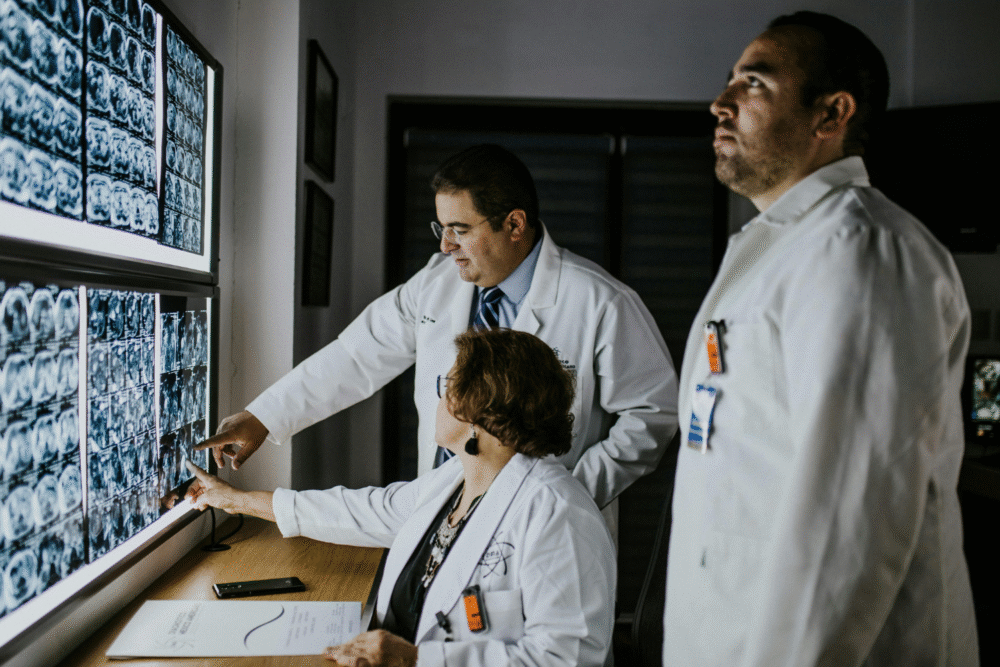
Hydranencephaly is an extremely rare neurological disorder in which most of the brain’s cerebral hemispheres are missing and replaced with cerebrospinal fluid. When Alex Simpson was born, doctors quickly realized her brain had not developed normally. Only her brainstem and parts of her cerebellum were intact—structures responsible for basic functions like breathing, heart rate, and reflexes.
Because the cerebral hemispheres control higher-level functions such as reasoning and voluntary movement, doctors believed she would not survive long after birth.
2. Doctors Predicted She Would Only Live for a Few Months

Infants with hydranencephaly typically have a very short life expectancy, most passing away within days, weeks, or months. Medical teams told Alex’s family that she would not survive infancy and recommended preparing for the worst.
Her parents were devastated but determined to give her as much comfort and stability as possible. They soon discovered that Alex had a resilience they had never imagined—one that would rewrite everything they were told.
3. Her Family Decided to Fight for Every Day of Her Life

Despite the bleak prognosis, Alex’s family committed themselves to giving her the best possible care. They monitored her closely, attended constant medical appointments, and learned how to manage the unique challenges of her condition.
While the road was difficult, her parents saw small signs that she was responding to their presence. These moments encouraged them to keep going, even when doctors remained doubtful about her long-term survival.
4. Her Brainstem Became the Key to Her Survival
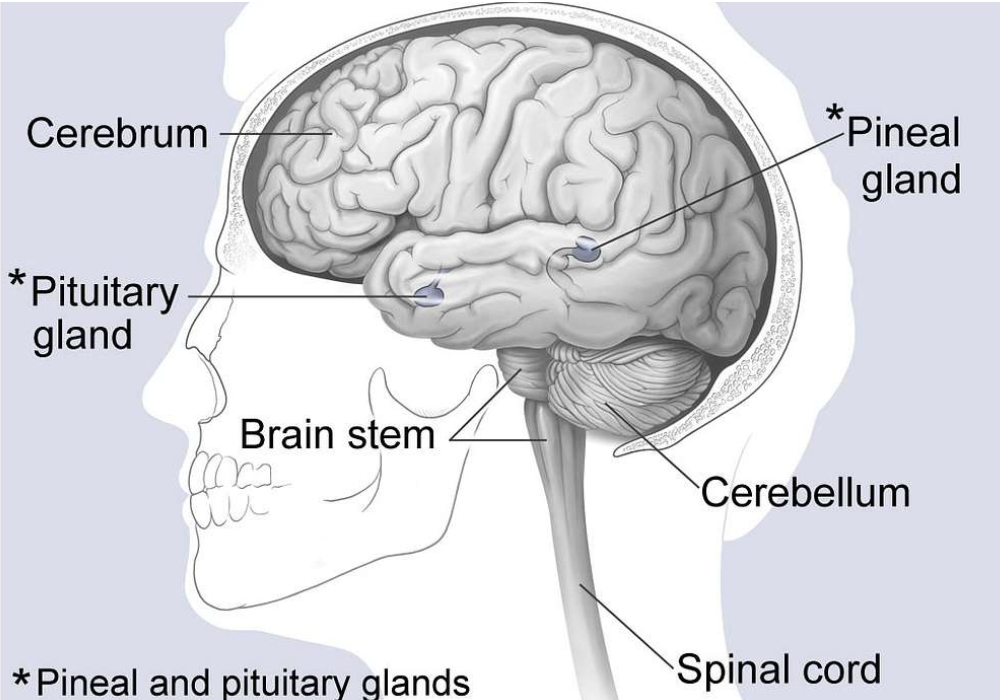
Although most of Alex’s brain was missing, her brainstem—responsible for essential life functions—was intact. This allowed her to breathe on her own, swallow, and maintain basic bodily functions.
Doctors believe the strength and stability of her brainstem played a major role in her ability to survive far longer than expected. For children with hydranencephaly, this structure can mean the difference between hours of life and years.
5. She Reached Early Milestones No One Thought Possible

Alex’s family says she began showing signs of awareness—turning toward familiar voices, reacting to sounds, and appearing comforted by touch. These behaviors, while limited, were meaningful indicators of her responsiveness.
Though she could not develop speech or mobility like a typical child, she demonstrated her own ways of interacting with those around her. Her parents considered every small milestone a triumph.
6. Her Medical Team Watched in Amazement as She Grew

Instead of declining, Alex continued to grow through childhood. Her doctors adjusted her care plans as she aged, managing complications but continually noting how unusual her longevity was.
Cases like hers are extremely rare, and her survival has contributed to a broader awareness of how diverse hydranencephaly outcomes can be. Each year taught her medical team something new about long-term survival with this condition.
7. Her Story Challenged Long-Held Assumptions About the Brain
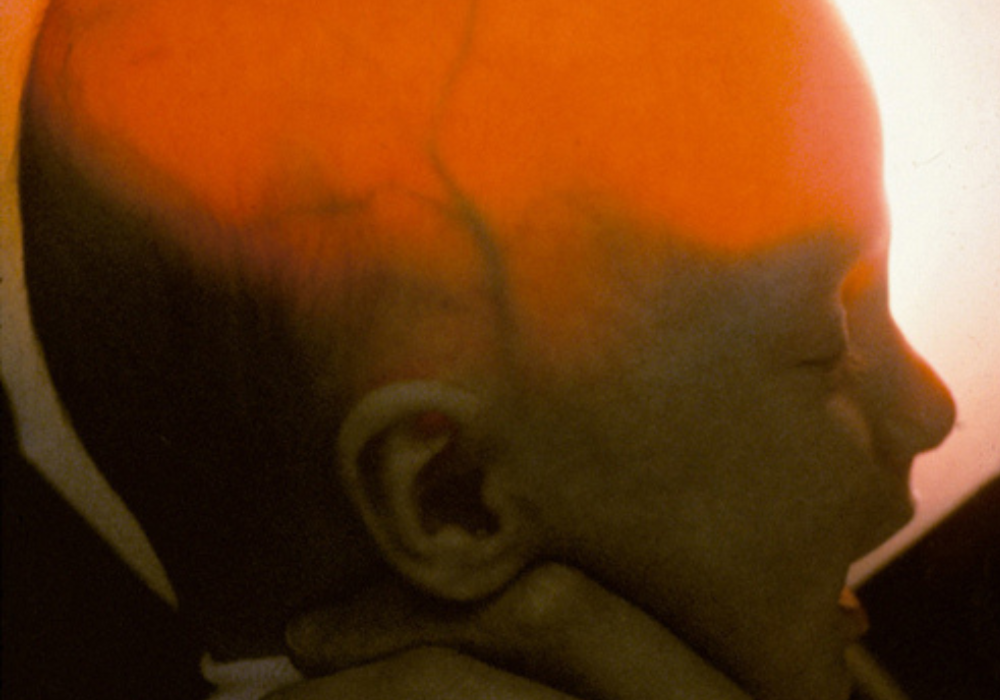
Alex’s survival has underscored an important scientific truth: the brain is more adaptable—and more mysterious—than we fully understand. While her condition prevents higher cognitive function, her ability to live for two decades shows how essential the brainstem is and how the human body can sometimes compensate.
Her case encourages researchers to examine how different parts of the brain contribute to survival and how congenital conditions can vary dramatically.
8. Her Family Says She Communicates in Her Own Way

Alex’s parents report that she responds to familiar voices and seems to recognize comforting sounds or sensations. While this is anecdotal and not scientifically measured, her family believes these reactions show emotional awareness.
Families of other children with hydranencephaly often share similar observations. These moments, whether reflexive or purposeful, play an important role in building connection and meaning.
9. She Continues to Inspire People Around the World
Stories like Alex’s resonate because they demonstrate extraordinary resilience in the face of overwhelming medical odds. Each birthday she celebrates becomes a symbol of hope for families navigating the same diagnosis.
Her journey has also raised awareness of hydranencephaly, helping families find support networks and encouraging more public understanding of rare neurological disorders.
10. Her Condition Still Requires Daily, Intensive Care

Even as she reaches milestones, Alex’s condition remains medically complex. She requires ongoing support, monitoring, and assistance with basic needs. Her parents manage seizures, limited mobility, and other complications common to hydranencephaly.
Their dedication highlights the enormous commitment required to care for someone with this condition. Alex’s survival is not just a biological achievement—it is also a testament to her family’s unwavering care.
11. Celebrating 20 Years Marks a Truly Extraordinary Milestone

Reaching the age of 20 is nearly unheard of for people born with hydranencephaly, making Alex’s birthday an extraordinary medical and personal milestone. Her story stands as one of the longest documented survivals of this condition.
Her family describes her life as a gift they never expected to receive. While her future remains uncertain, each year she reaches continues to challenge medical expectations and inspire families, caregivers, and researchers alike.