Is a Baldness Cure Finally Within Reach? What Research Shows

Researchers are seeing meaningful progress after decades of setbacks.

©Image license via Canva

A baldness “cure” isn’t a single solution. Hair loss happens for different reasons, and most people asking this question are talking about pattern hair loss, where follicles gradually shrink but often remain alive for years. That distinction matters, because living follicles can sometimes be reactivated.

For decades, treatment options barely changed. Most therapies focused on slowing loss rather than restoring growth. That’s why recent research aimed at waking up dormant follicles has generated renewed optimism.

At UCLA, researchers behind a topical compound now developed by Pelage Pharmaceuticals have reported encouraging early trial results, suggesting hair loss science may finally be entering a new phase.
Read more

If Your Vision Suddenly Acts Weird, This Could Be the Reason

Sudden flashes, blind spots, or zigzags don’t always come from your eyes.

©Image license via Planet Sage/Chat GPT

If your vision suddenly flickers, blurs, or fills with shimmering shapes, it can feel frightening, especially if it happens without warning. Many people immediately worry about eye damage, a stroke, or something permanently wrong, because vision changes are hard to ignore and difficult to explain in the moment.

In many cases, the cause is not the eye itself. These strange visual effects can start in the brain and often fade on their own within a short period of time, leaving no lasting damage.

Knowing what an ocular migraine is, what it typically looks like, and how to respond can help you stay calm, protect yourself during an episode, and recognize when medical care is actually needed.

Read more

Scientists Say Human Intelligence May Not Be a Fluke After All

Evolution may favor complex minds more often than we once believed.

©Image license via Canva

Neuroscientist Nikolay Kukushkin, author of One Hand Clapping, argues that human intelligence may not be a cosmic accident after all. Instead of being a once-in-a-universe fluke, our thinking abilities may be the result of how life naturally became more complex over billions of years.

Kukushkin suggests that once life crossed certain biological milestones, advanced cognition became increasingly likely. His idea builds on a familiar pattern in evolution. When very different organisms face similar problems, they often arrive at similar solutions. From this perspective, intelligence isn’t just lucky—it’s useful, and usefulness tends to get repeated by evolution.

That doesn’t mean humans were guaranteed. But it does challenge the long-standing assumption that our mental abilities were purely random good fortune.

Read more

A Maya Royal Tomb Was Emptied and Burned in Public. The Aftermath Changed Everything

Burned royal artifacts reveal a deliberate act meant to erase power and signal a new ruling order.

©Image license via Planet Sage/Chat GPT

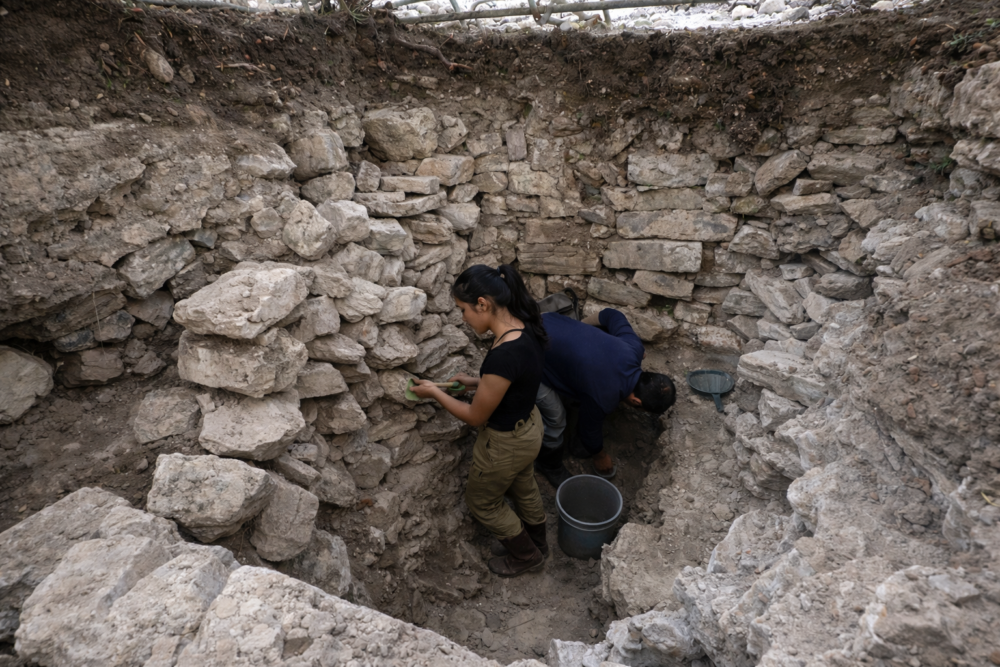
Burned artifacts don’t usually survive long enough to tell clear stories. But at one Maya site, fire left behind something rare: physical evidence of a deliberate political act meant to erase a ruling dynasty’s power rather than simply destroy its possessions.

Archaeologists studying a royal compound found signs that sacred objects were removed from a tomb, broken, and burned in a public space. This wasn’t random violence or accidental damage. The pattern suggests a carefully staged event tied to the end of one regime and the rise of another.

Instead of a sudden collapse, the evidence points to an intentional dismantling of royal authority—using fire as a message everyone would understand.

Read more

China’s Biggest Solar Farm Is Doing More Than Just Making Clean Power

Something unusual is happening beneath China’s vast fields of solar panels.

©Image license via Planet Sage/Chat GPT

China’s largest solar farm stretches across the arid highlands of Qinghai Province, on the northeastern edge of the Tibetan Plateau. Built on land long considered too harsh for large-scale development, the vast installation was designed to generate clean electricity at an unprecedented scale and reduce reliance on coal.

But scientists studying the site have noticed something unexpected happening beneath the panels. The desert landscape below is changing, with subtle shifts in soil moisture, temperature, and plant growth that differ from nearby untreated areas.

What began as a massive energy project in one of China’s driest regions is now offering new insight into how renewable infrastructure can quietly reshape the environments where it is built.

Read more

The Race to Uncover Ancient Lost Worlds Now Hidden Under the Sea

Beneath the ocean floor are traces of human worlds we are only beginning to find.

©Image license via Planet Sage/Chat GPT

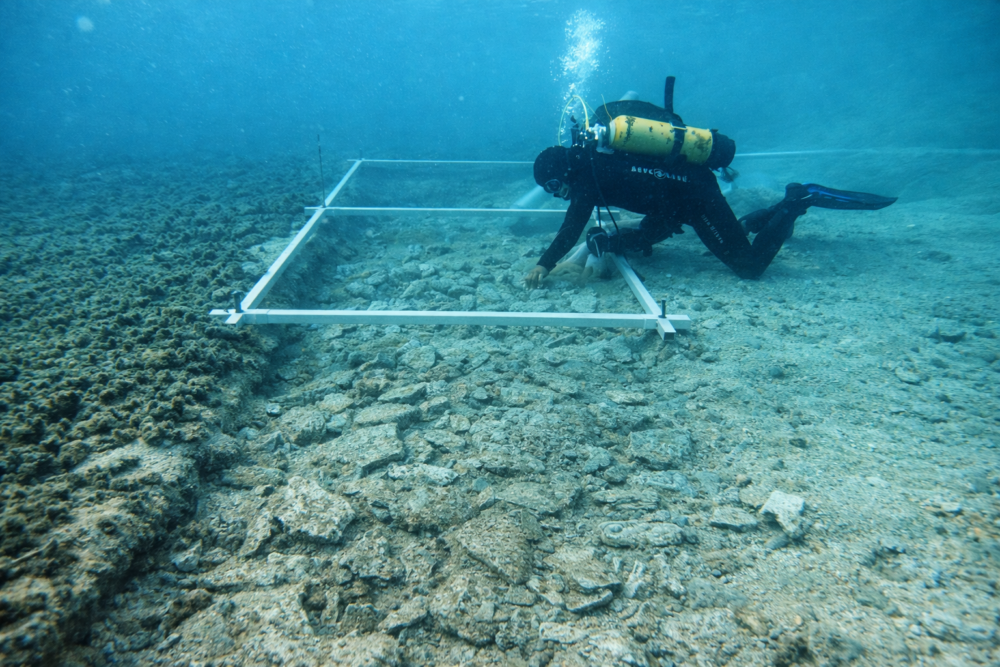
Ancient coastlines that once supported thriving human communities now lie far beneath the ocean’s surface. During the last Ice Age, sea levels were dramatically lower, exposing vast plains, river valleys, and coastal zones where people hunted, traveled, and settled for thousands of years.

As glaciers melted, rising seas slowly drowned these landscapes. Instead of sudden catastrophe, the flooding happened over generations, allowing traces of human life to be buried under sediment rather than destroyed outright. For a long time, archaeologists assumed these places were lost forever.

New technology and large-scale research projects are proving otherwise. Scientists now say entire chapters of human history are preserved underwater—but modern activity means the window to study them is rapidly closing.

Read more

If a Hawk or Eagle Targets Your Pet, Act Fast. Here’s What to Do

Acting quickly can make the difference between a close call and a sudden loss.

©Image license via Canva

Large birds of prey rarely see pets as targets, but when they do, it can happen fast. Hawks and eagles are powerful, opportunistic hunters that can mistake small dogs, cats, or backyard animals for prey, especially in open yards.

These encounters are uncommon, yet reports tend to cluster in certain seasons and locations. When they happen, homeowners are often caught off guard, unsure whether the threat is real or how serious it might be.

Knowing the warning signs and responding immediately can reduce risk. Small changes in how pets are supervised outdoors can help prevent a rare sighting from turning into a dangerous encounter.

Read more

This Montana “Stone Wall” Looks Man-Made, But Geologists Say It’s Something Else

Perfectly stacked stone blocks have sparked claims of an ancient structure, but the real explanation may be just as surprising.

©Image license via Planet Sage/Chat GPT

A remote stone formation in southwestern Montana has captured widespread attention for its striking resemblance to a massive, hand-built wall. Large rectangular blocks appear stacked with unusual precision, leading some observers to describe it as one of the oldest prehistoric megastructures in North America.

The site, commonly known as the Sage Wall near Whitehall, has fueled online speculation about lost civilizations and ancient builders. Photos and videos show what looks like deliberate stonework, sparking debate far beyond the region.

Geologists and archaeologists, however, urge caution. What looks artificial at first glance may be the result of natural processes that can mimic human construction surprisingly well.

Read more

Norovirus Is Spreading Again—Here’s What You Should Know

It spreads fast, hits hard, and often shows up before you realize what’s happening.

©Image license via Canva

Norovirus is often brushed off as a short-lived stomach bug, but its ability to spread with astonishing speed makes it far more disruptive than many people expect. One infected person can unknowingly trigger outbreaks in homes, schools, workplaces, and travel settings within a matter of days.

What sets norovirus apart is how little exposure it takes to get sick and how long the virus can linger on surfaces. People are frequently contagious before symptoms appear, which allows the virus to move through groups silently and efficiently.

Understanding how norovirus spreads, how long it remains contagious, and what actually helps stop transmission can mean the difference between a brief illness and a much wider outbreak that keeps cycling through a community.

Read more

The Seafood on Your Plate May Be Linked to Forced Labor, Experts Warn

Investigations say forced labor risks remain embedded in some seafood supply chains.

©Image license via Canva

Behind the seafood on your plate may lie a story most consumers never see. For years, major investigations have documented forced labor, human trafficking, and abusive conditions aboard fishing vessels and in seafood processing plants across the globe.

Pulitzer-winning reporting by major news organizations exposed how slaves on Southeast Asian fishing boats supplied seafood that ended up in world markets, and more recent legal cases allege forced labor in supply chains tied to large tuna brands.

Today, experts estimate tens of thousands of fishers remain at risk of exploitation in an industry that supplies a significant portion of the global food supply.

Read more