
Investigations say forced labor risks remain embedded in some seafood supply chains.
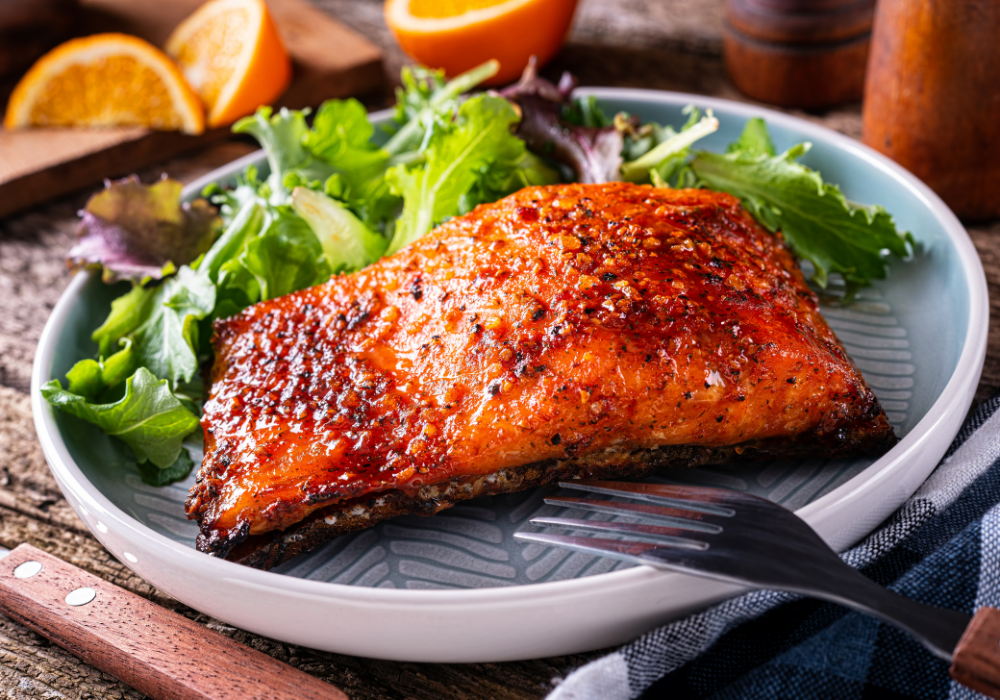
Behind the seafood on your plate may lie a story most consumers never see. For years, major investigations have documented forced labor, human trafficking, and abusive conditions aboard fishing vessels and in seafood processing plants across the globe.
Pulitzer-winning reporting by major news organizations exposed how slaves on Southeast Asian fishing boats supplied seafood that ended up in world markets, and more recent legal cases allege forced labor in supply chains tied to large tuna brands.
Today, experts estimate tens of thousands of fishers remain at risk of exploitation in an industry that supplies a significant portion of the global food supply.
1. How Seafood Supply Chains Can Mask Human Rights Abuse
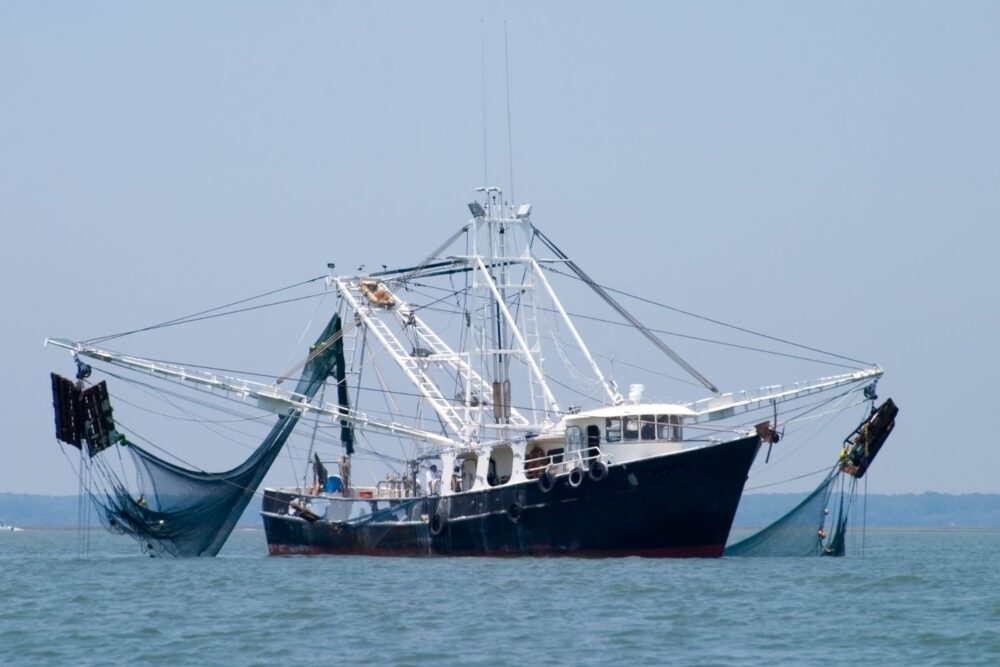
Seafood moves through a chain of catch, transfer, processing, shipping, export, and retail. At each step, the original source of labor and how that labor was treated can become harder to trace. Critics say this complexity allows abusive conditions aboard fishing boats and in factories to be hidden beneath layers of intermediaries and middlemen.
Some vessels stay at sea for months or even years without port calls, and some processing plants rely on temporary or migrant workers whose rights are poorly protected. When forced labor occurs deep in the supply chain, consumers generally see only the final product, not the conditions under which it was produced.
2. Forced Labor Has Been Documented in High Seas Fishing
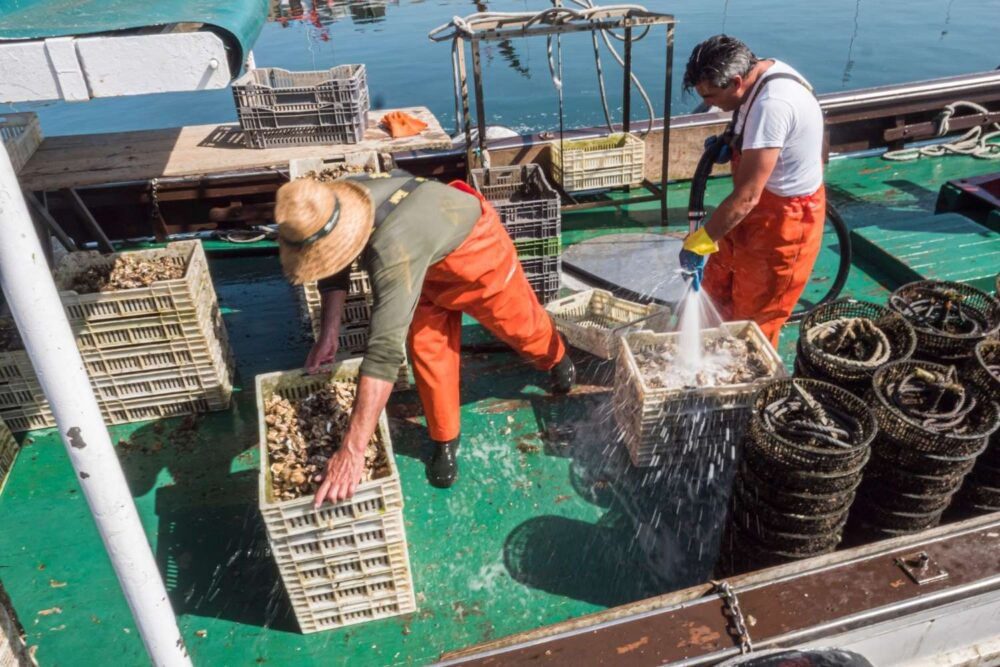
Investigators have documented cases where crews on high seas fishing vessels endured forced labor conditions. Interviews and satellite tracking showed crews recruited with false promises, then trapped onboard with little contact with the outside world. Workers reported withheld wages, dangerous working conditions, and restricted movement that meet international definitions of forced labor.
Because distant water fishing fleets operate far from oversight, enforcement can be minimal. Workers may be at the mercy of captains or company agents, making it extremely difficult for abuses to be reported or stopped.
3. Landmark Reporting Exposed Slave-Caught Seafood in Global Markets
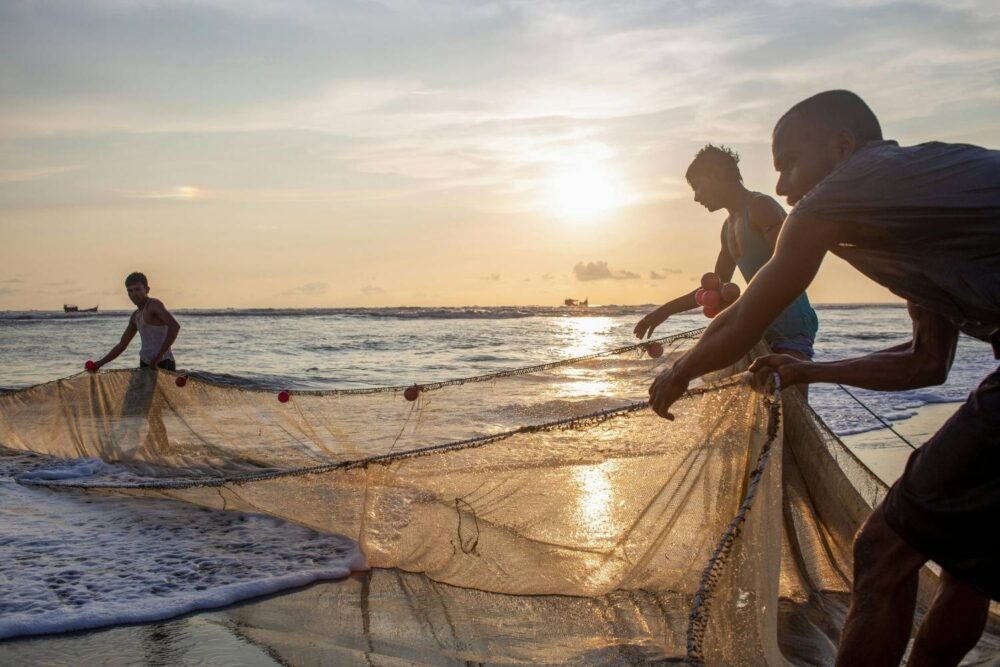
One of the most impactful investigations followed seafood from Indonesian fishing boats where men were enslaved and forced to fish, tracking the fish through processing and shipment into global markets. The reporting showed how slave-caught seafood could mix with legally sourced product and reach supermarkets and restaurants around the world, including in the United States.
This work won major journalism awards and brought widespread attention to the scale of hidden abuses in the seafood industry, underscoring how easily forced labor products can enter supply chains destined for everyday consumers.
4. Recent Lawsuits Highlight Abuses in Tuna Supply Chains
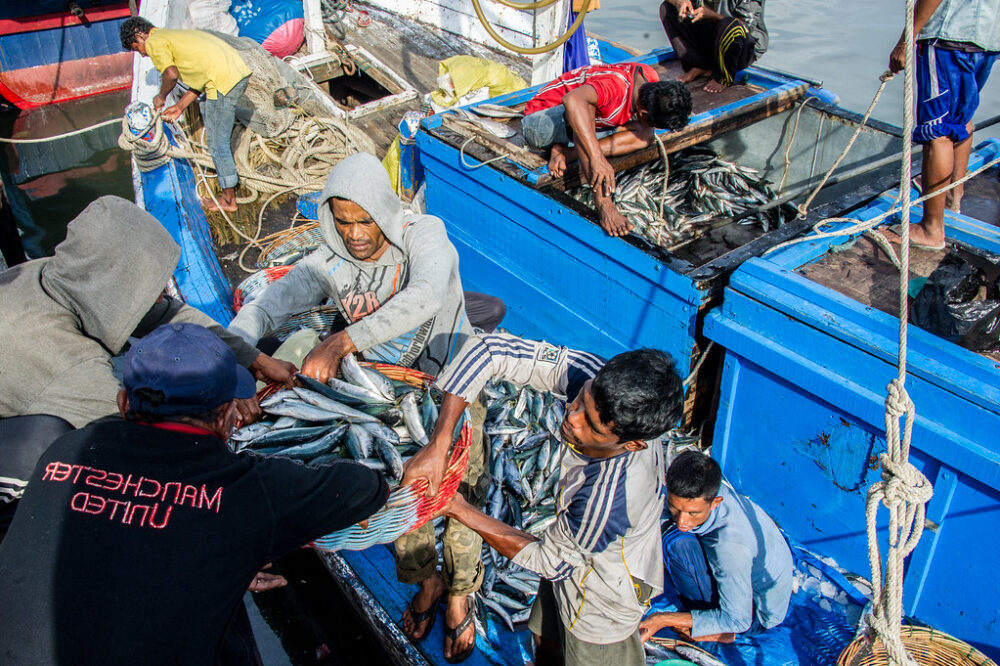
In the United States, four Indonesian fishermen filed a lawsuit alleging that they were beaten, denied medical care, and trapped in forced labor on vessels supplying tuna to a major canned seafood company. Their case, filed under U.S. human trafficking law, seeks not only compensation but systemic changes in how companies monitor and manage their suppliers.
This lawsuit is one of the first of its kind targeting a major seafood company over forced labor in its supply chain, signaling a broader push for accountability from both legal systems and civil society.
5. Seafood Processing Plants Are Not Immune
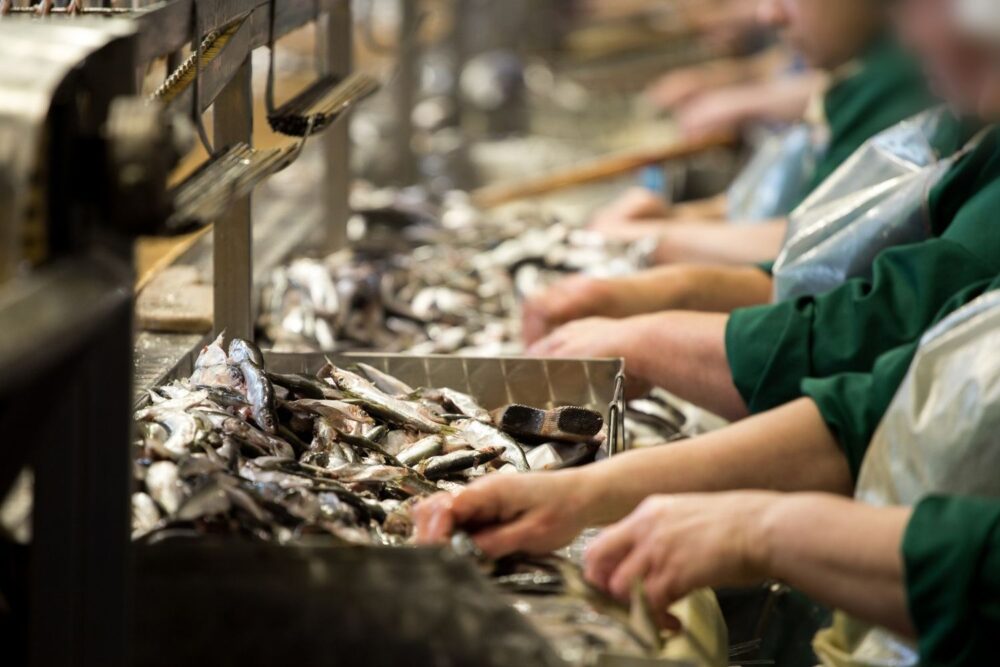
Abusive labor conditions are not limited to fishing boats. Investigative reports have also documented forced labor among workers in seafood processing plants, particularly in regions with weak labor protections. In some cases, ethnic minority workers have been relocated to these facilities under coercive conditions and made to process seafood for global export.
These findings suggest that human rights abuses can occur at multiple points along the supply chain, from capture to canning, making transparency and oversight even more crucial to protect workers.
6. Estimates Show Tens of Thousands at Risk of Exploitation
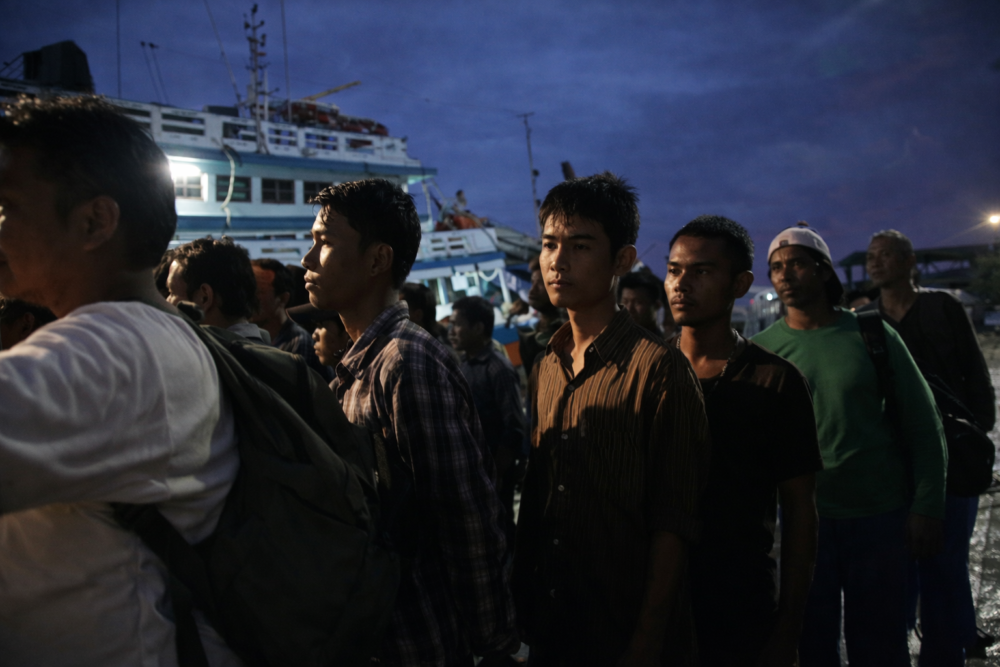
Researchers studying forced labor in the seafood industry estimate that tens of thousands of fishers may be trapped on high-risk vessels at any given time. Some global analyses suggest that between 2,300 and 4,200 commercial fishing vessels, roughly 14–26% of those studied, are at high risk of using forced labor over extended periods.
“At sea” laborers on these vessels might number 57,000 to 100,000 people, many in conditions that meet forced labor criteria, including withheld wages, excessive work hours and restricted movement.
These figures underscore how widespread and systemic the problem can be, far beyond isolated reports, and reveal how labor issues are deeply entwined with broader patterns of illegal and unregulated fishing.
7. Illegal Fishing and Labor Abuse Often Go Hand in Hand
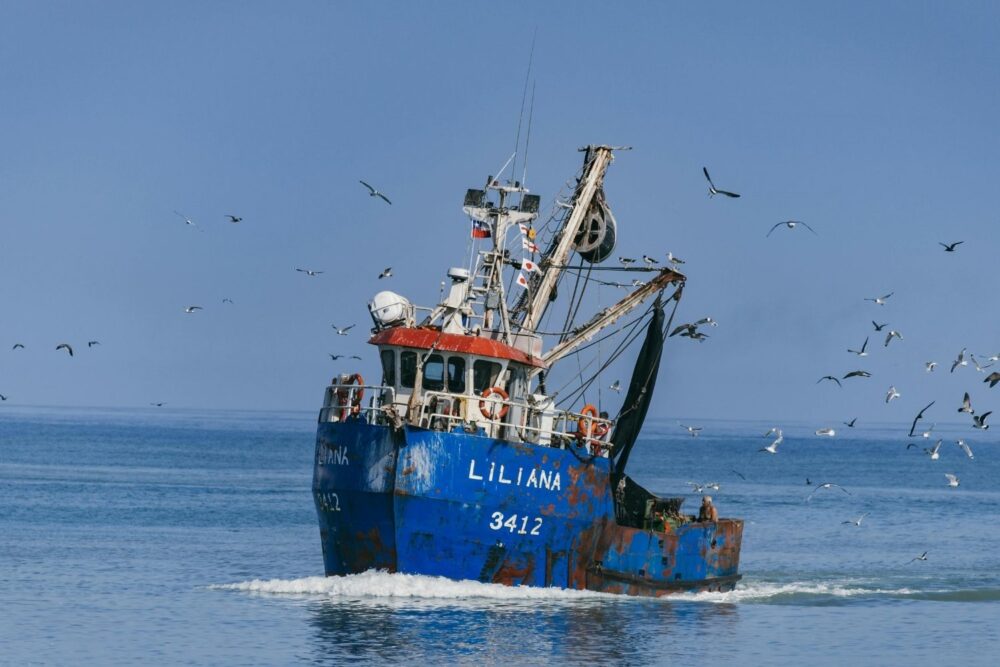
Experts note that forced labor is often linked with illegal, unreported and unregulated (IUU) fishing. When vessels evade oversight to catch fish unlawfully, they also evade labor protections and inspections. This creates environments where worker exploitation can flourish under the radar.
In some regions, enforcement is limited because local authorities lack resources or because vessels fly “flags of convenience” to avoid scrutiny. This double layer of evasion — both for illegal fishing and labor abuses — makes monitoring and reform especially challenging.
8. Import Markets May Still Receive Products Linked to Abuse
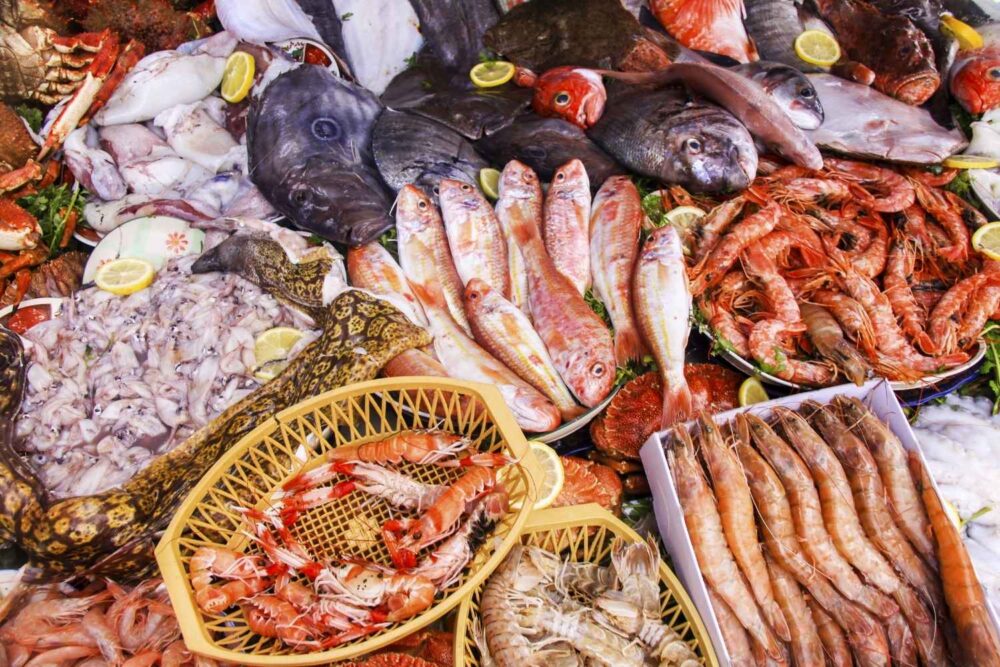
Despite laws intended to block goods linked to forced labor, seafood caught or processed under abusive conditions continues to reach major markets. Investigations have found that seafood produced where such labor occurs can end up on shelves in North America and Europe.
Products once banned or flagged for forced labor have been traced back into supply chains through intermediaries. This reality highlights how complex global trade makes it difficult to ensure that seafood on store shelves is free from human rights abuses, even with government controls and import restrictions in place.
9. Consumer Awareness and Transparency Efforts Are Growing
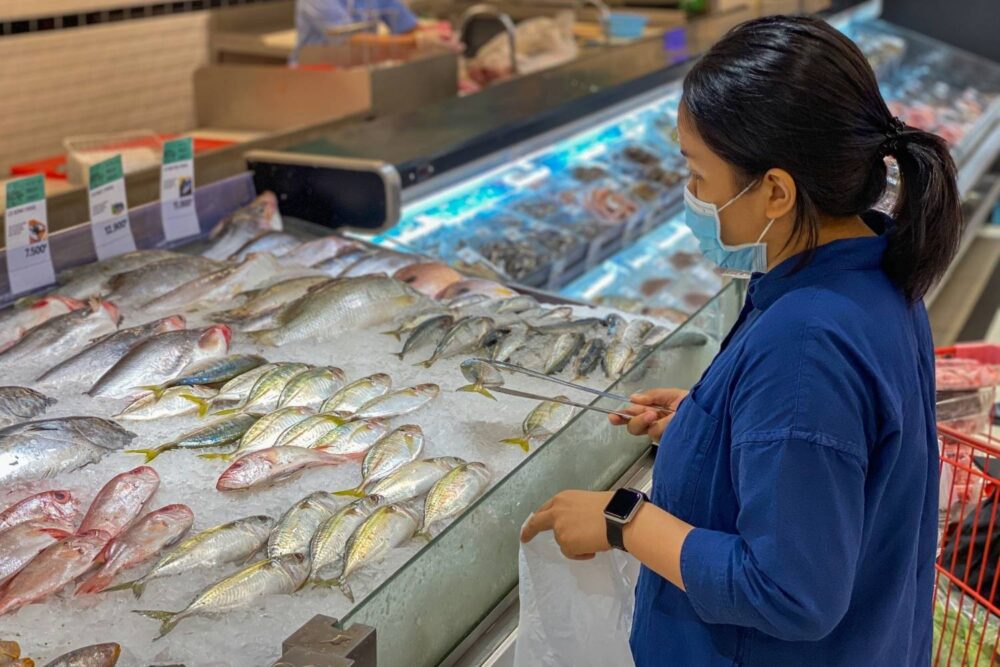
In response to these concerns, some companies and watchdog organizations have begun pushing for greater transparency in seafood supply chains. This includes better reporting on where fish are caught and how workers are treated, as well as coordinated efforts to cut ties with suppliers linked to forced labor.
Civil society groups are also urging retailers and foodservice companies to publish updates on their investigations into labor practices and take corrective action where necessary. While progress isn’t uniform, growing transparency efforts reflect rising consumer expectations for ethical sourcing.
10. Governments Are Taking Steps, But Gaps Remain
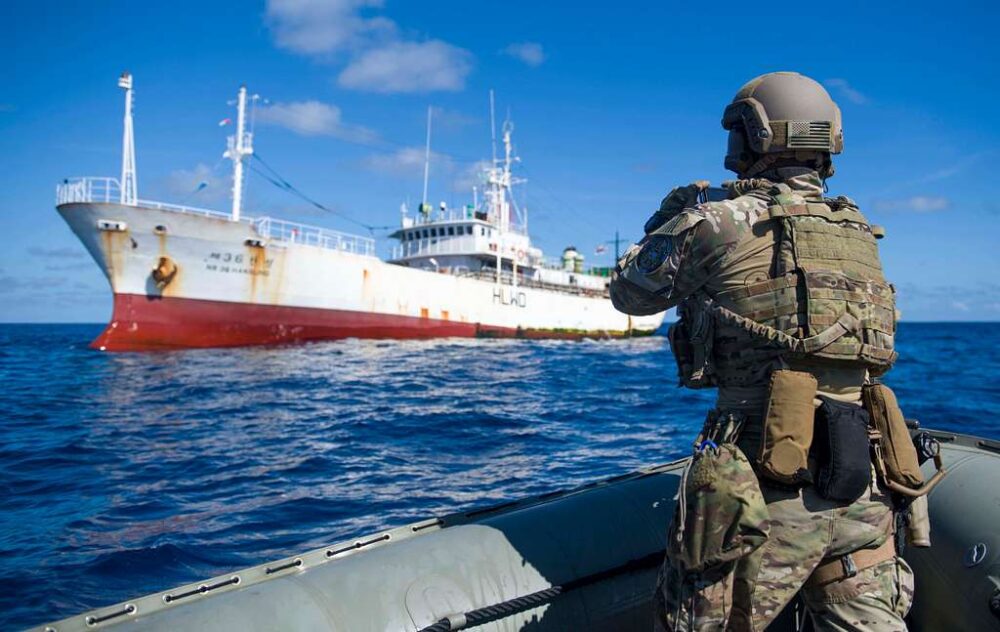
Governments and international bodies have passed regulations aimed at reducing forced labor in imported goods, including seafood. Some countries now have mechanisms to block imports tied to forced labor, and multilateral agreements encourage stricter monitoring.
Still, enforcement is uneven, and labor abuses often occur far from shore where jurisdiction is weak. Experts stress that laws are only as effective as their implementation, and that comprehensive inspection systems and international cooperation are essential to close gaps.
11. What Consumers Need to Know Before They Buy

For people who buy seafood, the issue can feel distant and abstract, but the evidence shows it’s real and persistent. Forced labor in the fishing and processing sectors doesn’t mean all seafood is tainted, but it does mean that ethical sourcing requires more than brand labels or sustainable nets.
Understanding the risks and asking questions about transparency, traceability and labor practices can help push the industry toward better standards. Awareness is the first step toward change — and consumers play a role in demanding seafood that’s not only healthy for bodies but fair for the people who catch and prepare it.