Delusional Disorder: When Beliefs Feel Unshakably Real But Aren’t

How the brain can form beliefs that feel absolutely true, even when they aren’t.

©Image license via Canva

Delusional disorder is often misunderstood because, on the surface, many people who live with it appear completely functional. They may work, socialize, and manage daily life normally, all while holding one belief that feels absolutely true to them, even when evidence says otherwise.

What makes the condition especially confusing is that the belief isn’t bizarre in the way people expect. It may involve jealousy, persecution, illness, or relationships, and it can quietly shape decisions and behavior over time.

Understanding how the disorder unfolds helps explain why it’s so convincing, why it’s different from schizophrenia, and why loved ones can sometimes be pulled into the belief as well.

Read more

What 38 Million Obituaries Reveal About a Life Well Lived

A study of 38 million obituaries shows what Americans most honor when remembering a life.

©Image license via Canva

If you look at enough obituaries, patterns begin to emerge about what people choose to remember. A recent study published in the journal Proceedings of the National Academy of Sciences analyzed 38 million U.S. obituaries to understand how Americans describe a life well lived.

Using large-scale language analysis, the researchers examined which values appeared most often across decades of memorial writing. Rather than focusing on wealth, power, or individual success, the language families used revealed quieter priorities that surfaced again and again.

Taken together, these obituaries tell a broader cultural story about meaning, legacy, and how historical moments shape what communities choose to honor.

Read more

Do Animals Feel Pain Like Humans? What the Evidence Actually Shows

Animals show neurological and behavioral signs of pain, even if they can’t describe it like humans.

©Image license via Canva

If you’ve ever wondered whether animals feel pain the way humans do, you’re not alone. The question sits at the center of science, ethics, food systems, and how people relate to other living beings, and it has become more urgent as research advances.

For years, the debate was framed as a simple yes or no. Today, scientists approach it differently, studying nervous systems, behavior, learning, and physiology to understand what pain means across species.

The result is a more complex picture that challenges assumptions without making sweeping claims. This gallery walks through what the evidence actually shows, how scientists study pain, and why the answer matters right now.

Read more

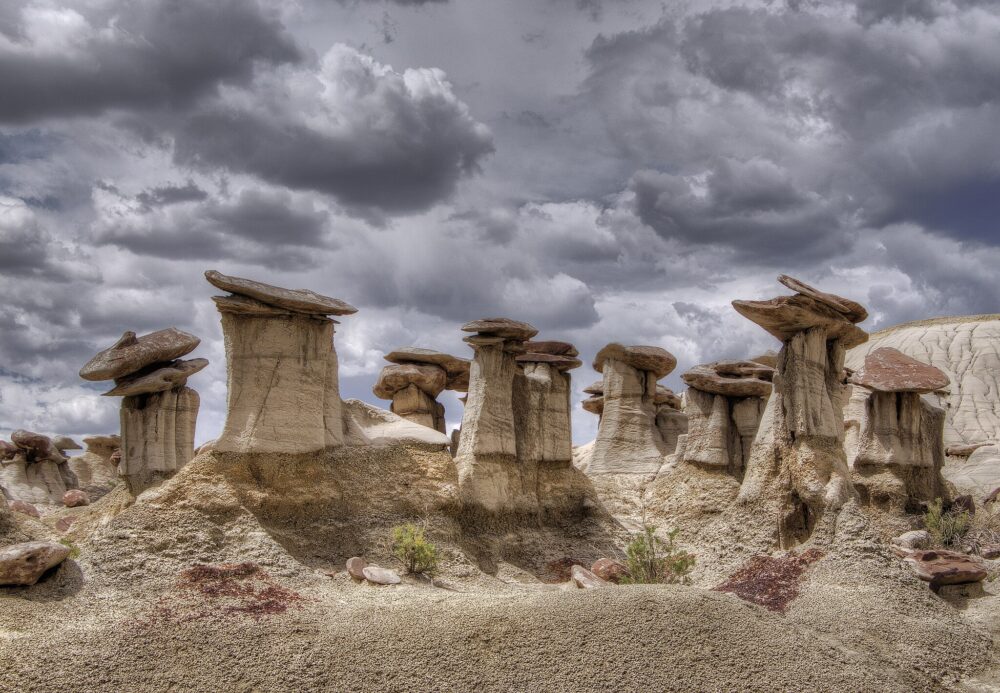
These Natural Formations Look Too Strange to Be Real

Nature followed no obvious rules when these landscapes took shape.

©Image license via Wikimedia Commons

Earth is filled with places that seem to break visual rules we take for granted. Some landscapes look sculpted by design, others feel mathematically precise, and a few resemble scenes from science fiction rather than real locations you can visit. What makes them so unsettling is that no one planned them.

These formations emerged through erosion, pressure, heat, chemistry, and time working slowly over thousands or millions of years. When those forces align in just the right way, nature produces results that feel intentional even when they aren’t.

Together, these strange places reveal how unfamiliar the planet can look when natural processes are allowed to reshape it on a massive scale.

Read more

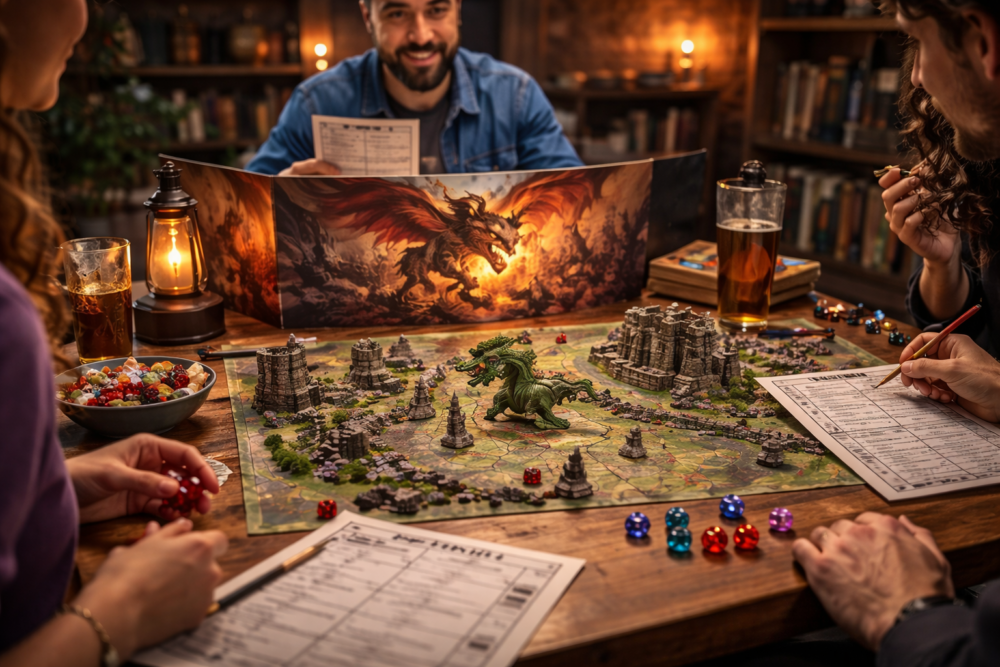
Playing Dungeons & Dragons May Be Better for Your Brain Than You Think

Researchers are finding real cognitive benefits in collaborative storytelling games.

©Image license via Planet Sage/Chat GPT

For a long time, tabletop role-playing games were treated like a niche hobby you either “got” or ignored. Now, researchers are starting to look at them differently. Universities, including the University of Exeter, are studying how games like Dungeons & Dragons keep players mentally engaged in ways that don’t look like traditional learning or entertainment.

Unlike video games that push you down a fixed path, D&D asks you to imagine entire worlds, read the room, and make decisions on the fly with other people. There’s no script, no reset button, and no single right answer.

What scientists are noticing is that this kind of play quietly works multiple parts of the brain at once, blending memory, creativity, social awareness, and flexible thinking in a way few activities manage to pull off.

Read more

If a Video of You Losing It Ends Up Online, Don’t Panic—Do This

Steps that can help limit damage, protect your privacy, and regain control.

©Image license via Canva

If a video captures you at a bad moment and ends up online, the emotional impact can be immediate and intense. Shock, embarrassment, anger, and fear often arrive at the same time, especially if strangers are commenting, judging, or sharing it without knowing anything about you or what led up to the moment.

What makes situations like this harder is how fast online content spreads and how permanent it can feel while it’s happening. The instinct to react quickly is understandable, but rushed responses often give the video more fuel.

Knowing what to do next, and what not to do, can make a real difference in how far the clip travels and how long it stays attached to you.

Read more

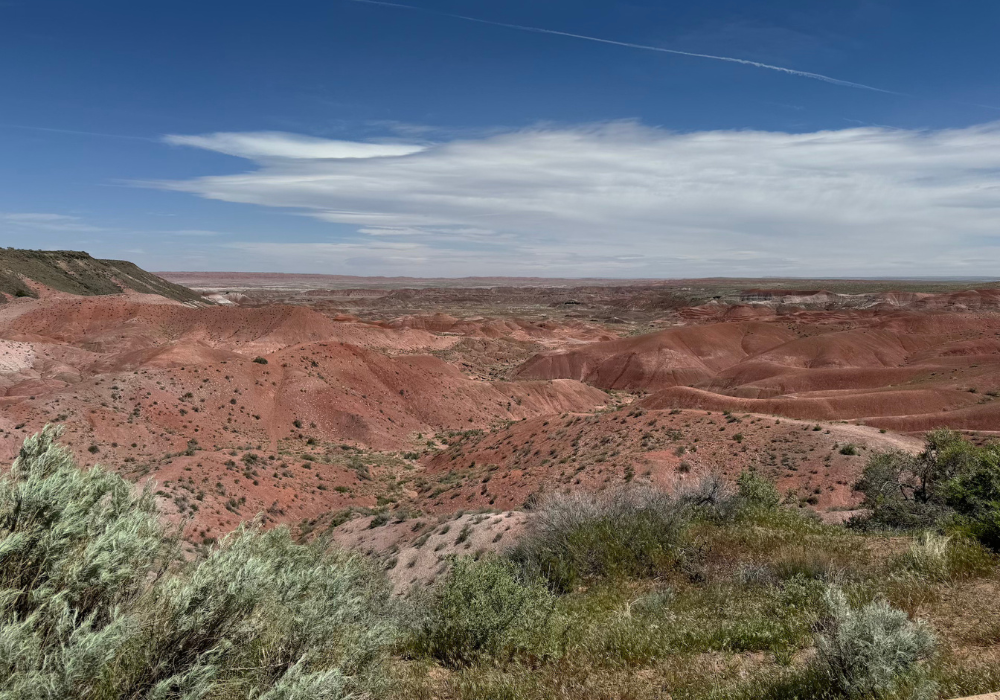
The Petrified Forest Was Once Alive and Nothing About It Was What You’d Expect

Ancient trees turned to stone reveal a vanished ecosystem unlike anything in North America today.

©Image license via Planet Sage/Barrie Davenport

The landscape now known as the Petrified Forest looks almost unreal, with fallen logs turned to stone and colors that seem more painted than natural. But this place was once a thriving, living ecosystem filled with towering trees, rivers, and wildlife that would feel completely unfamiliar today.

Over millions of years, catastrophe, chemistry, and time worked together to freeze this ancient world in place. What remains is not just fossilized wood, but a detailed record of how dramatically Earth can change.

Scientists still study the Petrified Forest because it captures a moment when life, climate, and geology collided in ways that reshaped an entire region.

Read more

The Best Places on Earth to See Real Dinosaur Footprints

Footprints frozen in time reveal where dinosaurs once moved across ancient landscapes.

©Image license via Canva

These fossilized footprints aren’t bones locked behind museum glass. They are frozen moments from the Age of Dinosaurs that you can still see in the open world today. Preserved in stone, these tracks record where dinosaurs walked, paused, and sometimes moved together across soft ground millions of years ago.

From riverbeds in the United States to cliffs, beaches, and mountain walls across Europe and South America, each site captures a different prehistoric scene. Some tracks are enormous and unmistakable, while others reveal subtle details like toe marks or shifting weight.

Together, these places offer one of the most direct connections we have to dinosaur behavior, showing not just what dinosaurs were, but how they moved through their ancient landscapes.

Read more

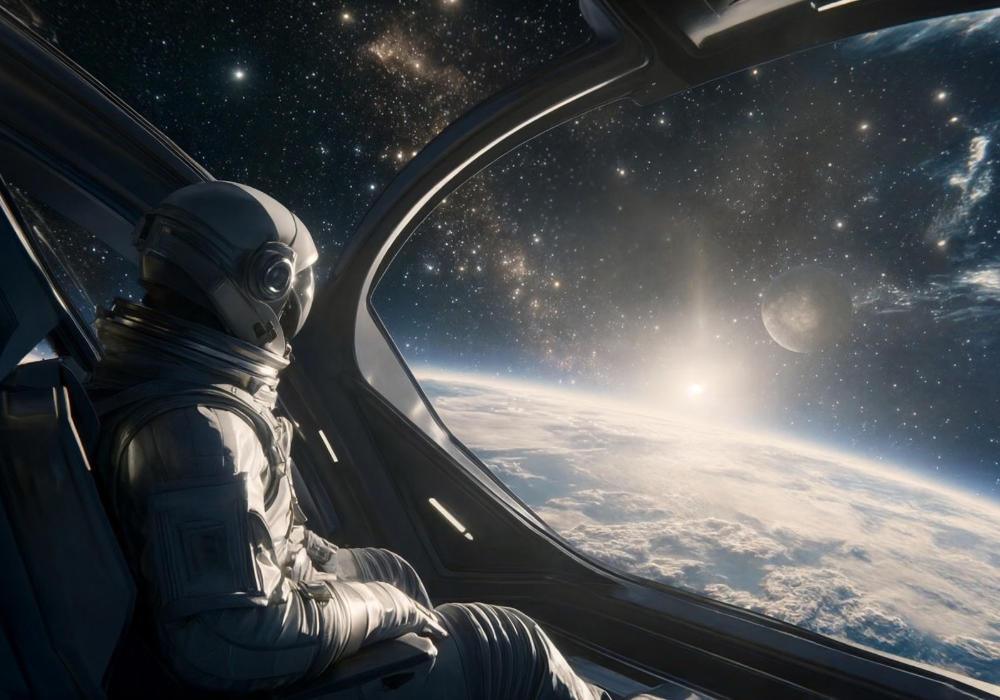
Private Spacecraft Are Racing to Land on the Moon in 2026

Several commercial missions are preparing lunar landings that could reshape how exploration happens next.

©Image license via Canva

If the Moon feels suddenly busy, it’s because 2026 is shaping up to be one of the most active years ever for private lunar landings. Multiple commercial spacecraft are preparing to attempt touchdowns, marking a shift away from an era when only national space agencies could realistically reach the lunar surface.

These missions are largely tied to NASA’s Commercial Lunar Payload Services program, which pays private companies to deliver science instruments and technology to the Moon. The model is faster and cheaper than traditional missions, but it also accepts more risk.

Together, these attempts reflect a new phase of lunar exploration. This gallery breaks down which companies are involved, what they’re sending, and why 2026 could be a turning point for how the Moon is explored.

Read more

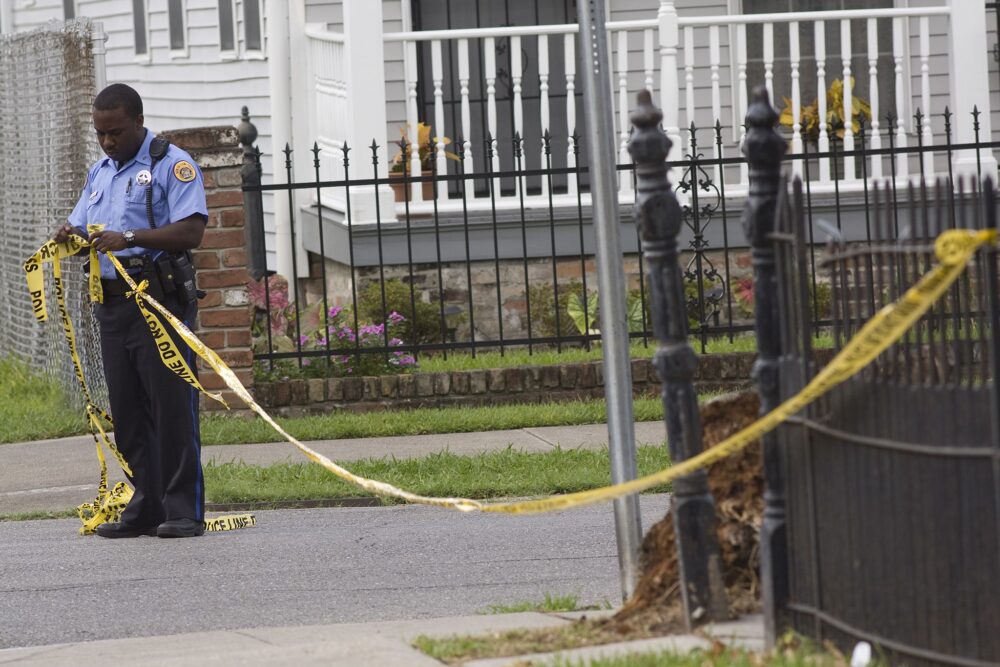
These Are the World’s Most Dangerous Cities, and Many Are in the U.S.

Crime data tells one story, but how these cities end up on global lists is far more complicated.

©Image license via Wikimedia Commons

Some global crime rankings paint a troubling picture of urban safety, but the reality is more layered than a single list suggests. These rankings usually focus on violent crime rates, especially homicide, rather than everyday quality of life or where crime is concentrated within a city.

What often surprises people is how frequently U.S. cities appear alongside places long associated with instability or cartel violence. That pattern reflects not only real problems, but also how crime is measured, reported, and compared across countries.

Looking at specific cities helps clarify what these rankings actually show, why so many American cities appear, and what context is often missing when places are labeled “dangerous.”

Read more