
Crime data tells one story, but how these cities end up on global lists is far more complicated.
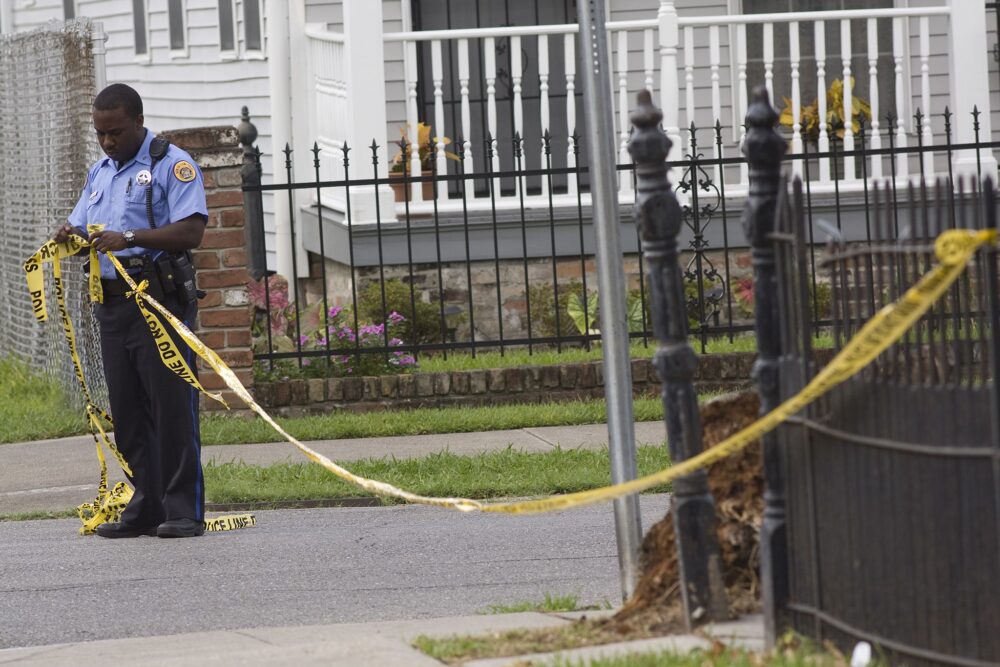
Some global crime rankings paint a troubling picture of urban safety, but the reality is more layered than a single list suggests. These rankings usually focus on violent crime rates, especially homicide, rather than everyday quality of life or where crime is concentrated within a city.
What often surprises people is how frequently U.S. cities appear alongside places long associated with instability or cartel violence. That pattern reflects not only real problems, but also how crime is measured, reported, and compared across countries.
Looking at specific cities helps clarify what these rankings actually show, why so many American cities appear, and what context is often missing when places are labeled “dangerous.”
1. Tijuana, Mexico: a global hotspot driven by organized crime

Tijuana frequently tops lists of the world’s most dangerous cities due to extremely high homicide rates. Much of the violence is tied to organized crime and trafficking routes that run through the region.
For residents, the risk is uneven. Many neighborhoods function normally, while specific areas experience persistent violence linked to criminal networks and territorial disputes.
2. Caracas, Venezuela: instability fuels long-term danger
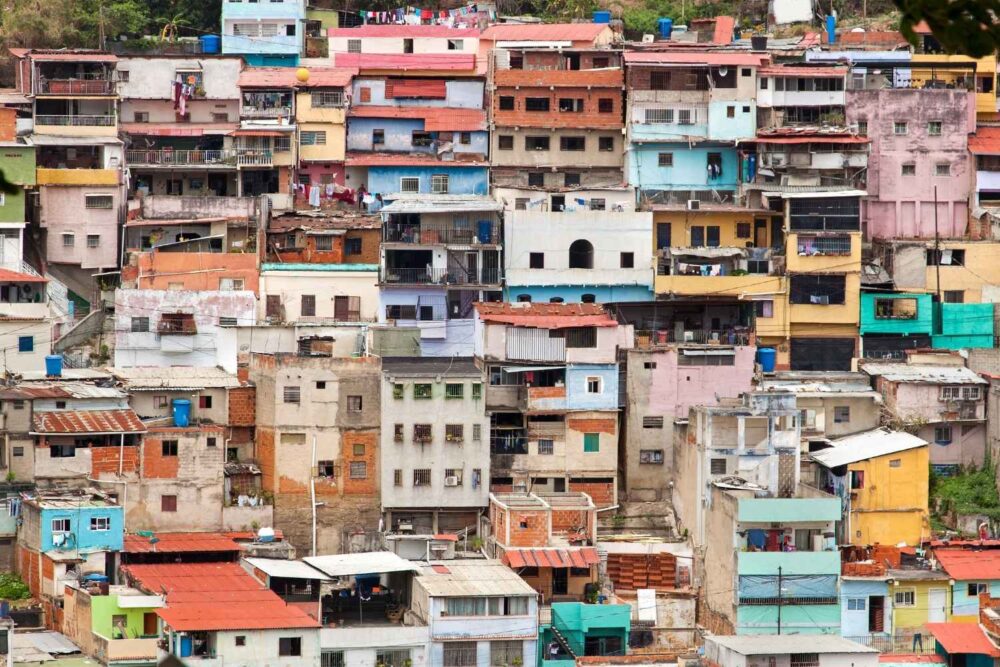
Caracas has appeared on dangerous-city rankings for years. Political instability, economic collapse, and weakened institutions have contributed to high levels of violent crime.
Basic services and policing vary widely across the city. While some districts are relatively calm, others struggle with chronic insecurity that drives the city’s overall ranking.
3. Acapulco, Mexico: tourism contrasts with violent reality

Once known primarily as a resort city, Acapulco now ranks among the world’s most violent. Organized crime and internal gang conflicts have pushed homicide rates sharply upward.
Violence is often concentrated away from tourist zones, but the scale of crime still affects the city’s reputation and economic stability.
4. Cape Town, South Africa: inequality shapes risk
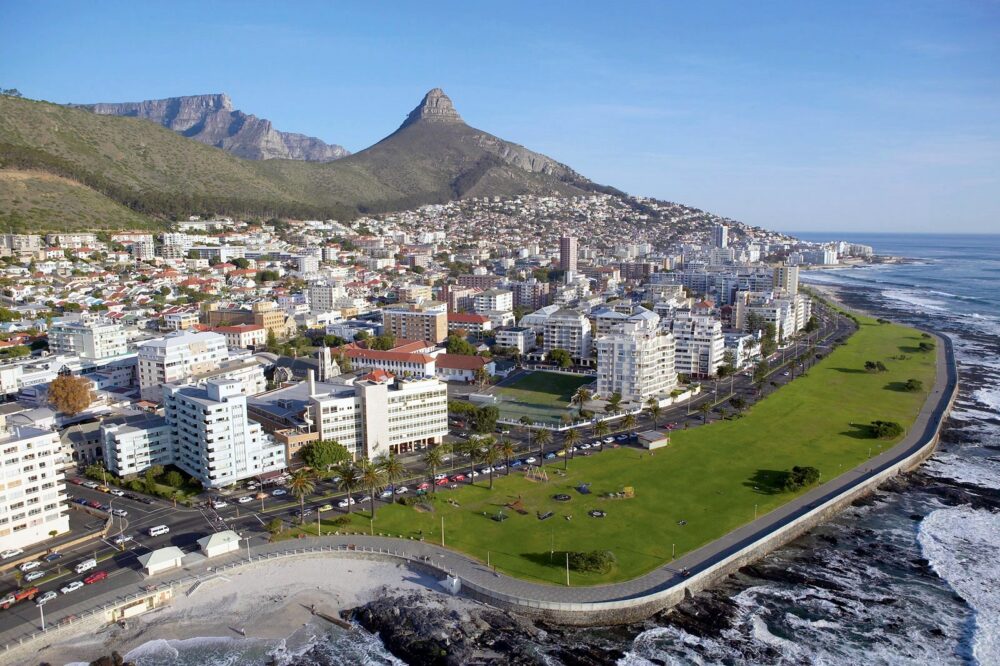
Cape Town’s crime rates are heavily influenced by deep economic inequality. Violent crime is concentrated in certain townships, where access to services and jobs is limited.
Large parts of the city remain relatively safe, but extreme violence in specific areas drives its position in global rankings.
5. San Pedro Sula, Honduras: legacy of gang violence

San Pedro Sula became infamous for high homicide rates linked to gang activity and weak institutions. Although rates have declined in recent years, the city still ranks high globally.
Progress has been uneven, and improvements are fragile, keeping the city on many dangerous-city lists.
6. St. Louis, United States: how one city reshapes global rankings

St. Louis often appears near the top of global dangerous-city lists because of very high homicide rates relative to its population size. Gun violence plays a major role, pushing its per-capita numbers above many larger cities.
What rankings rarely explain is how concentrated the violence is. A small number of neighborhoods account for a large share of serious crime, while many residents live in relatively stable areas.
The city’s inclusion highlights how U.S. crime data transparency, firearm prevalence, and city-boundary definitions can elevate American cities in global comparisons, even when daily risk varies widely.
7. Baltimore, United States: persistent violence in specific areas
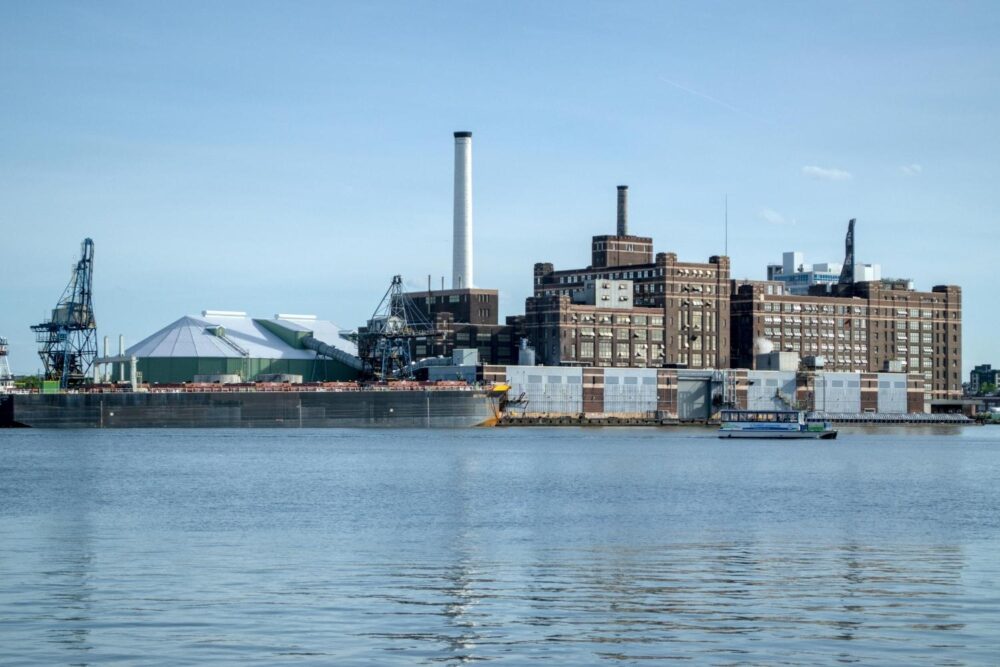
Baltimore’s homicide rate has kept it on international rankings for years. Gun violence and long-standing social challenges drive much of the data.
As with many U.S. cities, crime is not evenly distributed. Some neighborhoods experience chronic violence, while others see little serious crime at all.
8. New Orleans, United States: spikes tied to social stress

New Orleans has reappeared on dangerous-city lists during periods of rising violent crime. Economic strain, gun violence, and uneven recovery efforts contribute to fluctuations.
Tourist-heavy areas often remain well-policed, while violence in residential neighborhoods shapes the city’s overall ranking.
9. Memphis, United States: per-capita rates matter

Memphis ranks highly due to violent crime rates adjusted for population size. Firearm-related incidents significantly influence its placement.
The city’s appearance on global lists reflects per-capita calculations more than total crime volume, a factor that often surprises readers.
10. Detroit, United States: reputation versus reality

Detroit’s reputation for danger lingers from past decades, and violent crime still places it on some global rankings. However, crime levels vary sharply by neighborhood.
Redevelopment and population decline complicate comparisons, making per-capita statistics especially influential.
11. Why so many U.S. cities appear on global lists

Many American cities show up on dangerous-city rankings because the U.S. reports crime data in detail and uses city boundaries that exclude suburbs. Gun violence also raises homicide rates relative to many countries.
These lists highlight real problems, but they do not capture everyday safety for most residents. Understanding the cities behind the rankings helps explain why the U.S. appears so often—and why the label “dangerous” rarely tells the whole story.