
Researchers say politics, identity, and a sense of control shape who doubts climate change the most.

Decades of research show that conservative white males are significantly more likely to doubt climate change than any other demographic group in the United States. Studies published in journals such as Global Environmental Change and Nature Climate Change point to a mix of cultural and psychological factors behind the trend. Many within this group view environmental regulation as a threat to economic freedom or traditional social values. Experts say climate skepticism has become tied to identity and ideology, making facts alone less effective at changing minds — even as the planet keeps warming.
1. The “Cool Dudes” Study That Started It All

In 2011, sociologists Aaron McCright and Riley Dunlap published a groundbreaking paper in Global Environmental Change titled “Cool Dudes: The denial of climate change among conservative white males in the United States.” The study found that white men who identified as politically conservative were far more likely than other groups to doubt or dismiss climate science.
Their analysis showed that this pattern wasn’t random — it was tied to political ideology, trust in science, and cultural identity. The findings have since been replicated by multiple studies in sociology, psychology, and political science.
2. Politics Plays a Central Role
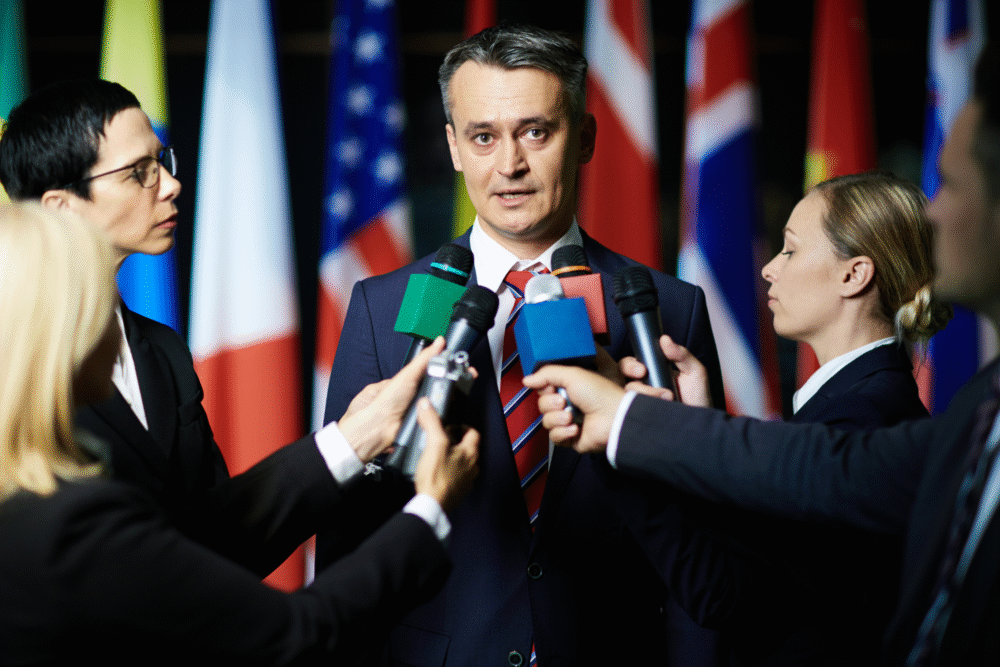
Political identity is one of the strongest predictors of climate skepticism in the United States. Surveys consistently show that self-identified conservatives are more likely to doubt that humans are causing global warming or that urgent action is needed to address it.
This divide widened after the late 1990s, when climate change became a partisan issue. Many conservatives began viewing environmental regulation as government overreach, while liberals increasingly saw it as a moral and scientific necessity — turning climate policy into a cultural fault line.
3. Economic Worldviews Drive Skepticism

Researchers say beliefs about free markets and personal responsibility help explain why some conservatives resist climate science. People who strongly support unregulated capitalism often see climate action as a threat to economic freedom or private enterprise.
For many conservative white males, skepticism about climate change aligns with protecting industries like oil, gas, and manufacturing — sectors historically tied to economic growth and national identity. Accepting the science can feel like endorsing government limits on economic activity, which clashes with deeply held values about independence and self-reliance.
4. Risk Perception Differs Across Groups

Studies show that conservative white males consistently rate climate risks as less severe than other groups do. Psychologists call this the “white male effect” — a pattern found in research on risk perception across issues like nuclear energy, pollution, and guns.
The theory suggests that those who have traditionally held positions of power and security are less likely to feel personally vulnerable to environmental threats. In other words, social privilege may shape how people perceive — or downplay — the dangers of climate change.
5. Trust in Scientists Has Declined Among Conservatives

Public trust in scientists has remained high overall, but among conservative men, it has dropped significantly since the early 2000s. Surveys from the Pew Research Center show a widening gap: while most Democrats express confidence in climate scientists, fewer than half of Republicans do.
This distrust often stems from the belief that researchers exaggerate problems to justify government spending or regulations. Experts say rebuilding that trust requires separating climate science from political messaging — a difficult task in today’s polarized media environment.
6. Media Outlets Reinforce Climate Skepticism

Cable news networks, talk radio, and online commentators play a major role in shaping climate attitudes. Studies show that regular viewers of politically conservative media are more likely to question climate science and oppose environmental regulation.
Outlets that frame climate change as uncertain or economically damaging reinforce existing doubts. Over time, this has created “echo chambers” where misinformation circulates faster than scientific corrections — deepening the ideological divide on an issue that scientists overwhelmingly agree is real and urgent.
7. Identity and Belonging Matter as Much as Facts

Researchers say climate skepticism is not just about misinformation — it’s also about identity. People tend to accept or reject information based on whether it aligns with their group’s beliefs. This concept, known as “cultural cognition,” explains why facts alone rarely change minds.
For conservative white males, skepticism can serve as a signal of loyalty to a political or social group. Admitting climate change is a serious threat might feel like betraying that group’s worldview, even if the science is clear.
8. Climate Denial Is Often Linked to Cultural Values

In many ways, climate change challenges core American values — individualism, growth, and technological mastery. Researchers find that conservative white males are more likely to embrace these values and therefore see climate action as a threat to the social order they support.
Efforts to reduce emissions often involve collective action, international cooperation, and government oversight — ideas that conflict with more hierarchical or individualist worldviews. As a result, some people resist not the science itself, but the implications of accepting it.
9. Education Doesn’t Always Change Minds
Interestingly, higher education doesn’t necessarily make people less skeptical about climate change — at least among conservatives. Studies show that conservative men with more education often use their knowledge to defend their existing beliefs rather than question them.
This phenomenon, called “motivated reasoning,” means that intelligence or scientific literacy alone can’t overcome identity-driven bias. It helps explain why even well-informed individuals sometimes reject overwhelming scientific consensus when it conflicts with their political or cultural values.
10. Climate Skepticism Is Strongest in the U.S.

While climate skepticism exists worldwide, it’s more concentrated in the United States than in most other developed countries. American political culture, with its emphasis on personal freedom and limited government, makes environmental regulation a harder sell.
In Europe and other regions, conservatives tend to accept climate science even if they debate how to respond. In the U.S., however, belief in the science itself has become politicized — turning a global scientific issue into a uniquely American cultural divide.
11. Bridging the Divide Starts With Common Ground

Experts say changing minds about climate change won’t happen through confrontation or data dumps. Instead, progress comes from framing solutions in terms of shared values — like protecting communities, strengthening the economy, or ensuring energy independence.
Communicating climate action as an opportunity rather than a restriction can help reach skeptical audiences. By focusing on resilience, innovation, and stewardship — themes that resonate across political lines — the U.S. has a better chance of turning debate into collective action.